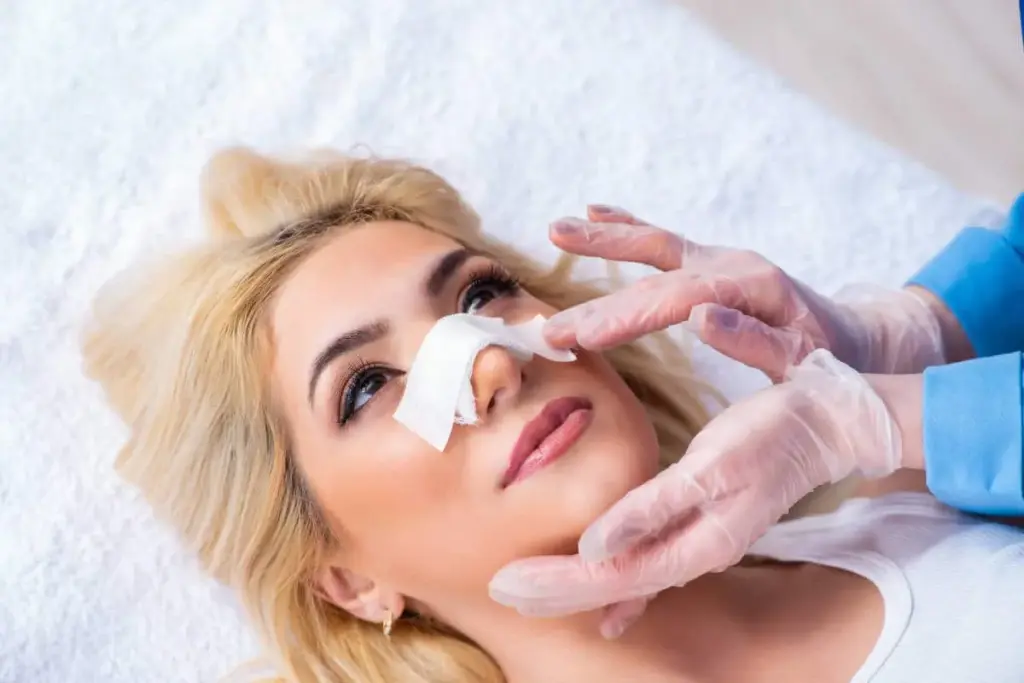
Nearly 80% of people have a deviated septum. This condition can affect breathing and quality of life. Deviated septum surgery, or septoplasty, is a common fix. Many worry about getting black eyes after surgery.
Having deviated septum surgery can be scary. You might wonder about the recovery process. This guide will help you know what to expect, including eye bruising. Will I have black eyes after deviated septum surgery? Swelling, bruising and recovery expectations explained.
Key Takeaways
- Understanding the deviated septum and its impact on health.
- What to expect during the deviated septum surgery process.
- Tips for a smooth septoplasty recovery.
- Managing bruising and swelling after surgery.
- Common questions about deviated septum recovery.
Understanding Deviated Septum and Why Surgery Is Needed
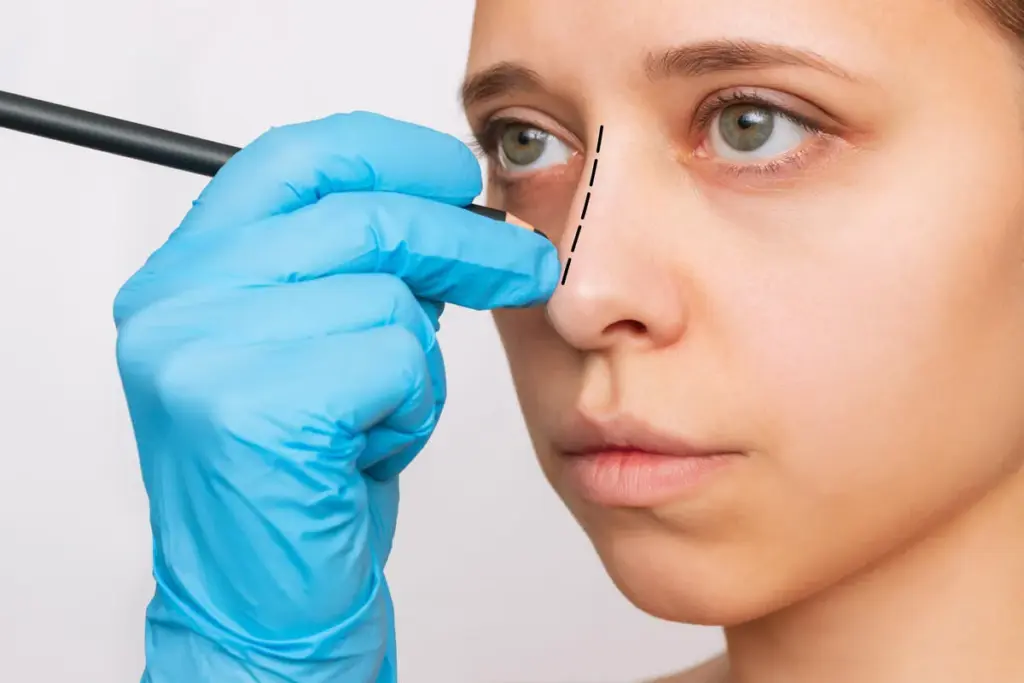
It’s important to understand what a deviated septum is to know if surgery is needed. A deviated septum is a condition where the thin wall between the nasal passages is crooked.
What Is a Deviated Septum?
A deviated septum happens when this thin wall is not straight. This makes one nasal passage smaller than the other. It can lead to various health problems, from mild to severe.
Symptoms of a Deviated Septum
The symptoms of a deviated septum can differ from person to person. Common signs include:
- Nasal congestion or trouble breathing through one or both nostrils
- Frequent nosebleeds
- Facial pain or headaches
- Postnasal drip
- Loss of smell
These symptoms can really affect your life. They can make it hard to sleep, exercise, and feel well overall.
When Surgery Becomes Necessary
Surgery, called septoplasty, is needed when a deviated septum causes big health problems. An ear, nose, and throat (ENT) specialist will decide if surgery is right for you.
Key reasons for surgery include:
- Severe nasal obstruction
- Recurring sinus infections
- Nasal discharge or postnasal drip
- Significant nasal bleeding
Septoplasty can fix the deviated septum. It can help you breathe better, reduce sinus infections, and improve your nose’s function.
What Is Septoplasty? The Procedure Explained
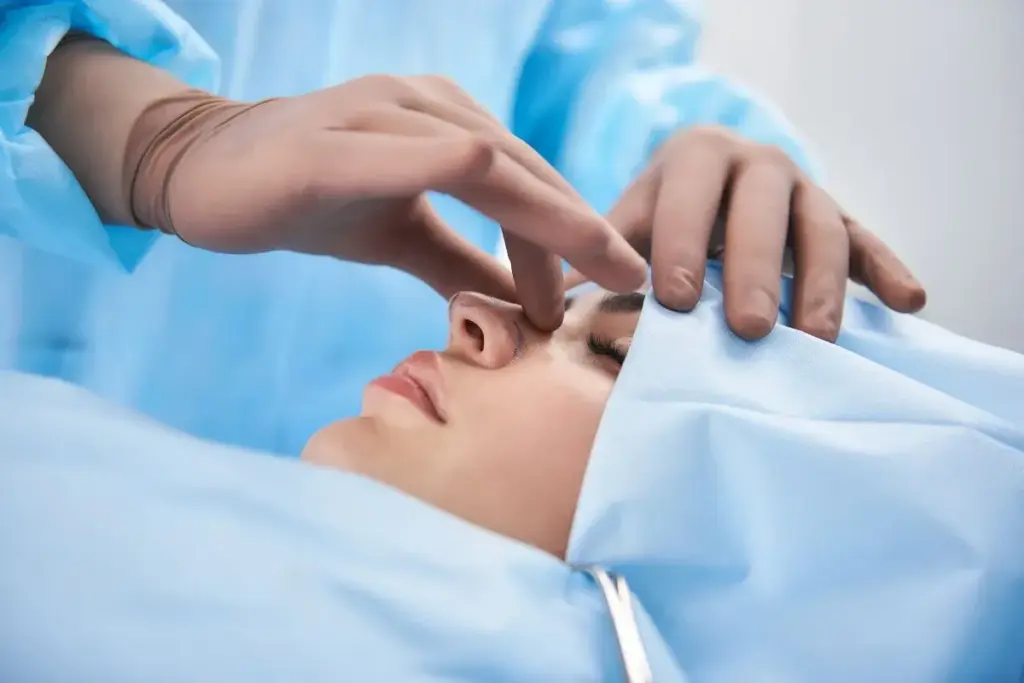
Septoplasty is a surgery to fix a deviated septum. This issue can make breathing hard. The goal is to straighten the nasal septum, improving airflow.
Septoplasty is not the same as rhinoplasty. Septoplasty is mainly for breathing issues. Rhinoplasty, however, is for looks, to change the nose’s shape.
Septoplasty vs. Rhinoplasty: Understanding the Difference
Septoplasty and rhinoplasty have different goals. Septoplasty fixes breathing problems like nasal blockage and sinus infections. Rhinoplasty is for making the nose look better.
|
Procedure |
Purpose |
Benefits |
|---|---|---|
|
Septoplasty |
Corrects deviated septum |
Improves breathing, reduces nasal congestion |
|
Rhinoplasty |
Reshapes the nose |
Enhances appearance, can improve nasal function |
Combined Procedures: Septoplasty with Turbinoplasty
Septoplasty can be done with turbinoplasty too. Turbinoplasty makes the turbinate bones smaller. This helps with breathing issues in the nose.
“Combining septoplasty with turbinoplasty can significantly improve nasal airflow and reduce symptoms associated with a deviated septum and enlarged turbinate bones.”
— Expert Opinion
Modern Surgical Techniques
Today’s septoplasty methods are better. Endoscopic septoplasty uses a camera and special tools. This means smaller cuts and quicker healing.
Thanks to new tech, surgeons can do septoplasty more accurately. This leads to better results for patients.
Black Eyes After Septoplasty: What to Expect
black eyes after septoplasty
Bruising around the eyes, or black eyes, can happen after septoplasty. This is because of the bruising that occurs during surgery. Knowing what to expect can ease worries and help patients get ready for their recovery.
Why Black Eyes May Occur
Black eyes after septoplasty usually come from the surgery’s impact on nasal structures. This can cause bleeding under the skin around the eyes. This bleeding is what makes the skin look bruised.
Frequency and Severity of Bruising
The amount and color of black eyes can differ a lot between people. Some might see just a little bruising, while others might have more. Studies show that many patients will see some bruising after septoplasty.
|
Bruising Severity |
Frequency |
|---|---|
|
Mild |
40% |
|
Moderate |
30% |
|
Severe |
10% |
Factors That Increase Risk of Black Eyes
Some things can make black eyes more likely after septoplasty. These include how complex the surgery is, the patient’s health, and their tendency to bruise easily. Also, some medicines and supplements can make blood thinner, which increases bruising risk.
“It’s key for patients to stick to pre-surgery advice to lower bruising risk. This means avoiding certain medicines and supplements that can make bleeding more likely.”
Medical Expert, ENT Specialist
In summary, while black eyes after septoplasty are possible, knowing why they happen and how to prevent them can help. Patients should talk to their surgeon about their specific risks to be ready for their recovery.
How to Minimize Bruising Before and After Surgery
minimize bruising after septoplasty
To reduce bruising after septoplasty, knowing what to do before and after is key. Bruising is common after this surgery. But, with the right steps, you can lessen its impact.
Pre-Surgery Preparations to Reduce Bruising
Before septoplasty, there are steps to take to lower bruising risk. These include:
- Avoiding blood-thinning meds like aspirin and ibuprofen for two weeks before.
- Boosting vitamins C and K to help with blood clotting and healing.
- Drinking lots of water to keep your skin healthy and strong.
Medications and Supplements to Avoid
Some meds and supplements can raise bruising risk during and after septoplasty. It’s important to steer clear of:
- NSAIDs like ibuprofen.
- Herbal supplements like ginkgo biloba, garlic, and fish oil that thin blood.
- Talking to your doctor about any meds or supplements you’re on.
|
Medication/Supplement |
Reason to Avoid |
Alternative |
|---|---|---|
|
Aspirin |
Blood thinning |
Acetaminophen (Tylenol) |
|
Ginkgo Biloba |
Increases bleeding risk |
Vitamin C for antioxidant benefits |
|
Fish Oil |
Anti-clotting effects |
Flaxseed oil for omega-3 benefits |
Effective Bruise Prevention Techniques
After septoplasty, using the right techniques can help prevent bruising. These include:
- Using cold compresses to reduce swelling.
- Keeping your head elevated to prevent fluid buildup.
- Avoiding hard activities that can raise blood pressure and cause bruising.
By following these tips and working with your healthcare team, you can reduce bruising after septoplasty. This will help you recover more smoothly.
Preparing for Your Deviated Septum Surgery
preparing recovery space at home
We’ll help you get ready for your deviated septum surgery. We’ll cover everything from medical checks to setting up your home recovery space. Getting ready well is important for a smooth septoplasty process.
Medical Evaluations and Tests
You’ll need to go through some medical checks before your surgery. This includes a physical exam, nasal endoscopy, and imaging tests like a CT scan. Your doctor might also ask for blood tests to make sure you’re healthy for surgery.
It’s important to listen to your doctor about these tests. Don’t hesitate to ask any questions about getting ready.
What to Bring to the Hospital
On surgery day, bring a few things to the hospital. You’ll need:
- Your insurance cards and ID
- A list of your medications and how much to take
- Comfortable clothes to wear after surgery
- Any needed paperwork or documents
Check with your hospital or surgical center for a full list of items to bring.
Setting Up Your Recovery Space at Home
Having a cozy recovery space at home is key for a quick recovery. Here are some tips:
- Make a quiet, comfy spot with pillows and blankets
- Get saline nasal sprays, pain meds, and humidifiers ready
- Prepare easy meals that don’t need much cooking
- Have someone to help with chores and errands
By following these tips, you’ll be ready for your surgery. You can then focus on recovering comfortably at home.
The Day of Surgery: Step-by-Step Process
septoplasty surgery process
Getting ready for septoplasty surgery? Knowing what happens can ease your worries. On surgery day, you’ll arrive at the hospital or surgical center. Our team will help you get ready.
Anesthesia Options
You’ll talk about anesthesia with your surgeon and anesthesiologist before surgery. Septoplasty can be done with local or general anesthesia. Local anesthesia numbs your nose area. General anesthesia makes you sleep through the surgery.
Duration of the Procedure
The surgery usually lasts 30 to 90 minutes. Our team is skilled in handling different cases. They work efficiently to complete your procedure.
Immediate Post-Op Care
After surgery, you’ll go to the recovery room. Our staff will watch over you. You might feel some pain, swelling, or bruising around your nose and eyes. We’ll give you clear instructions on managing these symptoms and caring for your nose.
|
Aspect of Care |
Description |
Expected Outcome |
|---|---|---|
|
Pain Management |
Medication will be prescribed to manage pain |
Reduced discomfort |
|
Nasal Care |
Saline nasal sprays or irrigations may be recommended |
Improved nasal breathing |
|
Swelling Reduction |
Cold compresses can help minimize swelling |
Less bruising and swelling |
Knowing these steps can make you feel more ready for septoplasty surgery. Our team is dedicated to giving you the best care during your treatment.
Septoplasty Recovery: The First 48 Hours
septoplasty recovery
Knowing what to expect in the first 48 hours after septoplasty can make your recovery easier. This time is key for a good outcome.
Managing Pain and Discomfort
Managing pain well in the first 48 hours is important. Always follow your doctor’s advice on pain meds. Pain is usually worst in the first 24 hours and then gets better.
Tips for Managing Pain:
- Take pain medication as directed by your doctor.
- Rest in a comfortable position, ideally with your head elevated.
- Avoid strenuous activities that could exacerbate discomfort.
Nasal Packing and Splints
Nasal packing and splints are used after septoplasty to help the nose heal. They are usually taken out within a week.
Caring for Nasal Packing and Splints:
- Keep the area around the packing and splints clean and dry.
- Avoid touching or manipulating the packing and splints.
- Follow your doctor’s instructions for their removal.
Initial Breathing Difficulties
It’s normal to have trouble breathing right after septoplasty because of swelling and packing. This usually gets better as swelling goes down.
Tips for Easing Breathing:
- Use saline nasal sprays as recommended by your doctor.
- Keep your head elevated while resting.
- Avoid blowing your nose.
Caring for Black Eyes and Facial Swelling
It’s common to get bruises and swelling after septoplasty. Cold compresses and keeping your head up can help lessen these.
|
Symptom |
Care Technique |
|---|---|
|
Black Eyes |
Apply cold compresses for 15-20 minutes, several times a day. |
|
Facial Swelling |
Keep your head elevated, use cold compresses. |
By following these tips and your doctor’s advice, you can get through the first 48 hours after septoplasty more comfortably. This sets you up for a successful recovery.
The First Week of Recovery: Critical Care Period
The first week after septoplasty surgery is very important. Your body is healing, and the right care can make a big difference. Paying close attention to your recovery is key.
Dealing with Swelling and Bruising
Swelling and bruising are common after septoplasty. Cold compresses can help reduce these symptoms. “Cold compresses can be an effective way to minimize bruising and swelling,” say doctors. Just be gentle when applying them to avoid pressure on your nose.
Also, elevate your head while resting to lessen swelling. Use extra pillows to keep your head up, especially at night.
Sleeping Positions and Techniques
It’s best to sleep on your back with your head up after septoplasty. This position helps with swelling and drainage. Avoid side or stomach sleeping to prevent pressure on your nose.
Try a travel pillow or wedge pillow to keep your head in the right position. “Maintaining the correct head position during sleep is crucial for minimizing discomfort and promoting healing,” say post-operative care guidelines.
When to Contact Your Doctor
Some discomfort and swelling are normal after septoplasty. But, watch out for signs that mean you should call your doctor. These include a lot of bleeding, pain that’s not going away, more swelling, or signs of infection like fever or redness.
If you’re worried or notice anything unusual, it’s better to be safe and talk to your doctor. They can help make sure you’re recovering well.
Complete Septoplasty Recovery Timeline
Knowing what to expect after septoplasty is key. It helps patients manage their recovery smoothly. The healing process has several stages, each with its own milestones.
Days 1-3: Immediate Recovery
The first few days are crucial. You might feel swollen, bruised, and congested. Rest and elevation help a lot. Keep your head up while sleeping and use cold compresses to reduce swelling.
Days 4-7: Reducing Swelling and Discomfort
As swelling goes down, you’ll start to feel better. Nasal saline irrigations are important to keep your nose clean. Avoid hard work and follow your doctor’s advice on medication.
Weeks 2-4: Returning to Normal Activities
By the second week, you can start doing more. You might go back to work or school, unless your job is too hard. Gradual return to exercise is good, starting with easy activities. Listen to your body and don’t rush.
Months 1-3: Long-term Healing
The last stages involve getting rid of any remaining swelling. Long-term healing is helped by nasal saline irrigations and lifestyle changes. Be patient, as full recovery can take months.
Understanding septoplasty recovery helps patients navigate their healing journey. It ensures a successful outcome and a return to normal life.
Managing Common Side Effects During Healing
Managing side effects after septoplasty is key for a smooth recovery. We’ll guide you through common issues to help you handle them well.
Nasal Congestion and Drainage
Nasal congestion and drainage are common after septoplasty. Swelling in the nasal passages and the body’s response to surgery cause these symptoms. To manage them, try:
- Using saline nasal sprays to keep the nasal passages moist
- Performing nasal irrigation with a neti pot or saline rinse kit
- Avoiding blowing your nose forcefully, which can cause further irritation
Following your doctor’s nasal care instructions is crucial to avoid complications and aid healing.
Facial Pressure and Headaches
Facial pressure and headaches can happen due to swelling and changes in nasal passages after septoplasty. To ease these symptoms, consider:
- Applying cold compresses to reduce swelling
- Elevating your head while sleeping to minimize congestion
- Taking pain medication as directed by your doctor
If headaches are severe or last long, contact your doctor for advice.
Loss of Smell and Taste
Some people may lose their sense of smell and taste after septoplasty. This is often due to nasal congestion and swelling affecting the olfactory nerves. To help regain your sense of smell and taste:
- Use nasal decongestants as recommended by your doctor
- Practice gentle nasal irrigation to clear out mucus
- Be patient, as these senses typically return once the swelling subsides and nasal passages return to normal
If the loss of smell and taste doesn’t go away, see your doctor for an evaluation.
Understanding and managing these common side effects can make your septoplasty recovery more comfortable. Always follow your doctor’s advice and attend follow-up appointments for a smooth healing process.
Potential Complications of Deviated Septum Surgery
Deviated septum surgery is usually safe, but there are risks to know. It’s important to understand these to prepare and make informed choices.
Infection Signs and Prevention
Infection is a possible issue after septoplasty. Signs of infection include redness, swelling, pain, or discharge, and fever. To avoid infection, we give antibiotics and ask you to take them as directed.
Keeping the area clean is key. We teach you how to care for your nose to lower infection risk.
Septal Hematoma
A septal hematoma is when blood gathers between the septum’s cartilage or bone and its covering. It’s serious and needs quick attention.
Symptoms of a septal hematoma include blocked nose, pain, and swelling. If you notice these, call your doctor right away.
Septal Perforation
Septal perforation is a hole in the nasal wall. It can cause crusting, whistling, or bleeding. Some perforations don’t show symptoms, but others can be a big problem.
Treatment depends on the perforation’s size and where it is.
Persistent Breathing Problems
Some people may still have breathing issues after surgery. This could be because the septum wasn’t fully fixed or because of other nasal problems.
If you’re still having trouble breathing, see your ENT specialist. They can find out why and help fix it.
Dietary Recommendations During Recovery
Eating well is key to getting better after septoplasty surgery. The foods you pick can help your body heal, reduce swelling, and get back to normal.
Foods to Eat for Reduced Swelling
Choosing the right foods can help lessen swelling and aid in healing. Foods high in vitamins C and K, zinc, and protein are great. Here are some examples:
- Citrus fruits and berries for vitamin C
- Leafy greens like spinach and kale for vitamin K
- Oysters, beef, and chicken for zinc
- Lean proteins such as chicken, fish, and eggs
Foods to Avoid
It’s also crucial to know what not to eat. Some foods can make swelling worse or slow healing. Try to avoid:
- Salty foods that can increase swelling
- Spicy foods that may irritate the nasal passages
- Hard or crunchy foods that can be difficult to chew and may cause discomfort
- Foods high in sugar that can lead to inflammation
Staying Hydrated
Drinking enough water is vital for a smooth recovery. It helps thin out mucus, reduces nasal congestion, and aids in healing. Drink plenty of water all day, aiming for at least eight glasses. You can also eat hydrating foods like watermelon, cucumbers, and celery.
By choosing the right foods, you can help your body heal faster and lower the chance of problems after septoplasty surgery.
Physical Activity Restrictions After Surgery
Knowing when to start exercising again after septoplasty is key for a good recovery. Right after surgery, your body needs time to heal. Some activities can get in the way of this healing.
When You Can Resume Exercise
Most doctors say to wait at least one to two weeks before doing strenuous activities. This includes heavy lifting, bending, or intense exercise. The exact time depends on how fast you heal and what your doctor says. It’s very important to listen to your doctor to avoid problems.
“Being patient and following your doctor’s orders is the best way to recover,” say medical experts. It’s important to slowly add exercise back into your life.
Activities to Avoid
In the first few weeks, stay away from things that might raise your blood pressure or hurt your nose. This means:
- Strenuous exercise like running or weightlifting
- Contact sports
- Heavy lifting or bending
- Activities that involve straining or blowing your nose
These can cause bleeding or swelling, making your recovery longer.
Gradual Return to Normal Routine
Begin with gentle exercises like short walks. Then, slowly make the exercises harder and longer. Always listen to your body and your doctor. If you feel pain or discomfort, slow down.
Going back to your usual routine should be slow and careful. This way, you can heal well and get the best results from your septoplasty.
Tips to Speed Up Septoplasty Recovery
Recovering from septoplasty surgery needs careful attention. But with the right tips, you can heal faster. We know a quick recovery is key to getting back to your normal life.
Cold Compress Techniques for Bruising
Using a cold compress is a simple and effective way to reduce bruising and swelling. To make one, wrap an ice pack or frozen peas in a cloth. Then, apply it to the affected area for 10-15 minutes, several times a day.
Key benefits of cold compresses include:
- Reducing swelling
- Minimizing bruising
- Easing discomfort
Elevation and Proper Positioning
Keeping your head elevated is crucial during recovery. Use extra pillows to keep your head above your heart while sleeping or resting. This helps reduce swelling by preventing fluid buildup in the nasal area.
Nasal Irrigation Methods
Nasal irrigation is key to recovery, helping clear nasal passages and promote healing. Use a saline solution, available over-the-counter or homemade. Gently irrigate your nasal passages with a neti pot or squeeze bottle, avoiding force.
Tips for effective nasal irrigation:
- Use sterile or distilled water
- Clean your irrigation device after each use
- Gently blow your nose after irrigation
Supplements That May Help Healing
Certain supplements can aid in healing after septoplasty. Always check with your doctor before adding supplements. Some beneficial options include:
- Vitamin C: Known for its role in collagen production and immune function
- Zinc: Supports wound healing and immune response
- Omega-3 fatty acids: May help reduce inflammation
By following these tips, you can speed up your healing and reduce discomfort. Always follow your surgeon’s advice for the best results.
Conclusion: Life After Deviated Septum Surgery
After septoplasty, patients see a big change in their life quality. The time it takes to recover varies, but most can get back to normal in a few weeks. Knowing how to heal from septoplasty is key for a smooth recovery.
Throughout this guide, we’ve talked about how to prepare, care for yourself after surgery, and be patient. These steps help avoid complications and get the best results. By following our advice, you can lessen bruising and swelling, making recovery easier.
Life after septoplasty brings better breathing, less nasal congestion, and fewer symptoms. The healing time is long, but the benefits of septoplasty are worth it. We’re here to support you from start to finish, and beyond.
FAQ
What is a deviated septum and how is it diagnosed?
A deviated septum is when the thin wall between the nasal passages is off-center. This makes one side smaller. Doctors check for this with a physical exam and sometimes use a CT scan.
What is septoplasty and why is it performed?
Septoplasty is surgery to fix a deviated septum. It helps you breathe better, reduces congestion, and eases other symptoms.
Will I have black eyes after deviated septum surgery?
Yes, you might get bruises and black eyes after septoplasty. This is because of swelling and bleeding. How bad it gets depends on you and the surgery method.
How long does it take to recover from septoplasty?
Recovery from septoplasty varies, but most people can get back to normal in one to two weeks. It takes longer for swelling and bruises to go away, sometimes a few months.
What are the potential complications of deviated septum surgery?
Complications can include infection, bleeding, holes in the septum, and breathing issues. Following your doctor’s advice and going to follow-up visits can help avoid these problems.
How can I minimize bruising before and after septoplasty?
To lessen bruising, avoid blood-thinning meds, use cold packs, and keep your head up when resting. Your doctor will give you specific instructions to help.
What should I eat during the recovery period?
Eat soft, nutritious foods like fruits, veggies, lean meats, and whole grains during recovery. Avoid spicy or hard foods that can bother your nose.
When can I resume exercise after septoplasty?
Avoid hard exercise for one to two weeks after septoplasty. Start slowly as your doctor advises to heal properly.
How can I manage nasal congestion and drainage after septoplasty?
Use nasal saline rinses, a humidifier, and sleep with your head up to manage congestion and drainage. Your doctor might also prescribe medication.
What are the signs of infection after septoplasty?
Watch for increased redness, swelling, pain, fever, and discharge. If you see these signs, call your doctor right away for help.
References
https://my.clevelandclinic.org/health/treatments/17779-septoplasty



 Departments
 Related Videos
 Our Doctors
 News
News