Nearly 7.9 million people get treated for fractures every year in the United States. Many face complications while their bones heal. When a bone breaks, the body starts to heal it. But, increasing fracture pain or persistent bone swelling might mean there’s a problem.
A healing fracture usually shows signs of getting better. You might feel less pain and move more easily. But, if a fracture isn’t healing right, it can get worse. Spotting these signs early is key to getting the right help.
Key Takeaways
- Watch for more pain or swelling around the fracture.
- Notice if you can’t move as well or bear weight.
- See a doctor if symptoms don’t get better or get worse.
- Healing bones usually hurt less and you can move more.
- Problems can happen if a fracture doesn’t heal right.
Understanding Normal Fracture Healing
Knowing how a fracture heals is key to spotting problems early. When a bone breaks, the body starts to fix it. This process goes through several stages, from the first inflammation to the final strengthening of the bone.
Typical Healing Timeline
The time it takes for a fracture to heal varies. It depends on where and how badly the bone was broken, the person’s age, and their health. The healing process has three main stages: inflammation, soft callus, hard callus, and remodeling.
| Stage | Timeline | Description |
| Inflammatory Phase | 0-4 days | Initial response to injury, characterized by swelling and pain. |
| Soft Callus Stage | 4-14 days | Soft callus formation starts to stabilize the fracture. |
| Hard Callus Stage | 2-6 weeks | Bony callus forms, providing greater stability. |
| Remodeling | Several months to years | Bone is reshaped and strengthened. |
Expected Symptoms During Recovery
During recovery, patients may feel pain, swelling, and bruising. These are normal signs. As the bone heals, these symptoms should lessen.
Monitoring Progress: It’s important for patients to watch their symptoms and talk to their doctor if they’re worried. An orthopedic specialist says, “The key to successful fracture healing is not just immobilization, but also monitoring for signs of complications and addressing them promptly.”
“The healing process of a fracture is a complex and highly individualized process. Understanding what to expect can significantly improve patient outcomes.”
An Orthopedic Surgeon
Common Causes of Worsening Fractures
It’s important to know what makes fractures worse. Several things can affect how well a bone heals. If not handled right, these can lead to more problems.
Inadequate Immobilization
Inadequate immobilization is a big problem. If a broken bone isn’t kept in place, it can move too much. This makes healing harder and can cause more damage.
Using casts, splints, or braces is key. They help keep the bone steady, which is good for healing.
Premature Weight-Bearing
Premature weight-bearing is another issue. Putting weight on a broken bone too soon can cause it to break again. This is a big worry for bones in the legs.
Patients need to listen to their doctors about when to start walking again. This helps avoid making the break worse.
Underlying Health Conditions
Underlying health conditions can also affect healing. Things like diabetes, osteoporosis, and circulatory diseases can slow down bone healing. They do this by affecting blood flow and nutrient delivery.
Getting these conditions under control is important. This can be done with the right medical care and lifestyle changes.
Knowing about these causes helps patients take better care of themselves. This makes recovery smoother and more successful.
Recognizing Worsening Fracture Signs: Pain Changes
It’s important to know the difference between healing pain and pain that means trouble. Pain is part of healing, but some changes can mean serious issues.
Differentiating Between Normal and Abnormal Pain
Normal pain after a fracture usually gets better with time and medicine. But, pain that gets worse or changes could mean problems like infection or nerve damage.
Key differences between normal and abnormal pain include:
- Pain that worsens over time instead of getting better
- Pain that doesn’t get better with medicine
- Pain with swelling, redness, or fever
Pain That Intensifies Over Time
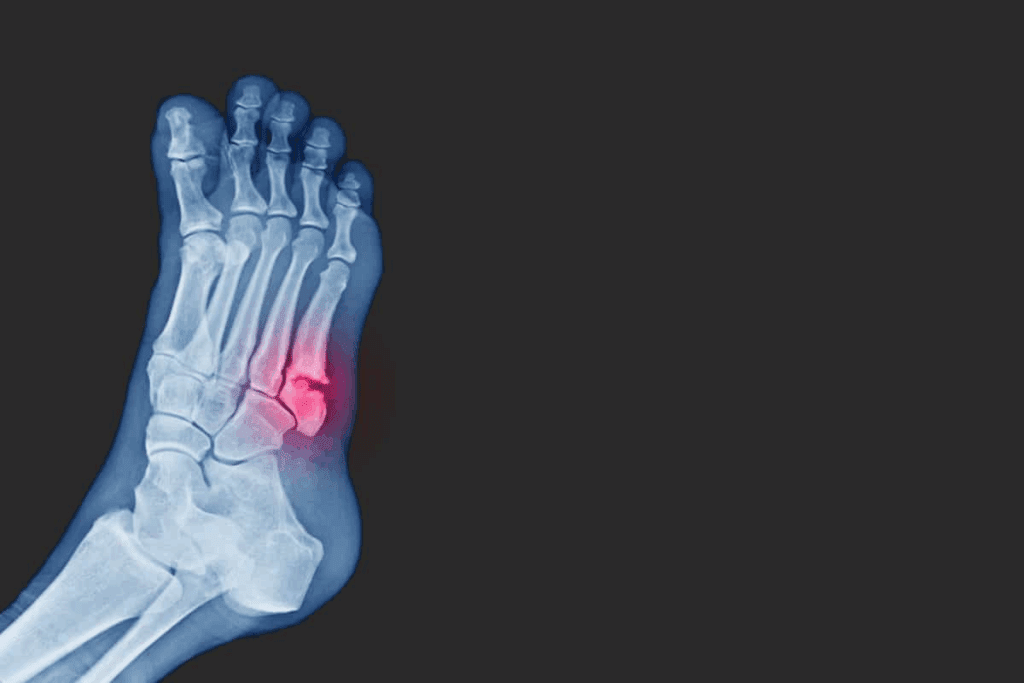
Pain that gets worse over time is a warning sign. It might mean the fracture isn’t healing right or there’s another issue.
| Pain Characteristic | Normal Healing | Potential Complication |
| Pain Intensity | Gradually decreases | Intensifies or remains constant |
| Pain Duration | Short-term | Prolonged |
| Response to Medication | Managed with medication | Not relieved by medication |
Pain That Doesn’t Respond to Medication
Pain that doesn’t get better with medicine is a sign of trouble. It could be from nerve damage, infection, or other issues.
It’s key for patients to talk openly with their doctors about pain. Keeping a pain journal helps track changes. This info is very helpful for doctors.
Persistent or Worsening Swelling
After a fracture, some swelling is normal. But, it’s key to watch it closely. This is because persistent or worsening swelling can mean trouble.
Swelling is how our body reacts to injury. But, if it keeps getting worse, it might show that healing isn’t going right.
Normal vs. Abnormal Swelling Patterns
At first, swelling is normal after a fracture. This is because of the body’s natural response to injury. But, as the fracture starts to heal, this swelling should start to go down.
If swelling doesn’t go down or even gets worse, it could mean there’s a problem. Abnormal swelling patterns include swelling that:
- Does not decrease over time
- Increases after initially decreasing
- Is accompanied by other symptoms like pain or redness
When Swelling Indicates a Problem
Swelling can be a sign of trouble if it’s with other symptoms. For example, if swelling is really bad, or if it’s with increased pain, redness, or warmth, it might mean something’s not healing right.
Relationship Between Swelling and Healing Complications
Persistent or worsening swelling can point to healing problems. This includes things like infection, nerve damage, or compartment syndrome. It’s important to remember that while some swelling is okay, abnormal swelling can be a warning sign.
Keeping an eye on swelling and telling a healthcare provider about any worries is key. This helps make sure healing goes smoothly.
Changes in Skin Appearance Around the Fracture
Looking at the skin around a fracture is key. It shows how well the body is healing. The skin is the biggest organ and shows health and healing.
Worsening Bruising Patterns
Bruising is common near fractures because of blood vessel damage. But, worsening bruising patterns or spreading bruises are warning signs. Watch how big, colored, and tender bruises get.
Skin Discoloration Concerns
Skin discoloration can be redness or darker spots around a fracture. Some is normal, but big or changing discoloration is a red flag. Look out for redness or warmth that doesn’t go away.
When Skin Changes Signal Complications
Some skin changes mean trouble. For example, skin discoloration with swelling, pain, or warmth might mean infection. Also, tight or shiny skin could mean swelling that needs a doctor.
Patients should watch for these signs and see a doctor if they see anything odd. Catching problems early can help treatment work better and speed up recovery.
Identifying Fracture Problems in Different Body Parts
It’s key to know the unique issues with fractures in different body parts for the right treatment. Fractures can happen anywhere in the body. Their problems change a lot based on where and how bad the injury is.
Upper Extremity Fracture Complications
Fractures in the arms, wrists, and hands can cause specific issues. These might include:
- Reduced mobility and strength in the affected arm or hand
- Nerve damage leading to numbness or tingling
- Impaired function of the wrist or elbow
Common complications of upper extremity fractures include malunion, where the bone heals in an incorrect position, and nonunion, where the bone fails to heal properly.
Lower Extremity Fracture Complications
Fractures in the legs, ankles, and feet have their own challenges. Complications can include:
- Difficulty bearing weight on the affected limb
- Increased risk of deep vein thrombosis (DVT)
- Chronic pain or instability in the ankle or knee
Lower extremity fractures are serious because these limbs bear our weight. Issues like osteomyelitis, an infection of the bone, can be very dangerous if not treated quickly.
Spinal and Pelvic Fracture Warning Signs
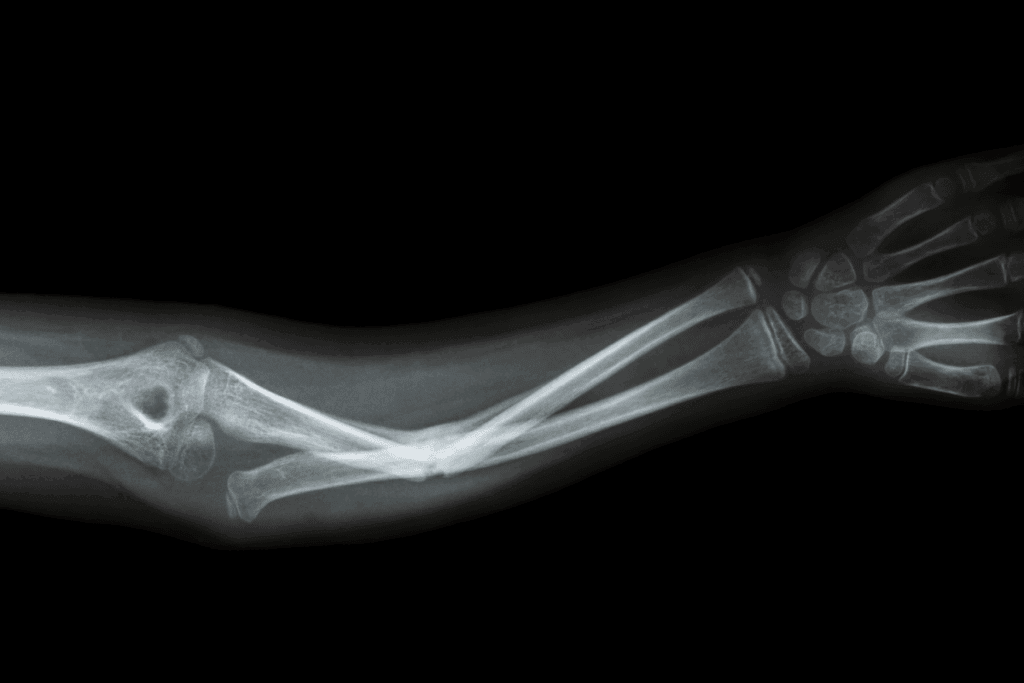
Fractures of the spine or pelvis can be very dangerous and even life-threatening. Warning signs include:
- Severe back pain or stiffness
- Numbness, tingling, or weakness in the legs
- Difficulty controlling bladder or bowel functions
| Fracture Location | Common Complications | Warning Signs |
| Upper Extremity | Malunion, Nonunion, Nerve Damage | Reduced mobility, Numbness, Tingling |
| Lower Extremity | DVT, Chronic Pain, Instability | Difficulty bearing weight, Swelling, Pain |
| Spinal and Pelvic | Neurological Damage, Infection | Severe back pain, Numbness, Loss of bladder control |
Neurological Symptoms That Indicate Complications
Neurological symptoms like numbness, tingling, and weakness can signal problems in healing fractures. These signs happen when nerves get damaged or compressed near the break. This can slow down the healing process.
Numbness Near the Fracture Site
Numbness near a fracture is a worrying sign. It might mean nerves are being compressed or damaged. If numbness doesn’t go away or gets worse, see a doctor right away.
Numbness can be caused by swelling or bone pieces pressing on nerves. Sometimes, it’s a sign of a serious issue like compartment syndrome. This needs quick medical help.
Tingling and Nerve-Related Symptoms
Tingling, or “pins and needles,” happens when nerves get irritated or hurt. This feeling can last a short time or keep coming back, depending on the cause.
Tingling near a fracture might also bring other nerve symptoms, like burning or being extra sensitive to touch. A doctor should check these symptoms to find the right treatment.
Weakness in Affected Limb
Weakness in a limb with a fracture could mean nerve problems. This weakness might come from nerve damage or muscle loss because of not moving the limb.
It’s important to tell if weakness is just from not moving the limb or if it’s from nerve issues. If weakness gets worse or is really bad, talk to your doctor about it.
Watching for these neurological symptoms is key to making sure a fracture heals right. If you notice any of these signs, get medical advice to avoid serious problems later.
Mobility Issues and Functional Decline
Mobility problems can slow down healing after a fracture. It’s key to spot these issues early. When a fracture happens, the body tries to keep the area stable to heal. But, if this doesn’t work right, it can cause loss of mobility and make things worse.
Loss of Range of Motion
One early sign is loss of range of motion. This means joints around the fracture get stiff or less flexible. Usually, as it heals, patients start moving more through therapy. But, if healing goes wrong or if there are problems like infection, this can stop.
- Reduced flexibility
- Stiffness in joints
- Pain during movement
Inability to Bear Weight
For fractures in bones that bear weight, like in the legs, not being able to stand on the affected leg is a big worry. This could be because of pain, instability, or both. Not being able to stand not only limits movement but also shows healing problems.
- Pain upon weight-bearing
- Instability or feeling of the bone giving way
- Swelling or inflammation that worsens with weight-bearing activities
Regression in Physical Capabilities
A drop in physical abilities is another sign of mobility issues. This might mean less strength, endurance, or ability to do daily tasks. Such a drop can happen for many reasons, like being stuck in one place for too long, muscle loss, or nerve problems.
It’s important to watch for these changes and tell doctors. Quick action can fix the problem and help regain lost abilities.
Visual Signs of Bone Misalignment
Bone misalignment shows itself in many ways that need quick attention. When a bone breaks, the pieces can move out of place. This causes noticeable changes in the limb’s look.
Visible Deformity Development
A visible deformity is a clear sign of bone misalignment. It can look like the limb is curved or angled wrong. For example, if an arm fracture heals wrong, the arm might look crooked or shorter than the other.
Changes in Limb Appearance
Changes in how a limb looks can also mean bone misalignment. You might see swelling, bruising, or color changes. But if these signs don’t go away or come with a visible deformity, it could be serious.
Key indicators include:
- Asymmetry between the injured and uninjured limbs
- Abnormal rotation or twisting of the affected limb
- Visible shortening or lengthening of the limb
Comparing Injured Area to Uninjured Side
Comparing the injured area to the healthy side is a good way to check for misalignment. Small differences might not be obvious at first. For instance, if the limbs are not the same length or if joints are not aligned right, it could mean a problem.
It’s important to watch for these signs and see a doctor if you notice anything odd.
Infection Indicators at the Fracture Site
It’s important to know the signs of infection at a fracture site. This is to avoid serious problems. Infections, like osteomyelitis (bone infections), can happen from bad fractures or after surgery.
Redness and Warmth Around the Injury
Redness and warmth around the fracture are early signs of infection. The body tries to fight off germs with these signs. If your fracture area gets red, swollen, or warm, get medical help right away.
Drainage or Open Wounds
Drainage or open wounds near the fracture are big infection signs. This could be pus or clear liquid. Open wounds let bacteria into the body, risking infection of the bone or tissue.
Fever and Systemic Symptoms
Fever means your body is fighting an infection. If you have a fracture and a fever, chills, or feel bad, it might be an infection. Watch your temperature and health closely during recovery.
| Signs of Infection | Description |
| Redness and Warmth | Inflammation around the fracture site, indicating the body’s response to possible infection. |
| Drainage or Open Wounds | Presence of pus or discharge, or an open wound that could be a pathway for infection. |
| Fever and Systemic Symptoms | Fever, chills, or feeling unwell, indicating a systemic response to infection. |
Knowing these signs can help spot infections early. This allows for quick action. If you think you have an infection, call your doctor fast.
Mechanical Symptoms of Unstable Fractures
Unstable fractures show specific signs, like unusual sensations and sounds. These signs tell us if the fracture is healing right. They are key to knowing how well the bone is mending.
Grinding Bone Sensation (Crepitus)
A grinding or crunching feeling, called crepitus, happens when bones rub against each other. This can hurt and mean the fracture isn’t healing right. Crepitus is a big sign that needs a doctor’s check.
Feelings of Instability or Movement
People with unstable fractures might feel like their bone is moving. This feeling is a clear sign that the bone isn’t healing as it should. If you feel this, tell your doctor right away.
Sounds from the Fracture Site
Unstable fractures can make sounds like clicking, grinding, or snapping. These sounds mean the bones are moving. A doctor should look into these sounds.
| Mechanical Symptom | Description | Implication |
| Grinding Bone Sensation (Crepitus) | Sensation of bone fragments grinding against each other | Indicates possible misalignment or instability |
| Feelings of Instability or Movement | Patient feels movement or instability at the fracture site | Shows the fracture might not be healing right |
| Sounds from the Fracture Site | Audible clicking, grinding, or snapping sounds | Means bone fragments are moving, which might make healing harder |
Spotting these signs early can really help with treating unstable fractures. If you notice any, get medical help fast. This can stop things from getting worse.
Delayed Healing and Nonunion Signs
It’s important to know the signs of delayed healing or nonunion early. Nonunions happen when fractures don’t heal well or at all. This can lead to longer recovery times and even long-term disability.
How to Recognize When Healing Has Stalled
Watching the fracture site for signs of slow healing is key. Look for persistent pain, swelling, or limited mobility that doesn’t get better with treatment.
- Pain that gets worse or lasts longer than expected
- Swelling that doesn’t go away or gets worse
- Limited movement or stiffness in the affected area
Timeframes for Concern
The time to worry about delayed healing depends on the fracture type and location. If a fracture shows little to no healing in 6 to 8 weeks, it might be delayed.
For some fractures, like those in the wrist, concern can come sooner if there are signs of nonunion.
Risk Factors for Nonunion
Several things can make nonunion more likely. These include:
- Inadequate immobilization or stabilization of the fracture
- Infection at the fracture site
- Poor blood supply to the affected area
- Nutritional deficiencies, such as lack of calcium or vitamin D
- Smoking, which harms bone healing
Knowing these risk factors helps in preventing and early detecting complications.
Malunion: When Bones Heal in the Wrong Position
Malunion happens when a bone heals in the wrong place. This can cause long-term problems. It can also affect how well a limb works and how it looks.
Visual Signs of Malunion
One key sign of malunion is a visible deformity. This means the bone or limb looks different. For example, if a bone heals at an odd angle, it will look off compared to the other side.
Some common signs include:
- Visible deformity or abnormal shape
- Shortening or lengthening of the limb
- Abnormal angulation or rotation
Functional Impact of Improper Healing
Malunion can cause many problems, depending on where it happens. For instance, if a bone in your leg heals wrong, you might have trouble walking. Or, if a bone in your hand heals wrong, you might have trouble gripping things.
| Location of Malunion | Potential Functional Impact |
| Lower Extremities | Gait disturbances, chronic pain |
| Upper Extremities | Reduced grip strength, dexterity issues |
| Spinal or Pelvic Area | Chronic back pain, mobility issues |
Long-term Consequences of Malunion
If malunion is not treated, it can cause lasting problems. These include chronic pain, arthritis, and trouble moving. Sometimes, surgery is needed to fix the problem and help the bone heal right.
“Malunion can result in significant long-term morbidity if not properly managed. Early recognition and treatment are critical to preventing complications.” – Orthopedic Specialist
It’s important to know about malunion and its signs. By spotting these signs early, you can get help quickly. This can prevent serious problems later on.
When to Seek Immediate Medical Attention
Knowing when to get medical help is key to avoid making a bad fracture worse. Some signs show your fracture might not be healing right, or that something serious is happening.
Emergency Warning Signs
If you notice any of these signs, get medical help right away:
- Severe pain that doesn’t get better with medicine
- Numbness or tingling around the fracture
- A visible deformity or open wound
- Signs of infection like redness, warmth, or discharge
- A fever over 101.5°F (38.6°C)
These signs mean serious problems that need quick medical help.
Symptoms That Shouldn’t Wait
Some symptoms aren’t life-threatening but need medical check-up:
- Pain that gets worse over time
- Swelling that gets bigger or doesn’t go down with elevation
- Hard time moving the affected limb
- Changes in skin color or temperature near the fracture
Seeing a doctor quickly can stop more problems and help healing.
Communicating Effectively With Healthcare Providers
Talking well with your healthcare team is very important. Be ready to tell them about your symptoms, when they started, and what makes them better or worse.
“Clear communication with your healthcare provider is key to receiving appropriate care. Be honest about your symptoms and any concerns you have.”
Also, tell your doctor about any medicines you’re taking and any health changes.
Diagnostic Tests for Evaluating Worsening Fractures
To check if a fracture is getting worse, doctors use different tests. These tests help see how the bone is healing and spot any problems early.
Imaging Studies
Imaging studies are key for seeing the fracture and how it’s healing. The main types are:
- X-rays: Show the bone’s alignment and healing at first and later on.
- Computed Tomography (CT) scans: Give detailed views of the bone for complex cases.
- Magnetic Resonance Imaging (MRI): Good for checking soft tissue injuries and fracture-related issues.
Laboratory Tests
Laboratory tests check the patient’s health and find any issues that might slow healing. Important tests are:
- Complete Blood Count (CBC): Finds infections or inflammation.
- Blood Chemistry Tests: Look at nutrition and healing factors.
- Inflammatory Markers: Like CRP and ESR, show if there’s infection or inflammation.
Clinical Evaluations
Clinical evaluations are when a doctor thoroughly checks the fracture and the patient’s health. This includes:
- Physical Examination: Checks for pain, swelling, and how well the bone moves.
- Patient History: Looks at symptoms, medical history, and treatment follow-up.
- Functional Assessment: Sees how well the patient can do daily tasks and walk.
Using these tests together, doctors can fully check on worsening fractures and plan the best treatment.
Conclusion: Protecting Your Fracture Recovery
It’s very important to protect your fracture recovery. This helps your body heal well and avoids long-term problems. Knowing the signs of a fracture getting worse is key. These signs include more pain, swelling, or nerve issues.
Healing a fracture is a detailed process. Knowing how long it takes and what symptoms to expect helps spot any problems early. This way, you can act fast if something goes wrong.
If you notice any complications, get medical help right away. Doctors use tests like X-rays and blood work to check how your fracture is healing. This helps them know what to do next.
Being alert to warning signs and taking action early is key to a good recovery. Talking openly with your doctor is also important. It helps solve any issues and keeps you safe from long-term harm.
In the end, taking care of your fracture recovery leads to better results. You’ll get back to doing things you love faster. This also means you’re less likely to face problems later on.
FAQ
References
- Sanders, R. W., et al. (2012). Patient-related risk factors for fracture-healing complications. The Journal of Bone and Joint Surgery, 94(2), 33-39. https://www.ncbi.nlm.nih.gov/pmc/articles/PMC3555441/