
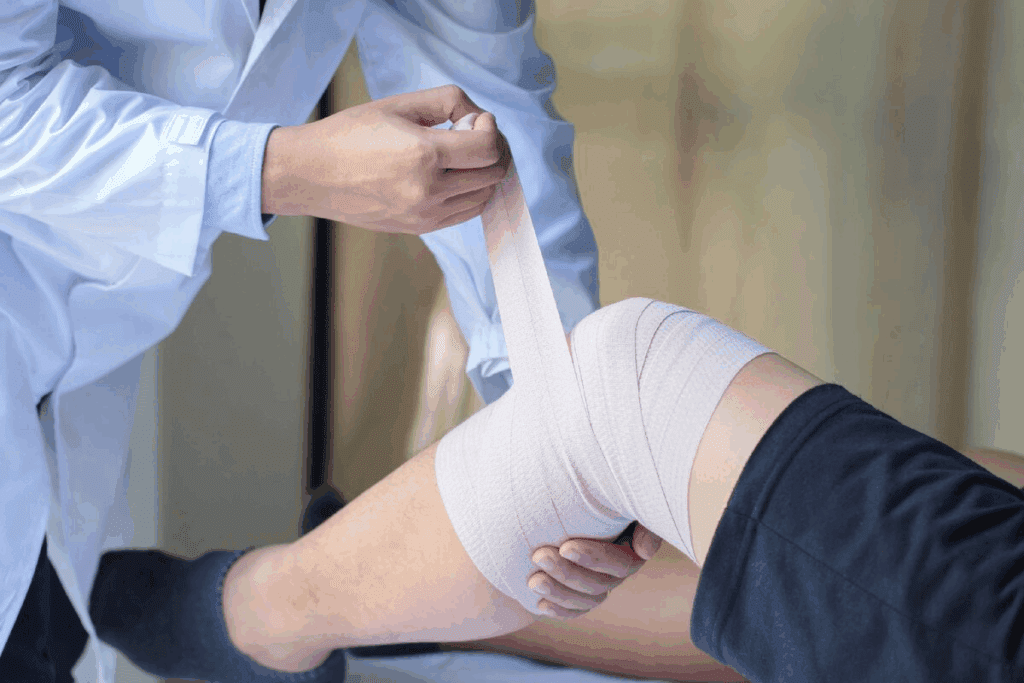
Knee pain can really get in the way of your day. It makes simple tasks hard and affects your mood. We get how tough it is.
Many people turn to knee wraps to ease the pain. But does it work for everyone? Let’s dive into how knee wraps help with pain relief and their impact on knee health.
Key Takeaways
- Understanding the causes of knee pain is key to finding relief.
- Knee wraps offer support and stability for injured knees.
- Always talk to a healthcare expert for advice tailored to you.
- Knee pain relief products differ, and what helps one might not help another.
- Getting a proper diagnosis is vital for treating knee pain right.
Understanding Knee Pain and When to Consider Wrapping
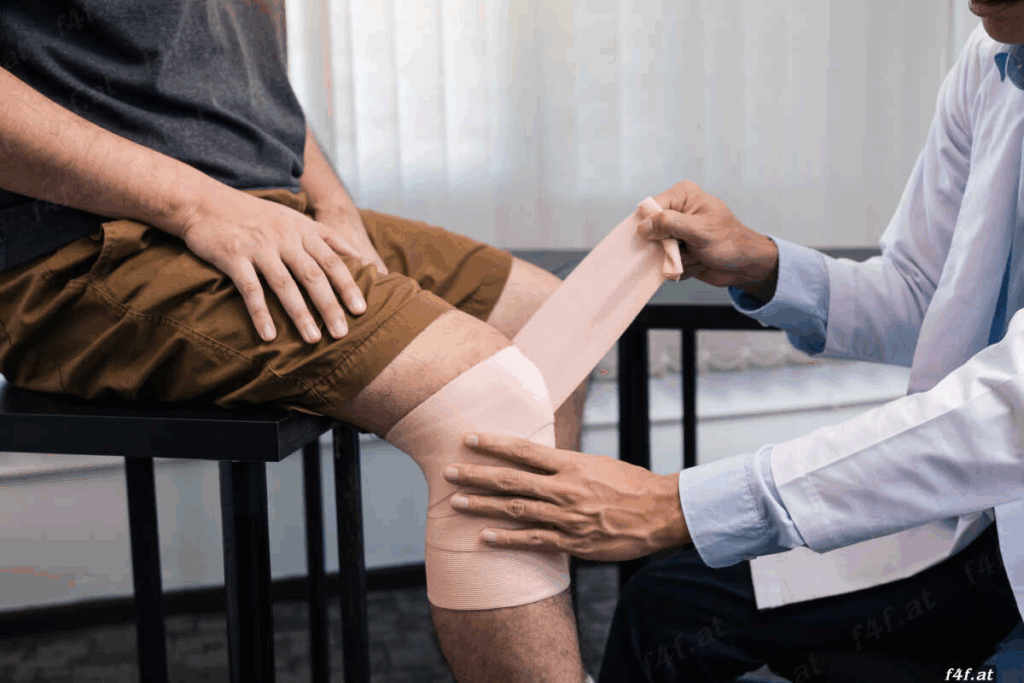
It’s important to know why you have knee pain to find the right relief. Knee pain can come from injuries, too much use, or health issues.
Common Causes of Knee Pain
Knee pain can be caused by several things. These include:
- Injuries like sprains, tears, and fractures.
- Overuse or repetitive strain injuries, common in athletes or those who kneel a lot.
- Medical conditions like osteoarthritis, rheumatoid arthritis, and tendinitis.
Finding out why you have knee pain helps choose the right treatment. This might include a knee pain relief wrap or knee support wrap.
| Cause | Description | Potential Relief |
| Injury | Ligament sprains or tears, meniscal tears, fractures | Knee injury wrap for support and stability |
| Overuse | Repetitive strain injuries | Knee support wrap for compression and relief |
| Medical Conditions | Osteoarthritis, rheumatoid arthritis, tendinitis | Knee pain relief wrap for managing pain and inflammation |
Signs That Indicate You Might Need Support
If you notice any of these signs, a knee support wrap might help:
- Persistent pain that doesn’t get better with rest.
- Swelling or inflammation around the knee.
- Instability or feeling like the knee is going to give way.
- Reduced range of motion or stiffness.
As a medical expert said, “A knee wrap can offer immediate support and relief for knee pain from different causes.”
“The right knee wrap can make a big difference in managing knee pain and improving your quality of life.”
The Science Behind Using a Wrap for Knee Pain

Knee pain management through wrapping is complex. It involves compression, support, and thermal regulation. Using a knee compression wrap helps by applying several scientific principles. These principles help reduce pain and improve knee function.
How Compression Affects Pain Receptors
Compression is key in managing pain. When we use a knee compression wrap, it applies pressure. This pressure can:
- Reduce inflammation by limiting fluid flow to the affected area
- Stimulate nerve endings, which can block pain signals to the brain
- Boost circulation, aiding in healing
Mechanical Support Principles
A knee brace for pain relief offers mechanical support. This support is vital for stabilizing the knee joint. It helps by:
- Lessening strain on knee ligaments and muscles
- Improving joint alignment, reducing abnormal stress on the knee
- Enhancing proprioception (awareness of body position and movement)
This support significantly reduces pain during movement and activity.
Temperature Regulation Benefits
Some knee wraps, like those made from neoprene, provide thermal insulation. This helps manage knee pain. The benefits include:
- Keeping warmth, which relaxes muscles around the knee
- Reducing stiffness by maintaining a stable temperature
Temperature regulation is very helpful for those with chronic knee pain.
Understanding these principles allows individuals to effectively choose the appropriate wrap for knee swelling or a knee brace for pain relief.
Benefits of Using Knee Support Wraps
Knee support wraps are key for those with knee pain. They offer support, stability, and compression. This is great for people with various knee problems.
Immediate Pain Reduction Effects
Knee support wraps can quickly reduce pain. They apply gentle pressure to help with arthritis or injuries. This pressure cuts down swelling and supports muscles and ligaments.
A study found that compression therapy reduces pain and swelling. This is good for runners and those with arthritis.
Stability During Movement and Activity
These wraps also keep the knee stable during activities. This is key for avoiding more injuries and helping recovery. They keep the knee in the right position and reduce harmful movements.
For athletes or those doing hard physical activities, a knee wrap is vital. It absorbs impact and lessens knee strain. This improves performance and lowers injury risk.
Prevention of Further Injury
Knee support wraps also prevent more injuries. They add support and stability, protecting the knee from extra strain. This is important during heavy lifting, bending, or sudden turns.
For those with chronic knee issues like arthritis, knee wraps are helpful. They manage symptoms and slow condition worsening. Using them as part of a treatment plan can greatly improve life quality.
In summary, knee support wraps offer many benefits. They reduce pain, provide stability, and prevent injuries. They are useful for anyone with knee pain or looking to improve performance and safety in physical activities.
When to Wrap Your Knee and When to Avoid It
Knowing when to wrap your knee is key for getting the most out of this support method. Wrapping your knee can offer the support and stability you need, mainly during activities that put a lot of strain on your knee.
Appropriate Scenarios for Knee Wrapping
Using a wrap around knee support or an adjustable knee wrap is really helpful in some cases. For example, if you’re into running or cycling, a knee wrap can give your knee joint extra support. It’s also great after an injury to keep your knee stable while it heals.
People with ongoing knee pain might find a knee wrap helps during everyday activities. It’s important to pick the right wrap for your needs. For example, a knee pain wrap for running is made for activities that are hard on your knees.
Situations Where Wrapping May Be Harmful
But, knee wrapping isn’t always good. If you have conditions like deep vein thrombosis or poor circulation, a knee wrap could make things worse by cutting off blood flow.
Also, using a knee wrap the wrong way, like wrapping it too tight, can cause skin problems or nerve damage. Always follow the instructions from the manufacturer and talk to a doctor if you’re not sure how to use a knee wrap.
In summary, knee wrapping can be a great way to manage knee pain and support your knee. But, it’s important to know when it’s right to use it and when it might not be good. By understanding these situations, you can make better choices for your knee health.
Types of Knee Wraps and Supports Available
There are many knee supports out there, from simple wraps to special straps. It can be hard to pick the right one. But knowing what you need can help you make the best choice.
Elastic Bandages and Basic Compression Wraps
Elastic bandages and basic wraps are popular for knee support. They fit snugly and can be adjusted for different levels of pressure. These are good for many knee problems, from small strains to after surgery.
- Easy to use and adjust
- Available in various widths and lengths
- Can be worn under clothing
Neoprene Knee Sleeves
Neoprene knee sleeves are durable and last longer than elastic bandages. They keep your knee warm and provide steady pressure. This is great for long-term knee pain or for athletes wanting to avoid injuries.
Key benefits include:
- Retains warmth to reduce stiffness
- Provides consistent compression
- Durable and long-lasting
Hinged and Unloading Braces
For serious knee problems or injuries, hinged and unloading braces are best. They offer extra support and protection by limiting movement and shifting pressure. This is good for severe ligament sprains, after surgery, or chronic instability.
They are useful for:
- Severe ligament sprains or tears
- Post-operative rehabilitation
- Chronic knee instability
Patellar Straps and Specialized Supports
Patellar straps target support for the kneecap, helping with pain from patellofemoral pain syndrome. Special supports are for specific issues, giving tailored relief and support.
Choosing a knee wrap or support depends on your knee’s needs, how much support you need, and what feels comfortable to you. Knowing about the different options helps you pick the best one for you.
How to Properly Wrap Your Knee for Pain Relief
To get the most out of a knee wrap, knowing the right way to wrap is key. Wrapping your knee can help with support and pain relief. But, doing it wrong can cause more harm than good.
Step-by-Step Wrapping Technique
Here’s a simple guide on how to wrap your knee right:
- Start by sitting comfortably with your knee straight.
- Hold the wrap in front of your knee. Place the starting end on the inside of your knee.
- Wrap the bandage around your knee in a figure-eight pattern. Make sure it’s snug but not too tight.
- Overlap the wrap by half its width as you keep wrapping.
- Secure the wrap with the fasteners. It should be comfortable and supportive.
Common Wrapping Mistakes to Avoid
Even with good intentions, mistakes can happen when wrapping your knee. Here are some common errors to steer clear of:
- Wrapping too tightly, which can cut off circulation.
- Wrapping too loosely, which can fail to provide adequate support.
- Not following a consistent pattern, which can lead to uneven pressure distribution.
To understand the effectiveness of different wrapping techniques, here’s a comparison table:
| Wrapping Technique | Support Level | Comfort Level |
| Figure-Eight | High | Medium |
| Circular | Medium | High |
| Spiral | Low | Low |
By following these guidelines and avoiding common mistakes, you can effectively use a knee compression wrap. It helps manage knee pain and supports your knee during recovery.
Best Knee Wraps for Different Types of Support
Knee wraps are not a one-size-fits-all solution. They come in various types to meet different needs. The right knee wrap can offer the support you need, ease pain, and improve mobility. We’ll look at the best knee wraps for different support types to help you choose wisely.
For Mild to Moderate Pain
If you have mild to moderate knee pain, a basic compression wrap or elastic knee sleeve might help. These wraps apply gentle pressure to reduce pain and swelling. Look for:
- Breathable materials
- Adjustable compression levels
- Ease of use
For Severe Pain and Instability
For severe pain and instability, you’ll need stronger knee supports. Hinged knee braces or unloading braces are recommended. They provide extra stability and support. They’re great for those with ligament injuries or needing extra support during recovery.
For Athletic Performance and Sports
Athletes and sports fans can benefit from knee wraps made for high-performance activities. These wraps are durable, sweat-resistant, and support without limiting movement. Popular choices include:
- Neoprene knee sleeves for warmth and compression
- Patellar straps for targeted support
- Lightweight, breathable knee wraps for long-lasting comfort
For Daily Wear and Long-Term Comfort
If you need knee support all day, comfort is key. Knee wraps for daily wear are soft and flexible, allowing full movement. Look for:
- Moisture-wicking fabrics
- Seamless construction for reduced irritation
- Adjustable straps for a customizable fit
Choosing the right knee wrap can help manage knee pain, improve stability, and enhance comfort. Whether you’re an athlete, have arthritis, or just need daily support, there’s a knee wrap for you.
Specialized Knee Wraps for Specific Conditions
Specialized knee wraps are made for specific knee issues. They offer targeted support and pain relief. These wraps are tailored to meet the unique needs of individuals with various knee-related problems.
Knee Wrap for Arthritis Sufferers
Knee wraps can help those with arthritis by providing warmth and compression. They are designed to manage pain and stiffness. This improves mobility and quality of life. When choosing a knee pain relief product, arthritis sufferers should look for a comfortable fit and adequate support.
Knee Wrap for Runners and Athletes
Runners and athletes need knee wraps for extra support during activities. These wraps offer stability and protection, preventing injuries and reducing knee strain. A good knee support wrap for athletes should be durable, breathable, and withstand rigorous use.
Knee Injury Wrap for Recovery Phases
The right wrap can greatly aid in knee injury recovery. These wraps support and protect the injured area, helping it heal. A wrap for knee swelling and inflammation is useful, as it reduces swelling and promotes recovery.
Wrap for Knee Swelling and Inflammation
Knee swelling and inflammation can be hard to manage. The right wrap can offer relief. Wraps for this purpose are made to provide compression and reduce swelling. Using a compression wrap can help reduce pain and inflammation, making it easier to move and perform daily tasks.
Knee Compression Wrap: Mechanisms and Effectiveness
Knee compression wraps work by applying pressure that helps reduce swelling and improve blood flow. This is called graduated compression.
Compression therapy affects the body in many ways. It can help lessen pain and swelling by applying gentle pressure.
The Science Behind Compression Therapy
Compression therapy applies pressure to the affected area. This can help in several ways:
- Reduces swelling by preventing fluid accumulation
- Improves circulation, promoting the removal of waste products
- Provides support to the knee joint, making it more stable
Benefits of Compression Therapy:
| Benefit | Description |
| Reduced Swelling | Compression prevents fluid buildup, reducing knee swelling. |
| Improved Circulation | Graduated compression boosts blood flow, helping remove waste. |
| Enhanced Stability | The wrap adds support to the knee, improving stability during movement. |
Choosing the Right Compression Level
Choosing the right compression level is key for a knee compression wrap to work well. Compression levels range from mild to strong.
Mild compression is good for preventive care or mild swelling. Moderate compression helps with moderate pain and swelling. Strong compression is for severe cases or as a doctor advises.
When picking a knee compression wrap, think about the compression level, material, and size. This ensures a good fit and comfort.
How to Choose the Right Wrap for Knee Pain
Finding the perfect knee wrap starts with knowing what you need. Knee pain can come from many sources. The right wrap can offer the right relief.
Factors to Consider When Selecting a Knee Support
When picking a knee wrap, think about a few things. You need to decide how much support you want. Also, think about what activities you’ll do while wearing it. And don’t forget about any health conditions you have.
- Level of Support: Decide if you need a little, some, or a lot of support. This depends on how bad your pain is.
- Activity Level: If you’re very active, you’ll need a wrap that’s strong and can handle your activities.
- Specific Conditions: If you have arthritis or tendonitis, you might need a special wrap.
A study in the Journal of Orthopaedic & Sports Physical Therapy found that the right compression can help a lot. It can reduce pain and improve how well you can move.
“The application of compression garments can enhance proprioception and reduce pain in individuals with knee injuries.”
Measuring for the Perfect Fit
To make sure the knee wrap fits right, you need to measure your knee correctly.
| Measurement | Guideline |
| Circumference around the knee | Measure around the center of the knee, about 1 inch above the kneecap. |
| Length of the knee | Measure from mid-thigh to mid-calf. This makes sure the wrap is the right length. |
An adjustable knee wrap is great because it lets you customize the fit.
By thinking about these things and making sure it fits right, you can find the best knee wrap for your pain.
Combining Knee Wraps with Other Pain Relief Methods
Managing knee pain often needs a mix of methods. Using knee wraps along with other treatments can help. This way, people can manage pain better and move their knees more easily.
Complementary Treatments for Knee Pain
Using a knee support wrap is just the start. Other treatments can also help a lot. These include:
- Physical therapy to strengthen the muscles around the knee
- Medications such as NSAIDs to reduce inflammation and pain
- Injections like corticosteroids or hyaluronic acid for additional relief
- Alternative therapies including acupuncture and massage
The American Academy of Orthopaedic Surgeons says a full treatment plan can really help. It can make a big difference for people with knee pain.”1
“The use of knee wraps in conjunction with other pain relief methods can provide substantial relief for individuals suffering from knee pain.”
Creating a Comprehensive Pain Management Plan
Creating a good pain management plan is key. It should fit the person’s needs, lifestyle, and what they like. This might mean:
- Talking to doctors to find the best knee injury wrap and other treatments
- Looking at how bad the knee pain is and how it affects daily life
- Trying out different knee pain relief products to see what works best
By looking at the whole picture, people can handle their knee pain better. This improves their life a lot.
Using a knee support wrap with other pain relief methods can work really well. It’s about finding the right mix and sticking to it.
When to Consult a Doctor About Your Knee Pain
Knee pain relief wraps and braces can help for a while. But, if the pain keeps coming back, you need to see a doctor. It’s important to know when to get medical help.
Warning Signs That Require Medical Attention
Some symptoms with knee pain mean you should see a doctor. These include:
- Severe pain that doesn’t get better with rest or gets worse
- Swelling, redness, or warmth around the knee
- Instability or feeling like the knee is unstable
- Deformity or misalignment of the knee
- Fever, with other signs of infection
Get medical help right away if pain starts suddenly, after a fall, or if walking is hard.
What to Expect During a Professional Evaluation
When you see a doctor for knee pain, expect a full check-up. This usually includes:
- Talking about your medical history to understand your pain
- A physical exam to check the knee’s stability and movement
- Imaging tests like X-rays or MRI to find the cause
As one doctor said,
“A detailed check-up is essential for a good treatment plan for knee pain.”
Your doctor might suggest a wrap around knee support or a knee brace for pain relief. Knowing how to use these can help your recovery.
By getting medical help when needed and using the right knee support, you can manage your pain. This helps you live a healthier, more active life.
Conclusion
Knowing when to wrap your knee and picking the right wrap is key for knee pain relief. We’ve looked at why knee pain happens, how wraps work, and the types available. This includes products for knee pain and the best wraps for support.
Choosing the right wrap can help reduce pain, improve stability, and prevent injuries. It’s also important to use wraps with other pain relief methods. And, knowing when to see a doctor about knee pain is vital.
We help people use knee wraps to ease pain. Our goal is to help individuals manage their knee health and enhance their life quality.
FAQ
What is the best type of knee wrap for knee pain relief?
The best knee wrap depends on your pain level. For mild to moderate pain, try an elastic bandage or neoprene sleeve. For severe pain or instability, a hinged or unloading brace might work better.
How do I know if I should wrap my knee or seek medical attention?
If your knee hurts a lot, swells, or feels unstable, see a doctor. But for mild to moderate pain, a knee wrap might help. Always check with a healthcare professional if you’re not sure.
Can I wear a knee wrap during exercise or sports?
Yes, you can wear a knee wrap during sports. Look for ones made for athletes, like neoprene sleeves or patellar straps.
How tight should I wrap my knee?
Wrap your knee snugly but not too tight. You should be able to fit two fingers under it. If it feels too tight or causes pain, loosen it.
Can I use a knee wrap for swelling and inflammation?
Yes, knee wraps can help with swelling and inflammation. Choose ones with compression, like elastic bandages or sleeves.
Are there specialized knee wraps for specific conditions like arthritis?
Yes, there are knee wraps for conditions like arthritis or for athletes. They often have special features, like heat retention or targeted compression.
How do I choose the right compression level for my knee wrap?
Choose compression based on your pain and swelling. Mild for mild pain, moderate to firm for more severe. A healthcare professional can guide you.
Can I combine a knee wrap with other pain relief methods?
Yes, using a knee wrap with other methods can help manage pain. Talk to a healthcare professional to create a plan that works for you.
How do I measure for the perfect fit for my knee wrap?
Wrap a flexible tape around your knee, just above the kneecap. Note the circumference and match it to the manufacturer’s size chart.
Are adjustable knee wraps more effective than fixed-size wraps?
Adjustable wraps might be more effective. They offer a customizable fit, which can provide better support and compression.
Reference:
- van der Esch, M., van der Leeden, M., Roorda, L. D., Rohe, J., de Mutsert, R., Lis, M., … Dekker, J. (2017). Effect of soft braces on pain and physical function in patients with knee osteoarthritis: Systematic review with meta‑analyses. Retrieved fromhttps://pubmed.ncbi.nlm.nih.gov/28687317/



 Departments
 Related Videos
 Our Doctors
 News
News