
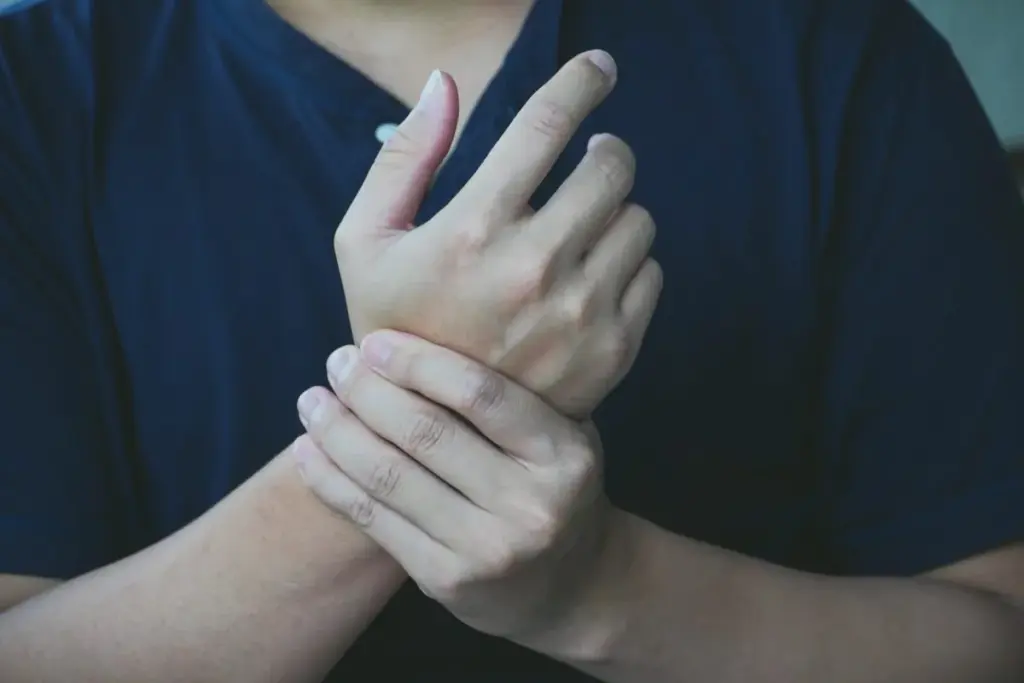
Orthopedic surgeries, including those for wrist conditions, have changed a lot. Now, they focus more on being less invasive. A big worry for patients is how big the cut will be.
The size of the cut can affect how long it takes to get better, how much scarring there is, and the success of the surgery. Different surgeries need different cut sizes. Knowing this helps patients make better choices.
Key Takeaways
- The size of the incision for orthopedic procedures varies based on the type of surgery.
- Minimally invasive procedures typically require smaller incisions.
- Understanding incision sizes can help patients prepare for surgery and recovery.
- Orthopedic surgeons often use techniques to minimize scarring.
- Recovery time can be influenced by the size of the incision.
The Basics of Wrist Surgery
Knowing the basics of wrist surgery is key for those looking into treatments for wrist problems. This surgery covers many procedures for various wrist conditions.
Common Conditions Requiring Surgical Intervention
Many wrist issues need surgery, like carpal tunnel syndrome, ganglion cysts, and wrist fractures. These problems can cause a lot of pain and make it hard to move your wrist. Surgery is often needed to fix these issues.
Carpal tunnel syndrome involves freeing the median nerve to ease pressure. Ganglion cysts are harmless lumps near joints or tendons. They might need to be removed if they hurt or limit movement.
The Significance of Incision Size in Outcomes
The size of the incision in wrist surgery greatly affects the results. Smaller cuts, often used in minimally invasive techniques, cause less damage. They also lead to less scarring and faster healing.
Doctors look at several things to decide on the incision size. These include the condition being treated, the patient’s health, and the surgery method. The aim is to get the best results with the least disruption to the wrist.
By grasping these basics, patients can see how complex wrist pain treatment is. They understand why seeing a skilled surgeon is important for choosing the right treatment.
Types of Wrist Surgery Procedures

There are many types of wrist surgery, each for different needs. The right procedure depends on the condition, its severity, and the patient’s health.
Open vs. Minimally Invasive Approaches
Wrist surgeries are mainly open or minimally invasive. Open surgery uses a big cut for a clear view and access. It’s for complex cases or when the full extent is unknown.
Minimally invasive surgery uses small cuts, causing less damage and quicker healing. It includes arthroscopy and endoscopy, using cameras and tools to avoid much tissue harm.
|
Surgical Approach |
Description |
Typical Use |
|---|---|---|
|
Open Surgery |
Larger incision for direct access |
Complex conditions, severe injuries |
|
Minimally Invasive Surgery |
Smaller incisions, less tissue damage |
Less severe conditions, diagnostic purposes |
Arthroscopic Techniques
Arthroscopic techniques use a small camera and tools through tiny cuts. It’s great for looking at and fixing the wrist’s inside without a big cut. It’s good for ligament tears, cartilage damage, and wrist impingement.
Endoscopic Procedures
Endoscopic procedures are like arthroscopy but for specific issues like carpal tunnel. It uses a thin tube with a camera and tools for a small cut. This way, it can release the nerve with little harm.
Choosing between these methods depends on the patient’s condition, the surgeon’s skill, and the procedure’s needs. Knowing the differences helps patients make better choices for their care.
Typical Incision Sizes for Common Wrist Surgeries

Knowing the typical incision sizes for common wrist surgeries can ease worries for those preparing for surgery. The size of the incision is key to the surgery’s success and how long it takes to recover.
Carpal Tunnel Release Surgery
Carpal tunnel release surgery helps relieve pressure on the median nerve. The incision size can vary, but it’s usually between 2 to 3 inches (5 to 7.5 cm) for open release. Smaller incisions, sometimes just 0.5 inches (1.3 cm), are used for minimally invasive methods.
“The goal of carpal tunnel release surgery is to relieve pressure on the median nerve by cutting the ligament that forms the roof of the tunnel.” –
Ganglion Cyst Removal
Ganglion cyst removal surgery involves removing a cyst on the wrist. The incision size for this surgery is generally smaller, about 1 to 2 inches (2.5 to 5 cm). The exact size depends on the cyst’s size and location.
Trigger Finger Release
Trigger finger release surgery is done to fix a finger that catches or locks. The incision for this procedure is usually small, around 0.5 to 1 inch (1.3 to 2.5 cm). It can often be done under local anesthesia.
|
Surgery Type |
Typical Incision Size |
|---|---|
|
Carpal Tunnel Release |
2-3 inches (5-7.5 cm) |
|
Ganglion Cyst Removal |
1-2 inches (2.5-5 cm) |
|
Trigger Finger Release |
0.5-1 inch (1.3-2.5 cm) |
These sizes are general estimates. The actual size may change based on the surgeon’s method, the patient’s body, and the surgery’s needs. Knowing these details helps patients prepare better for their surgery and recovery.
Bone Spur Removal in the Wrist
Understanding bone spur removal in the wrist is key for those with wrist pain. Bone spurs, or osteophytes, are abnormal bone growths. They can cause discomfort and limit mobility in the wrist joint.
Identifying Bone Spurs in Wrist and Hand
To spot bone spurs in the wrist, a physical exam and imaging tests are used. Signs that might show a bone spur include:
- Pain or tenderness in the wrist
- Swelling or redness around the wrist joint
- Limited range of motion
- A grinding or crunching sensation when moving the wrist
X-rays, MRI, or CT scans can confirm if bone spurs are present.
Causes and Symptoms of Wrist Osteophytes
Wrist osteophytes often come from joint wear and tear, or osteoarthritis. Other reasons include:
- Trauma or injury to the wrist
- Repetitive strain or overuse
- Inflammatory arthritis
Symptoms can include pain during movement, stiffness, and sometimes a visible deformity.
Surgical Approaches and Incision Sizes
The surgery for bone spur removal depends on the spur’s size and location. Arthroscopic surgery is often used, making incisions smaller and recovery faster. Incision sizes can range from a few millimeters for arthroscopic to several centimeters for open surgery.
When choosing a surgical approach, consider:
- The size and location of the bone spur
- The patient’s overall health and preferences
- The surgeon’s experience and recommendation
Talking to a healthcare provider can help pick the best surgical method.
Wrist Fracture Surgery Incisions
When a wrist fracture happens, several things decide if surgery is needed. These include how bad the break is, the patient’s health, and the fracture’s details.
When Does a Broken Wrist Require Surgery?
Not every wrist fracture needs surgery. But, surgery is key for fractures that are badly broken, have many pieces, or affect the joint. The main goal of wrist fracture surgery is to fix the wrist’s shape. This helps it heal right and lowers the chance of problems.
- Fractures with significant displacement or angulation
- Comminuted fractures where the bone is broken into multiple pieces
- Fractures involving the joint surface
- Open fractures where the bone pierces the skin
Plate and Screw Fixation Techniques
Plate and screw fixation is a common way to fix wrist fractures in wrist fracture surgery. It uses a plate and screws to hold the bone pieces together. This helps the bone heal in the right place.
Plate and screw fixation has many benefits:
- It allows for moving the wrist early
- It fixes the fracture in the right shape
- It lowers the risk of the bone not healing right
External Fixation Methods
For some fractures, external fixation is used. This method uses pins or wires outside the skin to hold the fracture in place. It’s often used for complex or open fractures.
External fixation is good for:
- Temporary fix before more surgery
- Handling soft tissue injuries with the fracture
- Complex fractures where it’s hard to fix inside
It’s important for patients to know about the different ways to fix fractures. Talking to their doctor about surgical fixation helps them understand what to expect from wrist fracture surgery.
Wrist Ligament and Tendon Repair Procedures
Fixing wrist ligaments and tendons is key to getting your hand working right again and easing pain. The wrist is a complex joint. It has many ligaments and tendons that work together. They help us move and keep the wrist stable.
Surgical Approaches for Ligament Tears
Ligament tears in the wrist can happen from accidents or overuse. This can cause instability and pain. The surgery needed depends on how bad the tear is and where it is.
Direct Repair: For fresh ligament tears, doctors might be able to stitch the torn parts together.
Reconstruction: If the tear is old or very bad, a graft might be needed. This graft acts as a replacement for the damaged ligament.
Tendon Repair Techniques and Incisions
Tendon injuries in the wrist, like ruptures, need surgery to fix. The method used depends on where the tendon is and how bad the injury is.
- Tendon Suturing: This is when the tendon ends are sewn together.
- Tendon Grafting: For bigger tendon gaps, a graft is used to fill the space.
|
Tendon Repair Technique |
Incision Size |
Recovery Time |
|---|---|---|
|
Tendon Suturing |
1-2 cm |
6-8 weeks |
|
Tendon Grafting |
2-3 cm |
8-12 weeks |
Minimally Invasive Options
New, less invasive surgeries are being used for wrist repairs. These methods aim to cause less damage and help you heal faster.
Arthroscopic-Assisted Repair: This method uses a camera to see the injury. It’s done through small cuts, which helps in healing.
Endoscopic Techniques: Endoscopy lets doctors look at and fix injuries through tiny cuts. This might make recovery quicker.
Wrist Arthroscopy: The Minimally Invasive Approach
Wrist arthroscopy is a big step forward in treating wrist injuries and conditions. It’s a minimally invasive surgical technique. This method uses smaller cuts than traditional surgery to diagnose and treat problems.
Portal Placement and Incision Size
In wrist arthroscopy, portal placement is key. Surgeons make small portals, usually 1-5 mm, for the arthroscope and tools. The exact spot for these portals depends on the patient’s wrist and the condition being treated.
The small cuts mean less damage to tissue. This leads to less pain after surgery and quicker healing. The incision size can change based on the procedure’s complexity and the tools used.
Conditions Effectively Treated with Arthroscopy
Wrist arthroscopy can handle many conditions, including:
- TFCC (Triangular Fibrocartilage Complex) tears
- Wrist ligament injuries
- Cartilage damage
- Synovitis
- Loose bodies within the wrist joint
Surgeons use wrist arthroscopy to diagnose and treat these issues with minimally invasive techniques. This often means faster recovery and less scarring.
Wrist arthroscopy is a modern surgical method. It offers patients a less invasive option compared to traditional surgery.
Wrist Reconstruction and Fusion Surgery
The goal of wrist reconstruction and fusion surgery is to ease pain and boost wrist function. This is for people with severe wrist damage or conditions.
Wrist reconstruction uses different surgical methods to fix wrist function. Wrist fusion is a key part of this. Partial wrist fusion fuses only the damaged parts, keeping some motion. Complete wrist fusion fuses the whole wrist, making it stable but stiff.
Partial vs. Complete Wrist Fusion Incisions
Choosing between partial and complete fusion depends on the damage. For partial fusion, smaller incisions are used. The size of these incisions can vary but is smaller than for complete fusion.
Complete wrist fusion needs a bigger incision to fuse the whole joint. The size of this incision can be 3 to 5 inches, based on the case and surgeon’s method.
Joint Replacement Surgical Approaches
Wrist reconstruction also includes joint replacement surgery. This replaces a damaged or arthritic joint with an artificial one. The approach can vary, with some surgeons choosing open surgery and others minimally invasive methods.
The size of the incision for joint replacement depends on the method. Minimally invasive procedures use smaller incisions, about 1 to 2 inches. Traditional open surgery may need larger incisions.
In summary, wrist reconstruction and fusion surgery are complex. They require careful thought about the surgical approach and technique. Knowing the differences between partial and complete fusion, and joint replacement options, is key for making informed decisions about wrist surgery.
Factors That Influence Wrist Surgery Incision Size
Wrist surgery incision size varies from person to person. Knowing what affects it can help patients get ready for surgery. It also helps them understand what to expect about scars and recovery.
Patient-Specific Considerations
Several things can change how big an incision needs to be. These include:
- Anatomical variations: Everyone’s wrist is different. This can change where and how big incisions are.
- The severity of the condition: More serious problems might need bigger cuts. This lets doctors see and treat everything better.
- Presence of scar tissue: Old scars or surgeries can make new surgeries harder. This might make incisions bigger.
Surgeon Experience and Preferred Techniques
The surgeon’s skills and methods also matter a lot. Experienced surgeons often pick certain ways to do things. This is based on what works best for them and their patients.
- Minimally invasive vs. open surgery: Doctors might choose smaller cuts if they can. This is because they’re less invasive.
- Specialization: Wrist surgery experts might use special methods. These methods can make incisions smaller while treating the problem well.
Available Technology and Equipment
New medical tools have changed wrist surgery a lot. They let doctors do more with smaller cuts.
- Arthroscopic equipment: High-definition arthroscopy lets doctors see inside the wrist clearly. They can do this through tiny openings.
- Surgical instrumentation: There are special tools for wrist surgery. These tools help doctors do precise work through small cuts.
- Imaging technologies: Tools that show what’s happening inside the body during surgery help doctors. This means they can do their best work with less harm to the tissue.
By thinking about these things, doctors can make surgery fit each patient’s needs. This makes the surgery better and happier for everyone.
Preparing for Your Wrist Surgery
Before your wrist surgery, it’s key to know what to expect. Proper preparation can greatly affect your surgery’s success and your recovery.
Pre-Surgical Consultations and Planning
Pre-surgical consultations are vital. Your surgeon will check your condition, talk about the surgery, and share what you can expect. This is your chance to ask about the procedure, like incision size and location.
Key aspects to discuss during pre-surgical consultations include:
- The type of anesthesia to be used
- The surgical technique and expected incision size
- Post-operative care and rehabilitation plans
- Potential risks and complications
Important Questions About Incisions and Scarring
Scarring after surgery is a common worry. Knowing what affects scarring can help you prepare. Ask your surgeon about:
- Where the incisions will be
- How big the incisions will be
- Ways to reduce scarring
- How the incisions will be closed and what sutures will be used
Also, talk about any scarring concerns and what you can do after surgery to lessen its look.
To understand incision size and scarring better, look at this table:
|
Factor |
Influence on Incision Size/Scarring |
|---|---|
|
Surgical Technique |
Minimally invasive techniques often result in smaller incisions and less scarring. |
|
Surgeon’s Experience |
More experienced surgeons may be able to minimize incision size and optimize scarring outcomes. |
|
Post-operative Care |
Proper wound care can significantly impact the appearance of scars. |
Recovery and Healing After Wrist Surgery
The journey to full recovery after wrist surgery starts right after the surgery. It focuses on healing and getting back to normal. Knowing the recovery process helps manage expectations and get the best results.
Typical Healing Timeline for Different Incision Types
The healing time after wrist surgery varies based on the incision type. Minimally invasive surgeries usually have shorter recovery times than open surgeries. For example, arthroscopic procedures take a few weeks to recover from. On the other hand, more complex surgeries like wrist reconstruction can take several months.
It’s key for patients to follow their surgeon’s advice closely. This includes going to follow-up appointments, doing recommended exercises, and avoiding hard activities early on.
Scar Management Techniques
Managing scars is a big part of recovery. Using massage therapy, topical silicone gel or sheeting, and protecting from the sun can help reduce scar appearance. Patients are usually told to start scar massage a few weeks post-surgery, when the wound is healed enough.
- Massage therapy to improve tissue mobility and reduce scar tissue formation
- Topical silicone gel or sheeting to flatten and soften the scar
- Sun protection to prevent the scar from becoming darker or more noticeable
Signs of Normal vs. Problematic Healing
It’s important to know the difference between normal and problematic healing. Normal healing means symptoms get better, swelling goes down, and there’s no signs of infection like redness, increased pain, or pus.
|
Normal Healing Signs |
Problematic Healing Signs |
|---|---|
|
Gradual reduction in pain and swelling |
Increasing pain or swelling |
|
Improved range of motion |
Redness, warmth, or pus around the incision site |
|
Absence of infection signs |
Fever or chills |
Patients should watch their recovery closely. If they see signs of problematic healing, they should get medical help right away.
Risks and Complications Related to Wrist Surgery Incisions
It’s important for patients to know about the risks of wrist surgery incisions. While surgery can help with many wrist problems, it’s not without its dangers.
Infection Risks and Prevention
Infection is a risk with any surgery, including wrist surgery. To lower this risk, it’s key to take good care of the wound and follow the doctor’s advice after surgery.
Prevention Measures:
- Keep the surgical area clean and dry
- Follow the doctor’s post-op care instructions
- Go to all follow-up appointments
Nerve Damage Considerations
Nerve damage is a possible side effect of wrist surgery. This risk is higher when the surgery is near complex nerve areas.
Nerve damage can result in:
- Numbness or tingling
- Loss of motor function
- Pain or discomfort
Long-term Cosmetic Outcomes
The look of your wrist after surgery is a big concern for many. The size and where the incisions are made can affect how visible scars are.
|
Factor |
Impact on Cosmetic Outcome |
|---|---|
|
Incision Size |
Smaller incisions usually mean less noticeable scars. |
|
Incision Placement |
Scars are less noticeable if the incisions are in less seen areas. |
|
Surgical Technique |
Less invasive methods often lead to fewer scars. |
Knowing these factors helps patients understand the risks of wrist surgery incisions. This knowledge can help them make better choices about their treatment.
The Cost and Success Rates of Different Wrist Surgery Approaches
When thinking about wrist surgery, it’s important to know the costs and success rates of different methods. The price and how well a surgery works can change a lot. This depends on the surgery type, the doctor’s skill, and the health issue being treated.
Financial Considerations for Various Procedures
The price of wrist surgery can vary a lot. For example, a simple carpal tunnel release surgery might cost between $2,000 to $5,000. But, more complex surgeries like wrist reconstruction or fusion can cost $10,000 to $20,000 or more.
|
Procedure |
Average Cost |
Success Rate |
|---|---|---|
|
Carpal Tunnel Release |
$2,000 – $5,000 |
85% – 90% |
|
Wrist Arthroscopy |
$3,000 – $7,000 |
80% – 95% |
|
Wrist Reconstruction/Fusion |
$10,000 – $20,000 |
70% – 85% |
Success Rates Based on Incision Type and Technique
The success of wrist surgery isn’t just about the cost. The surgery method and incision type are also key. Minimally invasive surgeries, like arthroscopy, often have better results. This is because they cause less damage and lead to faster recovery.
Open surgery, needed for some complex cases, might have a longer recovery and more risks.
Success Rates Comparison: Research shows that less invasive surgeries usually work better. For example, wrist arthroscopy has a success rate of 80% to 95%. But, complex reconstructions might only have a 70% to 85% success rate.
Knowing these details helps patients make better choices. They can understand what to expect in terms of results and costs.
Advances in Modern Wrist Surgery Techniques
Wrist surgery has seen big changes, thanks to new surgical methods. Now, we have moved from old open surgery to new, less invasive ways. These changes have made care better, recovery times shorter, and results more positive.
Evolution of Surgical Approaches
The way we do wrist surgery has changed a lot. At first, surgeries needed big cuts. But now, thanks to new tech and understanding of the wrist, we use smaller cuts.
Some big steps forward include:
- Arthroscopic surgery, which uses small cuts for better results.
- Endoscopic methods, giving a clear view inside with little damage.
- Microsurgery, for fixing tiny tissues with great care.
These new methods make surgeries work better, cut down on risks, and help patients heal faster.
“The shift towards minimally invasive procedures has been a game-changer in wrist surgery, making it less painful and quicker to recover.” – An Orthopedic Surgeon
Future Trends in Minimally Invasive Procedures
Wrist surgery’s future looks bright with more new, small ways to operate. We’re seeing:
- Robotic surgery, for more precise and controlled operations.
- New imaging tech, for clearer views during surgery.
- Creation of new tools and materials for these surgeries.
|
Technique |
Benefits |
Future Developments |
|---|---|---|
|
Arthroscopy |
Less invasive, quicker recovery |
Improved instrumentation |
|
Endoscopy |
High precision, minimal scarring |
Enhanced imaging capabilities |
|
Microsurgery |
Delicate tissue repair, reduced trauma |
Advances in microsurgical tools |
As these new ideas keep coming, patients will see even better results from wrist surgery. They’ll feel less pain and get back to their lives sooner.
Conclusion
Wrist surgery includes many procedures, like carpal tunnel release and complex reconstructions. The size and type of incision greatly affect the outcome and recovery. Minimally invasive methods, such as arthroscopy, are popular for their smaller incisions and quicker recovery.
The choice of surgery depends on several factors. These include the condition, patient needs, and the surgeon’s experience. Knowing these helps manage expectations and achieve the best results. By understanding the different approaches and their effects on recovery, patients can make better choices.
Wrist surgery needs careful planning and execution for the best results. By summarizing the main points, patients can understand what to expect during recovery. Using effective recovery strategies and managing scars can also lead to a successful outcome.
FAQ
What is the average size of an incision for wrist surgery?
The size of an incision for wrist surgery can vary. It depends on the type of procedure. Some surgeries might need just a few millimeters, while others might need several centimeters.
How big is the incision for carpal tunnel release surgery?
For carpal tunnel release surgery, the incision is usually 2-3 cm. But, endoscopic techniques can make it even smaller.
What are the typical incision sizes for wrist fracture surgery?
The size of the incision for wrist fracture surgery can differ. Plate and screw fixation might need incisions of 5-10 cm. On the other hand, external fixation might require smaller cuts.
How does the incision size differ between open and minimally invasive wrist surgery?
Open wrist surgery often needs larger incisions, up to 10 cm or more. But, minimally invasive procedures can use incisions as small as a few millimeters.
Are there any risks associated with larger incisions in wrist surgery?
Yes, larger incisions can lead to higher risks. These include infection, nerve damage, and longer recovery times. But, they might be needed for more complex surgeries.
Can wrist arthroscopy be used for all types of wrist conditions?
Wrist arthroscopy is good for treating some conditions, like ligament tears and cartilage damage. But, it might not work for more complex or severe issues.
How long does it take to recover from wrist surgery?
Recovery times vary. Minimally invasive surgeries usually require less time to heal than open surgeries.
What are the benefits of minimally invasive wrist surgery?
Minimally invasive wrist surgery has several benefits. It uses smaller incisions, causes less tissue damage, and allows for quicker recovery times.
Can bone spurs in the wrist be treated with minimally invasive surgery?
Yes, bone spurs in the wrist can be treated with minimally invasive surgery. Techniques like arthroscopy use small incisions.
What is the success rate of wrist surgery?
The success rate of wrist surgery depends on the procedure and the condition being treated. Many procedures have high success rates.
How much does wrist surgery cost?
The cost of wrist surgery varies a lot. It depends on the procedure, the surgeon’s fees, and other costs like hospital fees and insurance coverage.
Are there any long-term cosmetic concerns after wrist surgery?
Some scarring is unavoidable after wrist surgery. But, many techniques aim to minimize visible scarring. Scar management can also help reduce scars’ appearance.
Can wrist surgery be performed on an outpatient basis?
Yes, many wrist surgeries can be done on an outpatient basis. This means patients can go home the same day.
What are the signs of normal versus problematic healing after wrist surgery?
Normal healing shows gradual improvement. But, signs of problematic healing include increased pain, swelling, or infection.
References
National Center for Biotechnology Information. Evidence-Based Medical Insight. Retrieved from https://pmc.ncbi.nlm.nih.gov/articles/PMC10743621/



 Departments
 Related Videos
 Our Doctors
 News
News