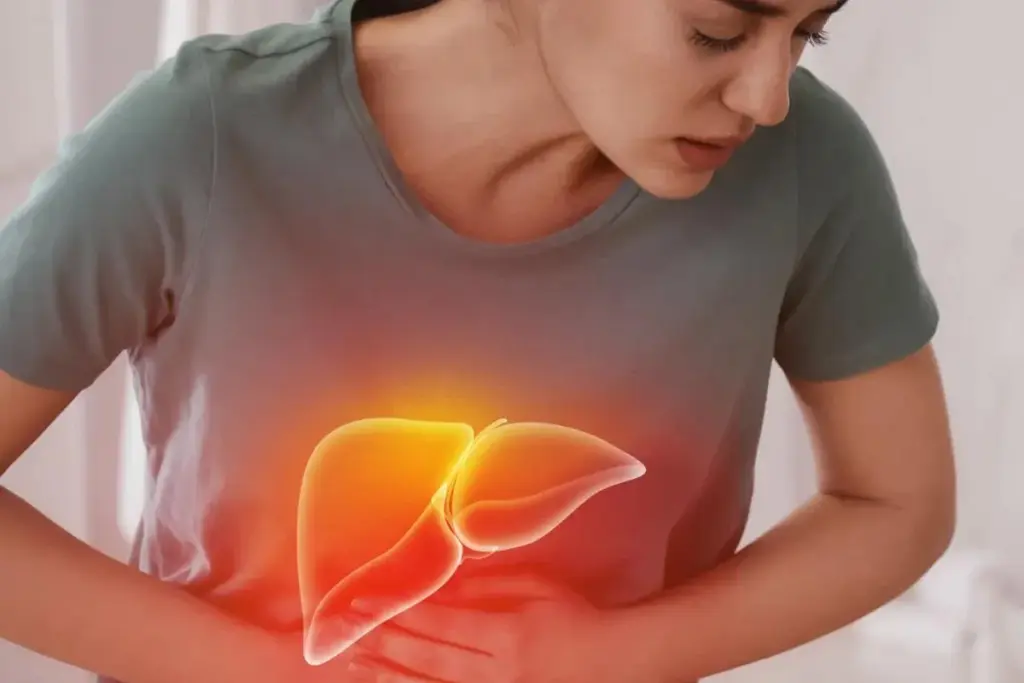
Getting a diagnosis of advanced liver cancer can be scary. Our team is dedicated to giving you the best care. Yttrium-90 (Y-90) radioembolization is a key treatment for advanced liver cancer that can’t be removed. Discover the vital power of y90 treatment in palliative care. Learn how this amazing procedure stops pain and improves daily life.
Key Takeaways
- Y-90 radioembolization is mainly used as a palliative treatment for advanced liver cancer.
- It’s a selective internal radiation therapy that targets cancer cells but spares healthy tissue.
- Y-90 therapy has been shown to improve patient outcomes and quality of life.
- Careful patient selection is required for Y-90 treatment.
- Y-90 radioembolization is a valuable palliative care option for patients with inoperable tumors.
What is Yttrium-90 (Y-90) Radioembolization?
Y-90 radioembolization, also known as transarterial radioembolization (TARE), is a medical procedure for liver tumors. It uses radiation and embolization to treat cancer. This method is precise and effective for liver cancer patients.
Definition and Basic Principles
Y-90 radioembolization sends tiny radioactive microspheres to liver tumors through the hepatic arteries. This method targets the tumor with high doses of radiation while protecting healthy tissue. Liver tumors get their blood from the hepatic arteries, but healthy liver also gets blood from the portal vein.
The microspheres in Y-90 radioembolization are made of yttrium-90. They emit beta radiation and have a 64.2-hour half-life. Once in the tumor, they deliver radiation to cancer cells. This therapy shrinks tumors, relieves symptoms, and improves life quality for those with advanced liver cancer.
|
Key Components |
Description |
|---|---|
|
Radioactive Microspheres |
Made of yttrium-90, these tiny beads deliver radiation directly to the tumor site. |
|
Hepatic Arteries |
The primary blood supply to liver tumors, used for delivering the microspheres. |
|
Localized Radiation |
High doses of radiation are delivered directly to the tumor, minimizing damage to healthy tissue. |
Transarterial Radioembolization (TARE) Explained
Transarterial radioembolization (TARE) is a type of Y-90 radioembolization. It uses a catheter to access the hepatic arteries through the femoral artery. This procedure delivers radioactive microspheres precisely to the tumor. TARE targets tumors effectively, even when they can’t be removed surgically.
“Radioembolization with Y-90 microspheres has emerged as a valuable treatment option for patients with liver cancer, combining embolization and radiation therapy.”
Understanding Y-90 radioembolization is key to its benefits in treating liver cancer. The next sections will explore the science and its role in palliative care.
The Science Behind Y90 Treatment
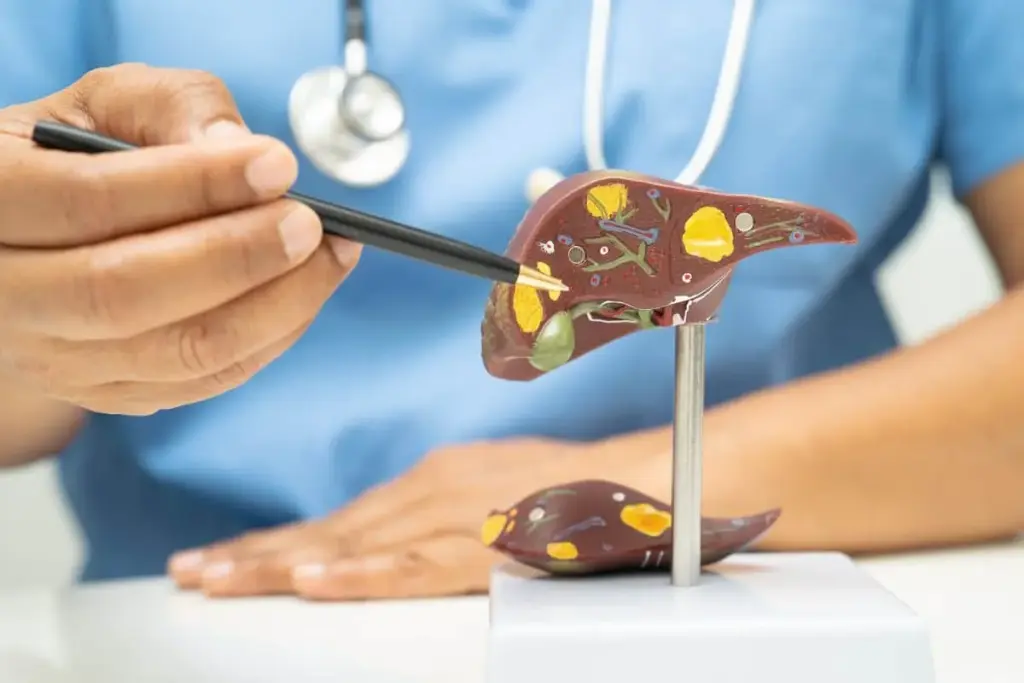
Y-90 treatment works by sending targeted radiation to tumors, reducing harm to healthy tissue. This is key for treating advanced liver cancer. Tumors in these cases are often too big to remove or have spread a lot in the liver.
How Yttrium-90 Works at the Cellular Level
Yttrium-90 is a radioactive isotope that sends out beta radiation. This radiation damages cancer cells’ DNA, stopping them from growing and killing them. The beta radiation from Y-90 only goes a short distance in tissue, about 2.5 mm to 11 mm. This helps treat tumors without harming nearby healthy cells too much.
The way Y-90 radioembolization works is also helped by the liver’s blood flow. Liver tumors get most of their blood from the hepatic artery. Normal liver tissue gets blood from both the hepatic artery and the portal vein. By using Y-90 microspheres through the hepatic artery, we can target tumors while protecting normal liver tissue.
Radioactive Properties and Half-life
Yttrium-90 has a half-life of about 64.1 hours. This means it decays to a stable state in a few days. Its short half-life lets us give a high dose of radiation quickly. This maximizes the treatment’s effect while keeping radiation exposure short.
|
Property |
Value |
|---|---|
|
Half-life |
64.1 hours |
|
Radiation Type |
Beta radiation |
|
Range in Tissue |
2.5 mm to 11 mm |
Understanding Palliative Care in Oncology
In oncology, palliative care is key. It helps patients with serious illnesses like cancer. It focuses on easing symptoms and stress.
Definition and Goals of Palliative Care
Palliative care is a special medical approach. It aims to improve life quality for patients and their families. We offer support like symptom management and emotional help.
The main goals of palliative care are to:
- Reduce suffering and improve comfort
- Manage symptoms and side effects well
- Support patients and families through their journey
- Improve overall quality of life
Difference Between Curative and Palliative Treatments
Curative treatments try to get rid of cancer. Palliative care focuses on the patient’s comfort and quality of life. Curative treatments can be aggressive and have big side effects.
|
Aspect |
Curative Treatment |
Palliative Care |
|---|---|---|
|
Primary Goal |
Eradicate cancer |
Improve quality of life |
|
Focus |
Treatment of cancer |
Symptom management and support |
|
Approach |
Aggressive treatment |
Comprehensive support |
It’s important to know the difference between curative and palliative treatments. This helps patients make better care choices. We help patients decide on the best treatment plan, whether it’s curative, palliative, or both.
Y-90 as a Palliative Treatment Option
Y-90 radioembolization is becoming a key palliative treatment for advanced liver cancer. It targets the tumor with radiation, easing symptoms and improving life quality.
Why Y-90 is Classified as Palliative Care
Y-90 is seen as palliative because it focuses on easing symptoms and improving life quality, not curing the disease.
Palliative care is key in cancer treatment, covering physical, emotional, and social needs. Y-90 radioembolization is part of this, managing symptoms well.
Treatment Goals and Expectations
The main goals of Y-90 treatment are to lessen tumor size, ease pain and discomfort, and boost life quality. By doing this, patients can live more comfortably and meaningfully, even with advanced disease.
It’s important for patients and families to know what to expect from Y-90. While it’s not a cure, it can greatly benefit patients and improve their outcomes.
Y-90 radioembolization is a valuable part of cancer care for advanced liver cancer. We tailor treatment plans to meet each patient’s needs and goals.
Liver Cancers Treated with Y90 Radioembolization
Y90 radioembolization is a key treatment for liver cancers. It offers hope to those with advanced liver cancer. This method targets cancer cells while protecting healthy tissue.
Hepatocellular Carcinoma (HCC)
Hepatocellular carcinoma is the most common liver cancer. Y90 radioembolization works well for HCC, even when surgery is not possible. It delivers Yttrium-90 directly to the tumor, cutting off its blood supply and killing cells.
Metastatic Liver Cancer
Metastatic liver cancer spreads to the liver from another part of the body. Y90 radioembolization targets these cancer cells. It’s a good choice when surgery isn’t an option, helping control tumor growth and symptoms.
Unresectable Liver Tumors
Unresectable liver tumors can’t be removed surgically. Y90 radioembolization is a valuable option for these patients. It delivers radiation directly to the tumor, shrinking it and improving quality of life.
In summary, Y90 radioembolization is a flexible and effective treatment for liver cancers. It targets cancer cells while protecting healthy liver tissue. This makes it a great option for patients with advanced liver cancer.
The Complete Y90 Treatment Process
Our team guides patients through every stage of the Y90 treatment process. We ensure the highest quality care. The Y90radioembolization process is a multi-step approach for advanced liver cancer.
Pre-procedure Evaluation and Planning
The first step is a thorough pre-procedure evaluation. We assess the patient’s medical history and current health. We also look at imaging studies to plan the treatment.
We check liver function and overall health to see if the patient is a good candidate. We talk about treatment goals, benefits, and risks with the patient and their family. This planning is key for a successful Y90 procedure.
The Radioembolization Procedure
The Y90 procedure involves delivering tiny radioactive beads to liver tumors. These beads are delivered through the hepatic artery using a catheter. The beads emit radiation that kills cancer cells while sparing healthy tissue.
The procedure is done in an interventional radiology suite. A skilled team of radiologists and technologists perform it. Patients are sedated for comfort during the several-hour procedure.
Post-procedure Care and Follow-up
After the procedure, patients are monitored for hours. We provide instructions on post-procedure care and schedule follow-up appointments.
Follow-up care is important for checking treatment success and managing side effects. We schedule imaging studies and clinical evaluations regularly. This helps us monitor the patient’s response to Y90 therapy.
Understanding the Y90 treatment process helps patients prepare and make informed decisions. Our team offers compassionate support throughout the treatment journey.
Survival Outcomes with Y90 Therapy
Recent studies show Y90 therapy greatly improves survival for advanced liver cancer patients. It’s a palliative treatment that boosts quality of life and survival rates.
Median Overall Survival Benefits
Studies say Y90 radioembolization can extend life by 15-17 months for advanced HCC patients. This is a big leap forward compared to other treatments.
Let’s look at some trial data to see the survival gains:
|
Treatment |
Median Overall Survival |
Progression-Free Survival |
|---|---|---|
|
Y90 Radioembolization |
15-17 months |
6-9 months |
|
Alternative Therapies |
8-12 months |
3-6 months |
Progression-Free Survival Statistics
Progression-free survival is also key. Y90 therapy can keep HCC from growing for 6-9 months. This is a significant achievement.
Factors Influencing Survival Outcomes
Many things affect how well Y90 therapy works. These include how big the tumor is, liver health, overall health, and any other health issues. Knowing these helps tailor treatment for better results.
By carefully choosing who gets Y90 therapy, we can improve survival and quality of life for liver cancer patients.
Quality of Life Improvements After Y90 Treatment
Patients with advanced liver cancer who get Y-90 radioembolization often feel better. They manage their symptoms better and enjoy a higher quality of life. This is key in palliative care, focusing on making patients feel better overall.
Symptom Management and Pain Control
Y-90 treatment is great at reducing tumor size. This leads to effective symptom management. Patients feel less pain and discomfort, making their lives better.
Patients need less pain medicine after Y-90. This shows they feel less pain. The treatment targets tumors without harming healthy tissue nearby.
Functional Status Improvements
Y-90 treatment does more than just ease symptoms. It also helps patients do more on their own. This is important for keeping patients’ dignity and quality of life.
|
Functional Status Metric |
Pre-Y90 Treatment |
Post-Y90 Treatment |
|---|---|---|
|
Ability to Perform Daily Activities |
Limited |
Improved |
|
Pain Levels |
High |
Reduced |
|
Overall Well-being |
Poor |
Enhanced |
Patient-Reported Outcomes and Satisfaction
We value patient-reported outcomes a lot. They show how well Y-90 treatment works in real life. Patients say they’re very happy with the treatment, feeling better and managing symptoms well.
We focus on patient-centered care with Y-90 treatment. We aim to keep improving patient outcomes and satisfaction. We make sure to listen to and meet patient needs, providing the best care possible.
Safety Profile and Side Effects of Y90 Radioembolization
It’s important to know about the safety and side effects of Y-90 radioembolization. This treatment is used for advanced liver cancer. It has a good safety record compared to other treatments.
Common Side Effects and Management
Y-90 radioembolization is usually well-tolerated but can cause side effects. These include fatigue, nausea, and abdominal pain. Managing these side effects is key to keeping patients comfortable and improving their quality of life. Our team helps patients by monitoring and managing these effects. We use medication and supportive care to help.
Fatigue is a common side effect, possibly because of the body’s reaction to radiation. Resting and gradually returning to normal activities is often advised. Nausea and abdominal pain can be managed with medication and other supportive measures.
Rare but Serious Complications
Though rare, serious complications can happen with Y-90 radioembolization. These include radiation-induced liver disease (RILD), gastrointestinal ulceration, and radiation exposure to non-target areas. Choosing the right patients and planning carefully are key to avoiding these complications.
We follow strict protocols for Y-90 radioembolization. This includes thorough evaluations and advanced imaging to ensure accuracy and safety.
Favorable Toxicity Profile Compared to Alternatives
Y-90 radioembolization has a better toxicity profile than other liver cancer treatments. This is great for patients who can’t have more aggressive treatments or have tried and failed before. It delivers high doses of radiation directly to the tumor while protecting the liver.
Studies show Y-90 radioembolization offers significant benefits with low risk of severe side effects. This makes it a good choice for patients looking for effective treatment without sacrificing quality of life.
Comparing Y90 to Other Liver Cancer Treatments
When looking at liver cancer treatments, it’s important to compare Y-90 radioembolization with other options. This helps patients and doctors choose the best care.
Y90 vs. Transarterial Chemoembolization (TACE)
Y-90 radioembolization and TACE are both treatments for liver cancer. TACE uses chemotherapy, while Y-90 uses radioactive microspheres. Key differences include:
- Mechanism of action: Y-90 is a radioactive therapy, whereas TACE is a chemotherapy-based treatment.
- Treatment outcomes: Studies show Y-90 can offer better survival rates than TACE.
- Side effect profile: Y-90 has fewer side effects than TACE.
Y90 vs. Systemic Therapies
Systemic therapies treat liver cancer that has spread. Y-90 targets the liver directly. Y-90’s benefits include:
- Localized treatment: Y-90 targets the liver, reducing systemic side effects.
- Tumor response: Y-90 can significantly reduce tumor size.
- Combination therapy: Y-90 can be used with systemic therapies for better results.
Y90 vs. External Beam Radiation
External beam radiation therapy (EBRT) is another option for liver cancer. Y-90 delivers radiation directly to the liver. Y-90’s advantages include:
- Precision: Y-90 targets the tumor, protecting healthy tissue.
- Dose escalation: Y-90 can give a higher radiation dose than EBRT.
- Treatment duration: Y-90 is a single treatment, unlike EBRT’s multiple sessions.
Patient Selection for Y90 Radioembolization
Choosing the right patients for Y-90 radioembolization is key to its success in treating advanced liver cancer. Our team of experts works together to check many factors. We decide who is best suited for this therapy.
Ideal Candidates for Y90 Treatment
Finding the ideal candidates for Y-90 treatment is a detailed process. We look at the patient’s health, liver function, and tumor details. Those with tumors that can’t be removed or who have tried other treatments might benefit.
We consider how much liver disease they have, any reasons they can’t have the treatment, and how well they can handle it. This helps us decide if they’re a good fit for Y-90.
Contraindications and Limitations
Y-90 radioembolization is a great option, but it’s not for everyone. People with serious liver problems, severe blood vessel disease, or who are pregnant or breastfeeding can’t have it. Also, those who have had too much radiation or have certain health issues need careful checking before Y-90 therapy.
Multidisciplinary Tumor Board Approach
We use a multidisciplinary tumor board approach for choosing patients for Y-90 radioembolization. A team of specialists, like radiologists and oncologists, review each case together. They talk about the patient’s diagnosis, treatment history, and health to create a plan just for them.
This team effort makes sure our patients get the best care. It helps us find the best candidates for Y-90 and improve their chances of success.
Y90 in Clinical Guidelines and Recommendations
Y-90 radioembolization is now a top choice for treating certain liver cancers worldwide. This shows it’s both effective and safe.
Understanding Y-90’s place in liver cancer treatment is key. We’ll look at the guidelines that back its use and the evidence behind it.
International Guidelines on Y90 Use
Many global health groups now recommend Y-90 for liver cancer. For example:
- The National Comprehensive Cancer Network (NCCN) suggests Y-90 for some HCC cases.
- The European Society for Medical Oncology (ESMO) lists Y-90 as a treatment for HCC and metastatic liver disease.
- The Society of Interventional Radiology (SIR) also supports Y-90 in certain situations.
These guidelines show a clear agreement on Y-90’s role in treating liver cancer. They help doctors give patients the best care possible.
Evidence Supporting Y90 as a Recommended Therapy
Y-90’s inclusion in guidelines is based on solid research. Studies show it can improve survival and quality of life for those with advanced liver cancer.
Key findings include:
- It helps patients with HCC and metastatic liver disease live longer.
- It effectively manages symptoms and pain.
- It has fewer side effects than other treatments.
As research grows, guidelines and recommendations for Y-90 will likely change. This helps doctors provide the best care for their patients.
The field of liver cancer treatment is complex and always changing. Y-90’s inclusion in guidelines is a big step towards better care for those with advanced liver cancer.
Cost and Accessibility of Y90 Radioembolization
It’s important for patients and their families to know about the cost of Y-90 radioembolization. This treatment is a valuable option for advanced liver cancer. We need to look at the costs and how to get this care.
The cost of Y-90 radioembolization can be a big worry. The treatment includes Y-90 microspheres, the procedure, and follow-up care. All these parts add up to the total cost.
Insurance Coverage and Reimbursement
Insurance coverage is key to making Y-90 radioembolization available to patients. We help patients and their insurance companies understand coverage and reimbursement.
Getting pre-approval and providing detailed documents is often needed. Our team helps patients through this to make sure they get the care they need.
|
Insurance Provider |
Coverage Details |
Reimbursement Rate |
|---|---|---|
|
Covers Y-90 radioembolization for certain indications |
80% | |
|
Private Insurers |
Varies by policy and provider |
60-80% |
|
Coverage varies by state |
50-70% |
Global Availability of Y90 Treatment
The availability of Y-90 radioembolization changes around the world. Some places have better access than others. We help patients from everywhere get the care they need.
For patients coming from abroad, we help with travel and accommodation. This way, they can focus on their treatment without worry.
By understanding the costs and insurance, patients can get the Y-90 radioembolization treatment they need. We’re here to support them every step of the way.
Integrating Y90 into a Comprehensive Cancer Care Plan
Effective cancer treatment often needs a mix of therapies, with Y-90 playing a key role. We think a multimodal treatment strategy is essential for managing complex liver cancer cases.
Y90 as Part of Multimodal Therapy
Y-90 radioembolization is a flexible treatment that fits into a broader cancer care plan. By mixing Y-90 with other treatments, like systemic therapies or radiation, we craft a plan that meets each patient’s unique needs.
Using multiple therapies can lead to better treatment results and a better quality of life. Our method involves thinking about the patient’s overall goals and the best way to reach them.
Sequencing Y90 with Other Treatments
Sequencing Y-90 with other treatments is key in a complete cancer care plan. We look at the patient’s health, cancer stage, and past treatments.
By carefully planning when to use Y-90 with other therapies, we boost its effectiveness and reduce side effects. This way, we tailor the treatment to each patient and adjust as needed.
For example, Y-90 can help prepare a patient for liver transplantation or make tumors smaller for surgery. It can also work with systemic therapies to tackle both local and distant disease.
Future Directions in Y90 Radioembolization
The field of Y90 radioembolization is growing fast. This is thanks to new research and tech. Y90 is becoming a key part of cancer treatment.
Ongoing Clinical Trials
Many clinical trials are looking at Y90 for different cancers. This includes liver cancer and other types. These studies help find new uses and better ways to use Y90.
Key Areas of Investigation:
- Combination therapies involving Y90 and other treatments
- Y90 as a neoadjuvant or adjuvant therapy
- Dosimetry and personalized treatment planning
A recent study showed Y90 works well with immunotherapy. It boosts the body’s fight against tumors.
Technological Advancements in Delivery Systems
New tech is making Y90 treatments more precise and safe. Better catheters, microspheres, and imaging tools are being made. These improvements aim to make treatments better.
|
Technological Advancement |
Description |
Potential Benefit |
|---|---|---|
|
Improved Microsphere Design |
Enhanced uniformity and stability of microspheres |
Better dose distribution and reduced toxicity |
|
Advanced Catheter Technology |
More precise and controlled delivery |
Reduced risk of complications and improved efficacy |
|
Enhanced Imaging Modalities |
Better visualization during and after procedure |
Improved accuracy in dosimetry and follow-up |
Expanding Applications Beyond Liver Cancer
Y90 is not just for liver cancer anymore. Research is looking at using it for other cancers. Early signs show it could work well for tumors in other parts of the body.
Potential New Applications:
- Metastatic disease to other organs
- Primary tumors in organs other than the liver
- Palliative care for symptom management
As research keeps moving forward, Y90 will likely become even more important in cancer treatment. New studies and tech will help Y90 reach more cancers and improve how it works.
Conclusion: The Role of Y90 in Modern Palliative Oncology
Yttrium-90 (Y-90) radioembolization is a key treatment for advanced liver cancer. It greatly improves patient outcomes and quality of life.
Y-90 is a vital part of modern palliative oncology. It helps manage symptoms and improves how well patients can function. Knowing how Y-90 works in palliative care helps doctors support patients and their families better.
Using Y-90 in cancer care plans has shown great results. It is backed by international guidelines. As research and technology improve, Y-90’s role in palliative oncology will likely grow.
FAQ
What is Yttrium-90 (Y-90) radioembolization?
Y-90 radioembolization is a treatment that combines radiation and embolization. It treats liver cancers by sending radioactive microspheres to the tumor site.
How does Y-90 radioembolization work?
It delivers radioactive microspheres to liver tumors through the hepatic arteries. This method gives high doses of radiation to the tumor while protecting healthy tissue.
What types of liver cancers can be treated with Y-90 radioembolization?
Y-90 radioembolization treats liver cancers like hepatocellular carcinoma (HCC) and metastatic liver cancer. It also treats tumors that can’t be removed surgically.
Is Y-90 radioembolization a curative treatment?
No, Y-90 radioembolization is a palliative treatment. It aims to ease symptoms, manage pain, and improve life quality, not cure the cancer.
What are the benefits of Y-90 radioembolization?
Y-90 radioembolization targets radiation to tumors, reducing side effects. It also improves life quality for patients with advanced liver cancer.
What is the treatment process for Y-90 radioembolization?
The process includes evaluation, planning, the procedure, and post-care. Each step is important for the treatment’s success.
What are the possible side effects of Y-90 radioembolization?
Side effects can happen, but our team works to manage them. We aim to minimize their impact on patients.
How does Y-90 radioembolization compare to other liver cancer treatments?
Y-90 radioembolization has unique benefits. It delivers targeted radiation and has a favorable side effect profile. It’s a valuable option for advanced liver cancer patients.
What factors determine patient selection for Y-90 radioembolization?
Factors like tumor characteristics, liver function, and overall health are considered. Our multidisciplinary tumor board decides on a case-by-case basis.
Is Y-90 radioembolization covered by insurance?
We help patients and families with insurance coverage. We explore options to make care accessible, as cost is a concern.
What is the future of Y-90 radioembolization in cancer treatment?
As research grows, Y-90 radioembolization’s role in cancer treatment will expand. Ongoing trials and tech advancements will open new possibilities.