

Dealing with ear drainage can worry patients and their families. Ear tubes help by letting infections drain, making treatment easier. This is better than not treating middle ear infections.
Studies show ear infections with tubes happen in up to 17 percent of cases. If the drainage is thick or smells bad, it might mean you need to see a doctor.
At Liv Hospital, we mix top medical standards with caring for our patients. We help families manage ear drainage. This article will show you how to clean ear drainage and when to see a specialist.
Key Takeaways
- Ear drainage can be a sign of a middle ear infection.
- Proper care and attention are necessary to manage ear drainage.
- Ear tubes allow for visible drainage, enabling more effective treatment.
- Thick or smelly drainage may indicate an infection.
- Liv Hospital provides extensive support for international patients.
Understanding Yellow Drainage from Ear with Tubes

It’s important to know why yellow drainage happens with ear tubes. Ear tubes help kids who keep getting ear infections or have fluid in their ears. But, they can sometimes cause discharge or drainage.
Common Signs of Middle Ear Infection (Otorrhea)
Middle ear infections, or otorrhea, show up in different ways. You might feel pain, pressure, or see fluid coming out of your ear. The fluid can be cloudy, yellow, or even bloody. Spotting these signs early is key to avoiding bigger problems.
Key symptoms to watch for:
- Ear pain or discomfort
- Fluid drainage from the ear
- Fever
- Hearing loss or muffled hearing
What Different Colors of Drainage Indicate
The color of the drainage from ear tubes can tell you a lot. Clear or white might mean just fluid buildup. But, yellow or green could mean a bacterial infection. Bloody drainage might mean a serious infection or injury.
Here’s a breakdown of what different drainage colors might indicate:
| Drainage Color | Possible Indication |
| Clear/White | Fluid buildup |
| Yellow/Green | Bacterial infection |
| Bloody | Severe infection or injury |
Statistics on Ear Infections with Tubes
Ear infections are common in kids, and ear tubes can sometimes cause drainage. Studies show that many kids with ear tubes get some form of otorrhea. Knowing these stats can help parents and caregivers prepare better.
Some key statistics include:
- Up to 75% of children with ear tubes may experience some form of ear drainage.
- Ear infections are among the most common reasons for pediatric visits.
- Proper care and management can significantly reduce the risk of complications.
Step-by-Step Cleaning Process for Ear Tube Drainage
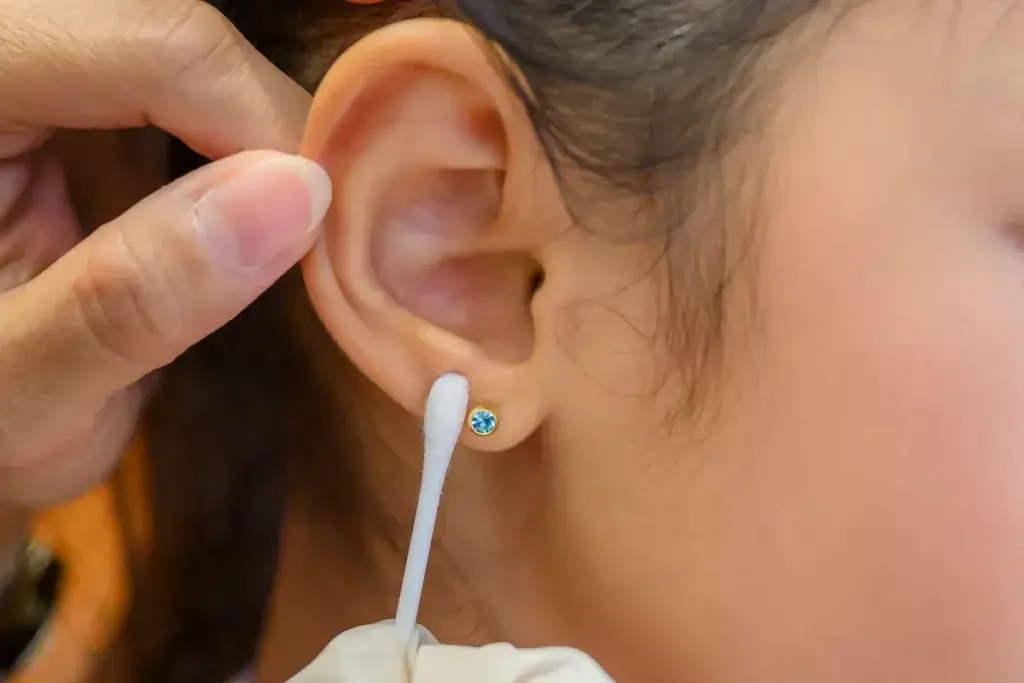
Cleaning ear tube drainage needs a careful and systematic method. This ensures discharge is removed well and avoids more problems. First, knowing what supplies and techniques to use is key.
Essential Supplies for Proper Cleaning
To clean ear tube drainage, you’ll need a few things:
- Warm soapy water
- Cotton swabs
- Rolled tissue paper (for ear wicking)
These items are vital for safely removing drainage from outside and inside the ear.
External Cleaning with Warm Soapy Water
To clean the outside of the ear, start with a damp cotton swab. Soak it in warm soapy water. Then, gently wipe the outer ear to remove any visible drainage. Make sure not to put the swab inside the ear canal. This step helps keep the area clean and prevents infection.
Ear Wicking Technique for Internal Drainage
For drainage inside the ear, use the ear wicking method. Roll tissue paper into a wick and put it in the ear canal. The tissue will soak up the discharge, helping to clear the ear tube. Change the wick as needed until the drainage is almost gone.
By following these steps and using the right supplies, you can manage ear tube drainage well. This promotes a healthy ear environment.
Treating Yellow Drainage from Ear Tubes
Dealing with yellow drainage from ear tubes requires cleaning and antibiotics. It’s key to know that yellow discharge means an infection is present.
Antibiotic Ear Drops Administration
Antibiotic ear drops are a main treatment for drainage from ear with tubes. These drops fight the infection right where it is. Here’s how to use them:
- Make sure the ear is clean and dry first.
- Lie on your side with the affected ear up.
- Pull the outer ear back and up to open the ear canal.
- Put in the number of drops your doctor told you to.
- Stay in this position for a few minutes to let the drops work.
Monitoring Improvement During Treatment
Watching for improvement is key when treating ear infection after tubes. If you don’t see better in a few days, see your doctor again. They might change your treatment or find another cause.
For more on ear discharge, check out Seattle Children’s Hospital.
Why Standard Treatments May Fail
Standard treatments might not work for many reasons. This includes antibiotic resistance or not using the drops right. If this happens, you need to change your treatment plan. This could mean more tests to find the infection’s cause and a new treatment plan.
Conclusion: When to Consult a Specialist
Managing yellow drainage from ear tubes needs careful attention and proper care. We’ve outlined key steps and treatments. But, knowing when to seek professional help is key. If drainage lasts more than three days, seeing an otolaryngologist is important.
Dealing with ear tube drainage can be tough. But, with the right guidance, you can manage it well. If symptoms persist or worsen, seeing a specialist is vital to avoid more problems.
| Symptom | Duration | Action |
| Yellow drainage | Beyond 3 days | Consult an otolaryngologist |
| Severe ear pain | Immediate | Seek medical attention |
| Fever | High or persistent | Consult a specialist |
We at our institution are dedicated to your care. If you’re dealing with ongoing or severe symptoms, see our specialists. Our team offers top-notch healthcare and support for international patients.
Remember, timely consultation can prevent further complications and ensure the best possible outcome.
Seeing yellow drainage from ear tubes can worry parents. But knowing why it happens and how to treat it is key. It helps keep your child’s hearing and health safe.
Ear tubes let infections drain out, which might look scary. But it’s actually good because it makes treating infections easier. At Liv Hospital, we use top medical standards and care for your family’s needs.
Ear drainage can happen for many reasons. It might be from infections, a burst eardrum, or something stuck in the ear. If the drainage is thick, yellow, or green, or smells bad, it could mean an infection. You should get it checked and treated right away.
Key Takeaways
- Yellow drainage from ear tubes is often a sign of a middle ear infection.
- Proper cleaning and care can help manage the condition.
- Consult a specialist if the drainage is thick, colored, or persistent.
- Ear tubes allow for visible drainage, enabling effective topical treatment.
- Liv Hospital provides complete care for international patients.
Understanding Yellow Drainage from Ear with Tubes
Yellow drainage from ear tubes might mean you have an infection. Middle ear infections, or otorrhea, can cause pain, pressure, and fluid. It’s important to pay attention to these signs.
Common Signs of Middle Ear Infection (Otorrhea)
Signs of middle ear infection include ear pain, fever, and discharge. The color and consistency of the discharge can tell you a lot. Watching these symptoms closely is key to knowing what to do next.
What Different Colors of Drainage Indicate
The color of the drainage can tell you a lot about the infection. Yellow or cloudy discharge often means a bacterial infection. But bloody discharge might mean a more serious infection or injury.
| Drainage Color | Possible Cause |
| Yellow or Cloudy | Bacterial Infection |
| Bloody | Severe Infection or Injury |
| Clear | Normal Ear Function or Viral Infection |
Statistics on Ear Infections with Tubes
Ear infections are common in kids with ear tubes. Studies show that up to 75% of children with ear tubes will have some ear discharge. Knowing the stats and signs can help manage the condition better.
Step-by-Step Cleaning Process for Ear Tube Drainage
To manage ear tube drainage well, follow a step-by-step cleaning process. This includes preparing supplies, cleaning the outer ear, and using the ear wicking technique for inside drainage.
Essential Supplies for Proper Cleaning
Before you start cleaning, gather the right supplies. You’ll need:
- Warm soapy water
- Cotton swabs
- Rolled tissue paper for ear wicking
- A clean towel for drying
Having these supplies ready makes the cleaning process easier and more effective.
External Cleaning with Warm Soapy Water
The first step is to clean the outer ear with warm soapy water. This removes visible drainage and helps prevent infection. Here’s how to do it:
- Mix warm water with a mild soap.
- Dampen a cotton swab with the soapy water, but make sure it’s not soaking wet.
- Gently wipe the outer ear, avoiding the ear canal.
- Use a clean towel to dry the area.
Ear Wicking Technique for Internal Drainage
The ear wicking technique is great for internal drainage. It uses rolled tissue paper to soak up drainage from inside the ear. Here’s how to do it:
- Roll a piece of tissue paper into a thin strip.
- Gently insert the rolled tissue into the ear canal, just until it reaches the drainage.
- Leave it in place for a few minutes to allow the tissue to absorb the drainage.
- Carefully remove the tissue and discard it.
Repeat this process as needed until the drainage is significantly reduced.
By following these steps, patients can manage ear tube drainage effectively and lower the risk of complications.
Treating Yellow Drainage from Ear Tubes
Dealing with yellow drainage from ear tubes needs the right treatment. We’ll show you how to use antibiotic ear drops. We’ll also talk about why sometimes these treatments don’t work.
Antibiotic Ear Drops Administration
Antibiotic ear drops are a common treatment for ear infections with tubes. Here’s how to use them:
1. Wash your hands before using the drops.
2. Tilt your head so the affected ear is up.
3. Pull your outer ear back and up to straighten the ear canal.
4. Put in the number of drops your doctor told you to.
5. Keep your head tilted for a few minutes to let the drops work.
It’s important to follow the dosage and treatment time your doctor gives you. If you’re worried about using the drops, talk to your doctor.
A study by Rady Children’s Hospital San Diego shows how important it is to use the drops right.
Monitoring Improvement During Treatment
Watching how you feel during treatment is key. Look for these signs:
* Less yellow drainage
* Less ear pain or discomfort
* Better hearing or hearing like normal
If you don’t see any improvement or things get worse, talk to your doctor.
| Symptom | Expected Improvement |
| Yellow drainage | Decrease or stop |
| Ear pain | Less or gone |
| Hearing | Better or back to normal |
Why Standard Treatments May Fail
Standard treatments might not work for many reasons. These include:
* Antibiotic resistance
* Not using the right amount or time
* Other health issues
If treatments don’t work, your doctor might change your plan. They might try something else.
Audiology Expert
Conclusion: When to Consult a Specialist
Managing yellow drainage from ear tubes is important. Knowing when to get help is key. We’ve shared steps for cleaning and treating infections, but sometimes you need a specialist.
If your ear infection doesn’t get better after three days, see a specialist. Our team is ready to help with ear tube problems, including yellow drainage.
We focus on ear care at our institution. We aim to provide top-notch healthcare to everyone, including international patients. If you’re dealing with ongoing or severe symptoms, reach out to our specialists. They’ll give you the care and advice you need.
FAQ
What is yellow drainage from ear tubes a sign of?
Yellow drainage from ear tubes is most often a sign of a middle ear infection. The tubes allow infected fluid to drain out instead of building pressure behind the eardrum, which is why drainage is commonly seen.
How do I clean yellow drainage from ear tubes?
Yellow drainage should be cleaned by gently wiping the outer ear only with a clean, soft cloth or cotton pad. Nothing should be inserted into the ear canal, as this can worsen infection or damage the tube.
What are the essential supplies needed for cleaning ear tube drainage?
Only clean hands and a soft, dry or slightly damp cloth or cotton pad are needed. Harsh products, cotton swabs, alcohol, or peroxide should not be used unless specifically advised by a doctor.
How do I administer antibiotic ear drops for treating yellow drainage from ear tubes?
Antibiotic ear drops are used by placing the prescribed number of drops into the ear while lying on the side. Gently pressing the small flap at the front of the ear helps the drops move through the tube into the middle ear.
What does different colored drainage from ear tubes indicate?
The color of drainage can reflect the cause. Yellow or green usually points to infection, clear fluid may indicate irritation or residual fluid, and bloody drainage can occur with irritation or recent tube placement.
Why do standard treatments for yellow drainage from ear tubes sometimes fail?
Treatment may fail if bacteria are resistant, drops are not used correctly or long enough, water enters the ear, or there is an underlying chronic ear or sinus condition.
When should I consult a specialist for yellow drainage from ear tubes?
A specialist should be consulted if drainage lasts longer than a week, keeps returning, smells foul, or is associated with pain, fever, or hearing changes.
Can I manage yellow drainage from ear tubes at home?
Mild drainage can sometimes be managed at home with prescribed ear drops and keeping the ear dry, but persistent or worsening symptoms require medical care.
What are the statistics on ear infections with tubes?
Ear infections can still occur after tube placement, but tubes generally reduce pain and pressure. Many children experience at least one episode of drainage while tubes are in place.
How do I monitor improvement during treatment for yellow drainage from ear tubes?
Improvement is seen when drainage decreases, the color lightens, odor disappears, and hearing or comfort improves. Lack of improvement over several days should prompt medical follow-up.