
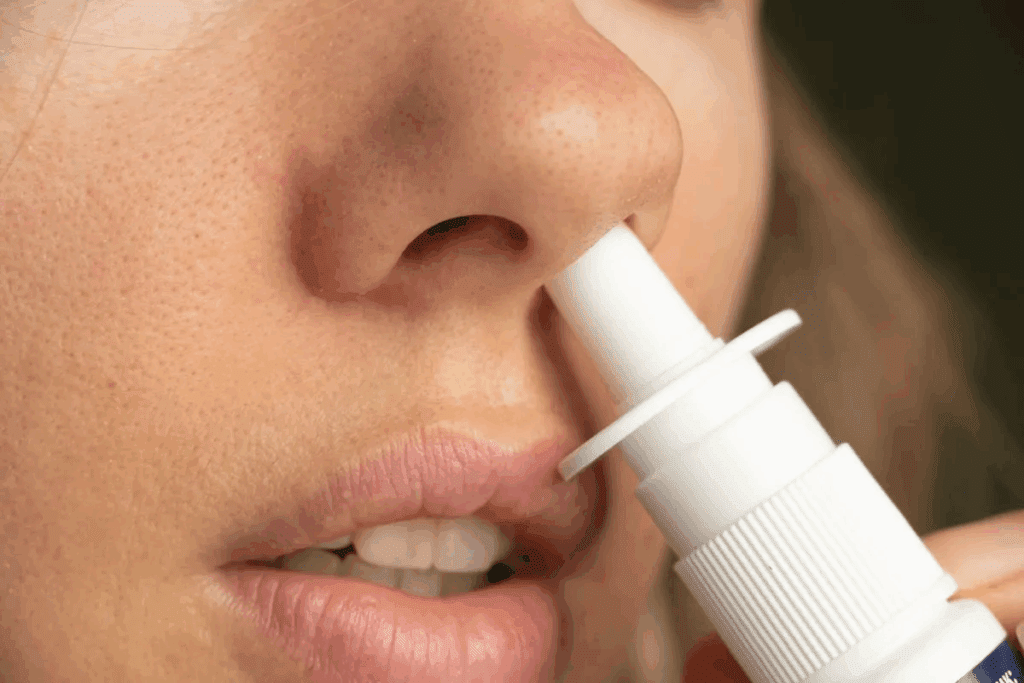
Seeing yellow fluid coming out of your nose might worry you. But, it usually means your body is fighting off an infection. Why is yellow sinus fluid coming out of my nose? Learn the causes, from a simple cold to a potential cerebrospinal fluid (CSF) leak.
Our bodies make about 1.5 liters of mucus every day. A bit of it is in our sinuses and nasal cavities. When white blood cells meet pathogens, they can turn into a watery yellow discharge.
At Liv Hospital, we mix reliable medical knowledge with caring service. We help you deal with nasal health issues and get the right treatment fast and well.
Key Takeaways
- Yellow nasal discharge is often a sign of the body’s immune response to an infection.
- The presence of yellow fluid coming out of your nose indicates that your body is fighting off pathogens.
- Understanding the cause of yellow nasal discharge is key for proper healthcare management.
- Liv Hospital’s patient-centered approach offers complete care for nasal health concerns.
- Seeking medical attention is vital if you have ongoing or severe nasal discharge.
The Body’s Natural Defense Mechanism

It’s important to know how our body fights off infections and diseases. Nasal mucus is a key part of this fight.
The Purpose of Nasal Mucus
Nasal mucus acts as a shield. It catches dust, allergens, bacteria, and viruses. This stops them from reaching our lungs and causing problems. As “The body’s first line of defense”, mucus is essential for our breathing health.
Normal Mucus Production (1.5 Liters Daily)
We make about 1.5 liters of mucus every day. This shows how vital it is for our health. The mucus is full of antibodies, salts, proteins, and water. It’s very good at catching harmful invaders.
How Mucus Protects Against Pathogens
Mucus catches pathogens and other harmful particles. This stops them from getting into our lungs. The antibodies and proteins in mucus work together to fight off these threats. Medical experts say,
“Mucus is more than just a nuisance; it’s a critical component of our immune system.”
Learning about mucus helps us understand how our body defends itself.
What Causes Yellow Sinus Fluid?

Yellow sinus fluid means our body is fighting off an infection. The color change from clear to yellow comes from white blood cells and their enzymes.
White Blood Cell Activity
White blood cells are key in fighting infections. When germs enter our nasal passages, our immune system kicks in. This leads to the production of white blood cells, which contain enzymes to break down the germs. This process turns the mucus yellow.
Enzyme Interactions
The enzymes from white blood cells, like myeloperoxidase, make the mucus yellow. These enzymes are vital for killing germs but also change the mucus’s color. The mix of these enzymes with other parts of the cell creates the yellow color we see.
Cellular Debris in Mucus
When white blood cells fight infections, they can die and spill their contents into the mucus. This debris, along with the enzymes, makes the mucus yellow and thicker.
The mix of white blood cells, enzymes, and debris in the mucus explains why it turns yellow. Knowing this helps us understand why we see yellow sinus fluid and how it shows our body is fighting off an infection.
| Factor | Role in Yellow Sinus Fluid | Impact on Mucus |
| White Blood Cell Activity | Fights infection, releases enzymes | Changes color, increases viscosity |
| Enzyme Interactions | Breaks down pathogens, contributes to color | Yellow coloration, antimicrobial effect |
| Cellular Debris | Adds to color and consistency | Thickens mucus, contributes to yellow hue |
Common Triggers for Yellow Watery Discharge From Nose
Yellow watery discharge from the nose often means our body is fighting an infection or allergen. This symptom can be unsettling. But knowing the causes can help manage it better.
Viral Infections
Viral infections like the common cold and flu can cause yellow nasal discharge. When a virus infects the nasal passages, it triggers an immune response. This leads to more mucus production, which can be yellow or green due to white blood cells fighting the infection.
Bacterial Sinus Infections
Bacterial sinus infections, or sinusitis, happen when bacteria infect the sinuses. This infection makes the nasal discharge thicker and changes its color, often to yellow or green. Sinusitis can be acute or chronic and may need medical attention if symptoms last too long.
Seasonal and Environmental Allergies
Allergies to pollen, dust mites, or pet dander can also cause nasal discharge. When allergens enter the nasal passages, they trigger an allergic reaction. This reaction can cause clear or yellowish mucus production. Seasonal allergies, in particular, can cause a lot of nasal congestion and discharge.
Irritants and Pollutants
Exposure to irritants and pollutants, such as smoke, strong odors, or chemical fumes, can also cause nasal discharge. These substances can irritate the nasal mucosa, leading to more mucus production as a protective response. In some cases, this mucus may appear yellow or cloudy.
Knowing these common triggers can help individuals manage their symptoms better. Whether it’s avoiding allergens, practicing good hygiene to prevent infections, or using over-the-counter remedies, being informed is the first step towards relief.
Distinguishing Yellow Nasal Discharge From Other Colors
Knowing the color of nasal mucus is key to figuring out health problems. The color and how thick the discharge is can tell us a lot about what’s going on.
Clear to Yellow: Early Infection Stages
When nasal discharge turns from clear to yellow, it’s a sign of an early infection. This color change happens because of white blood cells, which fight off the infection. As the body keeps fighting, the mucus gets thicker and more yellow.
Yellow to Green: Infection Progression
If the yellow discharge turns green, it means the infection is getting worse. The green color comes from an enzyme in white blood cells. This change shows the infection is more serious and might need doctor’s care.
Brown or Bloody Discharge: When to Worry
Brown or bloody nasal discharge is a worry. This could mean a serious issue, like a bacterial infection or injury to the nasal passages. If you see a lot of bleeding, you should see a doctor right away.
Consistency Changes: What They Mean
Changes in how thick or thin nasal discharge is can also tell us a lot. Thicker mucus might mean a serious infection or allergies. On the other hand, thin, watery discharge could be from a virus or something in the environment.
By watching the color and thickness of nasal discharge, we can understand our health better. This helps us know when to see a doctor.
When Sudden Yellow Liquid From Nose Occurs
Seeing sudden yellow liquid from the nose means your body is fighting an infection. This can be surprising and worrying. But knowing why it happens and how long it lasts can help you feel better.
Yellow watery drainage from the nose means your immune system is at work. This usually happens quickly, showing symptoms fast.
Acute Onset vs. Gradual Development
It’s important to know if symptoms come on fast or slowly. Quick symptoms often mean a sudden infection or allergy. Slow symptoms might point to a long-term problem or constant irritation.
When symptoms come on fast, your body quickly makes more mucus. You might also sneeze, feel stuffy, or have a sore throat.
Typical Duration of Symptoms
How long yellow nasal discharge lasts depends on the cause. Viral or bacterial infections usually last 7 to 14 days.
During this time, your body fights off the infection. Yellow, runny discharge means your body is dealing with harmful agents.
The 7-14 Day Recovery Window
Most people get better in a 7-14 day recovery window. This lets your immune system clear the infection and get back to normal.
Keep an eye on your symptoms during this time. If they last more than two weeks or get worse, see a doctor.
Bright Yellow Drip From Nose: Severity Indicators
The bright yellow drip from the nose can be a worrying sign. It’s important to check how serious it is to know what to do next.
Intensity of Color and What It Means
The intensity of the yellow color in nasal discharge matters a lot. A bright yellow or dark yellow color usually means there’s an infection. The color can show how many white blood cells and debris are present.
A thin and watery bright yellow discharge is less worrying than a thick and dark yellow or greenish one. The latter might mean a serious infection that needs doctor’s help.
Volume of Discharge
The volume of nasal discharge also tells us a lot. A high volume of discharge, lasting a long time, could mean a big infection or allergy.
Watching how much discharge you have can help you see if you’re getting better or worse. If it goes down, you’re likely getting better. But if it goes up, you might need to see a doctor.
Associated Symptoms to Monitor
There are other associated symptoms to keep an eye on too. These include:
- Nasal congestion or trouble breathing through your nose.
- Facial pain or pressure, around your sinuses.
- Fever, which means you might have an infection.
- Cough or sore throat, linked to postnasal drip.
By watching these symptoms and how serious they are, you can understand your situation better. This helps you decide if you need to see a doctor.
Managing Yellow Fluid Running From Nose
We can manage yellow nasal discharge by trying home remedies, over-the-counter solutions, and prescription medications. A good plan involves fixing the cause and easing symptoms. This way, we can tackle the problem from all sides.
Home Remedies
Home remedies are key in handling yellow nasal discharge. Getting enough rest is important for recovery. Drinking water helps thin out mucus and aids in drainage.
Using a humidifier adds moisture to the air, soothing the nasal passages. Sleeping with your head raised can also help clear congestion.
Over-the-Counter Solutions
OTC meds can offer a lot of relief. Antihistamines tackle allergies, while cold medicines ease congestion and cough. Pain relievers like acetaminophen or ibuprofen can ease headaches and facial pain.
Nasal sprays, including decongestants and saline, can cut down on congestion. Always read and follow the instructions on OTC meds. If unsure, talk to a healthcare professional.
Prescription Medications
Sometimes, prescription meds are needed. Antibiotics fight bacterial infections, and antiviral meds tackle viruses. Corticosteroid nasal sprays reduce inflammation, helping to drain the nose and ease symptoms.
Immunomodulators are for those with weak immune systems or severe allergies. Working with a healthcare pro helps find the right treatment for you.
Knowing the different ways to manage yellow nasal discharge helps us feel better faster. It’s important to get advice from a healthcare professional to find the best treatment for you.
When to Seek Medical Attention for Nose Leaking Yellow Fluid
If you notice your nose leaking yellow fluid, it’s important to know when to get medical help. Yellow nasal discharge often means you have a cold or allergies. But, there are times when you need to see a doctor.
Persistent Symptoms Beyond Two Weeks
If your symptoms last more than two weeks, it might be a sign of a serious infection. Prolonged nasal discharge can cause more problems if not treated right away.
High Fever or Severe Pain
A high fever or severe pain with yellow nasal discharge is a warning sign. These could mean you have a bacterial infection that needs antibiotics.
“If your nasal discharge is accompanied by prolonged fever, severe headache, or other concerning symptoms, you should seek medical attention.”
Changes in Vision or Mental Status
Seeing changes in vision or mental status with nasal discharge is very serious. These could be signs of a severe infection spreading.
Compromised Immune System Concerns
People with a compromised immune system are at higher risk of infection complications. If you’re in this group and notice yellow nasal fluid, see your doctor.
Knowing these signs and when to get help can greatly improve your health and recovery.
Preventing Yellow Watery Nasal Discharge
Good health practices can help lower the chance of yellow watery nasal discharge. Simple habits and awareness of our surroundings can reduce this issue.
Hand Hygiene Practices
Practicing good hand hygiene is key to preventing yellow nasal discharge. Washing our hands regularly with soap and water is essential. This helps stop viruses and bacteria that cause nasal infections.
Using hand sanitizer when soap and water are not around is also good. Make sure to clean all parts of our hands, including between fingers and under nails.
Environmental Controls for Allergens
Keeping our environment free from allergens is important. This means regularly cleaning our homes, focusing on dusty areas. Using air purifiers can also help reduce airborne allergens.
Immune System Support
Boosting our immune system is vital to fight off infections. Getting enough rest, staying hydrated, and eating a balanced diet are key. Include lots of fruits, vegetables, and whole grains in our meals.
Vaccination Considerations
Keeping up with vaccinations is also important. Vaccines like the flu vaccine can prevent infections that cause yellow nasal discharge.
By following these steps, we can lower the risk of yellow watery nasal discharge. This helps us stay healthier overall.
Conclusion
We’ve looked into yellow fluid coming out of the nose, a common issue. It’s often linked to yellow nasal discharge. Knowing what causes it and how to handle it can really help.
Yellow nasal discharge usually means your body is fighting off an infection or allergies. The white blood cells in the mucus turn it yellow. This shows your body is working to protect you. By knowing what triggers it, like viruses or allergies, you can take steps to help.
To prevent and manage yellow nasal discharge, keep your hands clean and control allergens. Also, boost your immune system. Sometimes, you might need medicine to feel better.
Learning about yellow fluid coming out of the nose and how to stop it can help you feel better. It’s all about being informed and taking care of yourself.
FAQ
What does yellow fluid coming out of my nose indicate?
Yellow fluid in your nose means your body is fighting an infection. It’s part of your immune system’s defense. This fluid, or mucus, traps harmful agents.
Why is my nose dripping yellow fluid?
Your nose drips yellow fluid because of white blood cells and other body parts in the mucus. This shows your body is fighting an infection.
What are the common triggers for yellow watery discharge from the nose?
Yellow watery discharge can come from viral infections, bacterial sinus infections, and allergies. It can also be caused by pollutants. Knowing these causes helps manage symptoms.
How can I distinguish yellow nasal discharge from other colors?
Different colors of nasal discharge mean different things. Clear to yellow might mean an early infection. Yellow to green could mean it’s getting worse.
What does a bright yellow drip from the nose indicate?
A bright yellow drip means your body is really fighting hard. The amount and how it makes you feel can show how serious it is.
How can I manage yellow fluid running from my nose?
You can try home remedies, over-the-counter meds, or prescription drugs. Knowing your options helps manage symptoms better.
When should I seek medical attention for nose leaking yellow fluid?
See a doctor if symptoms last more than two weeks, if you have a high fever or severe pain. Also, if you notice vision changes or have a weak immune system.
How can I prevent yellow watery nasal discharge?
Prevent it by washing your hands often, controlling allergens, and keeping your immune system strong. Vaccinations also help.
Is yellow nasal discharge a sign of a serious condition?
Yellow nasal discharge can mean an infection or another issue. It’s usually not serious but can be a sign of something bigger.
Can yellow fluid coming out of my nose be a sign of allergies?
Yes, it can be a sign of allergies, like seasonal or environmental ones. Allergies can cause nasal discharge, which might be yellow.
How long does yellow nasal discharge typically last?
It can last from a few days to two weeks, depending on the cause. Most people get better in 7-14 days.
References
- National Center for Biotechnology Information. (2025). Why Is Yellow Fluid Coming Out of My. Retrieved from https://www.ncbi.nlm.nih.gov/books/NBK441934/