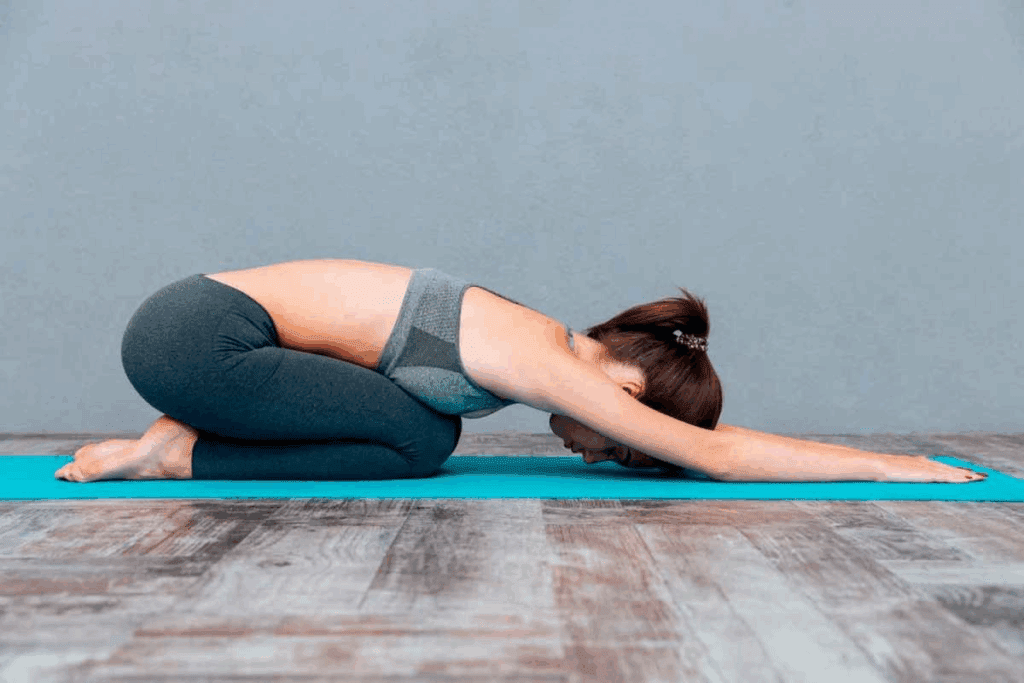
About 2-3% of people worldwide have scoliosis, a condition where the spine curves abnormally. Yoga can help manage this condition by improving spinal alignment and overall health. It’s a valuable addition to traditional treatments.
We’ll look at the latest research and expert views on yoga poses for scoliosis. This will help those with scoliosis make better choices for their care.
Key Takeaways
- Yoga can help improve spinal alignment in individuals with scoliosis.
- Specific yoga poses can be beneficial for scoliosis treatment.
- A holistic approach to yoga can enhance overall well-being.
- Yoga should be used alongside traditional scoliosis treatments.
- Getting expert guidance is important when practicing yoga for scoliosis.
Understanding Scoliosis: Causes, Types, and Symptoms
Understanding scoliosis involves knowing its definition, types, and symptoms. Scoliosis is a complex spinal condition with an abnormal lateral curvature of the spine. Knowing its causes, types, and symptoms is key for effective management and treatment.
What Defines Scoliosis
Scoliosis is defined by a lateral deviation of the spine from the midline, measured by the Cobb angle. A Cobb angle of 10 degrees or more is considered scoliosis. The condition can range from mild to severe, affecting health differently.
Common Causes and Risk Factors
The exact causes of scoliosis are often unknown. But several factors can contribute to its development. These include:
- Genetics: Family history plays a significant role.
- Neuromuscular conditions: Conditions like cerebral palsy can increase the risk.
- Birth defects: Spinal abnormalities present at birth.
- Degenerative changes: Wear and tear on the spine as we age.
Types of Spinal Curvatures
Scoliosis can be categorized into several types of scoliosis based on age, cause, and location. The main types include:
- Idiopathic scoliosis: The most common form, with unknown causes.
- Congenital scoliosis: Present at birth due to spinal formation abnormalities.
- Neuromuscular scoliosis: Associated with neuromuscular conditions.
- Degenerative scoliosis: Occurs in adults due to degenerative changes.
Recognizing Symptoms and Progression
The scoliosis symptoms vary based on the severity and location of the curvature. Common symptoms include:
- Visible curvature of the spine.
- Uneven shoulders or hips.
- Back pain or discomfort.
- In severe cases, breathing difficulties due to restricted chest expansion.
Understanding these aspects of scoliosis is vital for early detection and effective management. Recognizing the spinal curvature and symptoms early can help individuals seek medical care. This can include yoga to manage their condition.
The Relationship Between Yoga and Spinal Health
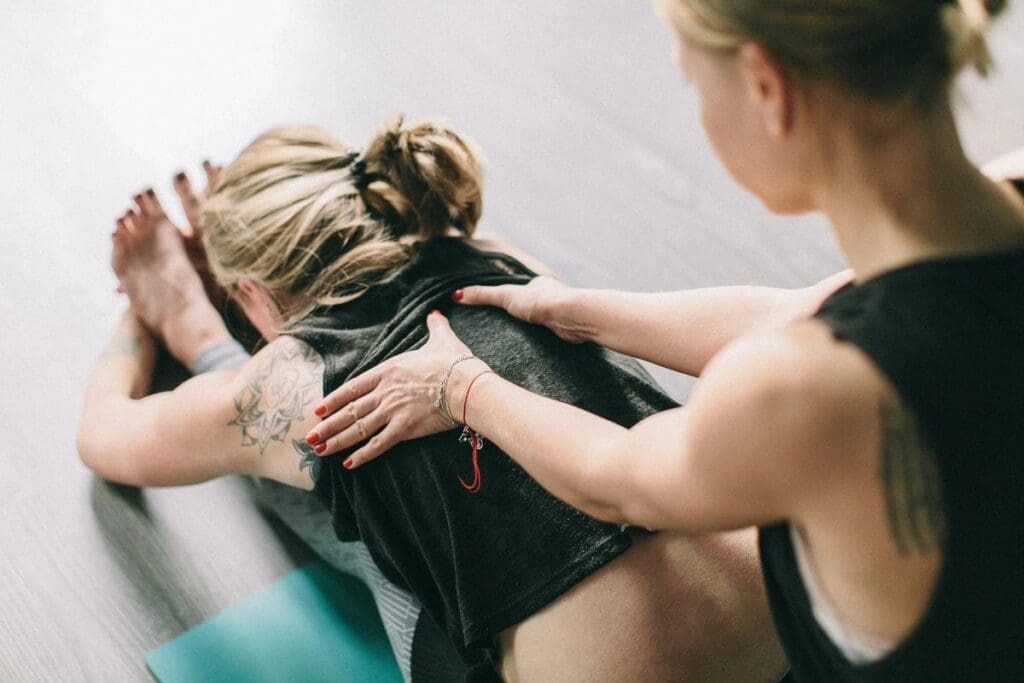
Yoga and spinal health are closely linked. Yoga includes physical poses, breathing, and meditation. These can help improve your spine’s health.
How Yoga Affects the Spine
Yoga affects the spine in many ways. It makes the spine more flexible and strong. It also helps with alignment.
Key benefits of yoga for spinal health include:
- Increased flexibility and range of motion
- Strengthening of the muscles that support the spine
- Improved posture and alignment
- Reduced muscle tension and pain
Principles of Alignment in Yoga Practice
Alignment is key in yoga, even more so for those with scoliosis. It helps keep the spine safe and muscles working right.
Key principles of alignment include:
- Awareness of body position and posture
- Engagement of core muscles to support the spine
- Use of props to facilitate correct alignment when necessary
Yoga’s Holistic Approach to Back Health
Yoga looks at back health from all angles. It’s not just about the body. It also considers the mind and emotions.
Yoga’s holistic benefits include less stress and a better mood. These can help manage scoliosis better.
Scientific Evidence: Can Yoga Help with Scoliosis?
Many people wonder if yoga can help with scoliosis. This has led to a closer look at the scientific evidence. It’s important to examine the research and medical views on this topic.
Research Studies on Yoga for Spinal Conditions
Studies have looked at yoga’s effects on spinal conditions, including scoliosis. They found that yoga can improve spinal flexibility and strength.
Even though scoliosis is complex, these findings are encouraging. They suggest yoga could be a helpful addition to treatment plans.
Medical Perspectives on Yoga as Complementary Treatment
Certain yoga poses can help improve spinal alignment. This highlights yoga’s role as a supportive therapy.
Limitations of Current Research
Even though the research is promising, there are limitations. Many studies have small sample sizes. We need more large-scale trials to confirm yoga’s benefits for scoliosis.
Researchers are working to overcome these challenges. They’re using new methods to study yoga’s effects on scoliosis, like advanced imaging techniques.
Promising Directions in Scoliosis Treatment
Using yoga in scoliosis treatment is a promising approach. As research grows, we’ll see more yoga programs for scoliosis.
Future studies could look at yoga’s long-term effects on scoliosis. They might also explore combining yoga with other treatments. This could lead to better care for those with scoliosis.
Yoga for Scoliosis: Benefits and Therapeutic Effects
Yoga is great for people with scoliosis. It helps with physical alignment and mental health. Adding yoga to treatment plans can greatly improve life quality.
Physical Benefits for Scoliosis Patients
Yoga helps scoliosis patients in many ways. It makes the spine more flexible and strengthens the muscles around it. It also improves posture.
Yoga can even reduce spinal curvature in some cases. But, this depends on the person and how severe their scoliosis is.
Mental and Emotional Advantages
Yoga also has big mental and emotional benefits. It teaches mindfulness, lowers stress, and helps with anxiety and depression. These are common with chronic conditions.
Yoga helps patients be more aware of their body. This can lead to better posture and less pain. It also helps them feel better about their body.
Long-term Effects on Spinal Health
Yoga’s long-term effects on the spine are very good for scoliosis patients. Regular practice can keep the spine flexible and strong. This might slow down or stop the curvature from getting worse.
Yoga also teaches a healthy lifestyle. This can help keep the spine well for a long time.
Pain Management Through Yoga Practice
Managing pain is key in treating scoliosis. Yoga is a big help here. It reduces muscle tension, improves flexibility, and increases body awareness. This can lessen the pain from scoliosis.
Yoga poses and breathing techniques can target pain areas. They offer relief and improve life quality.
Key Principles of Practicing Yoga with Scoliosis
Practicing yoga with scoliosis needs a careful and customized approach. This ensures benefits and avoids risks. Understanding how to adapt yoga for scoliosis is key.
Awareness and Breath Control
Being aware and controlling your breath are essential. Awareness means knowing your body’s alignment and breath. This helps control movements and keeps practice safe.
- Focus on your body’s alignment in poses.
- Use breath control to improve your practice and reduce discomfort.
- Practice mindfulness to understand your body’s needs and limits.
Asymmetrical Approaches to Balance the Spine
Asymmetrical poses are vital for scoliosis yoga. They help balance the spine and address the condition’s asymmetry. Asymmetrical poses counteract spinal curvature.
Consider these points:
- Work with your spine’s specific curvature.
- Use props for support and better alignment.
- Modify poses to fit your needs and comfort.
Individualization of Practice
Customizing your yoga practice is critical with scoliosis. Everyone’s condition is different. Tailoring your practice means understanding your needs and adapting your routine.
Consistency and Patience in the Process
Consistency and patience are key with scoliosis yoga. Regular practice improves spinal alignment and well-being. Be patient with your progress, as yoga’s benefits for scoliosis take time.
By following these principles, those with scoliosis can enjoy yoga’s benefits safely. A well-thought-out yoga approach can help manage scoliosis and improve health.
Essential Yoga Poses for Scoliosis Management
Yoga poses can greatly help those with scoliosis. They improve spinal alignment, reduce curvature, and boost overall health. Standing and floor poses are key to managing scoliosis.
Standing Poses for Stability and Alignment
Standing poses are vital for better posture and stronger spine muscles. They help achieve alignment and stability, key for scoliosis management.
- Tadasana (Mountain Pose): Sets up good posture and alignment, a base for other poses.
- Vrksasana (Tree Pose): Boosts balance and stability, strengthening ankles and legs.
- Utthita Trikonasana (Extended Triangle Pose): Stretches and strengthens spine, hips, and legs, improving flexibility and alignment.
| Pose | Benefits | Precautions |
| Tadasana | Improves posture, alignment | Engage core, keep shoulders relaxed |
| Vrksasana | Enhances balance, strengthens ankles | Avoid if there’s ankle instability |
| Utthita Trikonasana | Stretches spine, hips, and legs | Modify if there’s hip or knee discomfort |
Floor Poses for Spinal Elongation
Floor poses elongate the spine, reduce curvature, and boost flexibility. They’re great for scoliosis as they create space between vertebrae and improve spinal health.
- Adho Mukha Svanasana (Downward-Facing Dog): Stretches the back, promotes spinal elongation, and strengthens arms and legs.
- Bhujangasana (Cobra Pose): Strengthens back muscles, opens chest, and improves upper back flexibility.
- Supta Matsyendrasana (Reclined Spinal Twist): Gently twists the spine, promoting flexibility and reducing stiffness.
Adding these standing and floor poses to a yoga routine can help those with scoliosis. They can see better spinal alignment, less discomfort, and overall well-being improvement.
The Side Plank Study: A Breakthrough for Scoliosis Treatment
How to Properly Perform Therapeutic Side Planks
To do therapeutic side planks right, you need to engage your core and keep proper alignment. Start by lying on your side with your feet stacked and hands under your shoulders. Lift your hips off the ground, keeping your body straight from head to heels.
Key steps to perform therapeutic side planks:
- Engage your core muscles to support your spine.
- Keep your body in a straight line from head to heels.
- Hold the pose for 30 seconds to 1 minute.
- Repeat on the other side to maintain balance.
Results and Limitations of the Approach
The study showed promising results, with participants seeing a reduction in spinal curvature. But, it’s important to remember that the side plank pose is just one part of a full treatment plan.
| Outcome | Improvement |
| Spinal Curvature Reduction | Average reduction of 3.3 degrees |
| Patient Satisfaction | 85% reported improved quality of life |
Incorporating Side Planks into Your Routine
Adding therapeutic side planks to your yoga routine can be very beneficial. Start with shorter holds and gradually increase the time as you get stronger and more enduring.
Tips for incorporating side planks into your routine:
- Begin with modified versions if you’re new to side planks.
- Practice regularly to see consistent improvement.
- Combine side planks with other yoga poses for a complete practice.
Core Strengthening Yoga Sequences for Spinal Support
A strong core is key for a stable spine, which is important for those with scoliosis. Core strengthening yoga helps improve spinal support and lessens scoliosis discomfort.
Building a Strong Foundation
To build a strong core, we need to focus on exercises that target the muscles around the spine. Core strengthening yoga includes poses that work the abdominals, obliques, and lower back. These muscles help stabilize and support the spine.
- Start with basic yoga poses like Mountain Pose and Downward-Facing Dog to build a solid base.
- Add poses like Plank and Boat Pose to strengthen the spine muscles.
- Use Breath Control techniques to improve core engagement and spinal stability.
Progressive Sequence for Core Development
A progressive sequence is key for building core strength. Start with simple poses and gradually move to more complex ones.
- Start with poses like Leg Raises and Bicycle Crunches to strengthen the core.
- Move to harder poses such as Side Plank and Single-Leg Stretch.
- Use flow sequences that link these poses together for continuous core engagement.
Modifications for Different Scoliosis Patterns
It’s important to adjust yoga sequences based on scoliosis type. For thoracic scoliosis, focus on poses that open the chest and improve rib mobility.
- For lumbar scoliosis, focus on poses that strengthen the lower back and improve lumbar flexibility.
- For thoracic scoliosis, include poses that enhance rib mobility and reduce curvature.
Balancing Strength and Flexibility
A balanced yoga practice is vital for managing scoliosis. It’s important to strengthen the core and keep the spine and muscles flexible.
By mixing strengthening and flexibility poses, we can achieve a balanced and stable spine.
Breathing Techniques to Complement Yoga Practice for Scoliosis
Yoga for scoliosis is more than just poses. It also includes breathing techniques. These techniques help improve rib cage mobility, reduce pain, and support spinal health. They offer a holistic way to manage scoliosis.
Three-Part Breath for Rib Cage Mobility
The three-part breath, or “Dirgh Pranayama,” boosts rib cage mobility. It fills the lungs in three parts: lower, middle, and upper. This is great for those with scoliosis, as it helps expand the chest fully.
To do the three-part breath, sit straight with your back. Place one hand on your belly and the other on your chest. Inhale slowly, filling the lower lungs first, then the middle, and lastly the upper. Exhale in reverse order. Repeat this several times, feeling the breath move in and out.
Directional Breathing for Curve Reduction
Directional breathing helps reduce spinal curvature. Focus your breath on the opposite side of your curvature. This can help elongate and expand that area, potentially reducing the curve.
To practice directional breathing, identify the side of your body opposite your curvature. Inhale towards and expand that area. Exhale to release any tension or curvature. This technique takes practice but is valuable for your yoga practice.
Breath Awareness During Poses
Breath awareness is key during yoga poses, even more so for scoliosis. Coordinating your breath with movements enhances pose benefits. Inhale to lengthen the spine and exhale to round or twist it, helping maintain alignment and reduce strain.
To improve breath awareness, sync your breath with movements. Notice how your breath changes in different poses. Use your breath to deepen and meditate more effectively.
Using Breath to Manage Pain and Discomfort
Breathing techniques are vital for managing scoliosis pain and discomfort. Deep, controlled breathing calms the nervous system, reducing tension and promoting relaxation. Alternate nostril breathing or box breathing can be effective in managing stress and pain.
When feeling pain or discomfort during yoga, focus on your breath. Deep, slow breaths can ease tension and make the practice more comfortable. Exploring different breathing techniques can help find what works best for you.
Age-Specific Approaches to Yoga for Scoliosis
Yoga for scoliosis needs to be tailored for each age group. As people with scoliosis grow, their yoga practice must change. This ensures yoga stays safe and helpful throughout their lives.
Yoga for Children and Adolescents with Scoliosis
Yoga is great for kids and teens with scoliosis. It boosts flexibility, strength, and posture during important growth times. Yoga for them should be fun and focus on poses that help the spine and core.
It’s key for teachers to know each student’s scoliosis and adjust poses to avoid risks.
Some good yoga poses for kids and teens include:
- Mountain Pose (Tadasana) for posture awareness
- Cobra Pose (Bhujangasana) for spinal extension
- Cat-Cow Pose (Marjaryasana-Bitilasana) for spinal flexibility
Adult-Onset Scoliosis and Yoga Therapy
Adults with scoliosis can also benefit from yoga. It can ease pain and improve spinal movement. Yoga for adults should be customized to their needs, considering any health issues.
Adults might need to adjust poses to fit their physical limits or discomfort.
| Benefit | Yoga Approach |
| Pain Relief | Gentle stretching and restorative yoga |
| Improved Mobility | Dynamic flows and targeted stretches |
| Core Strengthening | Engaging core muscles through various poses |
Senior Practitioners: Gentle Approaches for Aging Spines
Yoga for seniors focuses on gentle stretches and restorative poses. Chair yoga or gentle flows are great for seniors, keeping the spine healthy.
Customizing yoga for different ages helps those with scoliosis get the most from it. It’s important to have experienced teachers who know how to adapt yoga for scoliosis.
Creating a Personalized Yoga Routine for Your Scoliosis Type
To get the most out of yoga for scoliosis, you need a practice that fits your needs. A personalized yoga routine can help manage your condition. It focuses on poses and techniques that benefit your scoliosis type.
Assessing Your Specific Curve Pattern
The first step is to understand your specific curve pattern. Talk to your healthcare provider or a yoga therapist to assess your spinal curvature. Knowing your curve pattern helps you find the best yoga poses for your scoliosis.
- Consult with your healthcare provider to understand your scoliosis diagnosis.
- Work with a qualified yoga therapist to assess your curve pattern.
- Identify the most beneficial yoga poses for your specific needs.
Tailoring Poses to Your Needs
After assessing your curve pattern, start tailoring yoga poses to your needs. You might need to modify poses or avoid some that could worsen your condition. A yoga therapist can help make your practice safe and effective.
“Yoga is not a one-size-fits-all solution, specially for scoliosis. A personalized approach is key for the best results and safety.” – Yoga Therapist
Building a Progressive Practice
A progressive yoga practice means slowly adding more challenging poses and techniques. This keeps your spine challenged and promotes health.
- Start with gentle poses and gradually increase the intensity.
- Focus on proper alignment and technique to avoid injury.
- Listen to your body and rest when needed.
Tracking Changes and Adjusting Your Approach
It’s important to track changes in your condition and adjust your yoga practice. Regularly check your spinal health and work with your healthcare provider and yoga therapist. This helps refine your practice and keeps it safe and effective.
By following these steps and working with professionals, you can create a personalized yoga routine. It will address your specific scoliosis needs and improve your spinal health and well-being.
Yoga Props and Modifications for Safe Practice
Using yoga props and making modifications is key for those with scoliosis. It makes yoga safer and more personal. Props and pose adjustments help avoid injuries and boost yoga’s healing benefits.
Essential Props for Support and Alignment
Yoga props offer vital support and keep alignment right, vital for scoliosis patients. Key props include:
- Blocks: Bring the ground closer, aiding in standing and seated poses.
- Straps: Deepen stretches and keep alignment, great for reaching poses.
- Bolsters: Support the body in rest poses, ensuring spinal alignment.
- Blankets: Cushion joints, support the back, or lift hips in seated poses.
Adapting Common Poses for Scoliosis
Many yoga poses can be tweaked for scoliosis needs. For instance:
| Pose | Modification |
| Triangle Pose | Use a block for hand support if lower back or hips strain. |
| Tree Pose | Practice against a wall for extra support and balance. |
| Seated Forward Fold | Use a strap to deepen stretch while keeping spinal alignment. |
When to Use Additional Support
Knowing when to add support is critical for a safe practice. Discomfort or pain in a pose means it’s time to modify or use a prop. Those with significant curvatures may need more support for alignment.
“The right use of props can make a significant difference in the safety and effectiveness of yoga for scoliosis patients. It’s about being mindful of your body’s needs and taking the necessary steps to support your practice.” – Yoga Therapist
Understanding props and modifications helps scoliosis patients enjoy a safe, beneficial, and tailored yoga practice.
Potential Risks and Contraindications
Yoga with scoliosis needs careful attention to avoid risks. While yoga helps many with scoliosis, some poses can be harmful if not done right.
Poses to Approach with Caution
Some yoga poses might make spinal curvatures worse or cause pain. For example, deep bends or twists can be bad for certain scoliosis types. Always listen to your body and adjust your yoga as needed.
- Deep forward bends: May exacerbate lumbar or thoracolumbar curvatures.
- Twists: Can potentially worsen rotational components of scoliosis.
- Deep backbends: May not be suitable for all types of scoliosis, particular those with significant thoracic curvatures.
When to Consult Your Healthcare Provider
Before starting or changing your yoga for scoliosis, talk to your doctor. This is very important if you have a big curve or pain. Your doctor can tell you what’s safe and what’s not based on your condition.
Key considerations:
- Discuss your yoga plans with your healthcare provider.
- Inform your yoga instructor about your scoliosis and any related health concerns.
- Monitor your body’s response to yoga and report any adverse effects to your healthcare provider.
Signs That a Pose Isn’t Right for Your Body
It’s important to listen to your body and know when a pose is not good for you. If you feel pain, numbness, or discomfort that doesn’t go away, it’s a sign to change or avoid that pose.
Watch out for:
- Sharp pain or discomfort.
- Numbness or tingling sensations.
- Dizziness or lightheadedness.
Balancing Challenge and Safety
Yoga is about finding a balance between pushing yourself and staying safe. For those with scoliosis, this balance is key. It’s not about perfect poses but about being aware, strong, and flexible while respecting your limits.
Knowing the risks and what to avoid lets you enjoy yoga safely. Always put your safety first and seek help from experts in healthcare and yoga.
Combining Yoga with Other Scoliosis Treatments
Managing scoliosis often requires a mix of treatments. Adding yoga to a treatment plan can greatly help. It can improve spinal health and overall well-being.
Yoga and Physical Therapy
Physical therapy is key for scoliosis, focusing on strengthening spine muscles. Yoga boosts flexibility, balance, and core strength. Together, they offer a full approach to scoliosis management. Yoga’s focus on breath and alignment can make physical therapy more effective.
Complementing Bracing with Yoga
Bracing is needed for some scoliosis patients. Yoga makes bracing more comfortable by improving flexibility and reducing muscle tension. Certain yoga poses can also help counteract some of the postural changes caused by wearing a brace. Combining yoga with bracing can lead to better results.
Post-Surgical Yoga Considerations
After scoliosis surgery, patients need to avoid certain activities. Yoga can help in recovery by restoring flexibility and strength. It’s important to have a yoga instructor experienced with post-surgical patients for a safe practice.
Creating an Integrated Treatment Plan
Creating a treatment plan that includes yoga needs teamwork. This team approach ensures all aspects of the patient’s health are considered and addressed. Combining yoga with other treatments can lead to better spinal alignment, reduced pain, and improved quality of life.
In conclusion, combining yoga with other scoliosis treatments is a promising approach. Understanding how yoga complements other therapies helps individuals with scoliosis make informed care decisions. This can lead to better outcomes.
Conclusion: Integrating Yoga into Your Scoliosis Management Plan
Yoga can be a great part of managing scoliosis. Knowing about scoliosis helps people see how yoga can help. It’s a way to care for your body.
Yoga can make your spine more flexible and strong. It also improves your overall health. This can reduce pain and make life better.
We suggest people with scoliosis try different yoga styles. Find what works best for you and your body. Yoga can help you feel better and live better.
FAQ
Can yoga help improve spinal alignment for scoliosis patients?
Yes, yoga can help. It focuses on alignment, strengthens the core, and improves flexibility. These aspects can help improve spinal health for scoliosis patients.
What are the best yoga poses for scoliosis management?
Good poses for scoliosis include standing poses like mountain and warrior poses. These poses help improve stability and alignment. Floor poses like downward dog and bridge pose can also help elongate the spine and reduce curvature.
How does the side plank pose help with scoliosis treatment?
The side plank pose is very beneficial for scoliosis patients. It strengthens muscles on one side of the body. This can help reduce spinal curvature when done correctly.
Are there specific breathing techniques that complement yoga for scoliosis?
Yes, there are. Techniques like the three-part breath improve rib cage mobility. Directional breathing can also help reduce curvature. Practicing breath awareness during yoga poses enhances the practice’s benefits.
Can yoga be adapted for different age groups with scoliosis?
Absolutely. Yoga can be tailored for all ages with scoliosis. It considers the unique needs of each age group.
How can I create a personalized yoga routine for my scoliosis type?
Start by assessing your specific curve pattern. Tailor poses to your needs and build a progressive practice. Track changes and adjust as necessary.
What yoga props and modifications can ensure a safe practice for scoliosis?
Use blocks, straps, and bolsters for support and alignment. Modifying poses to fit your scoliosis can also make your practice safer and more effective.
Are there any risks or contraindications for yoga with scoliosis?
While yoga is generally safe, some poses need caution. Always consult your healthcare provider. Be aware of signs a pose isn’t right for you and balance challenge with safety.
Can yoga be combined with other scoliosis treatments?
Yes, yoga can complement other treatments. It can work well with physical therapy, bracing, and post-surgical care. An integrated plan that includes yoga can improve overall care and well-being.
What are the long-term effects of yoga practice on spinal health for scoliosis patients?
Regular yoga practice can improve spinal alignment and reduce curvature. It can also enhance overall spinal health. Yoga can help manage pain and improve mental and emotional well-being.
Reference
- National Center for Biotechnology Information. (2016). Conservative management of tendinopathies around hip, https://pmc.ncbi.nlm.nih.gov/articles/PMC5193517/