Last Updated on November 14, 2025 by Ugurkan Demir

Folic acid is a man-made version of vitamin B9. It’s added to foods and used in supplements. It’s crucial for many bodily functions, and especially important during pregnancy.Learn about 1 mg of folic acid dosage, safe use, and key benefits for daily health and pregnancy support.
The 1 mg folic acid tablet helps prevent folate deficiency and megaloblastic anemia. It also lowers the risk of neural tube defects in pregnancy. LivHospital focuses on safe, patient care, and evidence-based practices for folic acid use.
Key Takeaways
- Folic acid is essential for preventing folate deficiency and megaloblastic anemia.
- It reduces the risk of neural tube defects during pregnancy.
- A 1 mg folic acid supplement is commonly recommended.
- Folic acid is a synthetic form of vitamin B9.
- It is often added to fortified foods and used in dietary supplements.
The Essential Role of Folic Acid in Human Health

Folic acid is a key nutrient for our health. It’s a form of vitamin B9 that helps with DNA making and keeping cells healthy.
Folate is found in foods like leafy greens and legumes. Folic acid is the synthetic version used in supplements and fortified foods. Knowing the difference between folate and folic acid is important for understanding their health benefits.
The Science Behind Folate and Folic Acid
Folic acid supplements help when folate levels are low. When we take it, our body turns it into 5-methyltetrahydrofolate. This active form is key to many body functions.
Critical Biological Functions
Folate is vital for cell growth and health. It’s very important during pregnancy to prevent birth defects of the brain and spine.
- DNA synthesis and repair
- Cell division and growth
- Red blood cell production
- Prevention of homocysteine accumulation in the blood
Folic acid supplements are given to those with folate deficiency. The usual dose is 1 mg of folic acid.
Knowing how folic acid helps our health is important. It helps us see why we need enough folate through diet, supplements, and smart health choices.
Understanding 1 mg of Folic Acid as a Standard Dosage
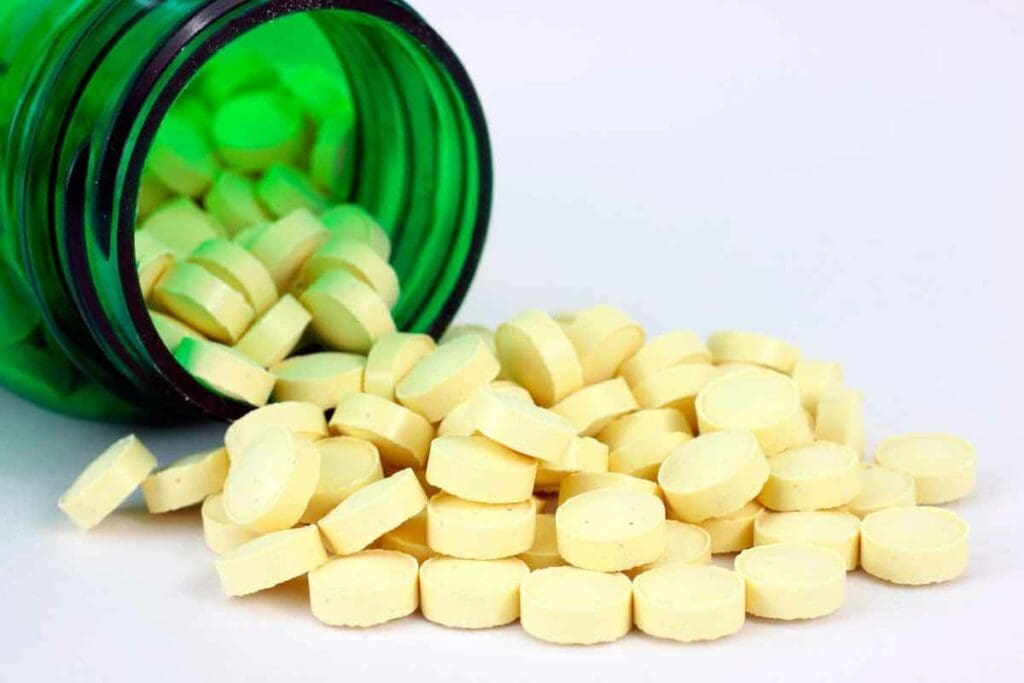
The 1 mg folic acid tablet is a common treatment for folate deficiency. Folic acid is key for DNA repair, cell growth, and division. Without enough, health problems can arise, making supplements a must for some.
Comparing Different Dosage Strengths
Folic acid supplements come in many strengths, from 400 micrograms to 5 milligrams or more. The right dose depends on your health needs and how severe the deficiency is.
| Dosage Strength | Common Use |
| 400-800 mcg | General health supplementation, prenatal care |
| 1 mg | Treatment of folate deficiency, certain medical conditions |
| 5 mg or more | Specific medical conditions as directed by a healthcare provider |
Why 1 mg Is Often Prescribed
A 1 mg dose of folic acid is often chosen because it’s effective yet safe. It treats deficiency without causing harm to most people.
Key benefits of the 1 mg dosage include:
- Effective treatment of folate deficiency
- Support for overall health and well-being
- Compatibility with various health conditions
In conclusion, the 1 mg folic acid tablet is a versatile and effective dosage for treating folate deficiency and supporting overall health. Understanding the different dosage strengths and their applications can help individuals make informed decisions about their supplementation needs.
Medical Conditions Treated with 1 mg Folic Acid Tablets.
Doctors often give 1 mg doses of folic acid for many health issues. It’s key for people who can’t absorb folate well.
Folate Deficiency: Symptoms and Diagnosis
Folate deficiency can cause anemia, tiredness, and problems in babies. Signs include:
- Persistent tiredness
- Shortness of breath
- Pale skin
- Headaches
To find out if you have it, blood tests check folate levels. Early detection is key to avoiding serious health problems.
Megaloblastic Anemia Management
Megaloblastic anemia makes red blood cells too big. It’s often from not enough folate or vitamin B12. Taking 1 mg of folic acid tablets can:
- Fix folate levels
- Help make more normal red blood cells
- Reduce weakness and tiredness
Quick treatment can greatly improve life quality for those with this anemia.
Other Clinical Applications
1 mg folic acid tablets are also used for other things. These include:
- Helping pregnancy health
- Managing some anemias
- Fixing nutritional gaps
“Folic acid supplements are vital in preventive care, mainly for pregnant women and those with special dietary needs.”
Nutritional Guidelines
In summary, 1 mg folic acid tablets treat many health issues, like folate deficiency and megaloblastic anemia. They are also important for preventing health problems. This shows how vital folic acid is for our health.
Folic Acid and Pregnancy: Preventing Neural Tube Defects
Folic acid is key in prenatal care, helping prevent neural tube defects during pregnancy. Neural tube defects affect the brain and spine and happen early in pregnancy. Often, women don’t even know they’re pregnant yet.
The neural tube forms early, and folic acid is essential for its closure. Research shows that a daily prenatal vitamin with 1 mg of folic acid can lower the risk of neural tube defects. These include spina bifida and anencephaly.
Optimal Timing for Supplementation
It’s best to start taking folic acid a month before trying to conceive and keep taking it through the first trimester. This is because the neural tube closes early in pregnancy.
Women planning to get pregnant should talk to their healthcare provider about folic acid. They can figure out the best plan for their needs.
Clinical Evidence and Recommendations
Many studies prove folic acid’s role in preventing neural tube defects. The CDC and ACOG suggest all women of childbearing age take 400 to 800 micrograms of folic acid daily. Some might need 1 mg, depending on their risk factors or medical history.
The evidence for folic acid in preventing neural tube defects is strong. Healthcare providers all agree on its importance during pregnancy.
Prescription vs. OTC: Accessing 1 mg Folic Acid
You can get 1 mg of folic acid through prescriptions or over-the-counter (OTC) options. This gives patients choices based on their health needs. It’s for those with specific health issues or as a preventive measure.
When Doctors Prescribe 1 mg Doses
Doctors often give 1 mg doses of folic acid to patients with folate deficiency. This includes those with megaloblastic anemia or on treatments that affect folate levels. They might get 1 mg of folic acid daily.
A study in the Journal of Clinical Oncology found that some chemotherapy patients need folic acid. A doctor might then prescribe 1 mg to meet their nutritional needs during treatment.
“Folic acid supplementation is key for patients on treatments that lower folate levels. It helps prevent deficiency-related problems.”
– Senior Oncologist
Over-the-Counter Folic Acid 1mg Options
For those not needing a prescription, 1 mg folic acid is available OTC. You can find it in tablets, capsules, and liquids. It’s easy to buy at pharmacies, health food stores, and online.
When picking an OTC folic acid supplement, check the label for dosage. Make sure it matches your needs. Some products also have vitamin B12 and vitamin B6 for extra benefits.
| Product | Dosage | Additional Ingredients |
| Folic Acid 1mg Tablets | 1 mg per tablet | None |
| Folate Complex | 1 mg per capsule | Vitamin B12, Vitamin B6 |
| Liquid Folic Acid | 1 mg per mL | None |
In summary, getting 1 mg of folic acid is easy, whether by prescription or OTC. But always talk to a healthcare professional before starting any supplement. This is important, more so if you’re considering a prescription dose or have health issues.
Where to Buy Folic Acid 1mg Supplements Safely
It’s important to buy folic acid 1mg supplements from trusted places for health and safety. Many people look for safe places to buy these supplements. You can find them online or in stores.
Pharmacy and Retail Options
Folic acid supplements are easy to find in pharmacies and stores in the U.S. Big names like CVS, Walgreens, and Walmart have them. They are safe because they follow health rules and quality checks.
When you buy in a store, check the label. Look for the maker’s info, expiration dates, and any National Science Foundation (NSF) or International Society for Sports Nutrition (ISSN) certifications.
| Store | Availability of 1mg Folic Acid | Price Range |
| CVS Pharmacy | Yes | $5-$10 |
| Walgreens | Yes | $5-$12 |
| Wal-Mart | Yes | $4-$8 |
Online Sources and Verification
Buying folic acid 1mg online is easy. Sites like Amazon, iHerb, and Vitamin Shoppe have lots of options. But make sure the product is real and of good quality.
Look for clear labels with the supplement facts and maker’s info. Also, check for USP (United States Pharmacopeia) or NSF International certifications. They mean the product meets quality standards.
Reading reviews online can help. They tell you if the product works well and if there are any problems. Also, check the seller’s ratings and return policies to be safe.
Formulations and Types of 1 mg Folic Acid Products
The market has many 1 mg folic acid products. You can find everything from traditional tablets to new liquid forms. This variety helps meet different needs and preferences, making it easy to find the right product for you.
Tablets, Capsules, and Pills
Tablets are a common choice for folic acid supplements. They are simple to take. Capsules are easier to swallow for some and can have extra ingredients for better absorption. Pills are like tablets but might have different coatings that affect how the body absorbs the folic acid.
You can easily find folic acid tablets, capsules, and pills in the 1 mg dose. This makes it easy to meet your health needs.
Liquid and Specialized Formulations
Liquid folic acid is great for those who can’t swallow tablets or capsules. It’s perfect for kids or people with stomach problems.
There are also special products for different life stages or health needs. For example, prenatal vitamins have 1 mg of folic acid to support pregnancy health.
| Formulation Type | Key Features | Target Audience |
| Tablets | Easy to administer, straightforward dosage | General population |
| Capsules | It may be easier to swallow, and can be formulated with additional ingredients.. | Individuals with swallowing difficulties |
| Liquid Formulations | Convenient for those who cannot swallow pills | Children, individuals with gastrointestinal issues |
| Specialized Formulations | Designed for specific life stages or health conditions | Pregnant women, individuals with specific health needs |
Manufacturers offer a wide range of products to meet everyone’s needs. This ensures that everyone can benefit from 1 mg of folic acid supplements.
Proper Administration of 1 mg Folic Acid Supplements
Getting 1 mg of folic acid supplements right is key to their success. Folic acid is vital, mainly for pregnant women and those with certain health issues. It helps those with a folate deficiency, too.
Timing and Frequency
When and how often to take 1 mg folic acid supplements depends on your health. Taking it at the same time every day helps keep levels steady. Most people need just one tablet a day.
But your doctor will tell you the best dose and when to take it. They consider your health and needs.
Pregnant women need folic acid to prevent birth defects. The NHS advises starting it before and early in pregnancy.
With or Without Food
You can take folic acid with or without food. Food might help with stomach side effects for some. But it doesn’t really affect how well your body absorbs it.
Duration of Treatment
How long you need to take folic acid depends on why you’re taking it. Pregnant women usually need it for the first three months.
People with folate deficiency or certain health issues might need it longer. Your doctor will decide based on your progress.
| Condition | Typical Duration | Dosage Frequency |
| Pregnancy | First trimester | Once daily |
| Folate Deficiency | The efficiency is resolved | Once daily |
| Megaloblastic Anemia | Until the condition is managed | Once daily |
In summary, taking 1 mg of folic acid supplements right means knowing when, how often, and for how long. Always follow your doctor’s advice to get the most out of folic acid.
Potential Side Effects and Safety Profile
Folic acid is safe for most people, but knowing its side effects is key. Supplements with 1 mg of folic acid are usually okay. Yet, some folks might react badly to them.
Common Adverse Reactions
Side effects from 1 mg folic acid supplements are usually mild. They might include:
- Gastrointestinal troubles like nausea and diarrhea
- Abdominal cramps
- Fatigue or trouble sleeping
These issues often go away by themselves. But if they don’t, or if they’re bad, see a doctor.
| Side Effect | Frequency | Management |
| Nausea | Common | Take with food |
| Diarrhea | Common | Adjust dosage or consult a doctor |
| Abdominal Cramps | Less Common | Consider alternative formulations |
Rare but Serious Concerns
High doses of folic acid can hide signs of vitamin B12 deficiency. This can lead to serious nerve damage. Older folks need to check their vitamin B12 levels before taking folic acid.
“High doses of folic acid can mask the diagnosis of pernicious anemia by alleviating its hematological manifestations while allowing the neurological manifestations to progress.” –
Source: National Institutes of Health
Folic acid can also mess with some medicines, like those for seizures. This might make them not work right or cause more side effects. Always talk to a doctor before starting any supplements.
In summary, 1 mg folic acid supplements are usually safe. But knowing the possible side effects and how to avoid them makes them even safer and more effective.
Drug Interactions with 1 mg Folic Acid Supplements
It’s important to know how 1 mg folic acid supplements interact with other drugs. Folic acid is usually safe, but it can affect how well other medicines work. It might also change the side effects of these drugs.
Medications That Reduce Effectiveness
Some drugs can make 1 mg folic acid supplements less effective. These include:
- Anticonvulsants: Drugs like phenytoin, carbamazepine, and valproate can affect folic acid. This might change how well they work or increase side effects.
- Methotrexate: Used for treating some cancers and autoimmune diseases, methotrexate’s effectiveness can drop when taken with folic acid.
- Barbiturates: These drugs may interact with folic acid. This could make it less effective or raise the chance of side effects.
Drugs Affected by Folic Acid
Folic acid can also impact the effectiveness or increase the side effects of some drugs. For example:
- Pyrimethamine: Used for treating some parasitic infections, pyrimethamine’s effectiveness can decrease when taken with folic acid.
- Antifolate drugs: Folic acid might reduce the effects of antifolate drugs used in cancer treatment.
People taking 1 mg of folic acid supplements should tell their doctor about all their medications. This includes prescription drugs, over-the-counter medicines, and other supplements. This way, they can avoid bad interactions and use folic acid safely and effectively.
Avoiding Dosage Confusion: 1 mg vs. 1 g Folic Acid
It’s important to know the difference between 1 mg and 1 g of folic acid. This is not just about numbers. It’s about the amount of folic acid you’re taking, with 1 g being 1000 times more than 1 mg.
1 gram equals 1000 milligrams. So, 1 g of folic acid is much more than what’s usually recommended. This big difference can affect your health in many ways. It could mean not getting enough treatment or even being too toxic.
Understanding Metric Measurements
The metric system is used worldwide for measuring medicine and supplements, like folic acid. In this system, a gram (g) is the main unit of mass. A milligram (mg) is one-thousandth of a gram. So, 1 mg is 0.001 g, and 1 g is 1000 mg.
Getting the right dose is key. It’s important for health, like preventing birth defects or treating folate deficiency. The right amount helps avoid bad effects.
| Dosage Measurement | Equivalent in Milligrams | Equivalent in Grams |
| 1 mg | 1 mg | 0.001 g |
| 1 g | 1000 mg | 1 g |
Potential Dangers of Dosage Errors
Mistaking 1 mg for 1 g of folic acid can be dangerous. Taking too much folate can cause problems. On the other hand, not enough folate might not treat the condition well.
To avoid mistakes, always read the dosage instructions on your folic acid supplement. It’s also wise to talk to a healthcare professional. They can help make sure you’re taking the right amount for your health needs.
Conclusion: Balanced Approach to Folic Acid Supplementation
A balanced approach to folic acid is key to good health. We talked about how 1 mg of folic acid helps with folate deficiency and megaloblastic anemia.
When taken right, folic acid supplements can really help your health. It’s important to know how to take them, their side effects, and how they interact with other drugs.
By taking a balanced approach, you can get the most benefits with the least risks. This means knowing the different types of supplements, following the right dosage, and talking to a doctor about what’s best for you.
In the end, knowing how to use folic acid supplements can make you healthier and happier.
FAQ
What is the recommended dosage of folic acid for pregnant women?
Pregnant women should take 1 mg of folic acid daily. This helps prevent neural tube defects in the fetus.
What is the difference between folate and folic acid?
Folate is found naturally in foods. Folic acid is synthetic and used in supplements and fortified foods.
Can I take 1 mg of folic acid if I’m not pregnant?
Yes, non-pregnant individuals can take 1 mg of folic acid. This is true for those with folate deficiency or certain health conditions.
How do I know if I have a folate deficiency?
A blood test can diagnose folate deficiency. Symptoms include fatigue, weakness, and shortness of breath.
Can I buy 1 mg folic acid supplements over-the-counter?
Yes, you can buy 1 mg folic acid supplements at pharmacies and online. Make sure to check the product’s quality and authenticity.
Are there any side effects associated with taking 1 mg of folic acid?
Taking 1 mg of folic acid is generally safe. But some people might experience nausea, stomach cramps, or allergic reactions.
Can I take 1 mg of folic acid with other medications?
Always talk to a healthcare professional before mixing 1 mg of folic acid with other medications. Some interactions can occur.
What is the difference between 1 mg and 1 g of folic acid?
1 mg is 0.001 g. Taking 1 g of folic acid is 1000 times more than the safe dose and can be harmful.
How long should I take 1 mg of folic acid supplements?
The length of time you should take 1 mg of folic acid depends on your health and needs. A healthcare professional should advise you.
Can I take 1 mg of folic acid on an empty stomach?
You can take folic acid supplements with or without food. But taking it with food might reduce stomach side effects.
Are there any rare but serious concerns associated with taking 1 mg of folic acid?
Taking 1 mg of folic acid can rarely cause serious issues like allergic reactions or interactions with medications. Be aware of these risks.
References
- NHS. (2023, March 16). How and when to take folic acid. Retrieved from https://www.nhs.uk/medicines/folic-acid/how-and-when-to-take-folic-acid/