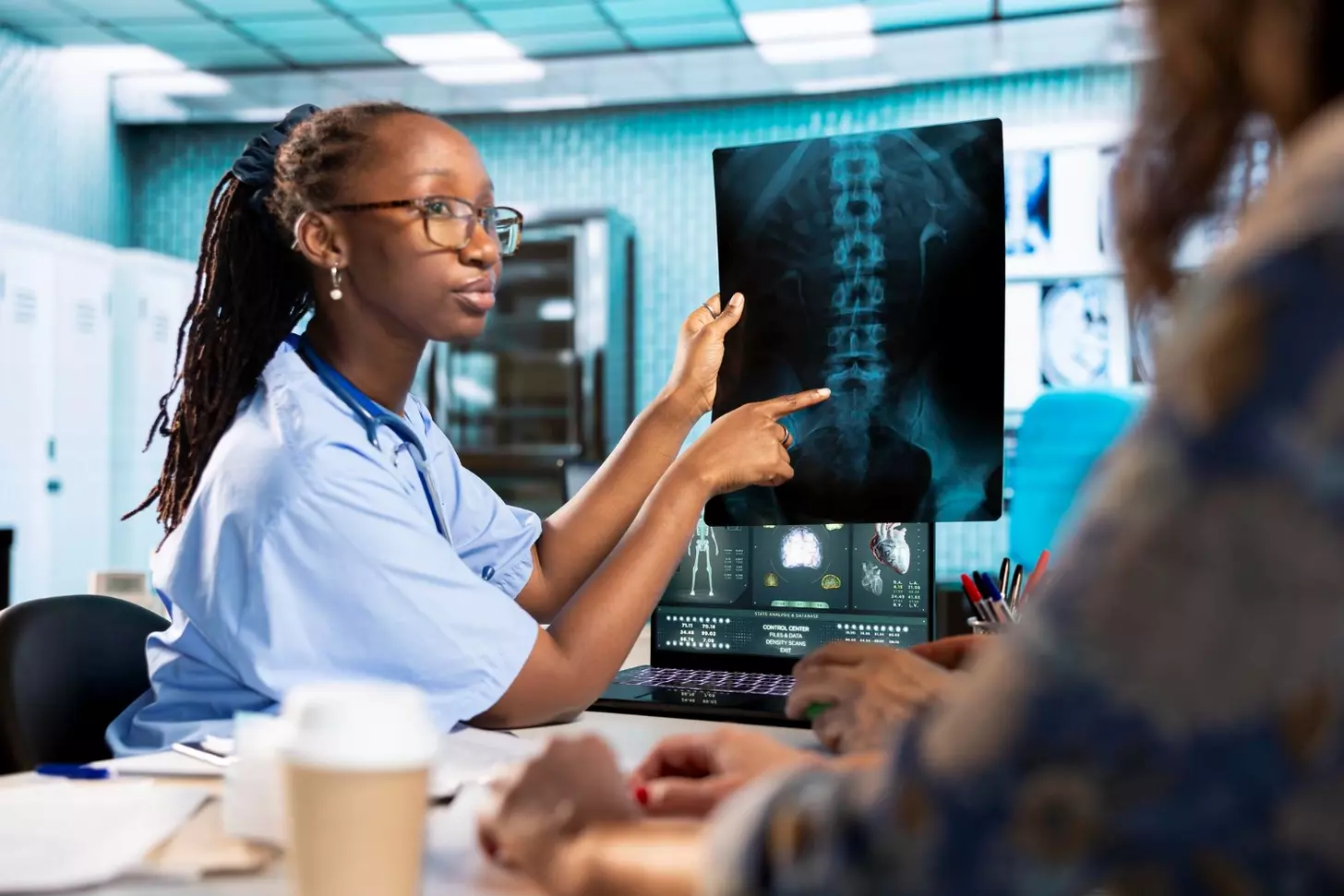
Early detection is key, but what does it mean for those facing brain cancer? The first signs can be small and different. They might include headaches, seizures, numbness, or trouble with motor skills. These diverse symptoms make it hard for patients to know they have the disease.
At Liv Hospital, we’ve seen the power of never giving up and innovative care. The stories of brain tumor survivors show the strength and resilience of the human spirit. They prove that even in tough times, we can overcome.
Key Takeaways
- Early detection of brain cancer is key for effective treatment.
- Varied symptoms can make diagnosis hard.
- Survivor stories offer hope and inspiration to those newly diagnosed.
- Innovative care and perseverance help beat brain tumors.
- Liv Hospital is dedicated to top-notch healthcare and support.
Understanding Brain Cancer: Types, Symptoms, and Survival Rates
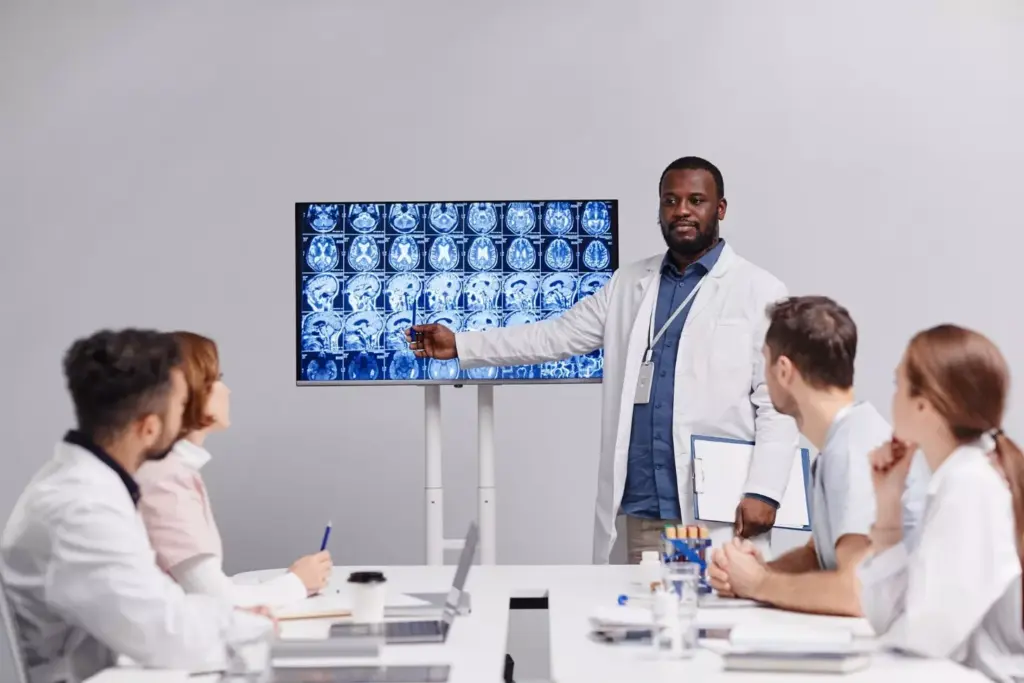
Brain cancer is not just one disease but many. Glioblastoma multiforme is one of the most aggressive. Knowing about the different types, symptoms, and survival rates helps patients and their families. This knowledge helps them face the challenges of diagnosis and treatment.
Common Types of Brain Cancer and Brain Tumors
Brain tumors can be either benign or malignant. The malignant ones are more aggressive and dangerous. Here are some common types:
- Meningioma: Usually benign and grows from the meninges.
- Glioma: Comes from the brain’s glial cells and can vary in severity.
- Medulloblastoma: Common in kids, this malignant tumor grows in the cerebellum.
Knowing the type of brain tumor is key to finding the right treatment and understanding the prognosis.
Glioblastoma Multiforme (GBM): The Most Aggressive Form
Glioblastoma Multiforme (GBM) is a very aggressive and malignant brain cancer. It grows fast and is hard to treat. A leading oncologist says, “GBM is a tough opponent, needing a complex treatment plan.” Here are some important facts about GBM:
- It’s the most common primary malignant brain tumor in adults.
- The average survival time is about 12-15 months, even with new treatments.
- GBM is a big cause of death from brain cancer.
Typical Survival Rates and Prognosis
Survival rates for brain cancer depend on the tumor type, grade, and the patient’s health. For glioblastoma multiforme, the five-year survival rate is less than 10%. But,
“Survivor stories offer hope and inspiration, highlighting the importance of resilience and advances in medical treatment.”
It’s important for patients to talk about their specific prognosis and treatment options with their doctor.
Recognizing the First Signs: Common Brain Tumor Symptoms
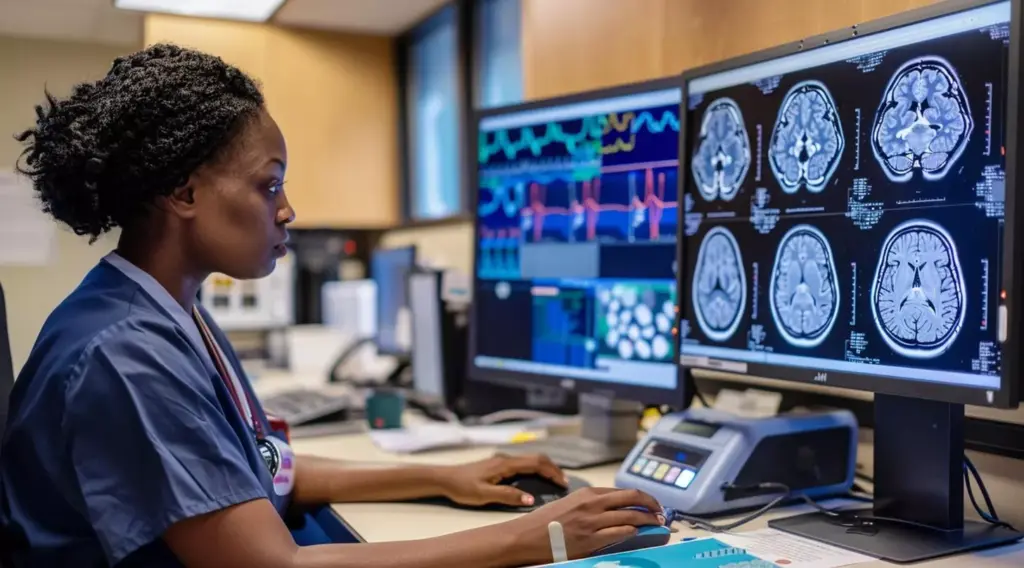
Spotting brain tumors early is key. Knowing the common symptoms is vital. These symptoms can be subtle and varied.
Subtle Early Warning Signs
The first signs of a brain tumor can be tricky to spot. Headaches, seizures, and numbness or weakness in parts of the body are common symptoms. These signs can be mistaken for other health issues.
Some people notice changes in their cognitive functions. This includes memory problems or trouble focusing. It’s important to see a doctor if these symptoms last.
How Symptoms Vary by Tumor Location
The location of the tumor affects symptoms. Tumors in motor control areas can cause difficulty with coordination and balance.
A table below shows how tumor location impacts symptoms:
| Tumor Location | Common Symptoms |
|---|---|
| Frontal Lobe | Changes in personality, motor weakness |
| Temporal Lobe | Seizures, memory issues |
| Parietal Lobe | Sensory disturbances, difficulty with spatial awareness |
When to See a Doctor
If you’re experiencing headaches, seizures, or cognitive changes that won’t go away, see a doctor. Early treatment can make a big difference.
Knowing the first signs can lead to early treatment. This is critical for brain tumor patients.
Sarah’s Journey: Overcoming Glioblastoma Against All Odds
Sarah’s story is a beacon of hope and resilience against glioblastoma. Diagnosed with glioblastoma multiforme, a very aggressive brain cancer, her journey shows the power of the human spirit. We are inspired by her courage and determination as she faces treatment and recovery challenges.
First Symptoms: Persistent Headaches and Vision Changes
Sarah first noticed persistent headaches and vision changes. At first, she thought it was stress and fatigue. But as symptoms worsened, she went to see a doctor. Glioblastoma symptoms can be subtle and varied, making early diagnosis hard. Her story shows how important it is to know the signs of a brain tumor.
Her diagnosis shocked her, but Sarah was ready to face it. She went through a treatment plan that included surgery, chemotherapy, and radiation. The road to recovery was not easy, but Sarah’s spirit never wavered.
Treatment Path and Challenges
The treatment for glioblastoma is tough, needing many therapies and a strong support system. Sarah faced many challenges, like managing side effects and keeping her health up. Her story highlights the need for a multidisciplinary care team in glioblastoma treatment.
Throughout her journey, Sarah hit many obstacles, from emotional impacts to physical changes from treatment. Yet, she stayed committed to her recovery.
Life After Five Years as a GBM Survivor
More than five years after her diagnosis, Sarah is a long-term glioblastoma multiforme survivor. Her story gives hope and inspiration to others with similar diagnoses. Sarah’s story is a powerful reminder that survival is possible, even with a tough diagnosis like glioblastoma.
As a glioblastoma survivor, Sarah fights for awareness and support for brain cancer patients. Her journey shows the human ability to be resilient and the value of never losing hope.
Michael’s Story: When Seizures Revealed a Hidden Tumor
Seizures can be scary, and for Michael, they were the first sign of a brain tumor. This tumor would change his life forever. Michael’s journey shows us the challenges of brain cancer diagnosis and the strength needed to face them.
From Unexplained Seizures to Diagnosis
Michael’s seizures came without warning, leaving him and his family searching for answers. After tests, they found out he had a brain tumor. This journey was full of uncertainty, but it led to a treatment plan that gave Michael hope.
The news was shocking, but Michael was determined to learn about his condition. With his medical team and loved ones by his side, he started to understand his treatment options.
Surgical Intervention and Recovery Process
Surgery was the first step in Michael’s treatment. The goal was to remove as much of the tumor as possible while keeping important brain functions. The surgical team worked carefully to achieve this balance.
After surgery, Michael faced a tough recovery. This included physical rehab and getting used to emotional and cognitive changes. With support, Michael slowly regained his strength and learned to deal with his treatment’s effects.
Adapting to a New Normal After Brain Cancer
Michael’s recovery journey included adapting to a new normal. He had to manage the long-term effects of his treatment and keep his quality of life. Through his journey, Michael learned about resilience and the value of support from others who have gone through similar experiences.
Michael’s story shows the power of the human spirit in the face of adversity. His experience highlights the varied first symptoms of brain tumors, like seizures. It also shows the importance of complete care and support during treatment.
| Key Challenges | Support Strategies | Outcomes |
|---|---|---|
| Diagnosis and Treatment Uncertainty | Medical Team Support, Family Care | Clear Treatment Plan |
| Post-Surgery Rehabilitation | Physical Therapy, Emotional Support | Regained Strength, Coping Mechanisms |
| Adapting to New Normal | Support Groups, Counseling | Improved Quality of Life |
Emma’s Battle: Childhood Brain Cancer and Long-Term Survival
Emma’s story is about overcoming pediatric brain cancer. It shows the ups and downs of living with this disease. We’ll look at the symptoms, treatments, and her journey as a survivor.
Symptoms That Concerned Her Parents
Emma’s parents noticed she had headaches and acted differently. These small signs made them worry and seek help. They found out she had a brain tumor that needed quick action.
Early detection is key for childhood brain cancer. It can greatly improve treatment and survival chances. Emma’s story teaches us to watch for any changes in our kids.
Specialized Treatment Approaches for Pediatric Patients
Emma got special care for kids with brain cancer. She had surgery, chemotherapy, and radiation. These treatments aimed to reduce long-term effects and boost her survival chances.
Every child’s case is different. Emma’s treatment was made just for her. Her team worked with her family to create a plan that fit her needs.
Growing Up as a Brain Cancer Survivor
Living with brain cancer as a kid is tough. Emma faced many challenges but never gave up. Her story shows the power of resilience and support for survivors.
Emma had a strong support system. It included her family, doctors, and support groups. This network helped her deal with treatment’s effects and look to the future.
David’s Experience: When Motor Skills Changes Signaled Trouble
David’s journey with brain cancer started with small changes in his motor skills. At first, these changes seemed like just fatigue or minor issues. But as time went on, it became clear that something serious was happening.
Subtle Changes in Coordination and Balance
David first noticed problems with his coordination and balance. These issues got worse over time. Simple tasks became hard, and David struggled with things he used to do easily.
David then went to see a doctor. After tests, he found out he had a brain tumor. This diagnosis was a turning point, starting a tough journey through treatment and recovery.
Diagnosis, Surgery, and Rehabilitation Journey
David’s treatment included surgery to remove the tumor and a long rehabilitation program. The surgery removed most of the tumor, but recovery was hard.
Rehabilitation was key to David’s recovery. It focused on getting his motor skills back and improving his life quality. With physical and occupational therapy, and support from his team, David made big progress.
Returning to Active Life Post-Treatment
After treatment and rehab, David slowly got back to his active life. He faced many challenges, but with family, friends, and healthcare support, he regained his strength and independence.
David’s story shows the power of the human spirit and the importance of early detection and treatment. His experience emphasizes the need to know the early signs of brain cancer, like changes in motor skills. It also shows how timely medical help can change outcomes.
| Symptoms | David’s Experience | Medical Intervention |
|---|---|---|
| Changes in Motor Skills | Noticed difficulties with coordination and balance | Surgery and Rehabilitation |
| Diagnosis | Brain Tumor Diagnosis | Comprehensive Treatment Plan |
| Recovery | Regained motor skills through therapy | Physical and Occupational Therapy |
Compelling Brain Cancer Stories That Offer Hope and Inspiration
Brain cancer survivors share stories of hope in the darkest times. Their tales inspire others and offer insights into the disease and treatments.
Lisa: Surviving Multiple Recurrences
Lisa has faced brain cancer with courage, surviving many recurrences. Her story shows the power of perseverance and new treatments. She has tried surgery, chemotherapy, and clinical trials.
Lisa’s strength in the face of recurrences is inspiring. Her ability to try new treatments is key to her fight against GBM. Her story pushes for more research into GBM treatments.
John: A Decade of Life After Glioblastoma
John’s survival for over a decade with glioblastoma is remarkable. His journey is filled with challenges but also with hope. His determination and medical team’s support have been key.
John’s case shows the value of a complete treatment plan. His story proves glioblastoma can be beaten. It’s a powerful example of living with brain cancer and thriving.
Maria: Success Through Experimental Treatments
Maria’s fight against brain cancer turned when she joined a clinical trial. Her story highlights the promise of new treatments. It shows the importance of access to cutting-edge care and clinical trials.
Maria’s success with experimental treatments gives hope to others. Her story reminds us that new possibilities exist for brain cancer patients.
| Survivor | Diagnosis | Treatment | Outcome |
|---|---|---|---|
| Lisa | Glioblastoma Multiforme (GBM) | Surgery, Chemotherapy, Clinical Trials | Survived Multiple Recurrences |
| John | Glioblastoma | Surgery, Radiation, Chemotherapy | A Decade of Survival |
| Maria | Brain Cancer | Experimental Treatments through Clinical Trials | Significant Success |
Lisa, John, and Maria’s stories are full of hope and resilience. Their journeys highlight the need for ongoing research, new treatments, and support from medical teams and loved ones.
The Emotional Impact: Mental Health in Brain Cancer Survivors
Surviving brain cancer is more than just beating the disease. It’s also about dealing with the emotional ups and downs. Survivors often say it’s about being strong emotionally as much as it is about medical care.
Coping with Diagnosis and Treatment
Getting a brain cancer diagnosis is tough. It can make you feel scared, anxious, and sad. Survivors face many challenges, like memory problems, tiredness, and changes in how they look. These can really affect their mental health.
Effective coping strategies include talking to a therapist, joining support groups, and using mindfulness. These help manage the emotions that come with diagnosis and treatment.
Support Systems and Resources
Having a strong support system is key for brain cancer survivors. This includes family, friends, doctors, and support groups. Sharing experiences with others who’ve been through it can offer comfort and advice.
There are many resources for survivors, like online forums, counseling, and rehab programs. These help with the emotional and mental sides of living with brain cancer.
Finding Meaning and Purpose After Brain Cancer
Many survivors find a new sense of purpose after brain cancer. They might rediscover passions, set new goals, or help others. This can be through advocacy or volunteering.
Finding purpose can greatly improve mental health and life quality. It helps survivors move past their diagnosis and treatment, embracing a fulfilling future.
Rehabilitation and Recovery: Rebuilding Life After Brain Cancer
Brain cancer survivors face many challenges on their road to recovery. They need different kinds of help to get strong and independent again. With the right support, many can rebuild their lives successfully.
Physical Rehabilitation Challenges and Successes
Physical therapy is key for survivors to regain strength and mobility. Physical therapy helps them deal with surgery, radiation, or chemotherapy effects. We create special exercise plans for each patient to improve balance, coordination, and physical function.
Many survivors regain their independence and enjoy their favorite activities again. For example, some go back to hiking, swimming, or running after a customized physical therapy program.
Cognitive Rehabilitation Strategies
Cognitive rehabilitation is also vital in recovery. Brain cancer and its treatment can harm memory, attention, and processing speed. Cognitive rehabilitation therapists help survivors find ways to overcome these issues. They learn strategies to do daily tasks and stay independent.
They use memory aids, organizational tips, and exercises to boost concentration and flexibility. These strategies help many survivors lead happy lives despite cognitive challenges.
Returning to Work and Daily Activities
Going back to work and daily activities is a big step in recovery. It can be tough for many survivors. We help them by guiding on how to manage work, adapt their environment, and cope with stress.
We also encourage survivors to talk to their employers about their needs and any needed accommodations. This teamwork ensures a smooth return to work and daily life.
Advances in Brain Cancer Treatment Offer New Hope
Medical technology has made big strides in treating brain cancer, giving hope to people everywhere. We’re seeing a big change in how we treat brain cancer. This is thanks to new therapies, clinical trials, and personalized medicine.
Breakthrough Therapies and Clinical Trials
Breakthrough therapies are changing brain cancer treatment. These include:
- Immunotherapy: Using the immune system to fight cancer cells.
- Targeted Therapy: Drugs that target cancer cells, protecting healthy tissue.
- Gene Therapy: Changing genes to prevent or treat cancer.
Clinical trials are key in testing these new treatments. They help find out if these treatments are safe and work well. By joining clinical trials, patients get to try new therapies before they’re widely available.
Personalized Medicine Approaches
Personalized medicine is changing brain cancer treatment. It tailors treatments to each patient’s unique tumor. This involves:
- Genomic Profiling: Studying the genetic makeup of tumors to find specific mutations.
- Biomarker-Driven Therapies: Using biomarkers to see which treatments will work best for a patient.
By knowing the genetic and molecular details of each patient’s cancer, doctors can create better, more targeted treatment plans.
Future Directions in Brain Cancer Treatment
The future of brain cancer treatment is bright, with many promising areas of research:
- Artificial Intelligence (AI) in Cancer Care: AI can analyze data, find patterns, and predict treatment results.
- Nano-Medicine: Using nanoparticles to deliver drugs directly to cancer cells, making treatments more effective and reducing side effects.
- Combination Therapies: Using different treatments together to get better results.
These advancements are not just improving survival rates. They’re also making life better for brain cancer patients. As research keeps moving forward, we’re hopeful these innovations will lead to even better outcomes for patients everywhere.
Conclusion: Finding Strength Through Brain Cancer Survivor Stories
Brain cancer survivor stories show us the power of the human spirit. They teach us about living with brain cancer and its challenges. These stories give us a glimpse into their journeys, from diagnosis to recovery.
These accounts remind us of the need for support in fighting brain cancer. They highlight the progress in medical treatments and the importance of care tailored to each patient. This shows how vital it is to have both medical and emotional support.
Reflecting on these stories, we see the strength and courage of brain cancer survivors. Their tales inspire hope and push for more research and awareness about brain cancer. These stories help build a supportive community for those touched by brain cancer.
What are the common first symptoms of a brain tumor?
Early signs include headaches that won’t go away, seizures, and vision problems. You might also notice trouble speaking or understanding language. Changes in mood or behavior are other signs.
How do I know if I have a brain tumor?
If you have headaches, seizures, or vision or speech issues, see a doctor. They might use MRI or CT scans to check.
What is glioblastoma multiforme, and how is it treated?
Glioblastoma multiforme (GBM) is a fast-growing brain cancer. Treatment includes surgery, radiation, and chemotherapy. The plan depends on the tumor and your health.
Can brain cancer be cured?
It depends on the tumor type, grade, and location, and your health. Some tumors can be cured, while others need ongoing care.
What is the survival rate for glioblastoma multiforme?
Survival for GBM varies. Most live 12-18 months after diagnosis. But, some live longer with aggressive treatment.
How do brain cancer survivors cope with their diagnosis and treatment?
Survivors get support from doctors, family, friends, and groups. They might also use therapy for emotional and mental health.
What rehabilitation is needed after brain cancer treatment?
Rehab includes physical therapy for strength and mobility. Cognitive and speech therapy may also be needed. It depends on the treatment’s effects.
Are there new treatments available for brain cancer?
Yes, new treatments are being researched. This includes targeted therapies and improved surgery methods. Clinical trials offer access to these new treatments.
How can I find support as a brain cancer survivor?
Look for support from doctors, groups, online forums, and brain cancer organizations. Talking to others who understand can be very helpful.
What are the latest advances in brain cancer treatment?
New treatments include personalized medicine and clinical trials. These explore new therapies and approaches.
Can I return to work after being treated for brain cancer?
Many can go back to work, but it depends on the treatment’s effects. Some might need to adjust their job or work hours.
What are the signs that I should seek immediate medical attention for a possible brain tumor?
Look for sudden severe headaches, seizures, confusion, weakness, speech or vision problems, and changes in consciousness. These are urgent signs.
Reference
- Glioblastoma Foundation. Glioblastoma Patient Stories. https://glioblastomafoundation.org/patients/glioblastoma-patient-stories
- American Brain Tumor Association. 12-Year Glioblastoma Survivor. https://www.abta.org/mindmatters/12-year-glioblastoma-survivor/
- National Brain Tumor Society. Guest Blog: Shifting My Mindset After a Glioblastoma Diagnosis. https://braintumor.org/news/guest-blog-shifting-my-mindset-after-a-glioblastoma-diagnosis/


 Departments
 Related Videos
 Our Doctors
 News
News