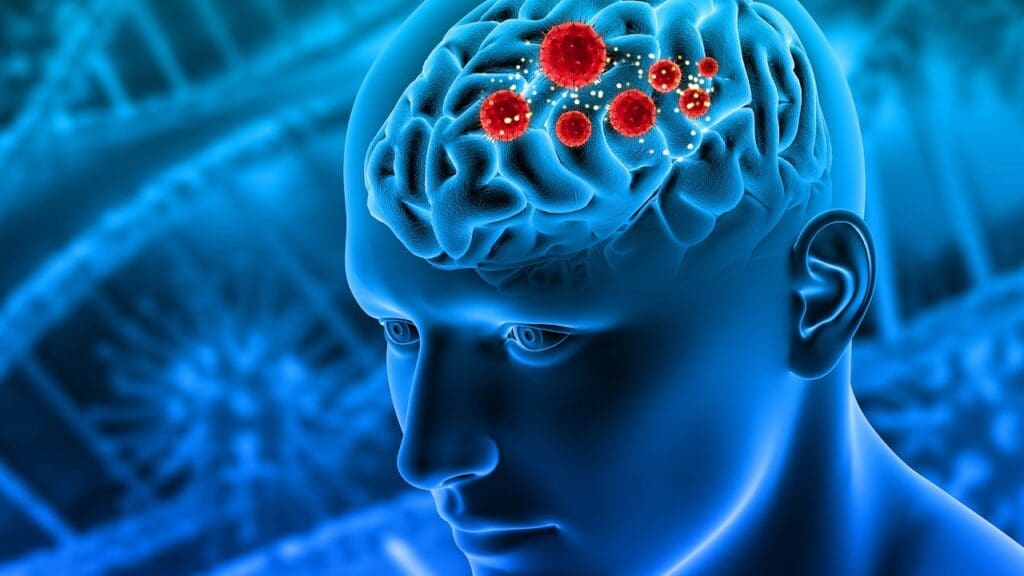
Getting a brain tumor diagnosis can feel overwhelming. It’s hard to understand the signs of decline at the end of life. Brain tumor seizures are a big worry, affecting up to 50% of patients in the final stages.
At Liv Hospital, we help you know the key signs to watch for. We make sure you’re prepared and supported during this tough time. Knowing these signs helps families give comfort and care when it counts the most.
Key Takeaways
- Recognizing the signs of decline at the end of life
- Understanding the impact of brain tumor seizures
- Support and care options for families
- Importance of patient-centered care
- Liv Hospital’s commitment to evidence-based care
The Reality of Brain Tumor Progression in Advanced Stages
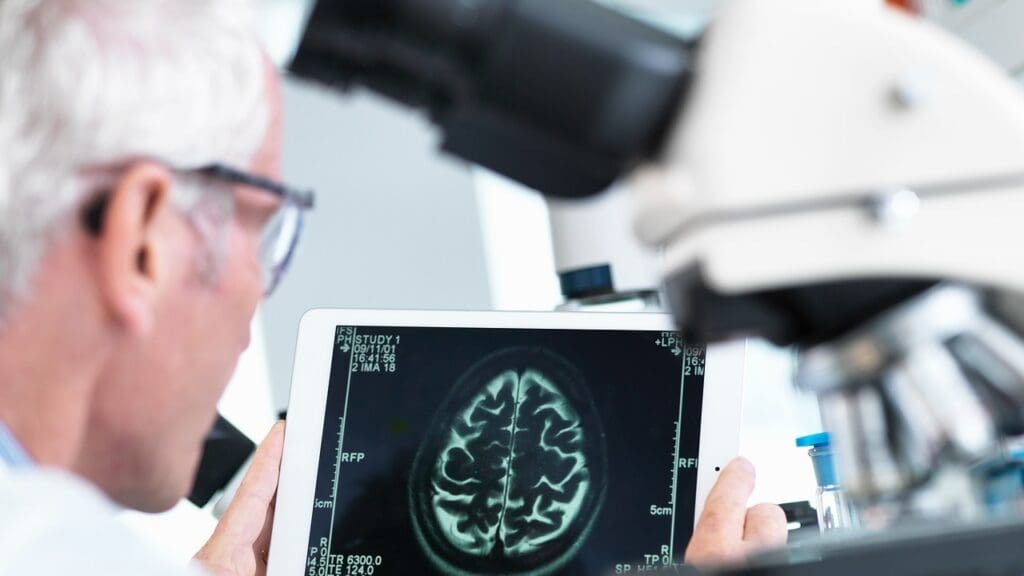
Brain tumor progression in advanced stages leads to a big drop in neurological function. Patients face many symptoms that make life hard. These symptoms greatly affect their quality of life.
How Brain Tumors Affect Neurological Function
Brain tumors can really mess with how our brains work. They can cause changes in thinking, movement problems, and other brain issues. The tumor’s size and where it is in the brain matter a lot.
For example, tumors near motor areas can cause weakness or even paralysis. Tumors near thinking areas can lead to memory loss or getting confused.
Common Neurological Effects:
- Cognitive impairments
- Motor deficits
- Seizures
- Vision and speech difficulties
Understanding the Final Stage Timeline
The time it takes for brain tumors to reach the final stage varies a lot. Things like the tumor type, how well it responds to treatment, and the patient’s health play a big role.
“Understanding the prognosis and timeline helps patients and families make informed decisions about care and support.”
Individual Variations in Disease Trajectory
Every patient’s journey with their brain tumor is different. Some may get worse fast, while others may get worse slowly.
| Factors Influencing Disease Trajectory | Description |
|---|---|
| Tumor Type and Grade | Affects growth rate and treatment response |
| Overall Health | Presence of comorbidities can impact prognosis |
| Treatment Response | Effectiveness of therapies influences disease progression |
Knowing these factors and the general timeline helps doctors give better care. They can offer more personalized and caring treatment.
Brain Tumor Seizures End of Life: Prevalence and Significance
Seizures are common in brain cancer patients, often in the final stages. It’s key to understand their role in care. This helps us offer the best support and treatment.
Statistical Overview: Affecting Up to 50% of Patients
Studies show up to 50% of brain cancer patients have seizures. This highlights the need for effective seizure management. It’s part of the overall care plan.
A study in a top medical journal showed seizures are more common in some brain tumors. This means we need to tailor care for each patient. Below is a table with key findings on seizure rates in brain cancer patients.
| Type of Brain Tumor | Seizure Prevalence |
|---|---|
| Glioblastoma | 40-50% |
| Oligodendroglioma | 60-80% |
| Astrocytoma | 30-40% |
Why Seizures Often Increase in the Final Week
Seizures get worse as brain cancer advances, often in the last week. This is because the tumor affects more brain tissue. This leads to more neurological problems.
“The management of seizures in brain cancer patients requires a complete approach. It must consider the patient’s overall health and the tumor’s characteristics.”
Types of Seizures Common in Brain Cancer Patients
Patients with brain cancer can have different types of seizures. These include focal, generalized, and status epilepticus seizures. Knowing these types helps us manage and treat them better.
Every patient’s experience with seizures is different. Our care plans must be customized to meet their needs. This way, we can enhance their quality of life, even in tough times.
Sign #1: New or Worsening Seizure Activity
As brain cancer gets worse, one key sign is new or more frequent seizures. This can be scary for both patients and their caregivers. It’s important to understand what it means for their care.
How to Recognize Different Types of Seizures
Seizures in brain cancer patients can show up in many ways. This includes convulsions, losing consciousness, or feeling like they’re in a different world. Knowing the type of seizure helps us know how to help best. We need to know about tonic-clonic, focal, and absence seizures to support them well.
Post-Seizure Symptoms and Recovery Patterns
After a seizure, patients might feel confused, tired, or have headaches. Watching how they recover helps us see how they’re doing and if there are any problems. We should be ready to comfort and support them during this time.
When Seizures Indicate Critical Decline
In the last weeks of brain cancer, seizures can get worse and happen more often. Knowing how serious these seizures are is key for caregivers. It helps them get ready for what’s next in caring for the patient. Seizures getting worse can mean the patient’s condition is getting very bad.
Sign #2: Progressive Drowsiness and Sleep Changes
Progressive drowsiness is a common symptom in the advanced stages of brain cancer. It affects a significant majority of patients. As the disease progresses, changes in sleep patterns and increased somnolence become more pronounced. This impacts the patient’s overall quality of life.
Increasing Somnolence in 87% of End-Stage Patients
Research shows that up to 87% of patients in the final stage of brain cancer experience increasing somnolence. This excessive sleepiness can be a result of the tumor’s impact on the brain. It affects areas responsible for regulating sleep and wakefulness. This symptom can significantly affect patient care and comfort.
Distinguishing Between Medication Effects and Disease Progression
It’s important to tell the difference between medication effects and disease progression when managing progressive drowsiness. Certain medications used in palliative care can cause drowsiness as a side effect. But in brain cancer, increased intracranial pressure and tumor growth are also significant contributors to this symptom. We must carefully assess each patient’s condition to provide appropriate care.
By understanding the causes of progressive drowsiness and sleep changes, healthcare providers can offer more effective support. This helps patients in the final stage of brain cancer, improving their comfort and quality of life.
Sign #3: Swallowing Difficulties and Nutritional Decline
In the final stages of brain cancer, swallowing can become very hard. Patients may face symptoms that make it hard to swallow safely and well.
Early and Advanced Signs of Dysphagia
Dysphagia, or trouble swallowing, is common in advanced brain cancer patients. Early signs include coughing or choking during meals. Advanced signs include a lot of pain or trouble swallowing liquids.
Aspiration Risks and Complications
Aspiration, where food or liquids go into the lungs, is a big risk. This can cause pneumonia, which makes the patient weaker.
Managing Nutrition in the Final Stages
It’s key to manage nutrition well to avoid problems. Doctors might suggest using a feeding tube to make sure the patient gets the nutrients they need.
| Nutritional Challenge | Management Strategy |
|---|---|
| Dysphagia | Modify diet to softer foods or liquids |
| Aspiration Risk | Use of feeding tubes |
| Weight Loss | High-calorie supplements |
Managing swallowing troubles and nutritional decline needs a detailed plan. By spotting the signs and using the right strategies, healthcare teams can help patients live better in the final stages of brain cancer.
Sign #4: Cognitive Deterioration and Confusion
As brain cancer gets worse, thinking skills start to decline. This affects patients and their families a lot. It changes how they live and interact with others.
Memory and Awareness Changes
Memory loss and less awareness are signs of thinking skills getting worse. People might forget recent things, not know who’s around them, or not get what’s happening. These changes upset both the person and their family a lot.
Disorientation and Time Perception Issues
Getting lost in time and place is another sign of thinking skills getting worse. People might not know the date, time, or where they are. This makes them feel anxious and uncomfortable. Keeping things familiar and following a routine can help.
Communication Difficulties and Aphasia
As thinking skills decline, talking becomes harder. People might have trouble finding words, following conversations, or understanding what’s being said. These problems can make patients feel left out, making it important to communicate with care.
Cognitive decline and confusion are big signs of brain cancer getting worse. Understanding these changes helps caregivers support patients better. This can make the patient’s remaining time more comfortable.
Sign #5: Physical Mobility and Strength Decline
As brain cancer gets worse, patients often lose strength and mobility. This is a natural part of the disease’s growth. It can be tough for both patients and their caregivers.
Progression of Weakness and Paralysis
Weakness and paralysis get worse as brain tumors advance. Weakness often starts in specific muscle groups and spreads. This can make it hard to do everyday tasks.
Balance Issues and Fall Risks
When strength and mobility drop, patients face more balance problems and falls. It’s vital to take safety steps to avoid injuries. This includes removing tripping hazards and installing handrails.
Loss of Independence in Daily Activities
Loss of strength and mobility means patients can’t do things on their own. This is hard for those who value being independent. Simple tasks like getting dressed or eating become hard and need help from caregivers.
Understanding signs of physical decline helps support patients and their families in brain cancer’s late stages. Managing these symptoms well is key to keeping quality of life.
Signs #6-7: Incontinence and Autonomic Dysfunction
As brain cancer gets worse, patients face many distressing symptoms. Losing control over bladder and bowel and problems with autonomic functions are two big signs. These happen in the later stages of the disease.
Bladder and Bowel Control Changes
Incontinence is a common problem in the final stages of brain cancer. It happens because the tumor affects the brain’s control over these functions. We need to handle this symptom with kindness and give the right care to keep the patient’s dignity.
Temperature Regulation and Vital Sign Fluctuations
Autonomic dysfunction can cause changes in vital signs, like temperature. This might show up as fever or hypothermia. It means the body can’t keep its balance anymore. Keeping an eye on these changes is key for supportive care.
Breathing Pattern Alterations
Changes in breathing are another sign of autonomic dysfunction. Patients might have irregular breathing or Cheyne-Stokes respiration. These changes can be scary for patients and their families. It shows we need to offer full palliative care.
Understanding and managing incontinence and autonomic dysfunction are key in caring for patients with advanced brain cancer. By tackling these symptoms, we can make the last days of life better for our patients.
Signs #8-10: Final Weeks Before Death from Brain Tumor
Knowing what happens in the final weeks of brain cancer is key. It helps in giving the right care and support. As the disease gets worse, patients show signs that mean the end is near.
Decreased Responsiveness and Consciousness
In the last weeks, patients often become less awake and aware. They might sleep a lot, get confused, or find it hard to stay alert. Caregivers need to change how they talk to the patient to meet their new needs.
Signs of Increased Intracranial Pressure
The tumor growing can put more pressure inside the brain. This can cause headaches, nausea, and vomiting. It’s important to watch these signs closely to keep the patient comfortable.
Recognizing Brain Herniation Symptoms
Brain herniation is a serious problem that can happen when brain cancer gets worse. Symptoms include very bad headaches, confusion, and changes in how pupils react. Seeking medical help right away is critical if these signs show up.
The Transition to Active Dying
When patients start the active dying phase, they might breathe differently, not respond to words, and get weaker. It’s all about comfort during this time. It’s also about supporting their loved ones through this tough time.
Understanding these signs helps caregivers support their loved ones better. It also helps make good choices about care in the final weeks of brain cancer.
Conclusion: Compassionate Care During Brain Cancer’s Final Stage
When brain cancer reaches its final stages, caring with compassion is key. It’s important to manage symptoms and support patients and their families. Ensuring dignity and comfort is also vital.
Patients should share their care wishes. Clinicians should explain the care options available. This is detailed in palliative and end-of-life care guidelines.
Compassionate care means understanding what matters most to the patient. It’s about knowing their quality of life goals and what symptoms they can handle. It’s also important to have a medical power of attorney early on.
By focusing on compassionate care, we help patients and their families. We address their physical, emotional, and social needs. This way, patients can stay dignified and comfortable, even in the toughest stages of brain cancer.
What are the key signs of decline in brain cancer patients at the end of life?
Signs include new or worsening seizures, drowsiness, and swallowing troubles. Cognitive decline, loss of mobility, incontinence, and autonomic dysfunction are also common.
How common are seizures in brain cancer patients during the final stages?
Seizures affect up to 50% of patients in the final stages. Their frequency and severity increase as the disease worsens.
What types of seizures are common in brain cancer patients?
Patients can have various seizure types. Recognizing these is key for effective management.
How can we distinguish between the effects of medication and disease progression in brain cancer patients?
It’s important to observe symptoms and get a medical evaluation. This helps determine if changes are due to medication or disease progression.
What are the risks associated with swallowing difficulties in brain cancer patients?
Swallowing troubles can lead to aspiration risks and complications. Effective nutrition management is critical.
How does cognitive deterioration affect brain cancer patients?
Cognitive decline can change memory, awareness, and communication. It poses significant challenges for patients and caregivers.
What are the signs of increased intracranial pressure in brain cancer patients?
Signs include various symptoms indicating rising pressure in the skull. These require prompt medical attention.
How can we manage physical symptoms and prevent falls in brain cancer patients?
Managing symptoms and preventing falls require a holistic approach. This includes physical support and safety measures.
What is brain herniation, and how is it recognized?
Brain herniation is a serious condition in the final stages of brain cancer. It’s characterized by specific symptoms needing immediate medical attention.
How can we provide compassionate care during the final stages of brain cancer?
Compassionate care involves managing symptoms and supporting patients and families. It ensures dignity and comfort during the end-of-life process.
What are the final signs before death from a brain tumor?
Final signs include decreased responsiveness, increased intracranial pressure, and symptoms of brain herniation. These occur in the final weeks before death.
References
- The Brain Tumour Charity (End of Life Care) : https://www.thebraintumourcharity.org/living-with-a-brain-tumour/end-of-life-bereavement/what-happens-end-life
- PMC – PubMed Central : https://pmc.ncbi.nlm.nih.gov/articles/PMC3098016
- Neurology Journal : https://www.neurology.org/doi/10.1212/WNL.0000000000013057
- brainstrust (End-of-Life Care) : https://brainstrust.org.uk/wp-content/uploads/2021/09/end-of-life-care-5.pdf
- Aaron Cohen-Gadol, MD (Glioma Survival and End-of-Life) : https://www.aaroncohen-gadol.com/en/patients/glioma/survival-end-of-life