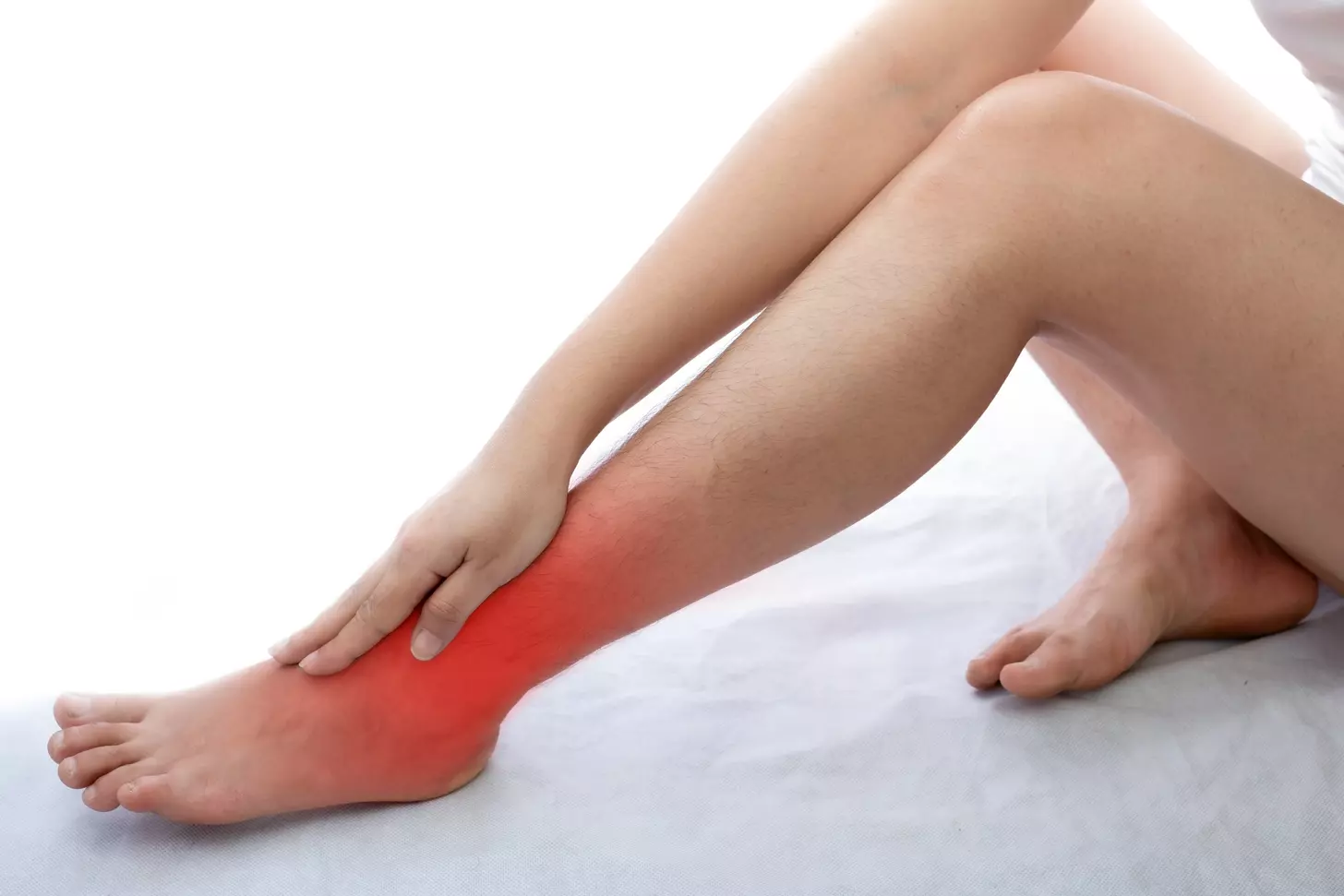
Arteriovenous malformations (AVMs) are abnormal connections between arteries and veins. They can cause swelling, pain, and skin discoloration. If you notice unexplained changes in your leg or skin, it’s important to understand AVMs. This knowledge is key for getting the right care quickly.
At Liv Hospital, we help patients with the latest AVM treatments. Our team offers personalized care to meet each patient’s needs. It’s vital to know the key symptoms of AVMs, like swelling and skin discoloration. This knowledge helps you seek medical help when needed.
Key Takeaways
- AVMs are abnormal connections between arteries and veins.
- Symptoms include swelling, pain, and skin discoloration.
- Understanding AVM symptoms is key for timely care.
- Liv Hospital provides personalized care for AVM patients.
- Recognizing key symptoms is essential for seeking medical attention.
What Are Arteriovenous Malformations (AVMs)?
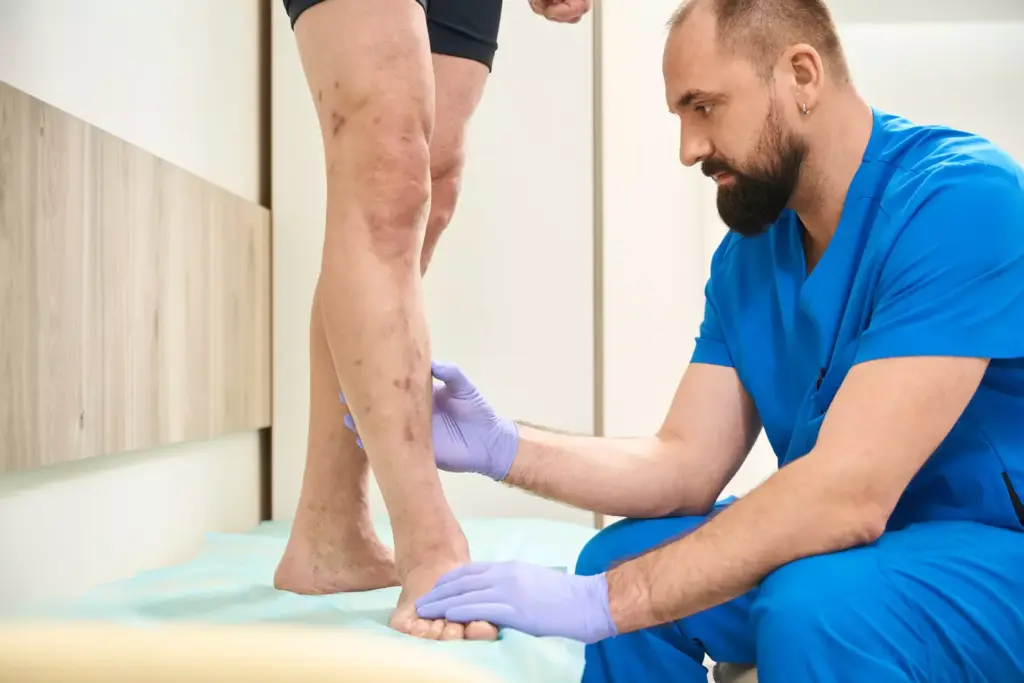
Arteriovenous malformations, or AVMs, are abnormal connections between arteries and veins. They can happen in different parts of the body. These vascular anomalies can greatly affect a person’s health and life quality.
Definition and Formation
An arteriovenous malformation (AVM) is a mix-up of blood vessels. It messes up the normal blood flow between arteries and veins. Usually, arteries carry oxygen-rich blood, and veins carry oxygen-poor blood back to the heart. But in an AVM, blood goes straight from arteries to veins, skipping capillaries. This can cause health problems.
The exact causes of AVMs are not known, but they are often present at birth. It’s thought that genetics might play a part in their development.
Types of AVMs in Different Body Locations
AVMs can show up in the brain, spinal cord, limbs, and internal organs. Where and how big an AVM is can affect its symptoms and treatment.
- Brain AVMs: These can cause headaches, seizures, and neurological problems.
- Spinal Cord AVMs: These may lead to back pain, muscle weakness, and paralysis.
- Limb AVMs: These can result in swelling, pain, and limited mobility.
- AVMs in Internal Organs: These can cause a range of symptoms depending on the organ affected.
Knowing the details of an AVM is key to finding the right treatment. We’ll look at treatment options in later sections.
Understanding AVM Symptoms in the Body

It’s important to know the symptoms of AVMs early. This helps in getting the right treatment. AVMs can affect blood flow and the structure of blood vessels.
General Manifestations
AVMs can cause AVM symptoms like pain, swelling, and changes in skin color or temperature. These happen because AVMs mess with normal blood flow. This can damage tissues over time.
AVMs can also lead to bleeding or rupture. A bleeding AVM can cause a lot of blood loss. A rupture AVM can lead to hemorrhage, which is very dangerous.
How AVMs Affect Blood Circulation
AVMs create abnormal connections between arteries and veins. This leads to abnormal blood flow. The affected area may get warmer or change color.
This abnormal flow can cause chronic venous insufficiency and other circulatory issues. In serious cases, AVM embolization might be needed. It helps reduce blood flow to the AVM, easing symptoms and preventing more problems.
The 11 Key AVM Symptoms to Recognize
Spotting AVM symptoms early is key to avoiding serious issues and better health outcomes. Arteriovenous Malformations (AVMs) show up in different ways. Knowing the main symptoms helps get medical help fast.
Swelling and Tissue Overgrowth
Swelling and tissue overgrowth are common signs of AVMs. This happens because of the wrong blood flow through the malformation. It causes more pressure and fluid in the nearby tissues.
People might see their affected limb or area getting bigger. They might also feel it’s heavier or tighter. This swelling can be very uncomfortable and make daily tasks hard.
Pain and Discomfort
Pain is a big symptom of AVMs. The pain can be mild or very strong. It feels like a dull ache or sharp stabbing.
The pain’s strength depends on the AVM’s size, location, and the person’s health. It’s important to manage pain well to keep quality of life for those with AVMs.
Skin Discoloration (Red, Pink, or Purple)
Skin discoloration is a clear sign of AVMs, showing up as red, pink, or purple marks. This happens because of the wrong blood vessels near the skin’s surface.
The skin discoloration can look different. Some AVMs cause a faint blush, while others make the skin look darker and more pronounced. Watching for these changes is key for early treatment.
Increased Local Warmth
Increased local warmth is another symptom of AVMs. This is because of the extra blood flow through the malformation. The area feels warmer than the rest.
This warmth might come with swelling or pain. These signs together can mean there’s an AVM.
Spotting these symptoms early can greatly help in managing and treating AVMs. If you or someone you know has these symptoms, getting medical help right away is very important.
Specific AVM Symptoms in the Legs
AVMs in the legs show up in different ways, affecting a person’s life a lot. The lower limbs have special anatomy and function. This makes leg AVMs have their own set of symptoms.
Movement Limitations
One big symptom of leg AVMs is trouble moving. This can be because of pain or discomfort from the malformation. Or it could be because the AVM puts pressure on the tissues and joints.
People might find it hard to walk or do everyday tasks. This is because of the pain or because the AVM limits movement.
Chronic Venous Insufficiency
AVMs in the legs can also cause chronic venous insufficiency. This is when veins can’t send blood back to the heart right. It’s often because of damaged valves or blockages.
This leads to swelling, skin color changes, and ulcers. It makes things worse for the patient, affecting their ability to move and their overall health.
Leg Fatigue and Heaviness
People with leg AVMs often feel fatigue and heaviness in their leg. This is because the malformation messes up blood flow. It causes waste to build up in the muscles.
So, even after resting, patients might feel tired or heavy. This is a big problem for them.
It’s key to know these symptoms to diagnose and treat leg AVMs well. By understanding these unique challenges, doctors can help patients feel better. They can improve their quality of life.
Skin AVM Manifestations and Complications
Arteriovenous malformations (AVMs) on the skin can look different and cause serious health issues. They are not just about looks; they can also affect your health if not treated right.
Visual Characteristics of Skin AVMs
Skin AVMs can show up in many ways. They might look like:
- Discoloration: Red, pink, or purple spots from the abnormal blood vessels.
- Swelling: The area might be swollen or raised.
- Warmth: The skin over the AVM can feel warmer than the rest.
- Pulsatility: Sometimes, you can see a pulsating mass under the skin.
Ulceration Development
Ulcers can form on skin AVMs. This happens because of the high pressure and blood flow. We’ll talk about how to manage these ulcers later.
| Complication | Description | Management Approach |
|---|---|---|
| Ulceration | Skin breakdown due to increased pressure and blood flow | Wound care, pressure management, and potentially surgical intervention |
| Bleeding | Risk of hemorrhage due to the fragile nature of AVM vessels | Immediate compression, potentially embolization, or surgical repair |
Bleeding Risks and Management
Skin AVMs can bleed easily because of their fragile vessels. It’s important to know the signs of bleeding and have a plan for emergencies.
People with skin AVMs should watch for:
- Signs of bleeding: Sudden swelling, pain, or visible blood.
- Immediate actions: Use compression and get medical help right away.
Handling bleeding problems might need embolization or surgery. We’ll go into those treatments later.
Diagnosing AVMs: The Essential Role of MRI
MRI has changed how we diagnose Arteriovenous Malformations (AVMs). It gives clear images that doctors need to plan treatments. This is key for treating AVMs well.
Doctors start by checking a patient’s health. But MRI gives the detailed pictures needed for a sure diagnosis. MRI helps doctors understand the AVM’s size, where it is, and how it works. This info is vital for choosing the right treatment.
Imaging Techniques for Accurate Detection
MRI uses special methods to see AVMs clearly. Contrast agents make the blood vessels stand out. Time-resolved imaging shows how blood moves in the AVM. This helps doctors understand its blood flow.
The table below shows why MRI is great for finding AVMs:
| Imaging Modality | Advantages in AVM Diagnosis |
|---|---|
| MRI | High-resolution images, ability to assess blood flow dynamics, non-invasive |
| CT Scan | Quick, widely available, good for acute bleeding |
| Ultrasound | Non-invasive, real-time imaging, cost-effective |
Differentiating AVMs from Other Vascular Conditions
It’s hard to tell AVMs apart from other blood vessel problems. MRI helps by showing clear pictures. These pictures show the AVM’s special features, like its blood flow.
“The use of MRI in diagnosing AVMs has significantly improved our ability to understand and manage these complex vascular anomalies.”
MRI is a top tool for finding AVMs. It gives doctors the images and info they need. This helps them make better treatment plans for each patient.
Embolization: The Frontline Treatment for AVMs
Embolization is a key treatment for arteriovenous malformations (AVMs). It’s a less invasive method. The goal is to shrink the AVM and ease symptoms.
The Procedure Explained
An interventional radiologist performs the embolization. They use imaging to guide a catheter to the AVM. Then, they release embolic materials to stop the abnormal blood flow.
Onyx Liquid and Ethanol Treatments are often used. Onyx solidifies in blood, blocking the malformation. Ethanol causes clotting and scarring in the AVM.
Recovery and Success Rates
Recovery time varies based on the AVM’s size and location, and the patient’s health. Patients are watched for hours after the procedure. They might feel some pain or swelling where the catheter was.
Embolization is very effective in treating AVMs. It greatly reduces symptoms and improves life quality. Here are some treatment outcomes:
| Treatment Outcome | Success Rate | Complication Rate |
|---|---|---|
| Symptom Reduction | 85% | 5% |
| AVM Size Reduction | 90% | 3% |
| Quality of Life Improvement | 80% | 2% |
Embolization is a top choice for AVM treatment. It’s a minimally invasive method with big benefits. Knowing about the procedure and its results helps patients make better choices.
Surgical Approaches for AVM Treatment
Deciding to have surgery for AVMs is complex. It depends on the malformation’s size, location, and how it affects the patient’s life. Surgery is usually considered for AVMs that are easy to reach and could cause serious problems if not treated.
When Surgery Is Necessary
Surgery is needed when an AVM causes big problems or is at risk of bursting. For leg AVMs, surgery might be suggested if they cause pain, swelling, or limit movement. Skin AVMs that bleed or make the skin look different also might need surgery.
We look at each case carefully. We consider the patient’s health, the AVM’s details, and the surgery’s benefits and risks. MRI helps us see the AVM’s structure and plan the best surgery.
Surgical Techniques for Leg and Skin AVMs
Surgery for AVMs depends on where and how complex the malformation is. For leg AVMs, the usual method is to remove the AVM and fix or rebuild the area. Sometimes, a mix of embolization and surgery is used for bigger or more complex AVMs.
For skin AVMs, surgery might involve cutting out the AVM and closing the skin or using a skin graft for bigger holes. The aim is to get rid of the AVM without leaving big scars or harming nearby tissue.
Post-Surgical Care and Rehabilitation
After surgery, careful care is key for the best recovery. Patients are watched for any signs of problems like infection or bleeding. Managing pain is also important, with medicines and other methods used as needed.
Rehab might be needed for leg AVM surgery, if it involved a lot of tissue repair. Physical therapy can help patients regain function and mobility, so they can do their usual activities again.
| Surgical Outcome | Expected Recovery Time | Potential Complications |
|---|---|---|
| Successful removal of AVM | 2-6 weeks | Infection, bleeding, scarring |
| Partial removal with ongoing treatment | Variable | Recurrence, nerve damage |
Non-Invasive Management Options
Managing AVMs has changed to include non-invasive methods. These options help reduce symptoms and improve life quality. They are great for those who can’t or don’t want to have surgery.
Compression Therapy for Leg AVMs
Compression therapy uses special clothes or bandages to press on the limb. It helps lessen swelling, boosts blood flow, and eases pain from leg AVMs.
Benefits of Compression Therapy:
- Reduces swelling and pain
- Improves circulation and reduces venous pressure
- Enhances mobility and comfort
Medication Management
Medicine is key in managing AVM symptoms. Pain meds like analgesics help with pain. Other meds treat related issues like high blood pressure or heart failure.
| Medication Type | Purpose | Examples |
|---|---|---|
| Pain Relief | Manage pain associated with AVMs | Acetaminophen, NSAIDs |
| Cardiovascular | Manage related heart conditions | Beta-blockers, Diuretics |
Laser Treatment for Skin AVMs
Laser therapy is a non-invasive way to treat skin AVMs. It uses laser light to shrink the AVMs. This makes the skin look better and lowers bleeding risks.
Using these non-invasive treatments can greatly improve life for those with AVMs.
Complications of Untreated AVMs
AVMs left untreated can cause severe and life-threatening problems. We will look at the dangers of not treating AVMs. This includes risks of rupture and hemorrhage, heart issues, and long-term tissue damage.
Rupture and Hemorrhage Risks
Untreated AVMs can rupture and cause severe bleeding. This can lead to life-threatening conditions that need immediate help. The risk is higher for large, deep, or critical AVMs.
Heart Complications from Systemic AVMs
Systemic AVMs can harm the heart if not treated. They make the heart work harder, leading to heart failure or other heart problems. Symptoms include shortness of breath, fatigue, and leg swelling.
Long-term Tissue Damage
Untreated AVMs can damage the surrounding tissue over time. This can cause chronic pain, limited mobility, and other issues. The damage can be permanent if not treated quickly.
Seeking medical help early is key to avoid these problems. Knowing the risks helps patients make better choices and get the right treatment.
Living with AVMs: Practical Management Strategies
For those with AVMs, a good management plan is key to a better life. Managing Arteriovenous Malformations needs a mix of medical care, lifestyle changes, and support. This approach helps a lot.
Pain Control Techniques
Managing pain is very important when you have AVMs. We suggest trying different pain control methods to see what works for you. Here are a few options:
- Medications: There are many pain relief medicines that can help.
- Physical therapy: Gentle exercises and therapy can make moving easier and hurt less.
- Alternative therapies: Acupuncture, massage, and relaxation exercises can also help.
Lifestyle Modifications
Changing your lifestyle can really help with AVM management. Here are some tips:
- Avoid heavy lifting or bending to not make symptoms worse.
- Keep a healthy weight to ease pressure on affected areas.
- Do regular, gentle exercises to improve blood flow and health.
Wearing compression clothes can also help with symptoms in your limbs. Always talk to your doctor to find the best plan for you.
Support Resources and Communities
Living with AVMs can be tough, both physically and emotionally. It’s good to connect with support groups and communities. This can include:
- Support groups: Being part of a group can make you feel understood.
- Counseling: Professional help can deal with the emotional side of AVMs.
- Online forums: Talking with others online can give you new ideas and advice.
By using a full management plan with pain control, lifestyle changes, and support, people with AVMs can live better. They can manage their condition better too.
Conclusion
It’s key to know about AVM symptoms and treatment choices for good care. AVMs can lead to seizures, headaches, and vision issues. Spotting these signs early is vital for the right treatment.
We’ve talked about different treatments like surgery, embolization, and radiosurgery. The best option depends on the AVM’s size and where it is. For more details, check out the National Institute of Neurological Disorders website.
Managing AVMs well means using many strategies. This includes pain relief, changing your lifestyle, and getting support. Knowing about symptoms and treatments helps patients live better. If symptoms get worse, don’t hesitate to see a doctor.
What does AVM stand for in medical terms?
AVM stands for Arteriovenous Malformation. It’s a condition where arteries and veins connect abnormally.
Are AVMs genetic?
Some AVMs might be genetic. They can run in families, but the exact cause is not fully known.
What are the symptoms of an AVM in the leg?
Leg AVM symptoms include pain and swelling. You might also notice changes in skin temperature or color. Movement can become limited.
How is an AVM diagnosed?
Doctors use MRI to diagnose AVMs. It helps spot and understand AVMs accurately.
What is embolization, and how is it used to treat AVMs?
Embolization is a procedure to treat AVMs. It blocks abnormal blood flow using materials like Onyx liquid or ethanol.
When is surgery necessary for AVM treatment?
Surgery is needed for large or symptomatic AVMs. It’s also considered when other treatments fail.
What are the risks of untreated AVMs?
Untreated AVMs can cause rupture and hemorrhage. They can also lead to heart problems and tissue damage.
Can AVMs be managed without surgery?
Yes, non-invasive treatments can manage AVMs. These include compression therapy for leg AVMs and laser treatment for skin AVMs.
How can patients manage pain associated with AVMs?
Patients can manage pain through medication, lifestyle changes, and alternative therapies.
What lifestyle changes can help in managing AVMs?
Avoiding heavy lifting and maintaining a healthy weight can help. Managing stress also improves quality of life.
Are there support resources available for individuals living with AVMs?
Yes, there are support resources and communities for AVM patients. They offer information, emotional support, and connections with others.