Blood clots in the brain can cause serious health problems, like stroke and damage to brain tissue. It’s important to know the warning signs to get medical help quickly.
At Liv Hospital, we aim to give top-notch healthcare to patients from around the world. Our team stresses the need for early detection in treating blood clots. Conditions like high blood pressure, atrial fibrillation, and genetic factors can lead to clots in the brain.
It’s key to understand the symptoms and causes to treat them well. We’re committed to giving our patients the best care and support. This way, they get the best results.
Key Takeaways
- Early detection of blood clots in the brain is critical for effective treatment.
- Underlying conditions like high blood pressure and atrial fibrillation can contribute to clot formation.
- Liv Hospital is committed to providing world-class healthcare for international patients.
- Recognizing the warning signs of blood clots can save lives.
- Comprehensive care and support are essential for patient well-being.
Understanding Brain Blood Clots
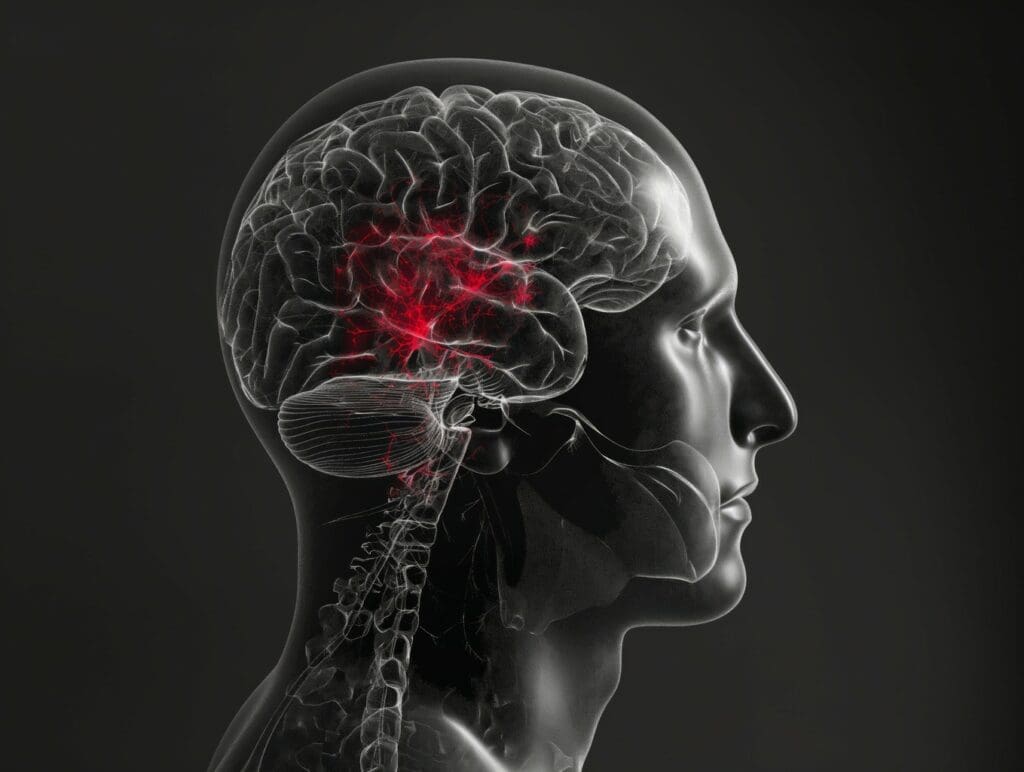
It’s important to know about brain blood clots to spot their signs early. These clots can cause serious problems like stroke and brain damage. So, understanding what causes them and their effects is key.
What Are Cerebral Blood Clots?
Cerebral blood clots happen when a clot forms in the brain’s veins. This can block blood flow and cause neurological symptoms. High blood pressure, atrial fibrillation, and other health issues can lead to these clots.
How They Form in the Brain
The process of blood clotting in the brain is complex. It often starts with damage to a blood vessel wall. Changes in blood flow, vessel wall issues, and blood composition play a role in clotting. Knowing this helps in preventing and treating clots.
Types of Brain Clots: Thrombosis vs. Embolism
Brain clots are mainly two types: thrombosis and embolism. Thrombosis is when a clot forms in the brain’s blood vessels. Embolism is when a clot from elsewhere blocks a brain blood vessel. Both can cause serious problems, like ischemic stroke.
It’s crucial to know the difference between thrombosis and embolism. Thrombosis is local clotting, while embolism is a clot traveling to the brain. This knowledge helps doctors figure out the cause and the right treatment.
The Danger of Untreated Brain Clots
Brain clots can cause serious problems if not treated. These include stroke and permanent brain damage. It’s very important to find and treat them quickly.
Potential Complications
Untreated brain clots can lead to serious issues. These include:
- Ischemic stroke, which happens when a clot blocks blood flow to the brain
- Hemorrhagic stroke, caused by a blood vessel rupture due to the clot
- Permanent brain damage, leading to long-term disability
- Cognitive impairments, affecting memory and decision-making
Stroke Risk and Brain Damage
The risk of stroke goes up with untreated brain clots. A clot in the brain can block blood flow (ischemic stroke) or cause a blood vessel to rupture (hemorrhagic stroke). Both can cause brain damage, depending on the clot’s size and location.
It’s key to catch brain clots early. Knowing the risks helps people spot signs and get help fast.
Why Early Detection Matters
Finding brain clots early is crucial for treatment. Early diagnosis means treatments like anticoagulant meds or surgery can help a lot.
| Benefits of Early Detection | Consequences of Delayed Detection |
|---|---|
| Effective treatment with anticoagulant medications | Increased risk of stroke and brain damage |
| Reduced risk of long-term disability | Potential for permanent cognitive impairments |
| Improved survival rates | Higher mortality rates due to untreated clots |
We stress the need to recognize brain clot signs and get medical help right away. This can greatly lower the risk of serious problems.
Severe Headache: The Primary Warning Sign
A severe headache can be a critical warning sign of a blood clot in the brain, requiring immediate attention. We know headaches are common. But sudden and severe ones can signal a serious issue.
Characteristics of Clot-Related Headaches
Headaches from brain blood clots are different. They start suddenly and are extremely painful. Unlike usual headaches, they may also cause confusion, trouble speaking, or weakness on one side.
Key features include:
- Sudden onset
- Severe pain
- Often described as “the worst headache ever”
- May be accompanied by other neurological symptoms
How to Distinguish from Regular Headaches
Telling a clot-related headache from a regular one is key. If a headache is very severe, starts suddenly, or has other worrying symptoms, be cautious. Unlike migraines or tension headaches, these don’t usually have a history and may not respond to usual treatments.
When a Headache Requires Emergency Attention
If you or someone you know has a severe headache that starts suddenly, or has symptoms like confusion, trouble speaking, weakness, or loss of consciousness, get emergency help right away. Quick action is vital for treating brain blood clots.
Call emergency services or go to the nearest emergency room if you experience:
- Sudden severe headache
- Confusion or altered mental status
- Difficulty speaking or understanding speech
- Weakness or numbness on one side of the body
- Loss of consciousness
Visual Disturbances as Critical Indicators
Brain blood clots can cause various visual problems that need quick action. These issues can be minor or serious. We’ll look at the visual signs of a brain blood clot and when to seek emergency care.
Types of Vision Problems
Visual issues from brain blood clots can differ a lot. Some common ones are:
- Blurred vision
- Double vision
- Loss of peripheral vision
- Visual field defects
These problems happen because the clot affects the brain’s vision centers. It’s important to spot these signs early to avoid lasting harm.
Partial or Complete Vision Loss
Sudden vision loss is a serious issue. It can be partial or total, affecting one or both eyes. The severity and how long it lasts are key in deciding what to do next.
When Visual Symptoms Require Emergency Care
Not every visual problem needs urgent care, but some do. If you have:
- Sudden vision loss
- Severe double vision
- Significant visual field defects
Get medical help right away. These signs might mean you have a brain blood clot that needs quick treatment to avoid serious harm or even death.
We stress the need to watch for visual problems and know when they’re a medical emergency. Quick action and treatment can greatly help those with brain blood clots.
Speech Changes and Communication Difficulties
Having trouble speaking or understanding speech can be a sign of a brain blood clot. When a clot hits areas of the brain that handle language, it can cause many speech and communication problems.
Recognizing Speech Impairment
Speech problems from brain blood clots can show up in many ways. Some common signs include:
- Slurred speech or trouble saying words clearly
- Struggling to find the right words or using the wrong ones
- Having trouble understanding what’s being said or following conversations
- Talking in nonsensical sentences or with wrong grammar
These changes can happen suddenly and may come with other neurological symptoms. If you or someone you know is having these issues, getting medical help right away is key.
The Connection to Brain Blood Supply
The brain’s language centers need a steady blood supply. When a clot blocks this, it can cause speech and language issues. The severity and type of problem can depend on where and how big the clot is.
FAST Method for Stroke Recognition
The FAST method is a well-known tool for spotting stroke symptoms, including speech changes. FAST stands for:
| F | A | S | T |
|---|---|---|---|
| Face | Arm | Speech | Time |
| Check for facial drooping | Look for weakness or numbness in one arm | Assess for slurred speech or difficulty speaking | Time is of the essence; call for emergency services immediately if any of these signs are present |
Using the FAST method can help you spot potential stroke symptoms fast. Remember, quick medical help is crucial in treating brain blood clots and reducing long-term damage.
Confusion and Altered Mental Status
Confusion is a serious sign that needs quick medical help. It can mean a brain blood clot is present. We’ll look at brain clot symptoms and when they mean you need to see a doctor fast.
Cognitive Symptoms to Watch For
Brain blood clots can cause confusion, disorientation, and trouble focusing. These happen because the clot blocks blood to the brain. Spotting these signs early is key to avoid lasting harm.
Memory Problems and Disorientation
People with brain clots often have memory and disorientation issues. They might forget recent things, not know people they should, or not get where they are. This confusion can be really scary and shows something’s wrong.
| Cognitive Symptom | Description |
|---|---|
| Confusion | A state of disorientation or mixed thoughts |
| Disorientation | Difficulty recognizing one’s surroundings or situation |
| Memory Problems | Struggling to recall recent events or learn new information |
When Confusion Signals an Emergency
If confusion comes on suddenly and strongly, or with other signs like a headache, weakness, or trouble speaking, it’s urgent. Quick action is needed. We suggest getting to the emergency room right away.
For more on brain clots and their symptoms, check out this resource. It talks about the signs and dangers of brain blood clots.
Physical Symptoms: Weakness and Numbness
It’s important to know the signs of brain blood clots to get help fast. A brain clot can cause many physical symptoms that need quick attention. These symptoms can really affect your life and could get worse if not treated.
One-Sided Body Weakness
One common sign of a brain blood clot is weakness on one side of the body. This weakness can be mild or very strong and can affect the arm, leg, or face. Finding this symptom early is key, as it might mean a stroke is coming.
Facial Drooping
Facial drooping is another serious sign of a brain blood clot. It happens when one side of the face’s muscles get weak. This can make one side of the face droop or feel numb. Seeing a doctor right away is very important.
Numbness and Tingling Sensations
Numbness and tingling are also signs of a brain blood clot. These feelings can happen in the hands, feet, or face. They might feel like pins and needles. If you suddenly feel these, get medical help fast.
Difficulty with Fine Motor Skills
Having trouble with fine motor skills is another sign. This might mean you’re clumsy, have trouble with coordination, or can’t do precise tasks. Noticing these changes early can help doctors treat you sooner.
| Symptom | Description | Action Required |
|---|---|---|
| One-Sided Weakness | Weakness on one side of the body | Seek immediate medical attention |
| Facial Drooping | Muscle weakness on one side of the face | Call emergency services |
| Numbness/Tingling | Sudden numbness or tingling sensations | Visit the emergency room |
| Fine Motor Difficulty | Clumsiness or trouble with precise tasks | Consult a healthcare professional |
Balance Issues and Coordination Problems
Balance and coordination problems might mean a serious issue like a brain clot. When the brain can’t control our movements, we face balance and coordination issues. These problems can really affect our daily life and might even be a sign of a medical emergency.
Difficulty Walking
Having trouble walking is a common sign of balance and coordination problems. This can show as an unsteady walk, stumbling, or trouble walking in a straight line. Such issues are alarming and need quick medical help if they come with other severe symptoms.
Dizziness and Vertigo
Dizziness and vertigo are key signs of possible brain clot problems. Dizziness feels like being lightheaded or unsteady. Vertigo makes you feel like you’re spinning or moving. These symptoms can be very hard to deal with and might need urgent care.
Sudden Falls or Stumbling
Sudden falls or stumbling happen when the brain can’t keep balance and coordination. These falls can cause injuries and more problems. It’s very important to get medical help if you or someone you know keeps falling or stumbling.
In conclusion, balance and coordination issues can be signs of serious neurological problems, like brain clots. It’s vital to spot these symptoms early and get the right medical care to avoid more problems.
Seizures and Other Neurological Symptoms
Brain clots can cause seizures and other neurological symptoms. When a clot forms in the brain, it disrupts normal brain activity. This can lead to various disturbances.
We will look at how brain clots can cause seizures and other symptoms. We will also discuss what to do during a seizure emergency.
Triggering Seizures
A brain clot can cause seizures by blocking blood flow to certain brain areas. This leads to abnormal electrical activity. This can result in a seizure, which may show as convulsions, loss of consciousness, or altered mental status.
The chance of a seizure depends on the clot’s location and size, and the person’s susceptibility. Seizures caused by brain clots can vary in severity and frequency. Some people may have a single seizure, while others may have them often.
It’s crucial to seek medical attention immediately if a seizure occurs. Timely intervention can significantly impact outcomes.
Managing Seizure Emergencies
During a seizure emergency, it’s important to remain calm and ensure the person’s safety. Here are some steps to follow:
- Clear the surrounding area of any objects that could cause injury.
- Gently turn the person onto their side to help keep their airway clear.
- Loosen tight clothing around their neck.
- Do not restrain the person or attempt to hold them still.
- Time the seizure and seek medical help if it lasts more than 5 minutes or if there are multiple seizures in a short period.
After the seizure has passed, it’s crucial to seek medical attention. This is to determine the cause and appropriate treatment.
Less Common Neurological Manifestations
Beyond seizures, brain clots can cause a variety of other neurological symptoms. These may include:
| Symptom | Description |
|---|---|
| Confusion | Altered mental status, disorientation, or difficulty concentrating. |
| Visual Disturbances | Blurred vision, double vision, or loss of vision in one or both eyes. |
| Speech Difficulties | Slurred speech, difficulty finding the right words, or understanding speech. |
These symptoms can vary widely among individuals. They may depend on the specific location and size of the brain clot. Recognizing these symptoms early is critical for prompt medical intervention.
What Causes Blood Clots in the Brain
It’s important to know why blood clots form in the brain. This knowledge helps prevent them and get quick medical help. Blood clots in the brain can cause serious problems like stroke and brain damage. So, it’s key to know what increases the risk.
Medical Conditions That Increase Risk
Some health issues make blood clots in the brain more likely. These include:
- Hypertension: High blood pressure can harm blood vessels, making them more likely to clot.
- Diabetes: Diabetes can change blood vessels and affect how blood clots.
- Atrial Fibrillation: An irregular heartbeat can cause blood clots in the heart. These can then go to the brain.
- High Cholesterol: High cholesterol can cause plaques in blood vessels. This increases the risk of clots.
Lifestyle Factors
Our lifestyle also affects the risk of blood clots in the brain. These include:
- Smoking: Smoking harms blood vessels and raises blood pressure, both of which can lead to clots.
- Obesity: Being overweight or obese can lead to conditions like hypertension and diabetes. These are risk factors for blood clots.
- Physical Inactivity: Not being active can lead to obesity and increase the risk of blood clots.
- Diet: Eating too much saturated fat and cholesterol can lead to high cholesterol and atherosclerosis.
Genetic Predisposition and Family History
Genetics and family history also play a part. People with a family history of blood clots or certain genetic conditions may be at higher risk.
Medication-Related Risks
Some medicines can also raise the risk of blood clots. These include:
- Hormonal Contraceptives: Some hormonal contraceptives can increase the risk of blood clots.
- Hormone Replacement Therapy: Hormone replacement therapy can also increase the risk of blood clots.
- Certain Cancer Treatments: Some cancer treatments can affect blood clotting and increase the risk of clot formation.
Knowing these risk factors helps us prevent blood clots in the brain. It also helps us get medical help quickly when needed.
Diagnosis and Treatment Options
Getting a correct diagnosis is key to treating brain blood clots well. Finding out where and how big the clot is helps us decide the best treatment.
Diagnostic Procedures
There are several ways to find out if you have a brain blood clot. These include:
- CT Scans: They give quick and detailed brain images.
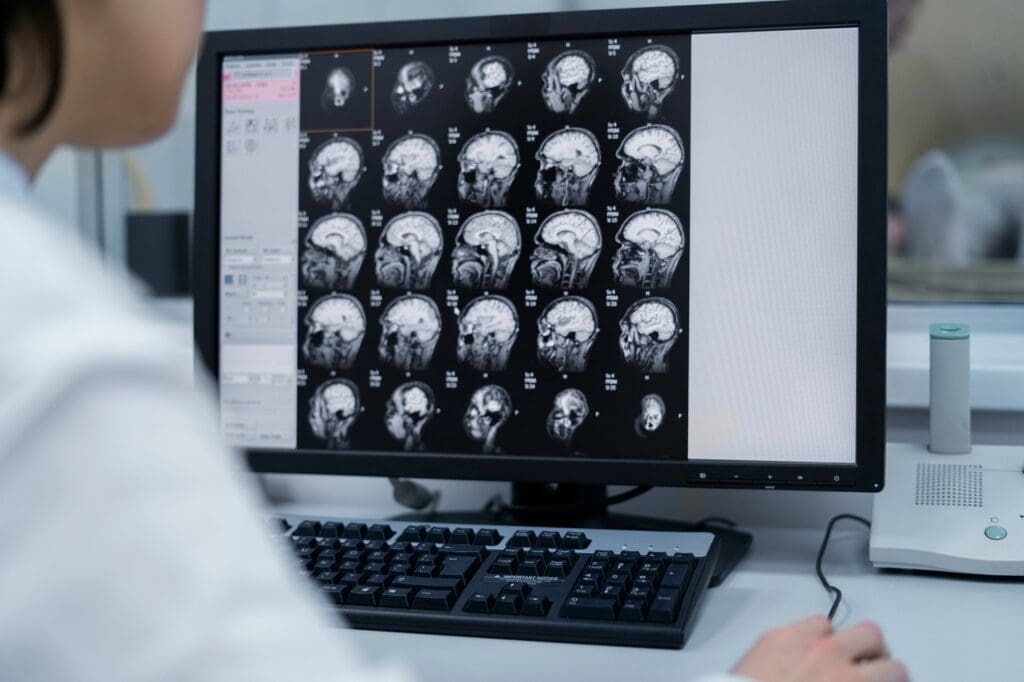
- MRI: This shows a detailed view of the brain’s structures.
- Angiography: It helps see the blood vessels and find clots.
These tools help our doctors understand the clot’s size, where it is, and how it affects the brain.
Emergency Treatments
When a brain clot happens suddenly, acting fast is very important. Emergency treatments might be:
- Thrombolytic Therapy: This uses drugs to break up the clot.
- Mechanical Thrombectomy: A surgery to remove the clot mechanically.
These treatments try to get blood flowing again to the brain area affected, reducing damage.
Long-term Management
After the first treatment, managing the condition long-term is crucial. This includes:
- Anticoagulant Medications: To stop new clots from forming.
- Lifestyle Changes: Changes in diet, exercise, and quitting smoking.
- Monitoring: Regular check-ups to watch clotting factors and adjust treatment if needed.
Liv Hospital’s Approach to Treatment
At Liv Hospital, we treat brain blood clots in a team effort. Our neurologists, neurosurgeons, and rehabilitation specialists work together. We make treatment plans that fit each patient’s needs and situation.
We use the latest diagnostic methods and treatments to help our patients get the best results.
Conclusion: Prevention and When to Seek Help
Preventing brain clots means managing risks and spotting symptoms early. Knowing the causes and signs helps people take steps to prevent them.
It’s key to know the symptoms, like severe headaches, vision changes, speech issues, and weakness. If you see these, getting help fast is vital.
Preventing brain clots is possible with lifestyle changes, managing health conditions, and knowing genetic risks. Liv Hospital offers full care for those at risk.
By being proactive and knowing when to get medical help, you can lower your risk of brain clots and their complications.
FAQ
What are the primary signs of a blood clot in the brain?
Signs include severe headaches, vision changes, and speech issues. You might also feel confused, weak on one side, or have trouble balancing. Seizures are another warning sign. If you see these, get help right away.
How do cerebral blood clots form?
They form in two ways. Thrombosis happens in the brain’s blood vessels. Embolism comes from elsewhere in the body. Both can be serious.
What are the potential complications of untreated brain clots?
Without treatment, brain clots can cause strokes, permanent damage, or even death. It’s vital to catch and treat them early.
How can I distinguish a headache caused by a brain blood clot from a regular headache?
Clot headaches are sudden and severe. They’re different from usual headaches. If you have a bad headache with confusion or weakness, see a doctor.
What visual disturbances can be signs of brain blood clots?
Look out for blurred vision, double vision, or vision loss. These are serious signs that need immediate medical help.
What is the FAST method for recognizing stroke symptoms?
FAST means Face drooping, Arm weakness, Speech trouble, and Time to call for help. It helps you spot a stroke and act fast.
Can brain blood clots cause cognitive symptoms?
Yes, they can lead to confusion, disorientation, and memory issues. Sudden cognitive problems are a medical emergency.
What are the physical symptoms of brain blood clots?
Symptoms include weakness, facial drooping, numbness, and trouble with fine motor tasks. These signs need immediate medical care.
How do brain clots cause balance issues and dizziness?
Clots affect balance centers in the brain. This can cause walking problems, dizziness, and sudden falls. Seek medical help if you have these symptoms.
What causes blood clots in the brain?
Many things can cause brain clots, like high blood pressure and diabetes. Lifestyle factors like smoking and genetics also play a role. Certain medications can increase the risk.
How are brain clots diagnosed and treated?
Imaging tests diagnose them. Treatment varies from emergency care to long-term plans. Liv Hospital offers comprehensive care for brain clot patients.
How can I prevent brain blood clots?
Manage risk factors like high blood pressure and diabetes. Know the signs of brain clots and seek help quickly if you notice them.
FAQ
What are the primary signs of a blood clot in the brain?
Signs include severe headaches, vision changes, and speech issues. You might also feel confused, weak on one side, or have trouble balancing. Seizures are another warning sign. If you see these, get help right away.
How do cerebral blood clots form?
They form in two ways. Thrombosis happens in the brain’s blood vessels. Embolism comes from elsewhere in the body. Both can be serious.
What are the potential complications of untreated brain clots?
Without treatment, brain clots can cause strokes, permanent damage, or even death. It’s vital to catch and treat them early.
How can I distinguish a headache caused by a brain blood clot from a regular headache?
Clot headaches are sudden and severe. They’re different from usual headaches. If you have a bad headache with confusion or weakness, see a doctor.
What visual disturbances can be signs of brain blood clots?
Look out for blurred vision, double vision, or vision loss. These are serious signs that need immediate medical help.
What is the FAST method for recognizing stroke symptoms?
FAST means Face drooping, Arm weakness, Speech trouble, and Time to call for help. It helps you spot a stroke and act fast.
Can brain blood clots cause cognitive symptoms?
Yes, they can lead to confusion, disorientation, and memory issues. Sudden cognitive problems are a medical emergency.
What are the physical symptoms of brain blood clots?
Symptoms include weakness, facial drooping, numbness, and trouble with fine motor tasks. These signs need immediate medical care.
How do brain clots cause balance issues and dizziness?
Clots affect balance centers in the brain. This can cause walking problems, dizziness, and sudden falls. Seek medical help if you have these symptoms.
What causes blood clots in the brain?
Many things can cause brain clots, like high blood pressure and diabetes. Lifestyle factors like smoking and genetics also play a role. Certain medications can increase the risk.
How are brain clots diagnosed and treated?
Imaging tests diagnose them. Treatment varies from emergency care to long-term plans. Liv Hospital offers comprehensive care for brain clot patients.
How can I prevent brain blood clots?
Manage risk factors like high blood pressure and diabetes. Know the signs of brain clots and seek help quickly if you notice them.
References
- Blood Clot in Brain: Causes, Symptoms, Diagnosis, and Treatment. Retrieved from: https://www.yashodahospitals.com/blog/blood-clot-in-brain/
- Blood Clot in Brain: Reason, Causes, Symptoms & Treatment. Retrieved from: https://psrihospital.com/causes-symptoms-treatment-of-blood-clot-in-brain/
- Ischemic Strokes. Retrieved from: https://www.stroke.org/en/about-stroke/types-of-stroke/ischemic-stroke-clots