

At Liv Hospital, we know how vital it is to spot the symptoms of brainstem glioma early. This helps us act fast and improve treatment results.
Brainstem gliomas are tumors in the brainstem. This area links the cerebrum to the spinal cord. Because of their location, these tumors can affect many body functions.
We will look at the main signs and symptoms of brainstem glioma. These include headaches, nausea, and problems with coordination. Our goal is to give a full picture of this complex condition.
Key Takeaways
- Understanding brainstem glioma symptoms is key for early diagnosis.
- Brainstem gliomas can cause a variety of symptoms because of their location.
- Common symptoms include headaches, nausea, and coordination issues.
- Liv Hospital offers top-notch, team-based care for complex conditions.
- Acting early can lead to better results for patients.
Understanding Brainstem Gliomas: An Overview
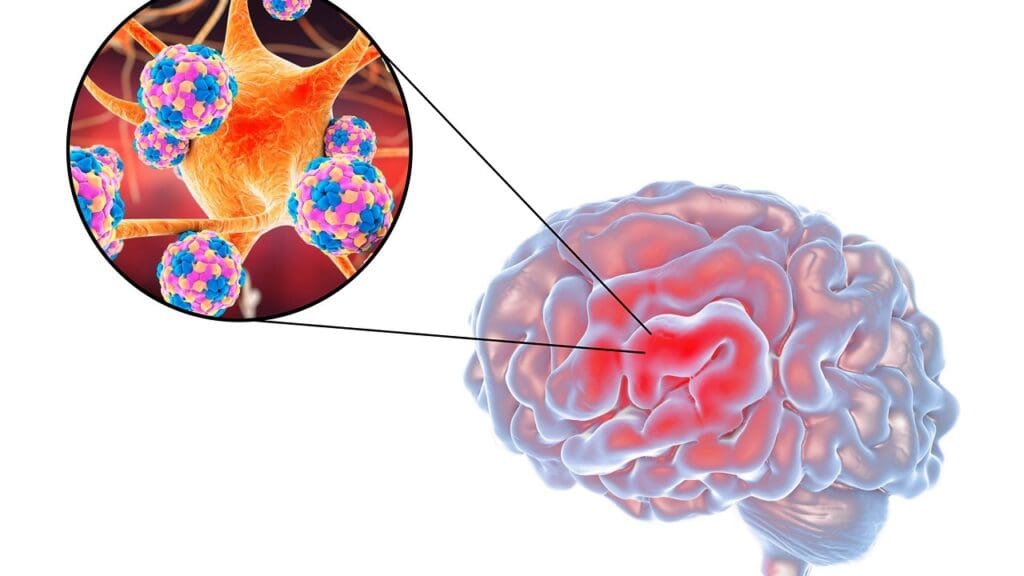
Brainstem gliomas are tumors in the brainstem. This area connects the brain to the spinal cord. It controls important functions like breathing and heart rate.
What Is a Brainstem Glioma?
A brainstem glioma comes from glial cells in the brain. These cells support and protect neurons. The tumor’s aggressiveness and impact vary greatly.
The Critical Location of the Brain Stem
The brainstem is at the brain’s base. It handles many vital functions. A tumor here can be hard to treat because of its location.
Types of Brainstem Gliomas
Brainstem gliomas are divided into types based on their characteristics. The main types are:
- Low-grade gliomas: These are less aggressive and may have a better prognosis.
- High-grade gliomas (Glioblastoma): These are more aggressive and have a poorer prognosis.
Knowing the type of glioma helps doctors choose the best treatment. It also helps predict how the patient will do.
The Importance of Early Detection in Brainstem Cancer
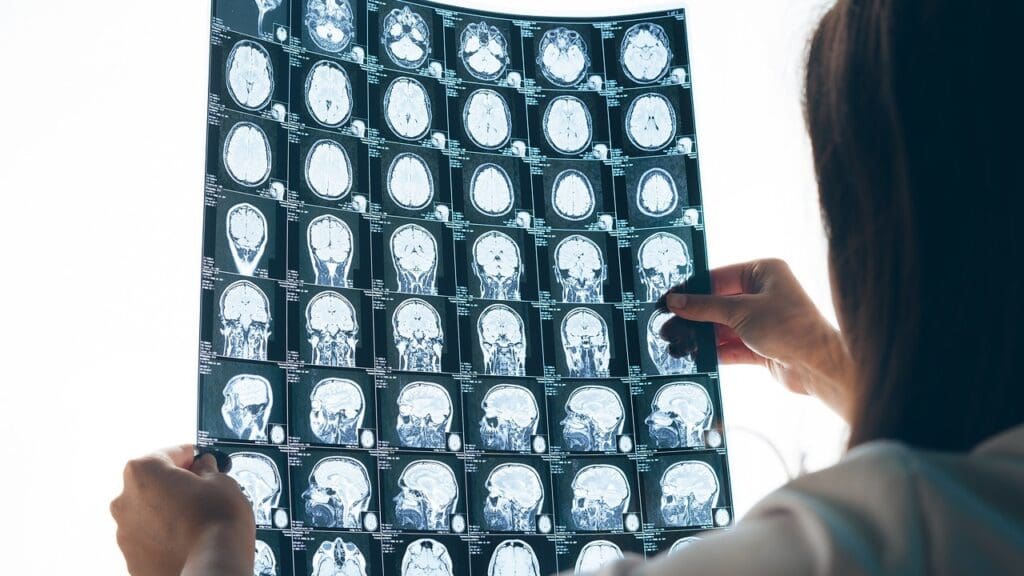
Early diagnosis of brain stem cancer is key for good treatment and outcomes. Brain stem gliomas are hard to spot early because they are in a tricky spot and symptoms are not clear.
Why Timing Matters in Diagnosis
Spotting brain stem cancer early is vital. It means treatment can start sooner, which can really help patients. The sooner a tumor is found, the better the treatment can work.
Challenges in Identifying Brainstem Tumors
Finding brainstem tumors early is tough because they are deep in the brain. Their symptoms are also not always obvious. This makes it important to be very careful when looking for brain stem cancer in adults.
Impact on Treatment Options and Outcomes
The time when a brain stem glioma is found affects the treatment options for patients. Finding it early can lead to better treatment plans. This can improve how well patients do and their quality of life. It’s important for both patients and doctors to understand how early detection matters.
Brainstem Glioma Symptoms: Primary Warning Signs
It’s important to know the main signs of brainstem glioma early. This helps in getting the right treatment fast. We’ll look at the key symptoms that show this condition.
Morning Headaches and Pain Patterns
Morning headaches are a common sign of brainstem glioma. These headaches can be very bad. They might also cause neck or facial pain.
The headaches happen because the tumor puts pressure inside the skull.
Persistent Nausea and Vomiting
Many people with brainstem glioma also have constant nausea and vomiting. These can make you very sick. They can even cause dehydration and weight loss if not treated.
The tumor affects the brainstem. This area controls how we feel sick or throw up.
Visual Disturbances and Eye Movement Problems
Visual problems like double vision and trouble moving the eyes can happen. This is because the tumor presses on nerves in the brain.
These issues can really mess up your daily life and how you feel.
The table below shows the main warning signs of brainstem glioma and why they happen:
| Symptom | Potential Cause |
|---|---|
| Morning Headaches | Increased intracranial pressure |
| Nausea and Vomiting | Tumor’s effect on brainstem |
| Visual Disturbances | Impact on cranial nerves |
Spotting these symptoms early can help doctors act fast. This might make a big difference for people with brainstem glioma.
Neurological Signs of Brain Stem Tumors
It’s important to know the neurological signs of brain stem tumors for early treatment. These tumors can cause many symptoms because of their location in the brain.
Facial Weakness and Asymmetry
Facial weakness or asymmetry is a common sign. This happens when a tumor affects the nerves that control facial movements. People might see their face drooping or have trouble making facial expressions.
Swallowing Difficulties (Dysphagia)
Dysphagia, or trouble swallowing, is another key symptom. It happens when the tumor affects the nerves for swallowing. If you have trouble swallowing for a long time, see a doctor right away.
Speech and Voice Changes
Changes in speech or voice can also be a sign of a brain stem tumor. Symptoms include slurred speech, hoarseness, or other voice changes.
Sensory Abnormalities
Sensory problems, like numbness or tingling, can happen if the tumor affects sensory pathways. These symptoms can vary a lot, depending on the tumor’s location and size.
Spotting these signs early can really help with treatment. If you notice any of these symptoms, see a doctor quickly.
Motor and Coordination Symptoms
Motor and coordination symptoms are common in brainstem gliomas. These symptoms come from the tumor’s effect on key brain areas. They can make daily life hard for patients.
Limb Weakness and Hemiparesis
Limb weakness, or hemiparesis on one side, is a common symptom. It can be mild or severe. It affects any limb, based on the tumor’s location.
Ataxia and Balance Problems
Ataxia, or lack of muscle coordination, causes balance issues. Patients may struggle with walking or standing. They might have trouble staying balanced.
Changes in Handwriting and Fine Motor Skills
Fine motor skills, like handwriting, can be affected. Patients may see their handwriting change. They might also experience tremors during precise movements.
Gait Abnormalities
Gait abnormalities are common too. Patients may walk unsteadily. They might find it hard to start or keep walking normally.
| Symptom | Description | Impact on Patient |
|---|---|---|
| Limb Weakness | Muscle weakness in arms or legs | Difficulty with mobility and daily activities |
| Ataxia | Lack of muscle coordination | Balance problems and unsteady gait |
| Fine Motor Skill Changes | Difficulty with precise movements | Changes in handwriting, tremors |
| Gait Abnormalities | Unsteady or abnormal walking pattern | Difficulty walking, increased risk of falls |
Vital Function Disruptions in Brainstem Cancer
Brainstem gliomas can mess with important body functions like breathing and heart rate. This is because they are close to key brain areas that control these functions.
Respiratory Pattern Changes
Brainstem cancer can change how we breathe. Tumors in this spot can mess up the brain’s breathing control. This can lead to breathing problems or even failure in bad cases. For more info, check out the Royal Children’s Hospital Melbourne’s page on Brain Stem.
Heart Rate and Blood Pressure Abnormalities
Brainstem gliomas can also mess with heart rate and blood pressure. The brainstem controls these, and tumors can cause these to change. This can lead to heart problems.
Sleep Disturbances
Patients with brainstem cancer often have trouble sleeping. The tumor can mess up sleep patterns, causing insomnia or too much sleep. These problems can make things worse for the patient.
In summary, brainstem cancer can really affect important body functions like breathing, heart rate, and sleep. It’s key to catch and manage these problems early to help patients.
Increased Intracranial Pressure Symptoms
Brainstem gliomas can cause increased intracranial pressure. This happens when the tumor grows and takes up more space in the skull. It can press on or move other brain parts.
Causes of Pressure Buildup
The growth of a brainstem glioma can lead to increased intracranial pressure. This is due to the tumor’s mass effect, blocking cerebrospinal fluid (CSF) pathways, and swelling.
Characteristic Headache Patterns
Headaches from increased intracranial pressure are severe and persistent. They often get worse in the morning. They can also cause nausea and vomiting.
“The headache is typically holocranial, meaning it’s felt across the entire head,” medical literature says. “It can get worse with activities that increase intrathoracic pressure, like coughing or straining.”
Vision Changes and Papilledema
Vision changes can happen due to papilledema, swelling of the optic disc. Patients might see things blurry, double, or have temporary vision problems.
Cognitive and Behavioral Changes
Increased intracranial pressure can also cause changes in thinking and behavior. Symptoms include confusion, irritability, and changes in consciousness. These symptoms can affect a person’s quality of life.
How Glioblastoma of the Brain Stem Presents Differently
Glioblastoma of the brain stem grows fast and shows unique symptoms. It’s a serious tumor that needs quick diagnosis and treatment. This is because it badly affects brain function.
Aggressive Progression Patterns
This type of glioblastoma grows quickly, causing a fast decline in health. Key features include:
- Rapid growth rate
- Early invasion of surrounding brain tissue
- Severe neurological deficits
Unique Symptoms of High-Grade Gliomas
The symptoms of glioblastoma of the brain stem are very hard to deal with. Patients often face:
- Severe headaches due to increased intracranial pressure
- Nausea and vomiting
- Significant neurological deficits, including weakness and coordination problems
Prognosis Considerations
The outlook for glioblastoma of the brain stem is usually not good. Its aggressive nature and critical location limit treatment options. The main goal is to manage symptoms and improve life quality.
Brain Stem Cancer in Adults vs. Children
Brain stem cancer is serious for all ages, but it affects adults and children differently. Symptoms, how often it happens, and how well it responds to treatment vary. Knowing these differences is key to managing and treating the disease effectively.
Age-Related Symptom Differences
Adults and children show different symptoms when they have brain stem cancer. Adults might have headaches and nausea. Children often have more obvious signs like nerve problems and trouble with balance.
Incidence and Risk Factors
The chances of getting brain stem cancer are different for adults and children. Kids are more likely to get a specific type called diffuse intrinsic pontine glioma (DIPG). Adults might get other kinds of tumors in the brain stem.
Progression Patterns by Age Group
| Age Group | Common Tumor Types | Progression Patterns |
|---|---|---|
| Children | DIPG | Rapid progression, often with poor prognosis |
| Adults | Various gliomas | Variable progression rates, depending on tumor grade and type |
Treatment Response Variations
Treatment results vary between adults and children with brain stem cancer. Kids with DIPG usually don’t respond as well as adults with some gliomas. This shows the importance of treatments tailored to each age group.
Conclusion: When to Seek Medical Attention
It’s important to know the signs of brainstem glioma to get medical help quickly. We talked about symptoms like morning headaches, constant nausea, vision problems, and nerve issues. If you or someone you know has these signs, it’s key to see a doctor right away.
Knowing when to go to the doctor is vital. If symptoms keep coming back or get worse, see a healthcare expert. Early diagnosis can lead to better treatment and outcomes. Being alert to these signs and acting fast can help get the best care for brainstem cancer.
Dealing with a possible brainstem glioma diagnosis can be scary. But, with the right medical help and quick action, patients can face this challenge. If you’re worried about your symptoms or have questions about brainstem glioma, talk to a doctor. They can offer guidance and support.
What are the common symptoms of brainstem glioma?
Symptoms include morning headaches and persistent nausea and vomiting. You might also see visual disturbances and facial weakness. Swallowing difficulties, speech and voice changes, and motor coordination problems are common too.
How do brainstem gliomas affect vital functions?
These tumors can disrupt vital functions like breathing and heart rate. They can also affect blood pressure. This leads to symptoms like changes in breathing, heart rate issues, and sleep problems.
What are the signs of increased intracranial pressure due to brainstem glioma?
Signs include headaches and vision changes. You might also see papilledema and cognitive or behavioral changes. These occur due to the pressure buildup from the tumor.
How does glioblastoma of the brain stem present differently from other brainstem gliomas?
Glioblastoma of the brain stem grows aggressively and has unique symptoms. This often leads to a poorer prognosis compared to other brainstem gliomas.
Are there differences in brain stem cancer symptoms between adults and children?
Yes, symptoms vary between adults and children. This is due to differences in tumor location, growth patterns, and age-related factors. These differences affect diagnosis and treatment.
What are the motor and coordination symptoms associated with brainstem gliomas?
Symptoms include limb weakness and ataxia. You might also see changes in handwriting and gait abnormalities. These occur because the tumor impacts the brain’s motor systems.
Why is early detection of brainstem cancer critical?
Early detection is key because it improves treatment outcomes. It allows for timely interventions, potentially reducing the tumor’s impact on vital brain functions.
What are the challenges in diagnosing brainstem tumors?
Diagnosing brainstem tumors is challenging. This is because they are deep in the brain and early symptoms are nonspecific. It’s essential to be aware of the key signs and symptoms.
How do brainstem gliomas affect the brain’s function?
These tumors can affect various brain functions. This includes controlling vital functions, motor coordination, sensation, and cognitive processes. The impact depends on the tumor’s location and size.
What should I do if I experience symptoms of brainstem glioma?
If you experience symptoms, seek medical attention promptly. A thorough evaluation and appropriate care are essential.
References
- Weill Cornell Medicine Neurosurgery (Brainstem Tumors Symptoms) : https://neurosurgery.weillcornell.org/condition/brainstem-tumors/symptoms-brainstem-tumor
- National Brain Tumor Society (Signs and Symptoms) : https://braintumor.org/brain-tumors/diagnosis-treatment/signs-symptoms
- Medical News Today (Brain Stem Glioma) : https://www.medicalnewstoday.com/articles/brain-stem-glioma



 Departments
 Related Videos
 Our Doctors
 News
News