
Thyroid disorders can greatly affect women’s health, hitting about 1 in 100 Americans over 12. These issues mess with thyroid hormone production, speeding up or slowing down metabolism. Spotting thyroid problems early is key for treatment.
Women might feel unexplained excessive sweating, heart palpitations, and muscle tremors. These could be signs of a thyroid issue, not just stress or menopause. At Liv Hospital, we focus on correct diagnosis and care that puts patients first.
Knowing the common thyroid symptoms is important. By recognizing these signs, women can get medical help quickly. This ensures they get the right care and treatment.
Key Takeaways
- Thyroid disorders affect approximately 1 in 100 Americans ages 12 and older.
- Common symptoms include unexplained excessive sweating and heart palpitations.
- Thyroid conditions can be misattributed to stress or menopause.
- Accurate diagnosis is vital for effective treatment.
- Liv Hospital offers patient-focused care for thyroid issues.
Understanding Hyperthyroidism in Women

Hyperthyroidism is when the thyroid gland makes too much thyroid hormone. It happens more in women than men. This condition can make daily life hard. We’ll look at what causes it, like Graves’ disease, and how common it is in women.
What Causes an Overactive Thyroid Gland
Graves’ disease is a main reason for hyperthyroidism. It’s an autoimmune disorder. The Medical organization says Graves’ disease is the top cause. It happens when the immune system attacks the thyroid gland, making it release too much hormone.
Other reasons include thyroid nodules and thyroiditis. But Graves’ disease is the main cause, mostly in women.
Graves’ Disease and Female Prevalence
Graves’ disease is much more common in women. Women are seven to eight times more likely to get it. Hormonal factors and genetics might play a part in this.
Knowing the symptoms of hyperthyroidism is key. Symptoms like heart palpitations and muscle twitching need medical attention. Women with these symptoms should see a doctor to find out why and get help.
Understanding hyperthyroidism and its causes helps us help women with it. Early treatment can greatly improve their lives.
Common Thyroid Symptoms in Females: Physical Signs
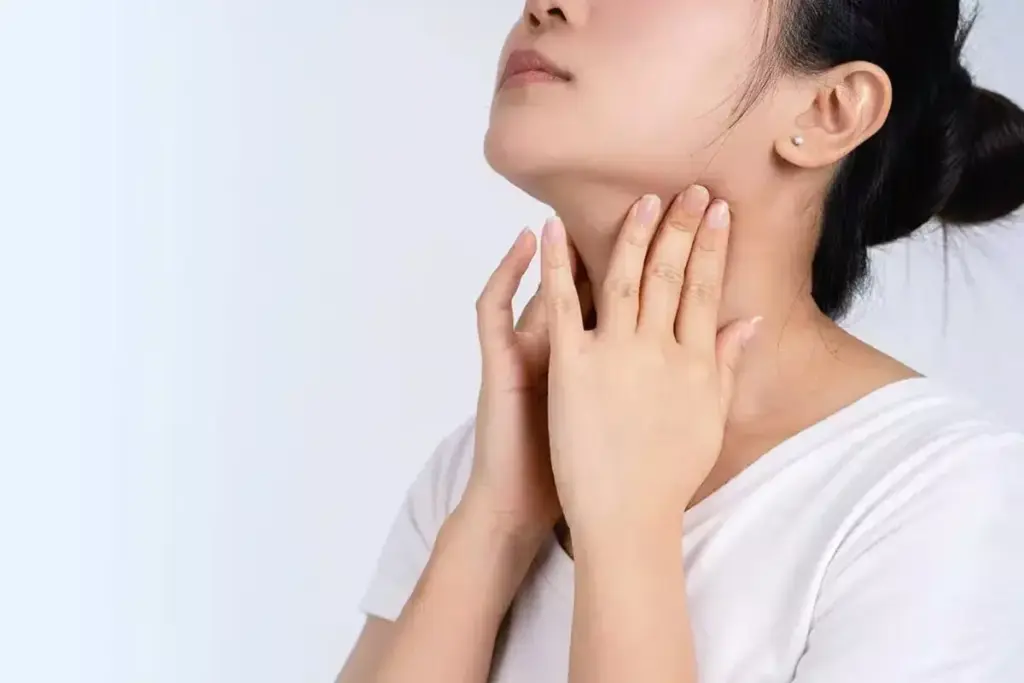
Women with thyroid issues often show physical signs like night sweats and unexplained weight loss. These symptoms can really disrupt daily life. It’s important to know they might signal thyroid problems.
Excessive Sweating and Night Sweats
Excessive sweating, including night sweats, is a common sign of thyroid issues in women. Hyperthyroidism makes the body sweat more, causing discomfort and sleep problems. Women might wake up drenched in sweat, which can be very distressing.
Heat Intolerance and Increased Thirst
Women with thyroid disorders often can’t handle heat well. This is known as heat intolerance. They might also feel very thirsty because their body is losing more fluid.
Unexplained Weight Loss Despite Increased Appetite
Weight loss without eating more is a big warning sign. An overactive thyroid speeds up metabolism, causing quick weight loss. Women might lose weight even when they eat more than usual.
Itchy Skin and Other Dermatological Changes
Thyroid disorders can also affect the skin. Many women complain of itchy skin. They might also notice dryness or changes in skin texture. These skin issues can be uncomfortable and need special care.
Cardiovascular and Neurological Thyroid Symptoms
Hyperthyroidism makes the thyroid gland work too much. This can cause heart and brain problems. These issues can really hurt your life quality and might get worse if not treated.
Rapid Heart Rate and Heart Palpitations
A fast heart rate, or tachycardia, is a common sign of hyperthyroidism. You might feel your heart pounding or fluttering. This happens because too much thyroid hormone makes the heart work too hard.
We know that heart palpitations and thyroid issues are closely linked. Treating hyperthyroidism helps fix these heart problems.
Thyroid Muscle Twitching and Tremors
Too much thyroid hormone can also cause muscle twitching and tremors. These happen because the nervous system gets affected. In some cases, these can really mess up your day.
Thyroid muscle twitching can be really upsetting. If it keeps happening or gets worse, you should see a doctor.
Anxiety, Irritability, and Mood Swings
Hyperthyroidism can also mess with your mood. You might feel anxious, irritable, or have mood swings. This is because the hormones affect the brain’s chemicals.
Dealing with anxiety and irritability from thyroid problems is tough. But the right treatment can help balance your mood.
Fatigue and Difficulty Sleeping
Even though hyperthyroidism can make you feel more energetic, some people get really tired. They also might have trouble sleeping. These problems can really hurt your well-being.
It’s very important to tackle fatigue and sleep problems caused by thyroid issues. The right treatment can boost your energy and help you sleep better.
| Symptom Category | Specific Symptoms | Impact on Daily Life |
| Cardiovascular | Rapid heart rate, heart palpitations | Can cause discomfort, anxiety, and potentially lead to heart complications if untreated. |
| Neurological | Muscle twitching, tremors | May interfere with daily activities and cause significant distress. |
| Emotional/Psychological | Anxiety, irritability, mood swings | Affects mental health and personal relationships. |
| General Well-being | Fatigue, difficulty sleeping | Impacts overall energy levels and quality of life. |
Conclusion: When to Seek Medical Help for Thyroid Symptoms
It’s important to know the signs of thyroid symptoms early. If left untreated, thyroid disorders can cause serious health problems. So, it’s key to understand the symptoms of an overactive thyroid gland.
Women should see a doctor if they have symptoms like too much sweating, losing weight without trying, a fast heart rate, or feeling anxious. These signs might mean they have hyperthyroidism, a condition that needs quick medical care.
Knowing the symptoms of a high thyroid and getting medical help is a big step towards staying healthy. If you’re noticing more thyroid symptoms or think you might have an overactive thyroid gland, get medical help right away.
Getting a diagnosis and treatment early can greatly improve your health. We urge women to look after their health and see a doctor if they notice any signs of hyperthyroidism or other thyroid issues.
FAQ
What are the common symptoms of hyperthyroidism in women?
Women with hyperthyroidism often sweat a lot, even at night. They may also feel too hot, have a fast heart rate, and experience muscle twitches. Other symptoms include anxiety, mood swings, and irritability.
How does Graves’ disease affect the thyroid gland?
Graves’ disease is an autoimmune disorder. It makes the thyroid gland produce too much thyroid hormone. This leads to hyperthyroidism.
What is the difference between hyperthyroidism symptoms in men and women?
Men and women both have similar symptoms. But women often feel more of the symptoms like sweating, feeling too hot, and mood swings.
Can hyperthyroidism cause itchy skin and other dermatological changes?
Yes, it can. Hyperthyroidism may cause itchy skin, hair loss, and other skin changes. This is because of the high levels of thyroid hormones.
How does hyperthyroidism affect the heart and nervous system?
It can make the heart beat fast and cause palpitations. It also leads to muscle twitching. This is because of the increased metabolism and stimulation of the nervous system.
What are the possible consequences of untreated hyperthyroidism?
If left untreated, hyperthyroidism can cause serious problems. These include heart issues, brittle bones, and a dangerous condition called thyroid storm.
How is hyperthyroidism diagnosed?
Doctors use a physical exam, medical history, and lab tests to diagnose it. Tests include thyroid function tests and antibody tests.
Can hyperthyroidism be treated?
Yes, it can. Treatment options include medications, radioactive iodine, or surgery. The choice depends on the cause and severity of the condition.
How can I manage hyperthyroidism symptoms?
Managing symptoms involves medical treatment, lifestyle changes, and self-care. Avoid triggers, stay hydrated, and get enough rest.
When should I seek medical help for thyroid symptoms?
Seek medical help for persistent or severe symptoms. This includes a fast heart rate, chest pain, or trouble breathing. Or if you’re worried about your thyroid health.
References
Government Health Resource. Evidence-Based Medical Guidance. Retrieved from https://www.nejm.org/doi/full/10.1056/NEJMcp1510020