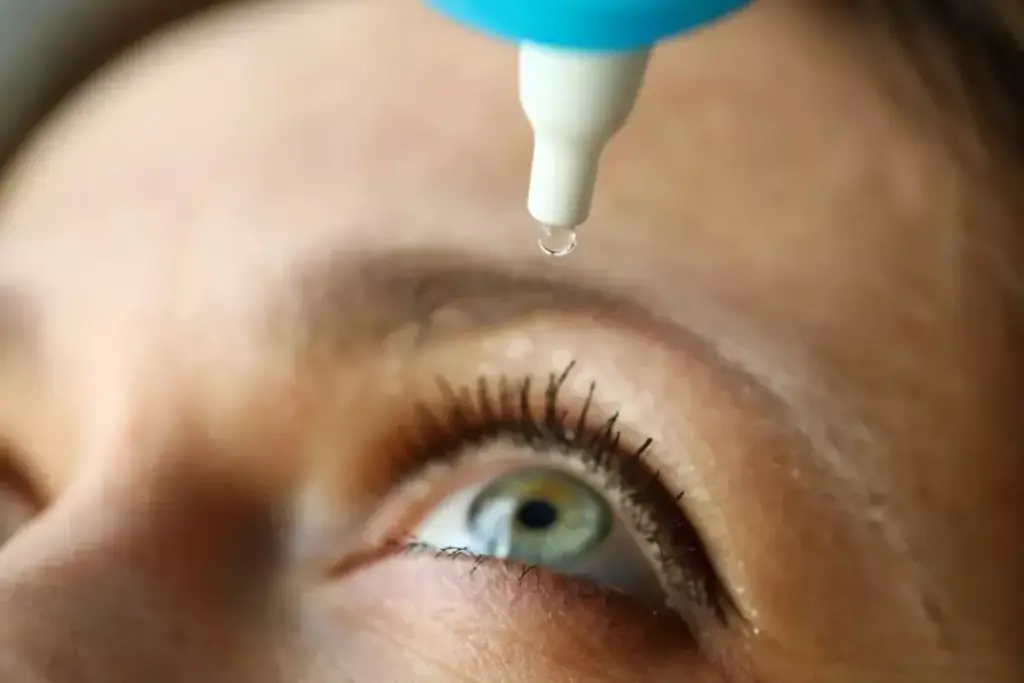
We know how important ophthalmic medications and eye drops are for eye health. They help manage many eye problems, like glaucoma and dry eye. They also treat allergies and inflammation.
At Liv Hospital, we aim to give top-notch healthcare. Our treatments include a wide range of topical solutions and advanced formulations. These are made to meet the complex needs of our patients.
New breakthroughs have brought us preservative-free eye drops and new therapies. Now, patients have better options than ever. We’re here to help international patients find the best medical care.
Key Takeaways
- Essential ophthalmic medications and eye drops are key for treating eye issues.
- These treatments come in many forms, like topical solutions and advanced formulas.
- New innovations include preservative-free drops and novel therapies.
- Liv Hospital leads in providing top eye care worldwide.
- We offer full support for international patients looking for advanced treatments.
Understanding Categories of Eye Medications

It’s important for healthcare providers and patients to know about eye medication categories. This knowledge helps in treating eye conditions effectively. The ophthalmic drug market has many types of medications for different eye health needs.
Prostaglandin analogs are key in treating glaucoma. They lower intraocular pressure to protect the optic nerve. Latanoprost (Xalatan) is a well-known example.
Beta-blockers also lower intraocular pressure. Timolol (Timoptic) is a common beta-blocker for glaucoma. Carbonic anhydrase inhibitors, like Dorzolamide (Trusopt), are alternatives for those not responding to beta-blockers.
Antihistamines and decongestants help with allergic conjunctivitis. They ease itching and redness. These are available over-the-counter or by prescription, depending on their strength.
Corticosteroids manage eye inflammation. They’re used for post-operative inflammation and uveitis. But, their use is monitored due to side effects.
Immunomodulatory agents treat dry eye disease. They reduce inflammation and boost tear production.
Knowing about these medication categories helps healthcare providers tailor treatments. This improves patient outcomes and care.
12 Essential Ophthalmic Medications Every Patient Should Know

There are many important eye medications that everyone should know about. These help manage eye problems like glaucoma and high eye pressure. We’ll look at some common ones, what they’re used for, and how they help.
1. Latanoprost (Xalatan)
Latanoprost, or Xalatan, is used for glaucoma and high eye pressure. It helps fluid leave the eye, lowering pressure inside. This is key to protect the optic nerve and prevent vision loss.
A top eye journal says latanoprost is effective in lowering eye pressure. This is good news for those at risk of glaucoma.
2. Timolol (Timoptic)
Timolol, or Timoptic, is a beta-blocker for glaucoma and high eye pressure. It reduces fluid in the eye, lowering pressure. It’s used when other treatments don’t work well enough.
Timolol has been a key part of glaucoma treatment for years. It’s a reliable way to control eye pressure.
3. Dorzolamide (Trusopt)
Dorzolamide, or Trusopt, is a carbonic anhydrase inhibitor for glaucoma and high eye pressure. It reduces fluid in the eye, lowering pressure. It’s often used with other meds to control pressure better.
4. Bimatoprost (Lumigan)
Bimatoprost, or Lumigan, is another prostaglandin analog for glaucoma and high eye pressure. Like latanoprost, it helps fluid leave the eye, reducing pressure. It’s effective for those who don’t respond well to other treatments.
These are just a few of the important eye medications. Knowing about them helps patients make better choices for their eye health.
Modern Advances in Ophthalmic Drug Delivery
Advances in ophthalmic drug delivery have changed how we treat eye diseases. These changes offer new hope to people all over the world. We’ve seen big steps forward, like the creation of preservative-free eye drops and sustained-release systems.
Preservative-free eye drops are a big deal, mainly for people with sensitive eyes. They help avoid the harm caused by preservatives. By cutting down on preservatives, we lower the chance of bad side effects from using eye drops a lot.
Sustained-release systems are another big step. They slowly release the medicine, keeping it effective for longer. This means treatments work better and you need to use them less often. It’s easier for patients to stick to their treatment plans.
Let’s look at how traditional and modern eye drop systems differ. Here’s a table showing the main differences:
| Feature | Traditional Systems | Modern Systems |
| Preservatives | Contain preservatives | Preservative-free formulations available |
| Release Mechanism | Immediate release | Sustained release |
| Application Frequency | Multiple times a day | Less frequent application |
As we keep pushing the boundaries of ophthalmic drug delivery, we’ll see even better treatments. We’ll focus on making treatments easier for patients and reducing side effects.
Conclusion
Understanding eye health is key, and knowing about ophthalmic medications is important. Eye drops are a main way to treat the eye. They work directly on the front and back parts of the eye.
We’ve looked at different types of eye medications. This includes a list of prescription eye drops for various eye issues. It’s essential for patients to know about ophthalmic use and eye drop medications. This helps them make smart choices about their treatment.
New advancements in ophthalmic drug delivery have made treatments better and safer. By keeping up with these changes and the types of eye drop medications, patients can take better care of their eyes. They can also work closely with their doctors to get the best results.
FAQ
What are ophthalmic medications used for?
Ophthalmic medications treat eye conditions such as infections, inflammation, glaucoma, allergies, and dry eye. They help manage symptoms, protect vision, and improve eye health.
What are the different categories of eye medications?
Eye medications include lubricants/artificial tears, antibiotics, antivirals, antifungals, anti-inflammatories, antihistamines, glaucoma drugs, and immunomodulatory agents. Each category targets specific eye problems.
What is latanoprost used for?
Latanoprost is a prostaglandin analog used to lower intraocular pressure in glaucoma and ocular hypertension. It helps prevent optic nerve damage and vision loss.
How does timolol work?
Timolol is a beta-blocker that reduces intraocular pressure by decreasing aqueous humor production in the eye. It is commonly used to treat glaucoma and prevent progression of the disease.
What are the benefits of preservative-free formulations in eye drops?
Preservative-free drops reduce irritation, allergic reactions, and damage to the ocular surface. They are especially beneficial for sensitive eyes or long-term use.
What are sustained-release systems in ophthalmic drug delivery?
Sustained-release systems gradually release medication over time, improving treatment effectiveness and reducing the frequency of eye drop administration. They enhance patient compliance and therapeutic outcomes.
Are there different types of eye drops for various eye conditions?
Yes, there are specific drops for dry eye, allergies, infections, glaucoma, and inflammation. Choosing the right type depends on the condition and severity of symptoms.
Can I use over-the-counter eye drops for my eye condition?
Over-the-counter drops can relieve mild dryness or allergies but may not treat infections or chronic conditions. Always consult an eye doctor for persistent or serious symptoms.
How do I know which ophthalmic medication is right for me?
An eye specialist evaluates your symptoms, eye pressure, and underlying conditions to recommend the most effective and safe medication. Self-medicating can worsen certain eye problems.
What is the role of immunomodulatory agents in eye care?
Immunomodulatory agents reduce inflammation in chronic conditions like dry eye or ocular surface disease. They help restore tear production and protect the eyes from long-term damage.
Are there any new developments in ophthalmic medications?
Recent developments include novel anti-inflammatory drops, TRPM8 receptor agonists, sustained-release implants, and advanced biologics for dry eye and glaucoma. Research continues to improve efficacy and reduce side effects.
References
National Center for Biotechnology Information. Evidence-Based Medical Insight. Retrieved from https://pmc.ncbi.nlm.nih.gov/articles/PMC8465972/