Recovering from brain tumor surgery is tough, both physically and emotionally. At Liv Hospital, we focus on you, giving top-notch care and support. We aim to help you through this tough time.
The recovery path can differ a lot. It depends on the tumor’s size, where it is, and the surgery type. You might feel headaches, be very tired, or have swelling. You could also have seizures, changes in speech or thinking, and weakness.
Usually, you’ll need to stay in the hospital for up to ten days. This is to watch over and manage these symptoms.
Our team is here to help you deal with the complexities of recovery. We offer the support and care you need for the best recovery possible.
Key Takeaways
- Recovery from brain tumor surgery can be physically and emotionally challenging.
- The size and location of the tumor, as well as the type of surgery, impact the recovery process.
- Common symptoms during recovery include headaches, fatigue, and cognitive changes.
- A hospital stay of up to ten days is typically required for monitoring and management.
- Liv Hospital provides patient-centered care and internationally recognized expertise.
Understanding Brain Tumor Surgery and Its Impact
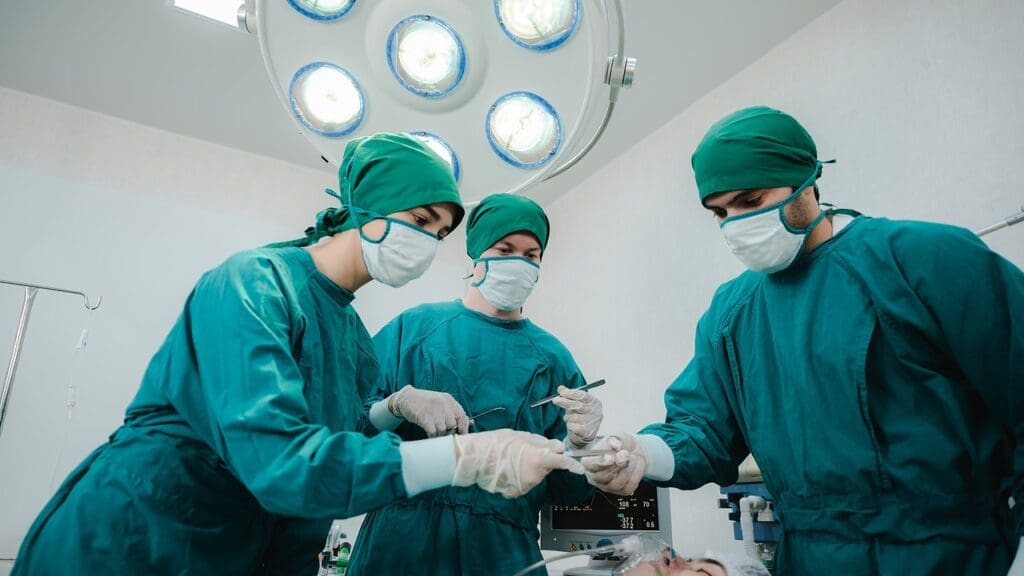
The type of brain tumor surgery can greatly affect recovery. It’s key to know the different surgical methods. Brain tumor surgery is very precise and requires a lot of skill.
Types of Brain Tumor Surgeries
There are many types of brain tumor surgeries, like craniotomy, biopsy, and laser ablation. Each has its own considerations and outcomes. Craniotomy involves temporarily removing a part of the skull to reach the tumor. The choice of surgery depends on the tumor’s size, location, and type.
Factors Affecting Recovery Outcomes
Many factors can affect recovery after brain tumor surgery. These include the patient’s age, health, and how extensive the surgery is. Older patients or those with health issues may find recovery harder. An expert says,
“The patient’s overall health and the surgeon’s expertise are critical factors in determining the success of the surgery and the recovery process.”
Setting Realistic Expectations
It’s important to set realistic expectations for patients and their families. Knowing about possible side effects and the recovery time can help manage hopes and fears. A supportive care team is key in guiding patients through this tough time.
Side Effects After Brain Tumor Surgery
It’s important to know about side effects after brain tumor surgery. This helps manage expectations and ensures a smooth recovery. We’ll look at both physical and neurological side effects.
Physical Side Effects
Physical side effects can greatly affect recovery. Common issues include headaches, fatigue, and swelling.
Headaches and Pain Management
Headaches are common after surgery. It’s key to manage pain well to help recovery. We use medicines and other therapies to do this.
Fatigue and Energy Levels
Fatigue is another common side effect. It affects energy levels and overall well-being. Rest and slow movement can help reduce fatigue.
Swelling and Inflammation
Swelling and inflammation are common after surgery. We watch them closely and use treatments to lessen them. This helps avoid complications in recovery.
Neurological Side Effects
Neurological side effects can be tough. They include seizures, speech and language difficulties, and motor function issues.
Seizures and Prevention Measures
Seizures are a risk after surgery. We use medicines and other steps to prevent them.
Speech and Language Difficulties
Some patients face speech and language challenges. Speech therapy can help with these issues.
Motor Function and Weakness
Weakness or changes in motor function can happen. Physical therapy is key in helping patients regain strength and mobility.
Cognitive and Emotional Changes Following Surgery
After brain tumor surgery, many people face changes in how they think and feel. These changes can be tough for patients and their families. But, knowing what to expect and finding ways to cope can make recovery easier.
Memory and Concentration Issues
Many patients struggle with memory and focus after surgery. They might find it hard to recall recent things or learn new stuff. Cognitive rehabilitation programs offer help. They use special exercises to boost memory and focus.
Mood Swings and Emotional Regulation
Feeling moody or having trouble controlling emotions is common too. Patients might get upset, anxious, or sad. It’s key for families to be supportive and understanding. Emotional support is vital in helping patients manage their feelings and adjust to their new life.
Personality Changes
Brain tumor surgery can sometimes change a person’s personality. They might pull back or become more outgoing. These changes can come from the surgery or the emotional impact. Families should be patient and seek help if needed.
Coping Strategies for Patients and Families
Finding good ways to cope is important for everyone involved. This can include cognitive remediation therapy, joining support groups, and doing things that reduce stress. By working together and using available resources, patients and families can better handle these challenges.
The Immediate Recovery Period: Hospital Stay
After brain tumor surgery, the first days in the hospital are key. Here, patients are watched closely by doctors and nurses. They help manage any problems right away and make sure the recovery goes well.
What to Expect in the First 48 Hours
The first 48 hours are very important. Patients usually stay in the ICU for close monitoring. A neurosurgeon says,
“The initial 48 hours are critical for identifying any possible complications early, allowing for timely intervention.”
Patients get IV fluids, pain meds, and help with breathing. The team also checks their brain function regularly.
Typical Hospital Stay Duration
The time in the hospital varies based on the surgery and the patient’s health. Generally, patients stay for 5 to 10 days after surgery. This time helps the medical team manage any immediate issues and makes sure the patient is ready to go home.
Medical Monitoring and Care
In the hospital, patients get a lot of care. They have their vital signs and brain function checked often. The team looks for any complications and acts fast if they find any.
Preparing for Discharge
As patients get better, the team starts getting them ready to go home. They teach the patient and their family about caring for themselves after discharge. This includes managing meds, going to follow-up visits, and knowing when to seek help.
Recovery Timeline After Discharge
The recovery journey at home after discharge varies for everyone. Knowing the different recovery phases helps patients and their families prepare. It’s a journey to look forward to.
First Few Weeks at Home
The first weeks at home are key for recovery. Patients often feel tired and need to rest and slowly start moving more. Follow-up appointments with healthcare providers are usually set within the first week. They check on the patient’s progress and answer any questions.
6-12 Week Recovery Phase
In this phase, patients start to get stronger and can do more of their usual activities. But, it’s important to avoid overexertion and follow the doctor’s advice. Rehabilitation therapies, like physical or speech therapy, may start or continue here to help with recovery.
Long-term Recovery
Long-term recovery can last from 3 to 6 months or even longer. Patients need to keep improving and adapting. They may have to adjust to lasting effects of the surgery and work to get back to their pre-surgery level. Support from healthcare providers, family, and friends is key during this time.
Factors That May Extend Recovery Time
Many things can affect how long recovery takes. These include the surgery type and extent, the patient’s health, and following post-operative instructions. Complications or extra treatments can also extend recovery. It’s important for patients to stick to their healthcare team’s advice to help their recovery.
Medication Management and Follow-up Care
Recovery from brain tumor surgery needs careful medication management. This ensures the best outcomes. Managing medications well is key to avoid side effects and support recovery.
Common Medications After Brain Surgery
After brain tumor surgery, patients take many medications. These help with recovery in different ways. They include:
- Anticonvulsants to prevent seizures
- Corticosteroids to reduce swelling
- Pain medications to manage post-surgical pain
- Antidepressants or anti-anxiety medications to address emotional changes
Table: Common Medications and Their Purposes
| Medication Type | Purpose |
|---|---|
| Anticonvulsants | Prevent seizures |
| Corticosteroids | Reduce swelling |
| Pain medications | Manage post-surgical pain |
Managing Side Effects of Medications
Medications are vital for recovery but can have side effects. Common ones are drowsiness, confusion, and changes in appetite. We help patients manage these side effects by adjusting medications as needed.
Importance of Follow-up Appointments
Follow-up appointments are key for monitoring recovery. They help us check if the treatment plan is working. We can make changes if needed.
When to Contact Your Doctor
It’s important for patients to know when to seek medical help. If you have severe headache, confusion, or fever, call your doctor right away. Also, contact them for any unusual symptoms.
By staying informed and working with your healthcare team, you can better navigate recovery.
Rehabilitation and Therapy Options
Rehabilitation and therapy are key to helping patients get back on their feet after brain tumor surgery. We know every recovery is different. Our aim is to offer full support every step of the way.
Physical Therapy for Mobility Issues
Physical therapy is vital for patients to regain strength and mobility. Our physical therapists create custom exercise plans for each patient. These plans help with balance, coordination, and physical function.
Occupational Therapy for Daily Activities
Occupational therapy helps patients with daily tasks like bathing and cooking. Our occupational therapists tailor strategies for each patient. This way, patients can feel more independent in their daily lives.
Speech Therapy for Communication Challenges
Speech therapy is essential for those facing communication hurdles after surgery. Our speech therapists focus on improving speech clarity and comprehension. Patients learn to communicate better with loved ones.
Cognitive Rehabilitation Programs
Cognitive rehabilitation helps patients overcome cognitive challenges. Our specialists craft personalized programs for memory and problem-solving issues. This improves daily life and independence.
By adding these therapies to their recovery plan, patients can greatly enhance their life quality. We’re dedicated to providing all the care and support needed during rehabilitation.
Returning to Normal Activities
After brain tumor surgery, knowing when to start normal activities is key. This time is important for getting back to doing things on your own and feeling better overall.
When You Can Drive After Brain Tumor Surgery
Doctors usually say no driving until they say it’s okay. This depends on the surgery, your health, and any brain issues. Most people can’t drive for 2-4 weeks after surgery. Always listen to your doctor to stay safe and protect others.
Returning to Work or School
Going back to work or school should be slow. Talk to your doctor about when and how to start. Think about how hard your job or school is. You might need to change your schedule or tasks to help you heal.
Exercise and Physical Activity Guidelines
Start with easy exercises like walking to help you get better. But, don’t do too much too soon. Start with short walks and slowly add more as your doctor says it’s okay.
Nutrition and Lifestyle Recommendations
Eating well is important for healing. Eat lots of fruits, veggies, and lean meats. Drinking plenty of water is also key. Try to avoid junk food and sugary things. A nutritionist can give you advice that fits your needs.
Getting back to normal after brain tumor surgery takes time and careful planning. With the right advice from doctors, you can safely start doing things again and work towards a full recovery.
Conclusion: Navigating Life After Brain Tumor Surgery
Life after brain tumor surgery is a journey that needs ongoing support and care. We know the recovery can be tough. But, with the right care, many patients can live fulfilling lives.
Research shows that a detailed recovery plan helps a lot. This includes rehabilitation and therapy. Knowing what to expect and understanding side effects is key for patients and their families.
With the right support, patients can face recovery with confidence. It’s vital to have follow-up care and manage medications well. This helps them smoothly return to their daily lives. With the right help, patients can beat the challenges of surgery and improve their quality of life.
What are the common side effects after brain tumor surgery?
Side effects include headaches, fatigue, and swelling. Seizures and neurological issues are also common. You might also see changes in memory, mood, and personality.
How long does it take to recover from brain tumor surgery?
Recovery time varies. Patients usually spend weeks to months getting better. The first few weeks are the toughest, and some effects can last up to a year or more.
What can I expect during my hospital stay after brain tumor surgery?
You’ll get close medical care and help with pain and symptoms. You’ll also prepare for going home, usually within a few days to a week.
When can I drive after brain tumor surgery?
Driving time varies based on recovery and doctor’s advice. Generally, you shouldn’t drive for weeks after surgery. Wait until you’re seizure-free and your doctor says it’s okay.
What rehabilitation options are available after brain tumor surgery?
Options include physical therapy for mobility, occupational therapy for daily skills, and speech therapy for communication. Cognitive rehabilitation helps with memory and concentration.
How are seizures managed after brain tumor surgery?
Seizures are treated with medications. Some patients may need to take these medicines long-term to prevent seizures.
What are the long-term side effects of brain surgery?
Long-term effects can include ongoing cognitive and emotional changes. There’s also a chance of seizures coming back. Some people may need to take medicines for a long time, but it varies.
How can I manage fatigue after brain tumor surgery?
To manage fatigue, rest well, pace yourself, eat healthily, stay hydrated, and slowly increase activity as your doctor advises.
When should I contact my doctor after brain tumor surgery?
Contact your doctor for severe symptoms like increased headaches, fever, confusion, seizures, or any concerning changes.
Can I recover fully from a brain tumor?
Recovery from a brain tumor depends on the tumor’s type, size, and location. It also depends on your overall health and how well you respond to treatment. Some people fully recover, while others may have ongoing effects.
What are the factors that may extend recovery time after brain tumor surgery?
Recovery time can be longer if the surgery is complex, if complications arise, or if you’re older or have other health issues. Additional treatments like radiation or chemotherapy can also affect recovery time.
How do I manage medications after brain tumor surgery?
Follow your doctor’s instructions for medications. Be aware of possible side effects. Attend follow-up appointments to adjust medications as needed.
References
- Cancer Research UK : https://www.cancerresearchuk.org/about-cancer/brain-tumours/treatment/surgery/recovering
- The Brain Tumour Charity : https://www.thebraintumourcharity.org/brain-tumour-diagnosis-treatment/treating-brain-tumours/adult-treatments/neurosurgery-adults/going-home-after-surgery-brain-tumour
- Brain Tumor Foundation : https://braintumor.org/news/what-to-expect-before-and-after-brain-surgery



 Departments
 Related Videos
 Our Doctors
 News
News