Recovering from brain surgery changes life in many ways. At Liv Hospital, we know it’s a journey of both physical and mental challenges. The size and where the tumor is, plus the patient’s health, affect how long it takes to get better.
After surgery, patients usually stay in the hospital for 3 to 10 days. But the real work starts when they go home. Recovery there can last 6 to 12 weeks or even longer. Our team is here to support you every step of the way.
We help patients and their families know what to expect and how to heal best. Knowing the stages of brain surgery recovery is important for a good outcome.
Key Takeaways
- Hospital stays typically last between 3 to 10 days after brain surgery.
- Home recovery can take 6 to 12 weeks or longer.
- The size and location of the tumor impact the recovery timeline.
- Patient-centered care is key for a successful recovery.
- Understanding the recovery stages is vital for healing.
The Journey of Brain Surgery Recovery: An Overview
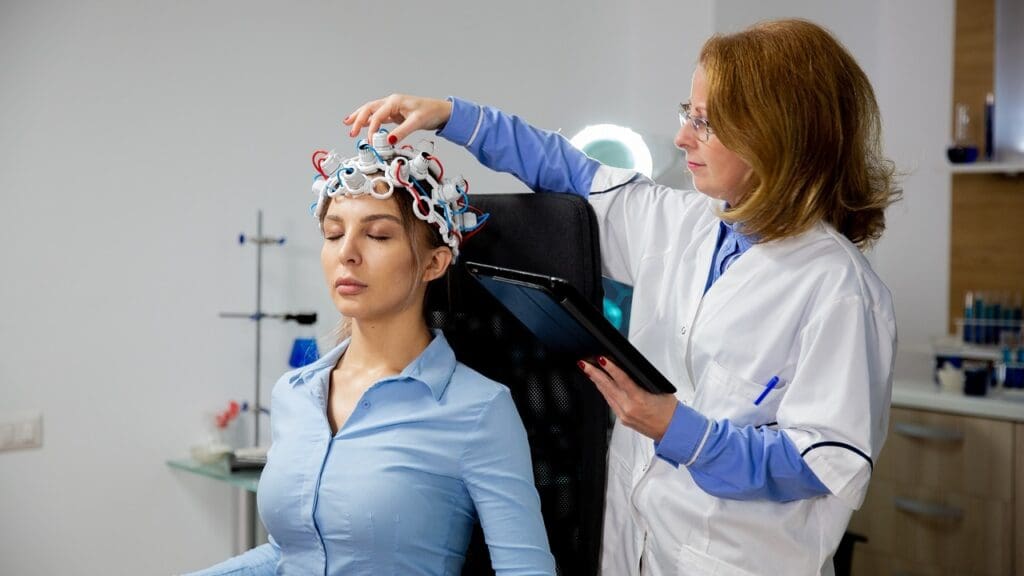
Recovering from brain tumor surgery is different for everyone. It depends on many things. Knowing what affects recovery times and healing goals is key.
Factors That Influence Recovery Timelines
Many things can change how long it takes to recover from brain surgery. These include the tumor’s type and where it is, the patient’s health before surgery, and any other health issues. Knowing these can help patients and their families get ready for recovery. Studies show most people make steady progress, but full recovery can take months.
Setting Realistic Expectations for Healing
It’s important to have clear expectations for recovery. Patients should know what to expect during this time. This includes possible tiredness, changes in thinking, and mood swings. Having realistic goals helps patients deal with recovery better and improves their quality of life after brain tumor surgery.
Recovering from brain surgery needs patience, support, and a detailed care plan. While everyone’s journey is unique, knowing what affects recovery and setting realistic goals can help a lot. Many people can get better from a brain tumor, and with the right help, they can live well.
Pre-Surgery Preparation: Setting the Stage for Successful Recovery
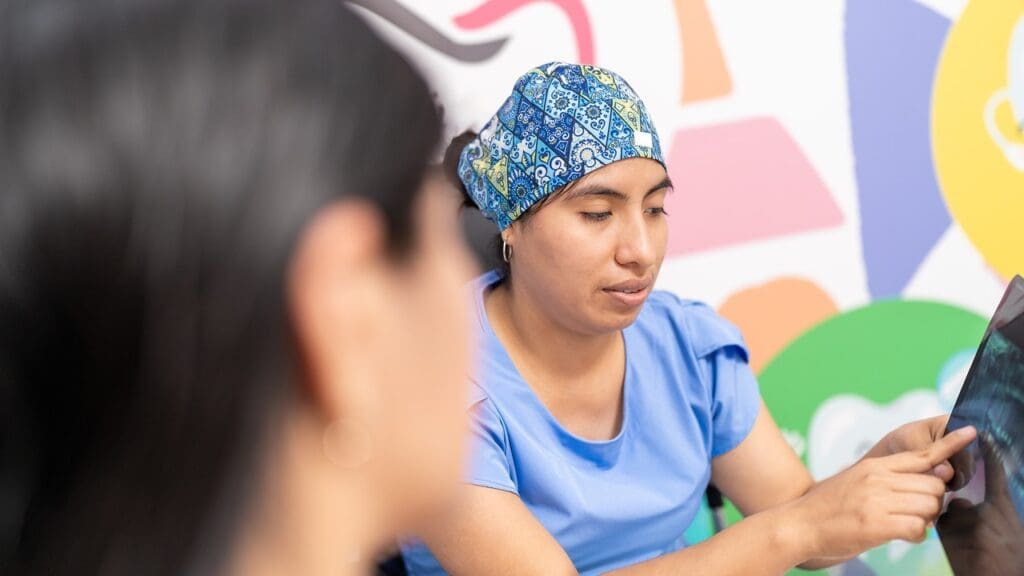
Getting ready for brain tumor surgery is very important. It involves medical checks and setting up your home. This helps you recover well after the surgery.
Medical Considerations Before Brain Tumor Surgery
Before surgery, you need to take care of some medical things. This makes sure you’re ready for the surgery and recovery from brain tumor surgery. Here are some steps:
- Do all the medical tests your doctor says you need.
- Tell your doctor about your health history and any medicines you take.
- Talk to your doctor about your recovery after brain tumor removal plan.
Practical Home and Family Arrangements
It’s also important to get your home ready for your recovery. Think about these things:
| Arrangement | Description |
|---|---|
| Home Preparation | Make your home clean, safe, and comfy. Remove dangers and set up a good place to rest. |
| Family Support | Get family or friends to help with daily chores like cooking and cleaning while you recover. |
| Transportation | Plan how you’ll get to and from the hospital and any other appointments. |
By taking care of both medical and home needs, you can have a good recovery after brain tumor removal. This helps you heal smoothly.
Hospital Stay After Brain Tumor Removal: What to Expect
Knowing what to expect after brain tumor surgery can ease anxiety. It helps patients get ready for recovery. The first days after surgery are key, and knowing what to expect can improve the experience.
The Critical First 24-48 Hours Post-Operation
The first 24 to 48 hours after surgery are very important. Medical staff watch patients closely for any problems. Close monitoring helps solve issues quickly and keeps patients safe and comfortable.
A top neurosurgeon says, “The first days after surgery are critical for a good recovery. Our team provides top care during this time.”
“The care received during the initial hospital stay after brain surgery is foundational to the entire recovery process.”
Medical Monitoring and Care Protocols
Patients are watched closely during their stay. They have regular checks of vital signs and neurological tests. This helps catch and manage any problems early on.
| Monitoring Aspect | Description | Frequency |
|---|---|---|
| Vital Signs | Monitoring of blood pressure, heart rate, and oxygen saturation | Continuous |
| Neurological Assessment | Evaluation of consciousness, cognitive function, and neurological deficits | Regular intervals |
| Imaging Studies | CT or MRI scans to assess the surgical site and detect any complications | As necessary |
Managing Pain and Discomfort Effectively
Managing pain well is key after surgery. Patients get the right medicine, and the team works to keep them comfortable. Pain management strategies are changed as needed to keep patients at ease.
The time in the hospital after brain tumor surgery is filled with care and watching. Knowing what to expect helps patients through this important part of their recovery.
Transitioning Home: The First Weeks of Brain Surgery Recovery
Going home after brain surgery is a big step in recovery. It needs careful planning and support. Patients must know important things that affect their healing.
Creating a Safe and Supportive Home Environment
Making your home safe and supportive is key. Remove tripping hazards and make sure you can easily get to what you need. You might need to change your living space to move around better.
Having a special area for rest is a good idea. It helps you avoid being disturbed.
Medication Management and Follow-up Care
Managing your medicine well is very important in the first weeks at home. Stick to your doctor’s plan and keep track of your medicine. Don’t forget to go to your follow-up appointments.
These visits help your doctor see how you’re doing. They can also fix any problems that come up.
Warning Signs That Require Medical Attention
It’s important for you and your caregivers to know when to get help fast. Look out for severe headaches, confusion, trouble speaking, weakness, and signs of infection like fever or redness.
| Warning Signs | Action Required |
|---|---|
| Severe headache or confusion | Seek immediate medical attention |
| Difficulty speaking or understanding speech | Contact healthcare provider immediately |
| Weakness or numbness in face, arm, or leg | Go to the emergency room |
| Signs of infection (fever, redness, swelling) | Notify healthcare provider promptly |
Being informed and ready helps you recover safely at home. It’s the first step to a successful brain operation recovery.
Physical Challenges During Brain Tumor Recovery
The journey to recovery after brain tumor surgery is filled with physical hurdles. These challenges can affect a patient’s daily life. They need careful management to improve their quality of life.
Addressing Fatigue and Energy Conservation
Fatigue is a big challenge during brain tumor surgery recovery. Patients often find it hard to do simple tasks because of low energy. To fight fatigue, patients should:
- Break tasks into smaller, manageable chunks
- Taking regular breaks to rest
- Engage in gentle exercises, such as yoga or short walks
Managing Balance, Coordination, and Mobility Issues
After brain tumor removal, some patients face balance, coordination, and mobility problems. These issues can lead to falls and accidents. To reduce these risks, patients can:
- Use assistive devices, such as canes or walkers
- Practice balance exercises, such as standing on one foot
- Engage in physical therapy to improve mobility and coordination
Coping with Headaches and Physical Symptoms
Headaches and other symptoms are common during recovery from brain tumor surgery. To handle these symptoms, patients can:
- Follow their medication regimen as prescribed by their doctor
- Practice relaxation techniques, such as deep breathing or meditation
- Apply cold or warm compresses to alleviate discomfort
Understanding and tackling these physical challenges helps patients navigate their brain surgery recovery better. It improves their overall quality of life.
Cognitive and Emotional Healing After Brain Surgery
The journey to recovery after brain tumor removal is complex. It includes cognitive and emotional well-being. It’s key to tackle the challenges that come with physical healing.
Navigating Memory and Cognitive Changes
Cognitive changes, like memory issues, are common after brain surgery. Patients might struggle with concentration or memory recall. Keeping a journal, using memory aids, and breaking tasks into simpler steps can help.
Understanding Mood Fluctuations and Emotional Responses
Mood swings and emotional responses are common during recovery. Patients might feel anxious, depressed, or irritable. It’s important to remember these feelings are part of the healing process.
We encourage patients to share their feelings with healthcare providers, family, and friends. This openness is key to emotional healing.
Practical Strategies for Mental Well-being
Mental well-being is essential for recovery. Engaging in relaxation techniques like meditation or deep breathing is helpful. Staying connected with loved ones and finding joy in activities also supports mental health.
Recovering from brain surgery is a unique journey. It involves physical, cognitive, and emotional healing. Understanding the challenges and using practical strategies can improve recovery outcomes and help patients regain independence.
Rehabilitation Therapies That Maximize Brain Tumor Recovery
Rehabilitation therapies are key for patients recovering from brain tumor surgery. They help patients regain their independence. After surgery, patients face challenges that affect their physical, cognitive, and emotional health. A good rehabilitation program can greatly improve their outcomes by tackling these challenges.
Physical Therapy Approaches and Benefits
Physical therapy is essential after brain tumor surgery. It helps patients regain strength, mobility, and balance. We work with physical therapists to create exercise plans that meet specific needs, like improving gait and managing fatigue. Physical therapy can significantly reduce the risk of falls and improve overall physical function, enabling patients to do daily activities more easily.
Speech and Language Rehabilitation Techniques
Speech and language rehabilitation is vital for patients with speech or language difficulties after surgery. Speech-language pathologists use various techniques to improve communication skills. These therapies can be tailored to the individual’s specific needs, whether it’s regaining fluency in speech or learning to communicate through alternative methods.
Occupational Therapy for Regaining Independence
Occupational therapy helps patients perform daily tasks and activities independently. Therapists assess the patient’s home environment and suggest modifications for safety and accessibility. They also work on strategies to improve cognitive function, such as memory aids and organizational techniques, helping patients regain their independence and participate in meaningful activities.
Customizing Therapy to Your Specific Needs
Every patient’s recovery journey is unique, and rehabilitation therapies should be customized to address individual challenges and goals. We emphasize the importance of a multidisciplinary team approach, where healthcare professionals collaborate to develop a personalized rehabilitation plan. For more information on rehabilitation after brain tumor diagnosis and treatment, you can visit The Brain Tumour Charity website.
| Therapy Type | Focus | Benefits |
|---|---|---|
| Physical Therapy | Strength, Mobility, Balance | Improved physical function, reduced fall risk |
| Speech and Language Therapy | Communication Skills | Enhanced articulation, comprehension, expression |
| Occupational Therapy | Daily Tasks, Independence | Regained independence, improved cognitive function |
Nutrition and Lifestyle Factors in Healing from Brain Surgery
Recovering from brain surgery is a whole-body effort. It needs a balanced diet, enough rest, and a slow return to daily activities. Nutrition and lifestyle are key to helping the body heal.
Brain-Healthy Dietary Recommendations
Eating well is essential for recovery. Eat lots of fruits and veggies for antioxidants, lean proteins for repair, and whole grains for energy. Stay away from processed foods and drink plenty of water to heal best.
Optimizing Sleep and Rest for Recovery
Good sleep and rest are vital for healing. Try to sleep at the same time every night and make your bedroom cozy. Don’t do too much before bed to sleep better.
Guidelines for Gradually Resuming Activities
Start with easy exercises and slowly get more intense. Always listen to your body and don’t push too hard. Too much too soon can slow you down.
By paying attention to nutrition and lifestyle, you can help your brain surgery recovery. This will improve your health and make getting back to normal easier.
Long-term Recovery After Brain Tumor Removal: Months 3-12
Understanding the long-term journey after brain tumor removal is key. It helps manage expectations and achieve the best outcomes. Most patients see big improvements in the first year after surgery.
Typical Progression and Milestones
In months 3-12, patients keep getting better. They regain strength, improve thinking, and start doing normal things again. Sticking to rehab plans and making lifestyle changes helps a lot.
Addressing Persistent Challenges
Even with progress, some patients face ongoing issues like fatigue, thinking problems, or mood changes. Working closely with healthcare providers is vital. They might need more therapy, medication, or lifestyle changes to help.
Strategies for Continued Improvement
For the best recovery, a mix of physical therapy, nutrition, and counseling is helpful. Doing brain-healthy activities and having a supportive network also helps a lot.
“Every patient’s recovery is different,” says a leading neurosurgeon. “Understanding this can help manage expectations and improve outcomes.” This shows the importance of personalized care and support.
By understanding the long-term recovery, patients can better navigate their journey. They can address challenges early and work towards the best quality of life after surgery.
Quality of Life After Brain Tumor Surgery: Rebuilding and Thriving
Rebuilding life after brain tumor surgery is a journey that needs patience, support, and understanding. Patients face many challenges that affect their quality of life.
Returning to Work, School, and Social Activities
Returning to work, school, and social activities is a big step in recovery. It can be both exciting and scary. Patients should work with their healthcare team to know when to start again.
Starting slowly can help patients feel more confident and independent. It’s important to balance activity with rest to avoid getting too tired.
Support Resources and Community Connections
Support resources and community connections are key to a better life after surgery. Support groups, counseling, and online forums offer emotional support and advice.
Meeting others who have gone through similar things can be very helpful. We suggest patients and their families look into these resources to build a strong support network.
Navigating Relationships and Family Dynamics
Brain tumor surgery can change relationships and family dynamics. Being open and empathetic is important in dealing with these changes.
| Tips for Navigating Relationships | Benefits |
|---|---|
| Communicate openly with family and friends | Strengthens relationships and builds trust |
| Seek support from counseling services | Provides emotional support and guidance |
| Join a support group | Connects you with others who understand your experience |
By using these strategies, patients and their families can work together to rebuild and thrive after surgery.
Conclusion: Embracing Your Unique Recovery Journey
Recovering from brain surgery is a journey that’s all about you. We’ve walked you through every step, from getting ready to healing for a long time. Knowing what to expect and how to face challenges can really help your recovery.
Every person’s recovery is different. It depends on their health and the details of their surgery. By understanding this, you can make the most of your recovery. Knowing the ups and downs of recovery can help you live better.
Keep in touch with your doctors and support groups as you go. Your recovery is special, and with the right help, you can do great. Let’s work together to make your recovery the best it can be.
What is the typical recovery time after brain surgery?
Recovery time after brain surgery varies. It depends on the tumor’s size and location, the patient’s health, and the surgery type. Patients usually need several weeks to months to recover.
How long does it take to recover from brain tumor removal surgery?
Recovery from brain tumor removal surgery can take weeks to months. The first hospital stay is 3-7 days. But, it can take 6-12 months or more to fully recover.
What are the common physical challenges during brain tumor recovery?
Common challenges include fatigue, balance issues, headaches, and more. These can be managed with energy-saving tips, physical therapy, and medication.
How can I manage cognitive and emotional changes after brain surgery?
Changes can be managed with cognitive rehab, counseling, and support groups. A healthy lifestyle, including a balanced diet and exercise, also helps.
What role does rehabilitation therapy play in brain tumor recovery?
Therapy is key in recovery. It helps patients regain physical, cognitive, and emotional function. Therapies like physical, speech, and occupational therapy are tailored to individual needs.
How can nutrition and lifestyle impact the recovery process after brain surgery?
Nutrition and lifestyle are vital. A brain-healthy diet, good sleep, and gradual activity resumption support healing and improve quality of life.
What are the warning signs that require medical attention after brain surgery?
Severe headache, confusion, weakness, seizures, and vision or speech changes need immediate medical attention. Patients should watch for these signs and seek help if they occur.
Can I recover from a brain tumor?
Yes, recovery from a brain tumor is possible. It depends on the tumor type, size, treatment success, and overall health. With proper care and support, many patients can significantly improve their quality of life.
How can I rebuild my quality of life after brain tumor surgery?
Rebuilding quality of life involves returning to daily activities and using support resources. Staying connected with loved ones, joining support groups, and seeking professional help are key to thriving during this phase.
What are the long-term effects of brain tumor surgery?
Long-term effects vary based on surgery type and patient health. Some face ongoing challenges, while others see significant recovery. Ongoing medical care and support help manage long-term effects.
References
- Cancer Research UK : https://www.cancerresearchuk.org/about-cancer/brain-tumours/treatment/surgery/recovering
- Brain Tumor Foundation : https://braintumor.org/brain-tumors/diagnosis-treatment/stages-of-treatment/after-surgery-before-treatment/recovery-from-brain-surgery
- The Brain Tumour Charity : https://www.thebraintumourcharity.org/brain-tumour-diagnosis-treatment/treating-brain-tumours/adult-treatments/neurosurgery-adults/going-home-after-surgery-brain-tumour