Managing hypothyroidism well means using medicine and smart food choices. If you have this condition, finding the right foods for your thyroid can be tough. You might wonder which foods help and which ones don’t.
Choosing the right foods can really help your body work better with thyroid medicine. Important nutrients like selenium, iodine, zinc, and omega-3 fatty acids are key. They help make hormones and keep you healthy.
By adding the right foods to your food plan, you can manage your condition better. This guide will show you the best foods for hypothyroidism. You’ll learn how to support your thyroid with what you eat.
Key Takeaways
- Eat foods rich in selenium, iodine, zinc, and omega-3 fatty acids to support thyroid health.
- Incorporate a balanced diet to manage hypothyroidism symptoms effectively.
- Understand which foods to include and avoid in your diet plan.
- Improve your overall well-being by making informed dietary choices.
- Support hormone production with the right nutrients.
Understanding Thyroid Health and Nutrition
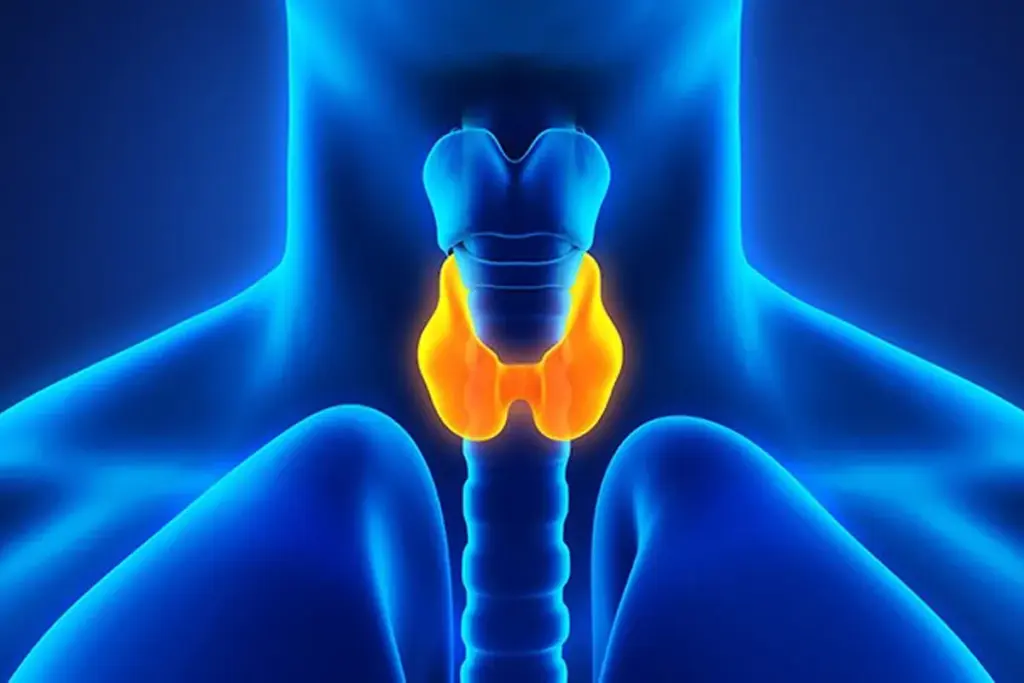
Hypothyroidism affects the body in many ways, and diet is key to managing it. It happens when the thyroid gland doesn’t make enough thyroid hormones. These hormones are important for metabolism, heart rate, and body temperature.
How Hypothyroidism Affects Your Body
Hypothyroidism can cause symptoms like fatigue, weight gain, dry skin, and cold intolerance. Thyroid hormones help with energy, metabolism, and body functions. Low thyroid hormone levels can lead to these symptoms.
Knowing how hypothyroidism affects you is the first step to managing it. Recognizing symptoms and their causes helps you make better diet and lifestyle choices.
The Role of Nutrition in Supporting Medication
Nutrition is vital for managing hypothyroidism. A balanced diet supports thyroid function and overall health. Nutrients like iodine, selenium, and zinc are key for thyroid hormone production.
Iodine is needed for thyroid hormones. Foods like seaweed and iodized salt are good sources. Selenium, found in Brazil nuts and fish, protects the thyroid gland. Adding these nutrients to your diet can help, but always talk to a healthcare provider first. The Mayo Clinic says nutrition is key for managing hypothyroidism.
Eating a nutrient-rich diet and knowing how foods affect thyroid health can help manage hypothyroidism. This can improve your quality of life.
The Optimal Diet for Hypothyroidism: 15 Beneficial Foods

Adding specific foods to your diet can help your thyroid function better. A good diet plan to lose weight with hypothyroidism helps with weight loss and improves health.
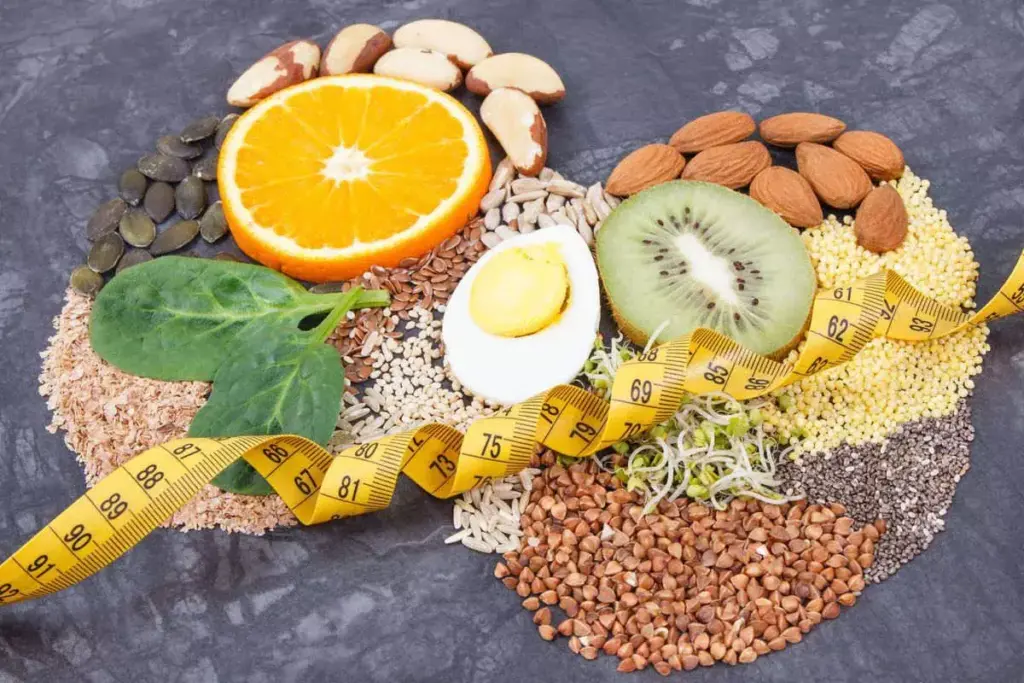
Some nutrients are key for managing hypothyroidism. Let’s look at the best food groups for this.
Selenium-Rich Foods for Thyroid Function
Selenium is vital for thyroid health. It helps turn T4 into T3. Eating foods rich in selenium can boost thyroid function.
- Brazil nuts: One of the richest sources of selenium.
- Fish: Varieties like tuna and sardines are good sources.
- Turkey: A lean meat that provides selenium.
Iodine-Rich Foods for Hormone Production
Iodine is key for making thyroid hormones. Eating iodine-rich foods supports thyroid function.
- Seaweed: Such as kelp and nori, are excellent sources.
- Iodized salt: Use in moderation.
- Dairy products: Milk, yogurt, and cheese.
For more info on managing hypothyroidism through diet, check out Healthline’s guide on hypothyroidism diet.
Zinc-Rich Foods for Immune Support
Zinc is vital for immune function and thyroid health. Eating zinc-rich foods is beneficial.
- Pumpkin seeds: A tasty and nutritious snack.
- Beef: A good source of zinc, if grass-fed.
- Chicken: Another lean meat that provides zinc.
Anti-Inflammatory Foods for Thyroid Health
Chronic inflammation worsens hypothyroidism symptoms. Eating anti-inflammatory foods can help reduce inflammation and support thyroid health.
- Fatty fish: Such as salmon and mackerel, rich in omega-3 fatty acids.
- Turmeric: Contains curcumin, a powerful anti-inflammatory compound.
- Ginger: Known for its anti-inflammatory properties.
By adding these 15 beneficial foods to your diet, you can make a personalized low thyroid food list. This supports your thyroid health and overall well-being.
Conclusion: Creating Your Personalized Hypothyroidism Meal Plan
Creating a meal plan tailored to your needs can help manage hypothyroidism better. Knowing which foods are best and which to avoid is key. This supports your thyroid and overall health.
A good diet is essential for managing hypothyroidism. Some foods can make it worse, while others are full of nutrients. It’s important to know which foods to avoid and include in your diet. This helps create a balanced meal plan for hypothyroidism.
To make a diet for hypothyroidism, eat foods rich in iodine, selenium, and zinc. Stay away from soy and cruciferous vegetables. Making smart food choices can help manage your condition and improve your life.
We hope this guide helps you make a meal plan that supports your thyroid health. By choosing the right foods and nutrients, you can control your hypothyroidism and stay healthy.
FAQ
What is the best diet plan for hypothyroidism?
For hypothyroidism, eat foods rich in selenium, iodine, zinc, and anti-inflammatory foods. These help your thyroid and overall health.
What foods should I eat to support my thyroid health?
Eat foods like Brazil nuts for selenium, seaweed for iodine, oysters for zinc, and fatty fish for anti-inflammatory benefits.
Are there specific foods that can help alleviate hypothyroidism symptoms?
Yes, foods rich in selenium and iodine can help your thyroid. They support hormone production.
What foods should I avoid if I have hypothyroidism?
Avoid soy, soy products, and large amounts of cruciferous vegetables. Also, limit gluten if you’re gluten-sensitive.
How does nutrition impact hypothyroidism management?
Nutrition is key for thyroid health and managing hypothyroidism. A balanced diet with essential nutrients can help symptoms and support medication.
Can dietary changes alone manage hypothyroidism?
Dietary changes are important but should be part of a complete treatment plan. Always follow your healthcare provider’s advice.
What is the role of iodine in thyroid health?
Iodine is vital for making thyroid hormones. Eating iodine-rich foods like seaweed and iodized salt supports thyroid function.
How can I create a personalized meal plan for hypothyroidism?
Focus on foods that support thyroid health, like selenium, iodine, and zinc-rich foods. For personalized advice, talk to a healthcare professional or registered dietitian.
REFERENCES:
National Center for Biotechnology Information. Evidence-Based Medical Guidance. Retrieved from https://pmc.ncbi.nlm.nih.gov/articles/PMC10857224/[1