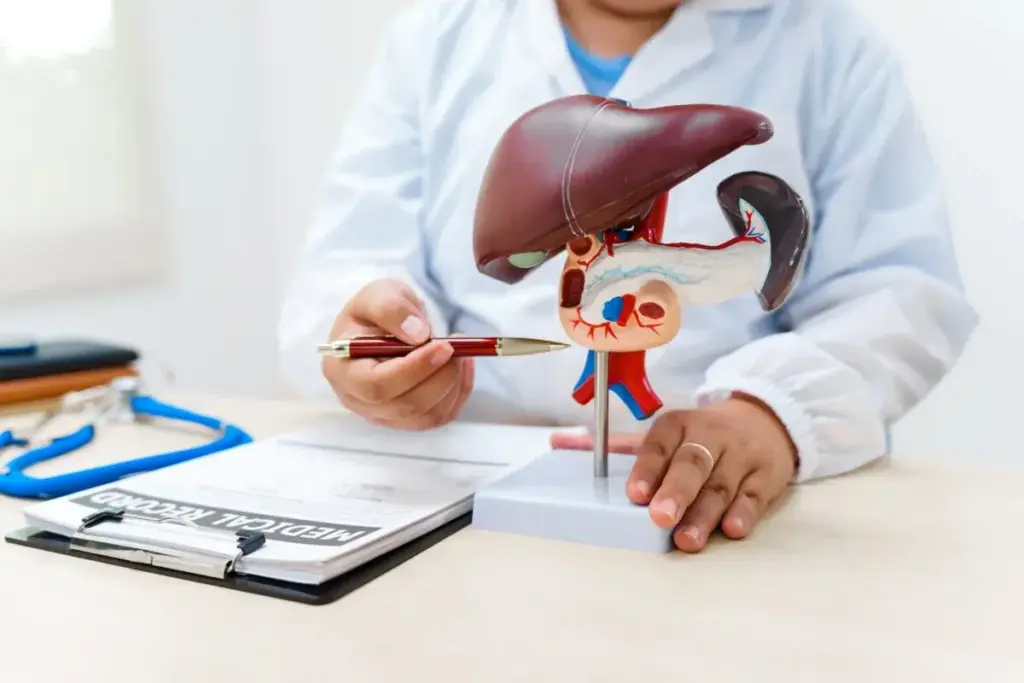
Living with cirrhosis means making smart food choices. This helps manage symptoms and slow the disease. Studies show that 50 to 90 percent of people with cirrhosis face malnutrition. This is because they need more nutrients, eat less, and absorb less.
We suggest a diet full of nutrient-rich foods to support the liver and overall health. By choosing the right foods, people with cirrhosis can better manage their condition. This improves their quality of life.
Key Takeaways
- Eat a meal or snack every 2–3 hours to prevent energy gaps and muscle loss.
- Include a 50 g carbohydrate snack before bed to help preserve muscle mass.
- Target around 5 g of salt per day to manage fluid retention.
- Choose wholegrain varieties and a variety of fruits and vegetables.
- Consider nourishing drinks and supplements if needed.
Understanding Cirrhosis and Nutritional Needs
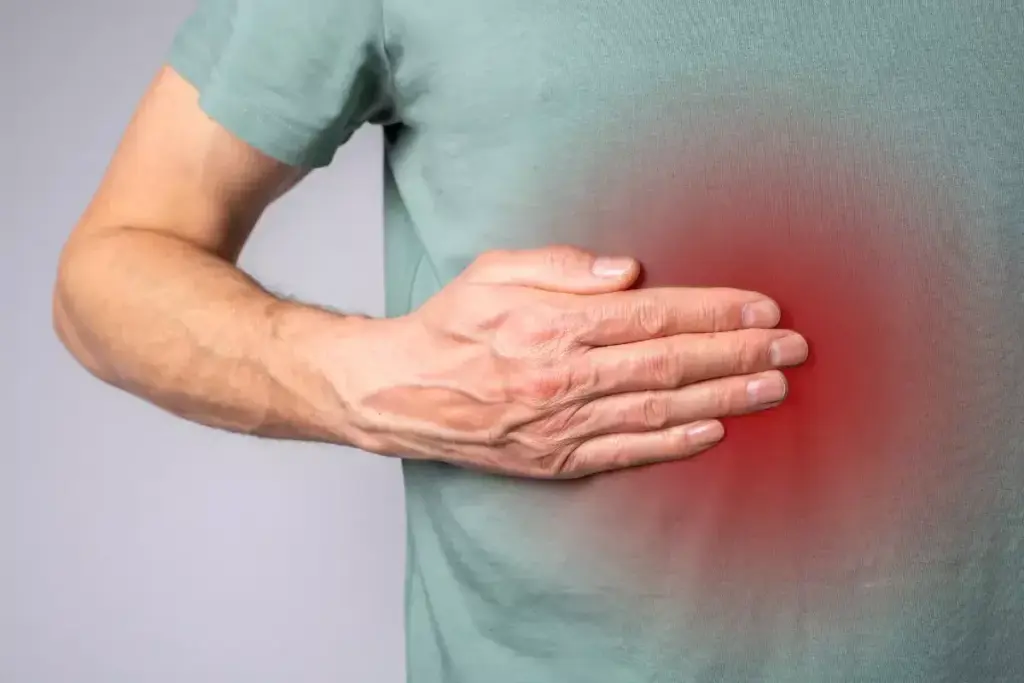
The link between cirrhosis and nutrition is deep, needing a detailed diet plan. Cirrhosis is a severe liver scarring caused by diseases like hepatitis and alcoholism. It greatly changes what someone needs to eat.
How Cirrhosis Affects Nutrition
Cirrhosis makes it hard for the liver to handle nutrients, leading to malnutrition. The liver is key in digestion, metabolism, and cleaning the body. When it’s not working right, eating well is even more critical. A good protein diet for liver cirrhosis is key to managing the disease.
Patients with cirrhosis might not get enough nutrients because they can’t absorb them well. They need a diet full of protein from plants and dairy to keep muscles strong and overall health good.
- Adequate protein intake (1.0 to 1.5 grams per kilogram of body weight daily) is recommended.
- Plant-based proteins, such as beans and lentils, are beneficial.
- Dairy-sourced proteins, like milk and yogurt, provide essential branched-chain amino acids.
Preventing Malnutrition in Liver Disease
Stopping malnutrition is key in cirrhosis care. A good diet for liver cirrhosis includes foods that help the liver and keep the body healthy. Important diet tips include:
- Eating small meals often to keep energy up.
- Adding fruits and veggies for antioxidants.
- Choosing whole grains for lasting energy.
- Staying away from salty and fatty foods.
Knowing how cirrhosis impacts nutrition and eating right can help manage the disease. A best diet for cirrhosis is one that meets the person’s nutritional and health needs.
15 Best Foods to Eat with Cirrhosis

Eating the right foods is key for those with cirrhosis. It helps manage symptoms and boosts life quality. Focus on foods rich in nutrients to support your liver and overall health.
Protein-Rich Foods for Muscle Preservation
Protein is vital for cirrhosis patients to keep muscle mass. Include lean meats, fish, eggs, and dairy in your meals. Beans, lentils, and tofu are great plant-based protein sources.
Examples of Protein-Rich Foods:
- Lean beef
- Chicken breast
- Fish (salmon, cod)
- Eggs
- Greek yogurt
- Beans and lentils
- Tofu
Fruits and Vegetables with Antioxidant Properties
Fruits and veggies with antioxidants protect the liver. Eat a variety of colorful ones like berries, leafy greens, and cruciferous veggies.
Antioxidant-Rich Foods:
- Blueberries
- Spinach
- Kale
- Broccoli
- Carrots
Complex Carbohydrates for Sustained Energy
Complex carbs give lasting energy and are full of fiber. This helps control blood sugar and aids digestion. Whole grains like brown rice, quinoa, and whole-wheat bread are top choices.
| Complex Carbohydrate | Benefits |
| Brown rice | Rich in fiber, manganese |
| Quinoa | Complete protein, rich in iron |
| Whole-wheat bread | High in fiber, B vitamins |
Anti-Inflammatory and Liver-Supporting Foods
Some foods fight inflammation and support the liver. Include olive oil, fatty fish, and turmeric in your diet. They help reduce inflammation and improve well-being.
Anti-Inflammatory Foods:
- Olive oil
- Fatty fish (salmon, sardines)
- Turmeric
- Ginger
Eating these 15 foods can help manage cirrhosis and enhance your life. Eat small meals often, with a big snack before bed. This snack should have about 700 calories and 25 grams of protein to prevent muscle loss while you sleep.
Practical Dietary Guidelines for Cirrhosis Management
Managing cirrhosis well means more than just picking the right foods. It’s also about when and how much you eat. We know changing your diet can be tough. But with the right help, people with cirrhosis can make choices that help their health.
Meal Frequency and Portion Control
Eating small meals often is a smart move for cirrhosis management. It keeps your energy steady and eases liver work. We suggest eating throughout the day to avoid big meals that can harm your liver.
Here’s a simple meal plan to follow:
| Meal Time | Food Choices | Portion Size |
| Breakfast | Oatmeal with fruits | 1 cup cooked |
| Mid-Morning Snack | Yogurt with nuts | 6 oz yogurt, 1 oz nuts |
| Lunch | Grilled chicken with vegetables | 3 oz chicken, 1 cup vegetables |
| Afternoon Snack | Fruit salad | 1 cup mixed fruits |
| Dinner | Baked fish with quinoa | 3 oz fish, 1/2 cup cooked quinoa |
| Bedtime Snack | Cottage cheese | 1/2 cup |
The Critical Importance of Bedtime Nutrition
A bedtime snack is key for cirrhosis patients. It stops muscle loss while you sleep. We recommend a protein-rich snack before bed to keep muscles strong and support nutrition.
Foods and Substances to Avoid
Knowing what not to eat is just as important. Some foods and substances can hurt your liver more. Stay away from processed and high-sodium foods, alcohol, and certain supplements that are bad for your liver.
- Avoid raw or undercooked shellfish due to the risk of infection.
- Limit foods high in sugar and saturated fats.
- Be careful with dietary supplements; talk to a healthcare provider before adding new ones.
By sticking to these dietary tips, people with cirrhosis can manage their condition better. We’re here to offer support and guidance through the challenges of cirrhosis management.
Conclusion
A good diet is key to managing cirrhosis. It helps keep you healthy and improves your life quality. Eating the right foods and avoiding bad ones is important for those with cirrhosis.
We’ve talked about a diet plan for cirrhosis patients. It includes protein, fruits and veggies, carbs, and anti-inflammatory foods. A high protein diet helps keep muscles strong. A healthy diet for liver cirrhosis reduces inflammation and boosts well-being.
Knowing what foods are good for cirrhosis is important. Eating the right foods can make you healthier and happier. It’s best to work with a healthcare pro to make a diet plan that fits your needs.
FAQ
What is a good diet for cirrhosis of the liver?
A good diet for cirrhosis includes lots of protein, fiber, and antioxidants. Eat lean meats, fish, eggs, and dairy. Also, include whole grains, fruits, and veggies. This diet helps manage symptoms and improves life quality.
What foods are good for liver cirrhosis?
Good foods for liver cirrhosis are protein-rich like lean meats and fish. Also, eat antioxidant-rich fruits and veggies. Include complex carbs like whole grains and omega-3 fatty acids for inflammation.
Is a high protein diet good for liver cirrhosis?
Yes, a high protein diet is good for liver cirrhosis. It supports muscle health and well-being. Good protein sources are lean meats, fish, eggs, dairy, and plant-based options like legumes and nuts.
What should be avoided in a diet for cirrhosis?
Avoid foods that harm the liver, like too much salt, alcohol, and certain meds. Limit foods high in sugar, saturated fats, and refined carbs.
How often should I eat if I have cirrhosis?
Eat smaller, more frequent meals to manage cirrhosis. This helps with symptoms and prevents malnutrition.
Are there specific foods that can help manage cirrhosis symptoms?
Yes, some foods can help manage symptoms. Antioxidant-rich fruits and veggies reduce oxidative stress. Omega-3 fatty acids reduce inflammation.
Can I drink alcohol if I have cirrhosis?
No, avoid alcohol with cirrhosis. It damages the liver and speeds up disease progression.
What is the importance of bedtime nutrition in cirrhosis management?
Bedtime nutrition is key for cirrhosis. It prevents muscle breakdown and supports health. A bedtime snack with protein and carbs is beneficial.
Which fish is good for liver cirrhosis?
Fatty fish like salmon are good for cirrhosis. They’re rich in omega-3 fatty acids, which reduce inflammation and support health.
How can I prevent malnutrition with cirrhosis?
To prevent malnutrition, eat a balanced diet rich in protein, fiber, and antioxidants. Avoid liver-damaging foods. Regular nutritional assessments and diet adjustments are also important.
References
Government Health Resource. Evidence-Based Medical Guidance. Retrieved from
https://easl.eu/wp-content/uploads/2018/10/EASL-CPG-nutrition-in-chronic-liver-disease.pdf[2