

Understanding diabetes diagnosis and management is complex. It involves a lot of medical abbreviations that show your health status and treatment. Knowing these abbreviations is key for both patients and healthcare professionals. Type 2 Diabetes Mellitus (T2DM) is the most common diabetes type, affecting millions worldwide.
Managing diabetes means getting to know different test abbreviations. Liv Hospital makes sure to explain these important abbreviations clearly. This helps people understand their diagnosis and treatment better.
Key Takeaways
- Understanding diabetes abbreviations is key for effective management.
- Type 2 Diabetes Mellitus (T2DM) is a common condition globally.
- Knowing relevant abbreviations helps individuals navigate their diagnosis and treatment.
- Liv Hospital prioritizes clear communication about diagnostic tests.
- 15 key diabetes and glucose test abbreviations will be explained.
Abbreviation for Type 2 Diabetes Mellitus and Related Terms
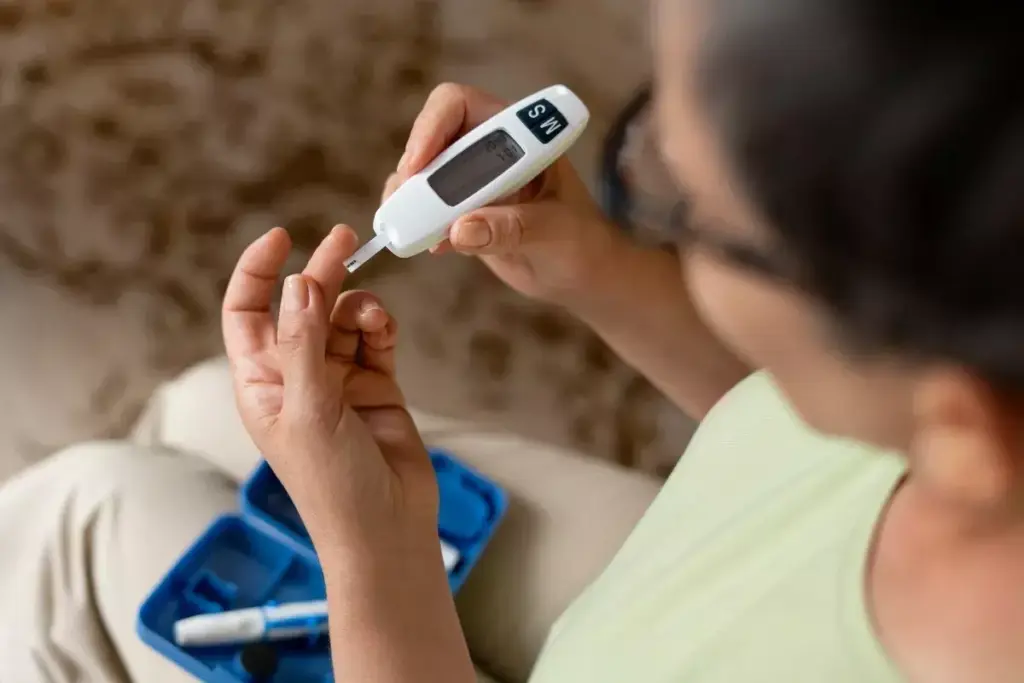
To understand diabetes care, knowing key abbreviations is essential. Diabetes has many terms and abbreviations. These are important for both doctors and patients to know.
T2DM – Type 2 Diabetes Mellitus
Type 2 Diabetes Mellitus, or T2DM, is a long-term condition. It affects how the body uses sugar (glucose). The body doesn’t use insulin well, and insulin production may decrease over time.
T1DM – Type 1 Diabetes Mellitus
Type 1 Diabetes Mellitus (T1DM) is an autoimmune disease. It happens when the body attacks the insulin-making cells in the pancreas. This means the body can’t make enough insulin, so people need insulin shots.
DM – Diabetes Mellitus
The term Diabetes Mellitus (DM) includes both Type 1 and Type 2 diabetes. It’s a general term for conditions with high blood sugar levels for a long time.
IDDM – Insulin-Dependent Diabetes Mellitus
Insulin-Dependent Diabetes Mellitus (IDDM) is an older term. It was used for what we now call Type 1 Diabetes Mellitus. It highlights the need for insulin because the body can’t make it.
| Abbreviation | Full Form | Description |
| T2DM | Type 2 Diabetes Mellitus | Characterized by insulin resistance and impaired insulin secretion. |
| T1DM | Type 1 Diabetes Mellitus | An autoimmune condition leading to insulin deficiency. |
| DM | Diabetes Mellitus | A broad term for conditions with high blood sugar levels. |
| IDDM | Insulin-Dependent Diabetes Mellitus | Historically used to describe Type 1 Diabetes Mellitus. |
Knowing these abbreviations is key for managing diabetes well. It helps in clear communication between doctors and patients. By understanding these terms, people can better handle diabetes care.
Long-Term Glucose Monitoring Abbreviations
[Add image here]
Managing diabetes well needs long-term glucose monitoring. This is done with key abbreviations. Knowing these abbreviations helps in understanding test results and making smart diabetes care choices.
Long-term glucose monitoring checks blood sugar levels over 2-3 months. This is key for seeing if diabetes management is working and for making changes if needed.
HbA1c – Hemoglobin A1c (Glycated Hemoglobin)
HbA1c, or Hemoglobin A1c, is a blood test. It shows the average blood sugar level over 2-3 months. It does this by looking at how much glucose is attached to hemoglobin in red blood cells. The HbA1c test is very important for managing diabetes, showing how well blood sugar has been controlled.
A1C – Hemoglobin A1c
A1C is another name for the Hemoglobin A1c test. It’s often used the same as HbA1c. The A1C test is important because it shows average blood sugar levels over a long time. This helps doctors understand how well a patient’s glucose is being controlled.
eAG – Estimated Average Glucose
eAG, or Estimated Average Glucose, is calculated from HbA1c test results. It gives an idea of average glucose levels over 2-3 months. It’s shown in the same units as daily glucose tests (mg/dL or mmol/L). This makes it easier for people with diabetes to see how their long-term glucose levels compare to their daily readings.
It’s very important to know these long-term glucose monitoring abbreviations for good diabetes management. By understanding HbA1c, A1C, and eAG, people with diabetes can better understand their test results. They can then work with their healthcare team to improve their care plans.
Blood Glucose Test Abbreviations
Knowing blood glucose test abbreviations is key for managing diabetes well. These tests help diagnose and track diabetes. They show blood sugar levels at different times and conditions.
9. FBS/FPG – Fasting Blood Sugar/Fasting Plasma Glucose
The Fasting Blood Sugar (FBS) or Fasting Plasma Glucose (FPG) test checks blood sugar after not eating for a night. It’s important for diagnosing diabetes and keeping an eye on glucose levels. “Fasting glucose levels give a basic idea of glucose control,” say diabetes experts.
10. RPG – Random Plasma Glucose
Random Plasma Glucose (RPG) tests check blood sugar at any time, without caring when last ate. This test is good for quick glucose checks. It’s a quick look at blood glucose that shows if more tests or medical help are needed.
11. OGTT – Oral Glucose Tolerance Test
The Oral Glucose Tolerance Test (OGTT) checks how well the body handles sugar after drinking a sweet drink. It helps find diabetes and prediabetes. A study found, “OGTT is great for checking glucose tolerance and insulin sensitivity.”
12. PPG – Postprandial Glucose
Postprandial Glucose (PPG) tests blood sugar after eating, showing how food affects it. Managing postprandial glucose is essential for diabetes care.
These blood glucose tests, each with its own abbreviation, are critical in diabetes care. Knowing and using these tests can greatly help manage diabetes.
Home Monitoring and Laboratory Panel Abbreviations
In diabetes care, knowing key abbreviations is vital. It’s important to monitor blood glucose levels daily and through lab tests. This ensures levels stay in the target range.
SMBG – Self-Monitoring of Blood Glucose
Self-Monitoring of Blood Glucose (SMBG) means checking blood sugar levels with a glucometer every day. It’s key for managing diabetes. Regular checks help make better diet, exercise, and medication choices.
The American Diabetes Association says SMBG is vital for reaching glycemic goals.
BMP – Basic Metabolic Panel
A Basic Metabolic Panel (BMP) is a lab test that checks glucose, electrolytes, and kidney function. It gives doctors important info on metabolic health. This helps in diagnosing and managing diabetes.
| Test | Description |
| Glucose | Measures blood glucose levels |
| Electrolytes | Measures levels of essential minerals such as sodium and potassium |
| Kidney Function Tests | Assesses kidney health through measurements like creatinine and urea |
CGM – Continuous Glucose Monitoring
Continuous Glucose Monitoring (CGM) tracks glucose levels all day. It gives detailed insights into glucose trends. This helps in better diabetes management.
CGM improves glycemic control and lowers hypoglycemia risk. A study in the Journal of Diabetes Science and Technology found CGM use improves control and reduces hypoglycemia in type 1 diabetes adults.
Conclusion
Managing diabetes well means knowing the different glucose testing and diabetes care abbreviations. Terms like T2DM (Type 2 Diabetes Mellitus) and HbA1c (Hemoglobin A1c) are key. Also, knowing SMBG (Self-Monitoring of Blood Glucose) and CGM (Continuous Glucose Monitoring) helps people manage their diabetes better.
Understanding glucose abbreviations and other diabetes terms, like dssi medical abbreviation diabetes, helps patients make better choices. It also makes talking to doctors easier. This leads to better treatment plans.
Learning about diabetes and glucose test abbreviations helps people manage their care better. This knowledge is a big step towards better health and a healthier life.
FAQ
What does T2DM stand for?
T2DM stands for Type 2 Diabetes Mellitus, a chronic condition affecting blood sugar regulation.
What is the difference between T1DM and T2DM?
T1DM is an autoimmune insulin deficiency, while T2DM involves insulin resistance and reduced insulin production.
What does HbA1c measure?
HbA1c measures the average blood glucose level over the past 2–3 months.
What is the purpose of the OGTT test?
The OGTT evaluates how well the body processes glucose after consuming a sugar drink.
What does SMBG stand for?
SMBG stands for Self-Monitoring of Blood Glucose using a home glucose meter.
What is CGM, and how does it work?
CGM stands for Continuous Glucose Monitoring, which uses a sensor to track glucose levels in real time.
What is the difference between FBS and RPG?
FBS measures fasting blood sugar after no food for 8 hours, while RPG measures glucose at any time.
What does eAG represent?
eAG stands for Estimated Average Glucose, converting HbA1c results into average daily glucose levels.
What is a BMP test?
A BMP (Basic Metabolic Panel) is a blood test that measures glucose, electrolytes, and kidney function.
What is PPG?
PPG stands for Postprandial Glucose, which measures blood sugar levels after a meal.
What does DM stand for?
DM stands for Diabetes Mellitus, a group of disorders characterized by high blood sugar.
What is IDDM?
IDDM stands for Insulin-Dependent Diabetes Mellitus, an older term for Type 1 diabetes.
Why is understanding diabetes abbreviations important?
Understanding diabetes abbreviations helps patients and healthcare providers communicate clearly about diagnosis, monitoring, and treatment.
References
HbA1c can be used as a diagnostic test for diabetes providing that stringent quality assurance tests are in place and assays are standardised to criteria.https://www.ncbi.nlm.nih.gov/books/NBK304271/