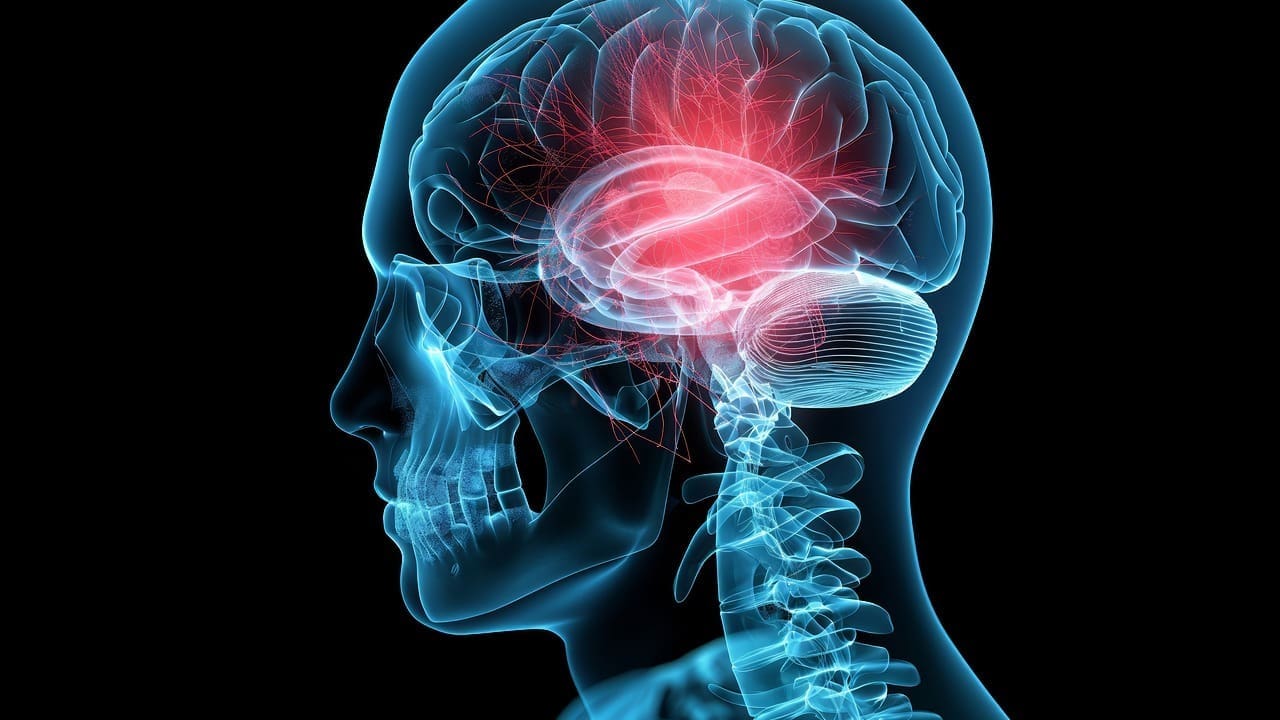
It’s key to know the causes and risk factors for brain blockage to stop and treat strokes. At Liv Hospital, we focus on top-notch care and the newest medical knowledge. We aim to better the lives of those who have had strokes.
The leading cause of stroke is usually blocked blood flow, leading to a cerebrovascular accident (CVA). Tissue plasminogen activator (tPA) is important for breaking down fibrin. It also has roles in the brain.
We’ll talk about the etiology of CVA stroke and how to prevent and manage it. Our goal is to give top-notch care and help those at risk.
Key Takeaways
- Understanding the root causes and risk factors for brain blockage is key to preventing and managing stroke.
- The leading cause of stroke is often related to obstructed blood flow.
- tPA plays a vital role in fibrinolysis and has various functions in the central nervous system.
- Expert preventive and innovative care can help those at risk.
- Liv Hospital is committed to providing cutting-edge care for stroke sufferers.
Understanding Brain Blockage as the Leading Cause of Stroke
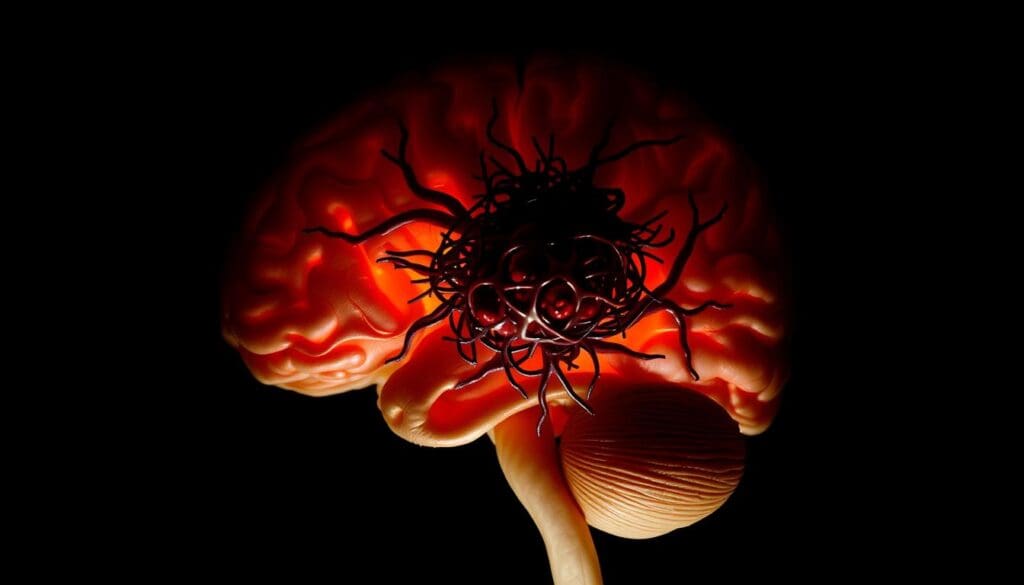
Brain blockage is the main reason for strokes. It happens when blood can’t reach the brain. We’ll dive into what this means and why it’s important.
What Defines a Brain Blockage?
A brain blockage, or cerebral artery occlusion, happens when a brain blood vessel gets blocked. This block can be caused by a blood clot or other things. Ischemic stroke, caused by blockages, is a serious emergency that needs quick help.
The Relationship Between Brain Blockage and Cerebrovascular Accidents (CVA)
Cerebrovascular accidents (CVA), or strokes, occur when the brain’s blood supply is cut off. Brain blockage is a main reason for CVA, leading to ischemic stroke. Research shows that quick medical care, like tPA, can greatly help stroke patients by getting blood flowing again.
Why Ischemic Strokes Account for 80% of All Stroke Cases
Ischemic strokes are the most common type, making up about 80% of all strokes. Their high number is due to several reasons, including:
- Atherosclerosis: The buildup of plaque in arteries.
- Cardiac conditions: Like atrial fibrillation, which can cause clots.
- Lifestyle factors: Such as smoking, high blood pressure, and diabetes.
Knowing these risk factors is key to preventing and managing strokes.
The Pathophysiology of Ischemic Stroke
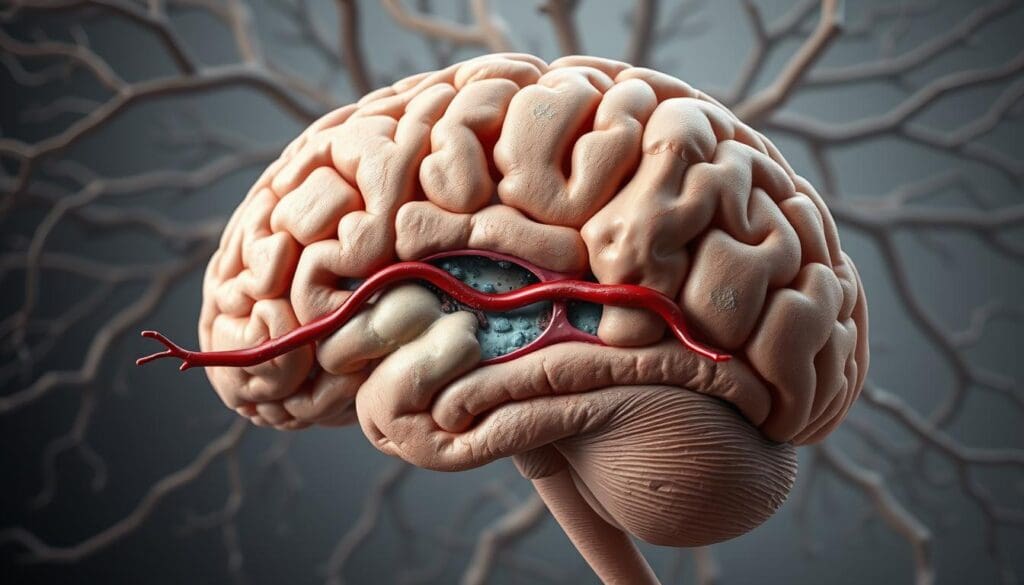
Understanding how ischemic stroke works is key to finding better treatments. This type of stroke happens when a blood vessel in the brain gets blocked. This blockage starts a chain of events that harms brain cells.
How Blood Flow Obstruction Damages Brain Tissue
When a blood vessel gets blocked, brain cells don’t get the oxygen and nutrients they need. This damage takes time to happen. But, it gives doctors a chance to act and help.
The Critical Timeline of Brain Cell Death
The time it takes for brain cells to die after a stroke is very important. Studies show that quick action, like using tPA, can make a big difference. It helps get blood flowing again.
Differences Between Temporary and Permanent Blockages
It’s vital to know the difference between temporary and permanent blockages. Temporary blockages might go away with treatment. But, permanent blockages can cause serious and lasting harm.
| Blockage Type | Characteristics | Outcome |
|---|---|---|
| Temporary | Reversible obstruction | Potential for full recovery |
| Permanent | Irreversible obstruction | Severe and lasting damage |
We understand how important it is to grasp these concepts. It helps us give the best care to those at risk of ischemic stroke.
Primary Causes of Brain Blockage: Thrombotic Events
It’s important to know what causes brain blockage to prevent strokes. Thrombotic events are a big part of this. We’ll look at the main factors behind these events.
Atherosclerosis: The Formation and Progression of Arterial Plaque
Atherosclerosis is when plaque builds up in arteries, making them hard and narrow. This is key in causing thrombotic events. Neutrophil extracellular traps (NETs) are also linked to heart diseases, including atherosclerosis and thrombosis.
Large Vessel Thrombosis and Major Artery Blockage
Large vessel thrombosis happens when blood clots form in big arteries to the brain. This can cause big blockages and serious damage. Such blockages can lead to major strokes.
Small Vessel Disease and Lacunar Infarcts
Small vessel disease affects the tiny arteries in the brain, causing lacunar infarcts. These are small dead tissue areas from blocked small vessels.
Risk Factors Specific to Small Vessel Disease
Risk factors for small vessel disease include high blood pressure, diabetes, and high cholesterol. It’s key to manage these to prevent lacunar infarcts.
| Risk Factor | Impact on Small Vessel Disease |
|---|---|
| Hypertension | Increases the risk of small vessel disease by damaging arterial walls. |
| Diabetes | Contributes to the progression of atherosclerosis in small vessels. |
| Hyperlipidemia | Enhances plaque formation within small arteries. |
Embolic Causes of CVA Stroke
It’s important to know about embolic causes of CVA stroke to prevent and treat them. These strokes happen when a blood clot or debris travels to the brain. We’ll look at where these emboli come from and how they raise stroke risk.
Atrial Fibrillation: A Major Source of Cardiac Emboli
Atrial fibrillation (AF) is a big risk for embolic stroke. It causes blood to pool in the left atrium, making clots more likely. AF is a big cause of cardioembolic strokes, which are often severe and deadly.
Other Cardiac Sources of Embolism
Other heart problems can also cause embolic strokes. These include valvular heart disease, prosthetic heart valves, and tumors. Cardiac emboli are dangerous because they can be unpredictable and form large clots.
Arterial-to-Arterial Embolism Pathways
Arterial-to-arterial embolism happens when atherosclerotic material moves from one artery to another. A big source of these emboli is the carotid artery, mainly due to carotid artery disease.
Carotid Artery Disease and Stroke Risk
Carotid artery disease narrows or blocks the carotid arteries due to atherosclerosis. It’s a big risk for stroke because it can cause artery-to-artery embolism. Early treatment and management of carotid artery disease are key to preventing stroke.
| Condition | Stroke Risk | Management Strategy |
|---|---|---|
| Atrial Fibrillation | High | Anticoagulation therapy |
| Carotid Artery Disease | High | Carotid endarterectomy or stenting |
| Valvular Heart Disease | Moderate | Anticoagulation or valve replacement |
Understanding embolic causes of CVA stroke helps us find at-risk individuals. We can then use specific treatments to prevent these serious events.
Modifiable Risk Factors for Ischemic Stroke
Ischemic stroke is a major cause of disability and death. It can be prevented by managing certain risk factors. We will look at these risk factors and how to improve health outcomes.
Hypertension: The Most Significant Controllable Risk Factor
Hypertension is the biggest risk factor for ischemic stroke. High blood pressure can damage brain blood vessels. This makes them more likely to block.
The American Stroke Association says controlling hypertension is key. This can be done through lifestyle changes and medication.
Managing hypertension means checking blood pressure often. Eating a low-sodium diet and exercising regularly are also important. Doing this can cut stroke risk by up to 40% (Source: American Heart Association).
Diabetes Mellitus and Impaired Glucose Metabolism
Diabetes mellitus is another big risk factor for ischemic stroke. High blood sugar damages blood vessels. Managing diabetes well is vital to prevent stroke.
A study in the Journal of the American Medical Association showed intensive glucose control helps. We suggest working closely with healthcare providers to manage diabetes.
Dyslipidemia and Cholesterol Management
Dyslipidemia, or abnormal cholesterol levels, is a big risk factor for ischemic stroke. High LDL cholesterol can cause artery blockages.
| Cholesterol Type | Normal Levels | High/Abnormal Levels |
|---|---|---|
| LDL Cholesterol | <100 mg/dL | ≥130 mg/dL |
| HDL Cholesterol | ≥60 mg/dL | <40 mg/dL |
| Triglycerides | <150 mg/dL | ≥200 mg/dL |
Managing dyslipidemia means changing diet, exercising regularly, and possibly taking medication.
Smoking and Tobacco Use Effects on Cerebral Vasculature
Smoking is a big risk factor for ischemic stroke. It damages blood vessels, raises blood pressure, and reduces brain blood flow. All these increase stroke risk.
“Quitting smoking can significantly reduce the risk of stroke and other cardiovascular diseases. Within a few years of quitting, the risk of stroke decreases to that of a non-smoker.”
We advise smokers to quit and avoid secondhand smoke to lower stroke risk.
Obesity, Physical Inactivity, and Metabolic Syndrome
Obesity and lack of exercise increase ischemic stroke risk. They can lead to other risk factors like hypertension and diabetes.
Regular exercise and a healthy weight are key to preventing stroke. Aim for at least 150 minutes of moderate-intensity exercise weekly.
By tackling these modifiable risk factors, people can lower their stroke risk and improve health.
Non-Modifiable Risk Factors for Brain Blockage
Some risk factors for brain blockage can be changed, but others can’t. We’ll look at these non-changeable risk factors. They include age, genetics, gender, and ethnic differences in stroke risk.
Age-Related Changes in Cerebral Vasculature
Age is a big risk factor for brain blockage. As we get older, our blood vessels change. This can make stroke more likely. Changes include plaque buildup, stiffer blood vessels, and less flexibility.
Genetic Predisposition and Family History
Genetics also affect brain blockage risk. If your family has a history of stroke or heart disease, you’re at higher risk.
Gender Differences in Stroke Risk and Outcomes
Studies show gender differences in stroke risk and results. Women face a higher lifetime risk of stroke. Their outcomes are often worse than men’s.
Ethnic and Racial Disparities in Stroke Incidence
There are also ethnic and racial disparities in stroke risk. Some groups face a higher risk due to genetics, environment, and social factors.
| Non-Modifiable Risk Factor | Description | Impact on Stroke Risk |
|---|---|---|
| Age | Natural changes in blood vessels with aging | Increased risk of stroke |
| Genetic Predisposition | Family history of stroke or cardiovascular disease | Higher likelihood of stroke |
| Gender | Differences in stroke risk and outcomes between men and women | Varying risk levels and outcomes |
| Ethnicity/Race | Disparities in stroke incidence among different ethnic and racial groups | Increased risk in certain groups |
Knowing these non-changeable risk factors is key. It helps in creating effective prevention plans and managing individual risks.
Emerging and Lesser-Known Risk Factors
We’re learning more about what causes strokes, which helps us prevent them. New research shows us other factors that can lead to brain blockages. This knowledge opens up new ways to keep our brains safe.
Sleep Disorders and Their Impact on Stroke Risk
Sleep problems like sleep apnea and insomnia raise stroke risk. Bad sleep can cause inflammation and high blood pressure. These issues can block blood flow to the brain.
Inflammatory Conditions and Autoimmune Disorders
Chronic inflammation and autoimmune diseases are now seen as stroke risks. Conditions like rheumatoid arthritis and lupus can harm the heart and blood vessels. This increases the chance of a stroke.
Environmental and Socioeconomic Factors
Environmental pollutants and social inequality also affect stroke risk. Air pollution is a big concern for heart health, including stroke risk.
Stress, Depression, and Psychological Factors
Stress, depression, and mental health issues can lead to stroke. They can change how we behave and our body’s health. Changing our lifestyle and getting medical help can lower stroke risk.
Knowing about these new risk factors helps us fight strokes better. We can now create stronger plans to prevent and treat strokes.
Comprehensive Prevention Strategies for Ischemic Stroke
We can lower ischemic stroke rates by using a mix of lifestyle changes, medical care, and screening. This approach includes healthy habits, managing health risks, and early detection methods.
Evidence-Based Lifestyle Modifications
Lifestyle changes are key in preventing ischemic stroke. Eating a healthy diet full of fruits, veggies, and whole grains is important. Also, staying active and avoiding tobacco use helps a lot. These steps can greatly lower your stroke risk.
Medical Management of Multiple Risk Factors
Managing high blood pressure, diabetes, and bad cholesterol is vital. Studies show that controlling these can cut stroke risk a lot (source). It’s best to work with your doctor to keep these conditions in check.
Anticoagulation and Antiplatelet Therapy for High-Risk Patients
For those at high risk, anticoagulants and antiplatelets are key. They stop blood clots that can cause strokes. We customize these treatments based on each patient’s risk and health history.
Advanced Screening and Early Detection Methods
Modern screening tools, like imaging and biomarkers, help spot stroke risks early.
Innovative Approaches to Stroke Prevention
New ideas, like AI in risk checks and personalized medicine, are improving stroke prevention. These advanced methods help tailor care to each person’s needs more effectively.
Conclusion: Integrating Prevention into Daily Life
Brain blockage and stroke are big health worries. But, we can fight them with good prevention. Knowing what causes them helps us lower our risk and live healthier.
Research shows that a healthy lifestyle cuts down stroke risk. At Liv Hospital, we focus on preventive care. We think making prevention a part of daily life is key to avoiding brain blockage and stroke.
Choosing the right food, exercising, and caring for our health are steps we can take. We urge everyone to focus on their health. Working with doctors to create a prevention plan is a good idea.
Together, we can build a prevention culture. This will help us all stay healthier. Our goal at Liv Hospital is to offer top-notch care to everyone, including international patients. We aim to be your trusted healthcare partner.
What is the leading cause of stroke?
The main cause of stroke is brain blockage. This usually happens due to blood clots. We will look into these causes to understand how they increase stroke risk.
What are the main causes of brain blockage?
Brain blockage is mainly caused by blood clots. These can come from atherosclerosis, large vessel thrombosis, and small vessel disease. Other causes include atrial fibrillation and cardiac sources of embolism.
How does atherosclerosis contribute to stroke risk?
Atherosclerosis is a big risk factor for stroke. It involves the buildup of plaque in arteries. This can lead to blockages in major arteries.
What are the modifiable risk factors for ischemic stroke?
Modifiable risk factors for ischemic stroke include high blood pressure, diabetes, high cholesterol, smoking, and obesity. Managing these factors is key to preventing stroke.
Can lifestyle modifications help prevent ischemic stroke?
Yes, making healthy lifestyle changes can help prevent ischemic stroke. These include eating right, staying active, and not smoking.
What is the role of anticoagulation and antiplatelet therapy in stroke prevention?
Anticoagulation and antiplatelet therapy are important for high-risk patients. They help prevent blood clots that can cause stroke.
Are there any non-modifiable risk factors for brain blockage?
Yes, non-modifiable risk factors include age, genetics, gender, and ethnic disparities. These factors can’t be changed but are important to understand.
How do sleep disorders impact stroke risk?
Sleep disorders can raise stroke risk by causing inflammation and high blood pressure. It’s important to manage sleep disorders for heart health.
What is the significance of early detection in stroke prevention?
Finding risk factors and stroke precursors early is critical. Advanced screenings can spot high-risk individuals. This allows for early intervention.
How can we integrate prevention into daily life to reduce stroke risk?
To reduce stroke risk, adopt a healthy lifestyle and manage risk factors. Stick to medical plans. This approach can lower the risk of brain blockage and stroke.
References
- Stroke.org (About Stroke) : https://www.stroke.org/en/about-stroke
- Centers for Disease Control and Prevention (CDC) (Stroke Facts and Statistics) : https://www.cdc.gov/stroke/data-research/facts-stats/index.html
- Stroke Association UK (Types of Stroke) : https://www.stroke.org.uk/stroke/types
- NCBI Bookshelf (Acute Ischemic Stroke) : https://www.ncbi.nlm.nih.gov/books/NBK499997
- American Association of Neurological Surgeons (AANS) (A Neurosurgeon’s Guide to Stroke) : https://www.aans.org/Patients/Conditions-and-Treatments/A-Neurosurgeons-Guide-to-Stroke