
Neurological autoimmune conditions are a big health problem, affecting millions globally. These disorders happen when the immune system mistakenly attacks the nervous system. This leads to a variety of neurological symptoms.
These conditions vary a lot in how they show up and how severe they are. Multiple sclerosis is one of the most common autoimmune neurological disorders around the world. In this article, we will look at 15 different neurological autoimmune diseases. We will cover their symptoms, how to diagnose them, and treatment options.
Key Takeaways
- Neurological autoimmune diseases occur when the immune system attacks the nervous system.
- Multiple sclerosis is one of the most common autoimmune neurological disorders worldwide.
- There are over 15 distinct neurological autoimmune diseases, each with unique characteristics.
- Understanding the symptoms and diagnosis of these conditions is key for effective treatment.
- A detailed guide can help both patients and healthcare providers deal with these complex conditions.
What Are Neurological Autoimmune Diseases?
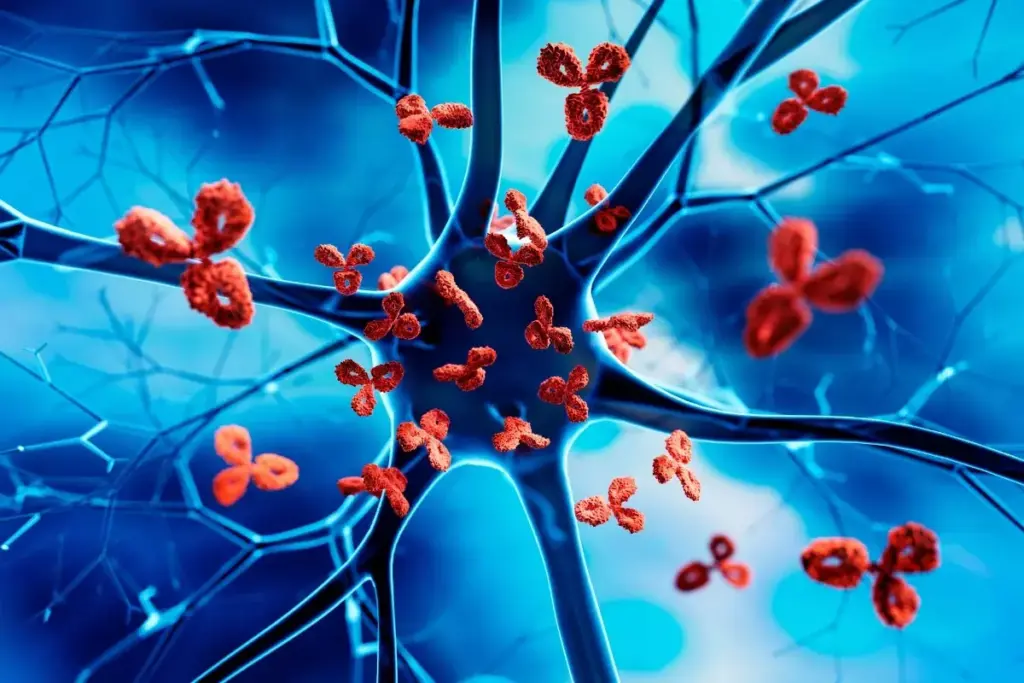
Autoimmune neurological disorders happen when the body’s immune system attacks itself, targeting the nervous system. We’ll look into how this affects the body and the increasing numbers of people with these conditions.
How the Immune System Attacks the Nervous System
The immune system is meant to defend us against harm. But in autoimmune diseases, it mistakenly attacks the nervous system. This can cause a variety of symptoms, depending on the disease and the part of the nervous system it affects.
When the immune system attacks the nervous system, it can cause inflammation and damage to nerve cells. This disrupts normal functions. Conditions like neurological autoimmune diseases can affect different parts of the nervous system in different ways.
Global Prevalence and Rising Statistics
Neurological autoimmune diseases are becoming more common worldwide. The number of people with these diseases is growing fast, with a 3.7% increase each year. About 50 million Americans have an autoimmune disease, showing the big health issue it poses.
Some important statistics include:
- A 3.7% annual increase in neurological autoimmune diseases globally.
- Approximately 50 million Americans affected by autoimmune diseases.
- A growing concern for public health due to the rising prevalence.
We will keep watching and helping with the growing problem of neurological autoimmune diseases. We aim to provide the best support and care for those affected.
Neurological Autoimmune Diseases List: Common Conditions

The immune system can attack the nervous system, leading to various diseases. Each disease has its own signs and symptoms. Early diagnosis and treatment are key to improving life quality.
Multiple Sclerosis
Multiple sclerosis happens when the immune system attacks the myelin sheath around nerves. This damage disrupts nerve signals, causing vision problems, muscle weakness, and coordination issues.
Symptoms of Multiple Sclerosis:
- Vision disturbances
- Muscle spasms
- Balance problems
- Fatigue
Myasthenia Gravis
Myasthenia gravis affects the nerve-muscle connection, causing muscle weakness. This weakness gets worse with activity and better with rest. The immune system makes antibodies that block or destroy receptors at the nerve-muscle junction.
Common symptoms include:
- Drooping eyelids
- Difficulty swallowing
- Slurred speech
- Muscle weakness
Guillain-Barré Syndrome
Guillain-Barré syndrome is a rare disorder where the immune system attacks the peripheral nervous system. This can lead to severe paralysis.
Key characteristics:
- Rapid onset of muscle weakness
- Numbness or tingling sensations
- Potential for paralysis
Autoimmune Encephalitis
Autoimmune encephalitis is a group of conditions with brain inflammation due to an autoimmune response. Symptoms vary but often include confusion, memory loss, and behavioral changes.
| Disease | Primary Symptoms | Immune System Impact |
| Multiple Sclerosis | Vision problems, muscle weakness | Attacks myelin sheath around nerve fibers |
| Myasthenia Gravis | Muscle weakness, drooping eyelids | Blocks or destroys nicotinic acetylcholine receptors |
| Guillain-Barré Syndrome | Muscle weakness, numbness | Attacks peripheral nervous system |
| Autoimmune Encephalitis | Confusion, memory loss, behavioral changes | Causes brain inflammation |
Knowing about these diseases is key to providing the right care. Recognizing symptoms helps us understand each condition better. This way, we can better support those affected.
Less Common Neurological Autoimmune Conditions
Neurological autoimmune diseases include many rare and complex disorders. These conditions are hard to diagnose and treat because they are rare. They also have complex symptoms.
CNS-Focused Disorders
Central Nervous System (CNS)-focused disorders attack the brain and spinal cord. Two notable examples are:
- Neuromyelitis Optica (NMO): Also known as Devic’s disease, NMO mainly affects the optic nerve and spinal cord. It causes vision loss and spinal cord inflammation.
- Autoimmune Encephalitis: This condition causes brain inflammation. It’s caused by autoantibodies targeting specific neurons. It leads to various neurological and psychiatric symptoms.
Peripheral Nervous System Disorders
The Peripheral Nervous System (PNS) is affected in several less common autoimmune conditions. Key examples include:
- Guillain-Barré Syndrome: An acute inflammatory disorder. It occurs when the immune system mistakenly attacks part of its peripheral nervous system. This leads to muscle weakness and sometimes paralysis.
- Chronic Inflammatory Demyelinating Polyneuropathy (CIDP): A condition with progressive weakness and impaired sensory function. It’s caused by the immune system’s attack on the myelin sheaths of peripheral nerves.
Other Rare Autoimmune Neurological Conditions
There are several other rare autoimmune neurological conditions. They have a significant impact on patients’ quality of life. These include:
- Stiff Person Syndrome: A rare neurological disorder. It causes progressive stiffness and rigidity of the muscles. It’s often accompanied by sensitivity to noise and other stimuli.
- Autoimmune Autonomic Ganglionopathy: A condition that affects the autonomic nervous system. It leads to symptoms like orthostatic intolerance, gastrointestinal disturbances, and anhidrosis.
These less common neurological autoimmune conditions show the complexity and diversity of autoimmune neurological disorders. They require a high index of suspicion and a detailed clinical evaluation for understanding and diagnosing.
Conclusion
It’s key to know about neurological autoimmune diseases early. This helps in getting the right treatment and better health outcomes. We’ve looked at a wide neurological diseases list. This includes well-known issues like Multiple Sclerosis and Myasthenia Gravis, and rarer neural disease list entries like Autoimmune Encephalitis and Guillain-Barré Syndrome.
These autoimmune brain disorder conditions show how varied neurological diseases can be. They stress the need for awareness and good medical care. Knowing the signs and traits of these diseases helps people get help quickly. This leads to better management and treatment.
More research and support for those with neurological autoimmune diseases are vital. We need to keep learning and helping those affected. This ensures they get the care and treatment they need to live well with their condition.
FAQ
What are neurological autoimmune diseases?
Neurological autoimmune diseases happen when the immune system attacks the nervous system by mistake. This leads to various symptoms. These diseases can affect the central nervous system, peripheral nervous system, or both.
What is the most common neurological autoimmune disease?
Multiple sclerosis is a common neurological autoimmune disease. It happens when the immune system attacks the protective covering of nerve fibers in the CNS.
How do neurological autoimmune diseases affect the body?
These diseases can cause many symptoms. These include muscle weakness, numbness, vision problems, and cognitive difficulties. The specific symptoms depend on the disease and the affected part of the nervous system.
Are neurological autoimmune diseases curable?
While some can be managed with treatment, many are chronic. Treatment options like medications and therapies can help alleviate symptoms and slow disease progression.
What are some rare neurological autoimmune conditions?
Rare conditions include autoimmune encephalitis, stiff person syndrome, and neuromyelitis optica. These are hard to diagnose and treat because of their unique characteristics and limited research.
How are neurological autoimmune diseases diagnosed?
Diagnosis involves a medical history, physical exam, and lab tests. Blood tests and spinal fluid analysis are common. Imaging studies like MRI or CT scans are also used.
Can neurological autoimmune diseases be misdiagnosed?
Yes, they can be misdiagnosed. Their complex and varied symptoms can be similar to other conditions. A specialist’s thorough evaluation is key to accurate diagnosis.
What is the role of the immune system in neurological autoimmune diseases?
In these diseases, the immune system mistakenly attacks the nervous system. This leads to inflammation, damage, and various neurological symptoms.
Are there any treatments available for neurological autoimmune diseases?
Yes, treatments include medications to reduce inflammation and modulate the immune system. Therapies are also available to manage symptoms and improve quality of life.
How can I find support for a neurological autoimmune disease?
Support can be found through patient organizations, online communities, and healthcare providers. Specialists in neurology and autoimmune disorders are helpful.
References
National Center for Biotechnology Information. Evidence-Based Medical Guidance. Retrieved from https://www.ncbi.nlm.nih.gov/pmc/articles/PMC4964197/