

Managing type 2 diabetes is a big challenge for over 200 million people worldwide. Oral hypoglycemic medications are key in managing this condition. They help by fixing insulin issues and improving how the body uses insulin.
There are ten main types of oral medicines for type 2 diabetes. These include sulfonylureas, meglitinides, and SGLT2 inhibitors. Knowing about these types is vital for doctors and patients to control blood sugar well and avoid side effects.
With the right information, patients can choose the best treatment with their doctors.
Key Takeaways
- Type 2 diabetes affects over 200 million people globally.
- Oral hypoglycemic medications are key in managing the condition.
- There are ten main types of oral medicines available.
- Understanding the different types is vital for good blood sugar control.
- Patients should work closely with their healthcare providers to pick the best treatment.
Understanding Oral Hypoglycemic Medications in Type 2 Diabetes Management

Managing type 2 diabetes well means knowing about oral hypoglycemic medications. These drugs help control blood sugar levels. They are often used with lifestyle changes for the best results.
Oral hypoglycemic agents come in many types. They work in different ways to lower blood sugar. The main types are secretagogues and sensitizers. Secretagogues help insulin release, and sensitizers make the body use insulin better.
The GRADE Study looked at how well different oral hypoglycemic agents work. It included sulfonylureas, DPP-4 inhibitors, GLP-1 receptor agonists, and insulin. The study showed that each type has its own effect on blood sugar levels. This means treatment plans should be tailored to each patient.
A Diabetes Care Expert
There are many oral hypoglycemic medications, each with its own benefits. Below is a table that lists some key ones used in managing type 2 diabetes.
| Class | Mechanism of Action | Examples |
| Sulfonylureas | Stimulate insulin release | Glyburide, Glipizide |
| Biguanides | Decrease hepatic glucose production | Metformin |
| DPP-4 Inhibitors | Increase incretin levels | Sitagliptin, Saxagliptin |
| SGLT2 Inhibitors | Reduce glucose reabsorption | Canagliflozin, Empagliflozin |
It’s key for healthcare providers to know about the different types of oral hypoglycemic medications. This knowledge helps them choose the best treatment for each patient. By doing so, they can help patients control their blood sugar better and lower the risk of diabetes complications.
Primary Classes of Oral Hypoglycemic Medications: Secretagogues and Sensitizers
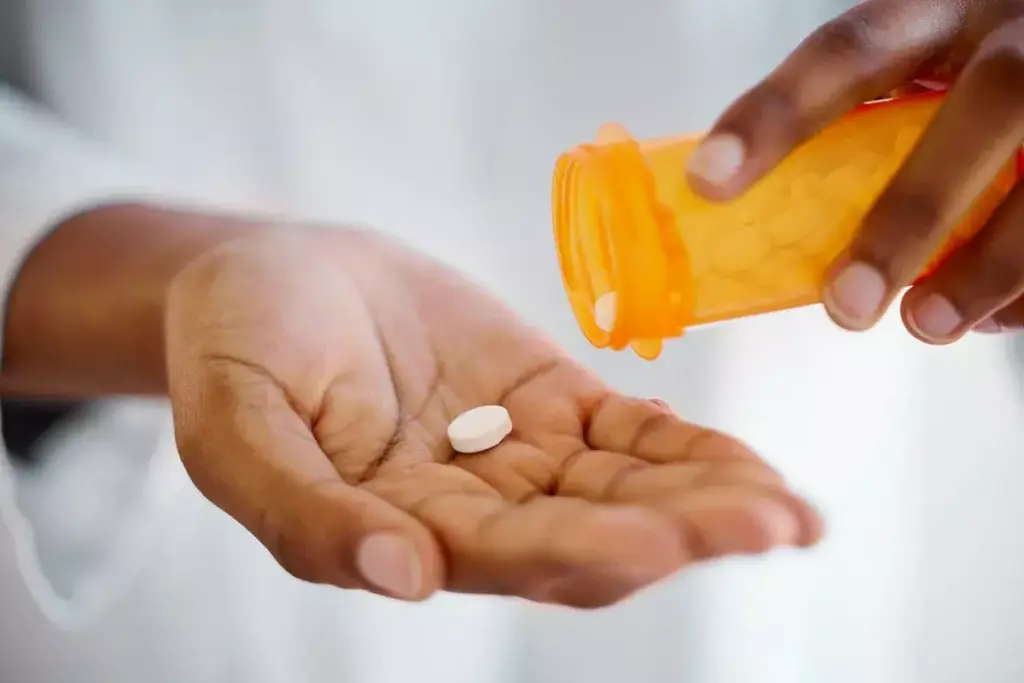
In managing type 2 diabetes, oral hypoglycemic drugs are divided into two main groups. Secretagogues help the body make more insulin. Sensitizers make the body’s cells more responsive to insulin.
Sulfonylureas: Second-Generation Insulin Secretagogues
Sulfonylureas are a key class of drugs that help release insulin from the pancreas. They work by closing potassium channels, which leads to more calcium and insulin. The newer sulfonylureas, like glipizide and glyburide, are more effective and start working faster.
Meglitinides: Rapid-Acting Insulin Secretagogues
Meglitinides, including repaglinide and nateglinide, are quick to act and target potassium channels. They have a shorter effect than sulfonylureas but are great for managing blood sugar after meals.
Biguanides: First-Line Insulin Sensitizers
Biguanides, like metformin, are often the first choice for treating type 2 diabetes. They make the body more sensitive to insulin. Metformin reduces glucose production in the liver and boosts insulin sensitivity in muscles and fat, helping to lower blood sugar without causing low blood sugar.
Thiazolidinediones: Peroxisome Proliferator-Activated Receptor Agonists
Thiazolidinediones (TZDs), such as pioglitazone, are insulin sensitizers that activate PPAR-γ. This improves insulin sensitivity in muscles and fat. Though effective, their use is limited due to side effects like fluid retention and heart failure risk.
Advanced Oral Antihyperglycemic Agents: Incretin-Based and Novel Mechanisms
Incretin-based therapies and new ways to treat type 2 diabetes have changed the game. These advanced drugs help control blood sugar better and offer extra benefits for patients.
DPP-4 Inhibitors: Incretin Enhancers
DPP-4 inhibitors, like sitagliptin and saxagliptin, boost the incretin system. This system helps manage blood sugar levels. By blocking the DPP-4 enzyme, these drugs increase insulin and lower glucagon, leading to better blood sugar control.
Key benefits of DPP-4 inhibitors include being easy to take orally, needing only one dose a day, and being safe. They are often added to metformin or other diabetes drugs.
SGLT2 Inhibitors: Renal Glucose Reabsorption Blockers
SGLT2 inhibitors, like canagliflozin and empagliflozin, block SGLT2 in the kidneys. This action reduces glucose reabsorption and increases urine glucose.
Clinical trials have shown that SGLT2 inhibitors not only lower HbA1c levels but also offer heart benefits. This makes them a great choice for patients with type 2 diabetes and heart disease.
Additional Oral Antihyperglycemic Classes
Other new oral diabetes drugs are being developed, each with its own way of working. These drugs target different parts of the glucose regulation process. This gives more options for treating type 2 diabetes.
The creation of these advanced drugs shows the ongoing push to better manage type 2 diabetes. By using incretin-based therapies and new methods, doctors can create treatment plans that fit each patient’s needs.
Conclusion
Learning about oral hypoglycemic medications is key to managing type 2 diabetes. There are many types of these medications, each working in its own way. They help control blood sugar levels.
These medications include secretagogues like sulfonylureas and meglitinides. There are also sensitizers like biguanides and thiazolidinediones. The list keeps growing as new treatments are found.
New medications like DPP-4 inhibitors and SGLT2 inhibitors have changed the game. They offer more options for treating type 2 diabetes. This lets doctors find the best treatment for each patient.
Managing type 2 diabetes is complex, but oral hypoglycemic meds are vital. Knowing about these medications helps doctors and patients work together. This teamwork improves health and quality of life for those with type 2 diabetes.
FAQ
What are oral hypoglycemic agents?
Oral hypoglycemic agents are medications taken by mouth to lower blood sugar in type 2 diabetes.
They help control glucose levels and prevent long-term complications of diabetes.
What are the primary classes of oral hypoglycemic medications?
Main classes include biguanides (e.g., metformin), sulfonylureas, thiazolidinediones, DPP-4 inhibitors, and SGLT2 inhibitors.
Each class works through different mechanisms to improve blood sugar control.
How do sulfonylureas work?
Sulfonylureas stimulate the pancreas to release more insulin.
This helps lower blood sugar, especially after meals.
What are the benefits of using SGLT2 inhibitors?
SGLT2 inhibitors lower blood sugar by causing glucose excretion in urine.
They also promote weight loss and reduce risks of heart and kidney complications.
What is the role of DPP-4 inhibitors in diabetes management?
DPP-4 inhibitors increase insulin release and decrease glucagon levels in response to meals.
They help maintain stable blood sugar without causing significant hypoglycemia.
Are oral hypoglycemic medications suitable for everyone with diabetes?
No, they are mainly for people with type 2 diabetes.
Patients with type 1 diabetes or severe kidney or liver disease may require other treatments.
Can oral hypoglycemic medications be used in combination?
Yes, multiple oral agents can be combined for better blood sugar control.
Combination therapy is tailored to the patient’s needs and tolerance.
What are the possible side effects of oral hypoglycemic medications?
Side effects vary by class, such as hypoglycemia with sulfonylureas or gastrointestinal upset with metformin.
SGLT2 inhibitors may increase urinary tract infections, and thiazolidinediones can cause fluid retention.
How do oral hypoglycemic agents impact the management of type 2 diabetes?
They help maintain stable blood glucose, reducing the risk of complications like heart disease and neuropathy.
Consistent use improves long-term health outcomes and supports overall diabetes management.
References
This article aimed to conduct a study that reviews the current published data available about patients with DKA and COVID-19.https://pmc.ncbi.nlm.nih.gov/articles/PMC4085289/