
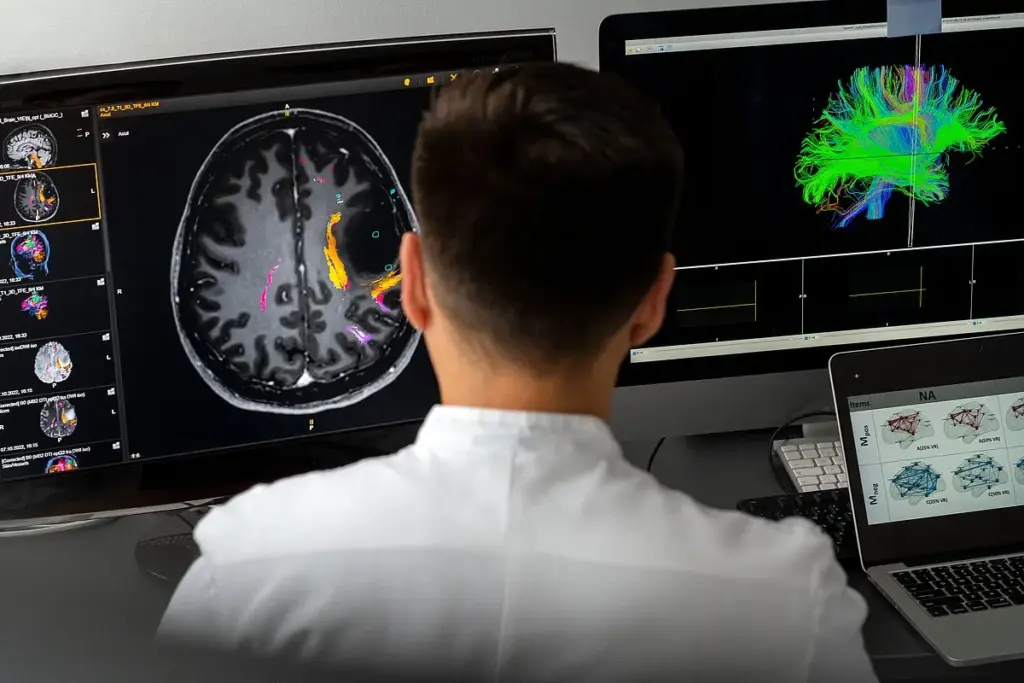
Having brain surgery is a big deal, and knowing what to expect is key. Did you know how long you’ll stay in the hospital can change a lot? It depends on the surgery type and your health.
Understanding your expectations after a brain operation is the first step to recovery. The kind of brain surgery recovery you have affects your hospital stay. Things like surgery complexity, your age, and health before surgery all matter.
Key Takeaways
- The length of hospital stay varies based on the type of brain surgery.
- Patient’s overall health and age are key in recovery.
- Knowing the recovery process helps manage expectations.
- The surgery’s complexity affects how long you’ll stay in the hospital.
- Getting full care is vital for a smooth recovery.
Understanding Brain Surgery: Types and Procedures

Patients and their families should be informed about the various types of brain surgeries available. Brain surgery is a complex field with many procedures. Each one is for a specific brain condition.
Common Types of Brain Surgeries
There are several types of brain surgeries. Craniotomy is one, where a part of the skull is removed to access the brain. This allows surgeons to treat the brain.
Minimally invasive procedures use new technology for smaller cuts. They help with faster recovery. These are used for brain tumors and other conditions.
Craniotomy vs. Minimally Invasive Procedures
Choosing between craniotomy and minimally invasive procedures depends on the condition and patient’s health. Craniotomy gives direct brain access. Minimally invasive procedures have smaller cuts and quicker recovery.
Advances in surgical technology have made both procedures more precise. This helps surgeons perform complex operations better.
Brain Tumor Operation Success Rate
The success rate of brain tumor operations varies. It depends on the tumor type, location, and patient’s health. Generally, benign tumors and healthy patients have better outcomes.
- Removing benign tumors often leads to full recovery.
- Surgery for malignant tumors is more complex. It may need surgery, radiation, and chemotherapy.
Factors That Influence Hospital Stay Duration
Several factors affect how long a patient stays in the hospital after brain surgery. These include the surgery type, patient’s health, and any complications.
Knowing these factors helps patients and families prepare for recovery. It’s important for planning care and support during the hospital stay.
Typical Hospital Stay Duration After Brain Surgery
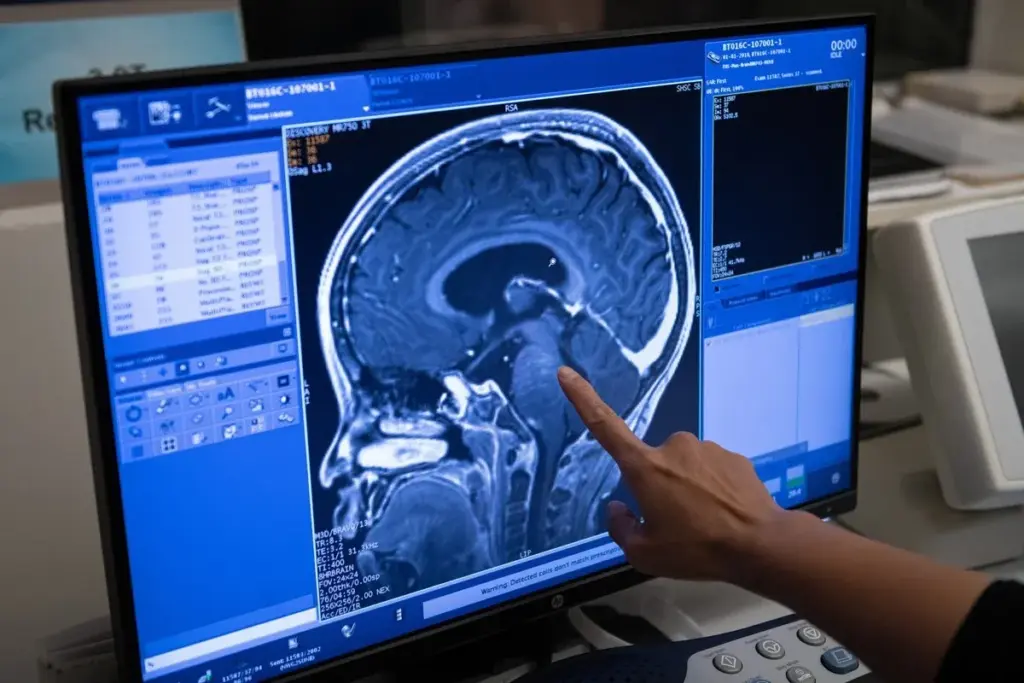
The time you spend in the hospital after brain surgery can vary a lot. It depends on the surgery type and your health. How well you recover also plays a big role.
Average Length of Stay for Different Procedures
Each brain surgery has its own average stay time. For example, a craniotomy, which removes part of the skull, usually takes longer than smaller procedures.
|
Type of Brain Surgery |
Average Hospital Stay |
|---|---|
|
Craniotomy |
4-7 days |
|
Minimally Invasive Procedures |
1-3 days |
|
Brain Tumor Surgery |
3-5 days |
Factors That May Extend Your Hospital Stay
Several things can make your stay longer. These include:
- Complications during or after surgery
- Infection or fever
- Brain swelling or increased intracranial pressure
- Seizures or neurological deficits
It’s important to watch and manage these issues for a smooth recovery.
When Earlier Discharge Might Be Possible
In some cases, you might go home sooner if you meet certain criteria. These include:
- Stable vital signs
- Minimal pain or discomfort
- Adequate support at home
Talking about early discharge is part of your care plan.
Differences Between Hospitals and Treatment Centers
The hospital or treatment center you go to can affect your stay. Specialized centers might offer faster care and shorter stays due to their expertise.
Understanding these details can assist you and your family in effectively preparing for your hospital stay and recovery following brain surgery.
The Immediate Post-Operative Period (Day 1-2)
After brain surgery, patients start a critical recovery phase. These first 48 hours are key for watching for and handling any problems that might come up.
Intensive Care Unit Monitoring
Right after surgery, patients go to the ICU for careful watching. The ICU team, made up of skilled nurses and doctors, keeps a close eye on the patient’s health. They watch the patient’s vital signs, brain function, and any signs of trouble.
Being in the ICU can be tough for patients and their families. Our medical team works hard to give top-notch care. They make sure any problems are found and fixed fast.
Pain Management and Medication
Managing pain well is very important after surgery. Our team uses different medicines and methods to keep patients comfortable. They adjust the pain medicine based on how the patient is doing.
|
Pain Level |
Medication Strategy |
Monitoring Parameters |
|---|---|---|
|
Mild |
Acetaminophen or NSAIDs |
Pain score, liver function |
|
Moderate to Severe |
Opioid analgesics |
Pain score, respiratory rate, sedation level |
Initial Neurological Assessments
Regular checks on the brain are done to see how the patient is doing. These checks look at things like how awake the patient is, how their pupils react, how strong their limbs are, and how well they can speak.
Our team is ready to act fast if the patient’s brain function changes. This ensures they get the help they need right away.
What Family Members Should Expect
This time can be hard for family members too. They can expect updates from the medical team and answers to their questions. It’s also a chance for them to support their loved one emotionally.
Here are some tips for family members during their time in the hospital:
- Ask questions about the patient’s care and condition
- Participate in care decisions when appropriate
- Take care of themselves during this stressful time
Hospital Recovery Days3-7
Patients move from the ICU to a regular hospital room after brain surgery. This change happens between days 3-7. It’s a time to get stronger, manage any problems, and get ready to go home.
Transfer to Regular Neurosurgical Unit
Patients move from the ICU to a neurosurgical unit for ongoing care. This move shows they’re doing better and need less watchful eyes.
In the neurosurgical unit, doctors keep an eye on the patient’s brain health. They also manage pain and any new problems. Nurses teach patients and their families about caring for themselves after surgery.
Increasing Mobility and Activity Levels
This phase focuses on getting patients moving more. They start by sitting, then standing, and eventually walking. This helps avoid problems like blood clots and muscle loss.
Physical therapists help create a workout plan for each patient. Even small movements help improve strength and function.
Monitoring for Complications
Even with progress, complications can happen. Doctors watch for signs of infection or brain swelling. They use tests to catch and treat problems early.
It’s important for patients and families to watch for warning signs. These include fever, more pain, or changes in brain function. Telling the doctor right away is key.
Dietary Considerations After Brain Surgery
Eating the right foods is key to recovery. Patients should eat nutritious, easy-to-digest foods. Drinking plenty of water is also important to stay healthy.
The healthcare team suggests foods high in proteins and vitamins. As patients get better, they can try more solid foods. This depends on how they’re feeling and the type of surgery.
20 Things to Expect After Brain Surgery
Recovering from brain surgery can be complex. Knowing what to expect can make the journey easier. Patients may face physical symptoms, cognitive changes, and various medical procedures.
Physical Symptoms and Sensations (1-7)
After brain surgery, patients often face physical symptoms. These can include:
- Headaches and pain at the surgical site
- Numbness or tingling sensations
- Fatigue and weakness
- Nausea and vomiting
- Sensitivity to light and sound
- Seizures (in some cases)
- Swelling or bruising around the surgical site
Healthcare professionals monitor these symptoms. They can be managed with the right medication and care.
Cognitive and Emotional Changes (8-14)
Cognitive and emotional changes are common after brain surgery. Patients may experience:
- Memory issues or difficulty concentrating
- Mood swings or emotional instability
- Confusion or disorientation
- Difficulty with speech or language processing
- Changes in personality
- Anxiety or depression
- Difficulty with coordination or balance
These changes can be tough, but they often get better as recovery progresses.
Medical Procedures and Monitoring (15-20)
During recovery, patients go through various medical procedures and monitoring. This includes:
- Regular neurological assessments
- Imaging tests (e.g., MRI, CT scans)
- Monitoring of intracranial pressure
- Management of pain and other symptoms
- Physical therapy to regain strength and mobility
- Occupational therapy to assist with daily activities
These steps are key to ensuring the patient’s safety and helping them recover well.
|
Category |
Common Experiences |
|---|---|
|
Physical Symptoms |
Headaches, numbness, fatigue, nausea, sensitivity to light and sound |
|
Cognitive and Emotional Changes |
Memory issues, mood swings, confusion, speech difficulties, personality changes |
|
Medical Procedures and Monitoring |
Neurological assessments, imaging tests, intracranial pressure monitoring, pain management, physical and occupational therapy |
Understanding these aspects of recovery helps patients and their families prepare. It lets them know what to expect after brain surgery.
Common Complications That May Extend Hospital Stay
After brain surgery, complications can be a big worry. They might make you stay in the hospital longer. Thanks to new medical tech, surgery outcomes have gotten better. But, knowing about possible problems is key for patients and their families.
Infection and Fever
Infection is a risk after brain surgery. It can cause fever and make the brain swell. Watching closely and using antibiotics are key to fight infections.
Brain Swelling and Increased Intracranial Pressure
Brain swelling, or cerebral edema, is another issue. It can raise pressure inside the skull, which is bad for the brain. Keeping a close eye on this pressure and acting fast is very important.
|
Complication |
Potential Impact |
Management Strategies |
|---|---|---|
|
Infection |
Fever, increased ICP |
Antibiotics, monitoring |
|
Brain Swelling |
Increased ICP, brain damage |
ICP monitoring, osmotic therapy |
|
Seizures |
Neurological deficits, injury |
Anticonvulsants, seizure precautions |
Chances of Recovery from Brain Swelling
How well you recover from brain swelling depends on how bad it is. Quick action can make a big difference. You might need therapy to get better, like physical or speech therapy.
Seizures and Neurological Deficits
Seizures can happen after brain surgery and might cause lasting problems. Medicine can help stop seizures. If you do have lasting problems, therapy can help you get back on track.
It’s important to know about these possible problems and how to deal with them. Even with complications, good care and teams of experts can help you get better.
The Discharge Process: When You’re Ready to Go Home
Knowing what to expect during the discharge process can make a big difference in your recovery. As you prepare to leave the hospital after brain surgery, we want to make sure you have all the information you need. This will help you make a smooth transition home.
Criteria Doctors Use to Determine Discharge Readiness
Before you’re discharged, our medical team will check several things. They want to make sure you’re ready for the next stage of your recovery. These include:
- Stability of your vital signs
- Effective pain management
- Ability to perform basic daily activities
- Understanding of your medication regimen
- Arrangements for follow-up care
Discharge Planning and Home Preparation
Discharge planning is a key part of your hospital stay. Our team will work with you to:
- Assess your home environment for safety
- Arrange for any necessary home care services
- Provide guidance on wound care and medication management
- Ensure you have the necessary equipment for recovery
Preparing your home in advance can greatly impact your recovery. This includes setting up a comfortable recovery area, arranging for someone to be with you, and stocking up on essentials like groceries and medications.
Follow-up Appointments and Continued Care
Follow-up appointments are key to your recovery. We will schedule these appointments to monitor your progress, remove any sutures or staples, and address any concerns you may have. It’s important to keep these appointments to ensure a smooth recovery.
Continued care after discharge may also involve rehabilitation services. This could include physical, occupational, or speech therapy, depending on your specific needs.
Transportation Considerations
Arranging for safe transportation home is important. We recommend having someone drive you home, as you may be recovering from anesthesia or surgery. If you’re unable to drive yourself, we can help arrange for transportation services.
By understanding the discharge process and preparing in advance, you can ensure a smoother transition home. This will help you focus on your recovery. If you have any questions or concerns, don’t hesitate to reach out to our healthcare team.
Recovery Timeline After Leaving the Hospital
Knowing what to expect after brain surgery can ease worries and prepare you. Everyone recovers differently. Being informed helps manage your expectations and outcomes.
First Week at Home
The first week at home is key for recovery. You’ll likely feel tired and need to rest a lot. It’s important to follow your doctor’s instructions closely.
Watching for signs of infection or changes in your brain is also critical. Family support is huge during this time. They can help with daily tasks and manage your meds.
First Month of Recovery
In the first month, you might start to feel better. Slowly getting more active, as your doctor advises, helps you regain strength.
Don’t forget your follow-up appointments with your neurosurgeon. They’re there to check on your progress and answer any questions.
Long-term Recovery Expectations (3-12 Months)
Recovery can take months, with big improvements often seen in 3 to 12 months. Therapies like physical, occupational, and speech therapy can help.
How well you recover depends on your surgery, health, and if any complications arise.
Craniotomy Recovery Milestones
If you had a craniotomy, look out for certain signs of progress. These include getting your thinking back, moving better, and managing symptoms well.
|
Recovery Stage |
Typical Milestones |
|---|---|
|
First Week |
Rest, manage pain, monitor for complications |
|
First Month |
Gradually increase activity, follow-up appointments |
|
3-12 Months |
Significant improvement, rehabilitation therapies |
Understanding these milestones and talking openly with your healthcare team can guide you through recovery after brain surgery.
Special Considerations for Elderly Patients
Elderly patients face unique challenges after brain surgery. We must consider their emotional changes and health conditions. This ensures they get the care they need.
Do Elderly Get More Emotional After Tumor Removal?
Yes, elderly patients may feel mood swings, anxiety, or depression after surgery. These feelings come from the surgery, the tumor’s location, or their health. We watch their emotional health closely and offer support.
Extended Hospital Stays for Older Adults
Older adults often need longer hospital stays after surgery. This is due to health issues, slower recovery, or complications. Our team aims to reduce these risks and help them recover smoothly.
|
Factor |
Impact on Hospital Stay |
|---|---|
|
Comorbidities |
Increased risk of complications, longer recovery |
|
Age-related decline |
Slower recovery, longer hospital stay |
|
Post-operative complications |
Extended stay for management and treatment |
Additional Support Services for Seniors
Elderly patients often need extra help during recovery. Our hospital offers physical therapy, occupational therapy, and counseling. These services help them regain strength and independence.
- Physical therapy to improve mobility and strength
- Occupational therapy to assist with daily activities
- Counseling services to address emotional changes
Managing Multiple Health Conditions
Many elderly patients have several health conditions to manage during recovery. Our team works with patients and families to coordinate care. We ensure all health needs are met.
We provide detailed care and support to help elderly patients overcome brain surgery recovery. Our goal is to help them achieve the best outcomes.
Life Expectancy and Prognosis After Brain Surgery
Knowing about life expectancy and prognosis after brain surgery is key for patients and their families. The type of surgery, the patient’s health, and any other health issues all affect long-term results.
Life Expectancy After Brain Tumor Surgery
Life expectancy after brain tumor surgery changes a lot. It depends on the tumor’s type, how bad it is, and the patient’s health. Glioblastoma, a very aggressive brain cancer, has a worse outlook than meningioma, which is usually not cancerous. New surgical methods and treatments have helped more people live longer.
Brain Cyst Surgery Survival Rate
Survival rates for brain cyst surgery are usually good, if the cyst is not cancerous and is removed fully. But, the cyst’s size, location, and any damage to brain tissue can affect the outcome.
Life After Benign Meningioma Surgery
Patients with benign meningioma surgery have a great chance of getting better. The goal is to remove the tumor completely. Often, this can be done without lasting harm.
Factors That Influence Long-term Outcomes
Many things can affect how well someone does after brain surgery, including:
- The patient’s age and overall health
- The type and complexity of the surgery performed
- The presence of any complications during or after surgery
- The effectiveness of post-operative care and rehabilitation
Knowing these factors helps doctors and patients plan the best care and recovery.
Rehabilitation Process After Brain Surgery
Rehabilitation is key for patients to get back their strength and independence after brain surgery. It’s customized for each person and may include different therapies. These address physical, cognitive, and emotional challenges.
Physical Therapy Interventions
Physical therapy is a big part of the recovery. It helps patients get their mobility, strength, and coordination back. Our physical therapists create special exercise plans for each patient. These plans focus on walking, balance, and moving freely.
Occupational Therapy for Daily Activities
Occupational therapy helps patients learn to do daily tasks again. This includes bathing, dressing, and managing the home. Our occupational therapists work with each patient to improve their independence and safety in these tasks.
Speech and Cognitive Rehabilitation
For those with speech or cognitive issues after surgery, special therapies are available. These aim to enhance communication, memory, attention, and problem-solving. They help patients regain their cognitive abilities and interact better with their surroundings.
Timeline for Rehabilitation Progress
The length of the rehabilitation process varies. It depends on the surgery type, patient health, and specific challenges. While some see big improvements in weeks, others need months of therapy. Our team sets realistic goals and tracks progress with each patient.
We stress the importance of a supportive environment and family involvement in rehab. Working together with patients and their families, we create a detailed recovery plan. This plan covers all aspects of recovery, aiming for the best outcomes.
Long-term Side Effects of Craniotomy and Brain Surgery
It’s important for patients to know about the long-term side effects of craniotomy and brain surgery. These surgeries can save lives but also lead to physical, cognitive, and psychological changes. Understanding these changes can help patients recover better.
Physical Side Effects
Physical side effects can differ from person to person. Some common ones include:
- Headaches and fatigue
- Seizures, in some cases
- Numbness or weakness in parts of the body
- Changes in sensory perception, such as vision or hearing
These changes can come from the surgery or the condition that needed surgery. It’s key for patients to talk about their risks with their doctors.
Cognitive and Psychological Changes
After craniotomy or brain surgery, cognitive and psychological changes can happen. These might include:
- Memory issues or difficulty concentrating
- Mood swings or emotional changes
- Changes in personality
- Difficulty with speech or language processing
These changes can be tough for patients and their families. But, with the right help and time, many can get better.
When to Be Concerned About Symptoms
Some side effects are normal, but others need quick medical help. Patients should worry if they have:
- Severe headache or sudden increase in pain
- Confusion, disorientation, or sudden change in mental status
- Seizures or convulsions
- Weakness or numbness in the face, arm, or leg
If these symptoms happen, patients should call their doctor right away.
Adapting to the “New Normal”
Recovering from craniotomy or brain surgery means adjusting to a new life. This can be hard, but with support and the right attitude, many patients live well. It’s important for patients and their families to be patient, seek help when needed, and focus on getting better.
We know every patient’s journey is different. Knowing about long-term side effects can help manage expectations and improve recovery. By working with healthcare providers and support networks, patients can face recovery challenges and live a good life.
Post-Operative Care at Home
Proper care at home is key after brain surgery. Moving from the hospital to home needs a clear plan. This ensures your safety and helps you heal.
Managing Your Wound Care
Keeping the surgical site clean is vital. Follow your doctor’s advice for dressing changes. Watch for signs of infection like redness or swelling.
Medication Management
Stick to your medication schedule. This helps manage pain and prevent infection. Be aware of side effects and talk to your doctor if you have concerns.
Activity Restrictions and Gradual Return to Normal Life
Rest and activity balance is important. Avoid heavy lifting and strenuous activities. Light activities help you regain strength.
Creating a Recovery-Friendly Environment
Your home environment affects your recovery. Make it safe, well-lit, and comfortable. Having support from family, friends, or caregivers helps a lot.
Follow these tips and stay in touch with your healthcare team. This way, you can confidently manage your recovery at home.
When to Contact Your Doctor After Discharge
Knowing when to seek medical help after brain surgery is key to a smooth recovery. As you move from the hospital to home, keep an eye on your health. It’s important to know when to reach out for help.
Warning Signs of Complications
After brain surgery, some symptoms can signal complications. Being aware of these signs is vital for timely medical care. Watch for:
- Severe headache that doesn’t get better with meds
- Confusion or disorientation
- Weakness or numbness in any body part
- Seizures or convulsions
- Fever over 101.5°F (38.6°C)
- Increasing pain or swelling at the surgical site
- Difficulty speaking or understanding speech
- Changes in vision
Emergency Situations Requiring Immediate Care
Some situations need immediate medical help to avoid serious issues. If you have any of these, call emergency services or get help right away:
- Sudden severe headache
- Loss of consciousness
- Difficulty breathing
- Chest pain or pressure
- Sudden weakness or paralysis on one side of the body
Routine Follow-up vs. Urgent Concerns
It’s important to know the difference between routine check-ups and urgent needs. Routine visits help track your recovery and address any concerns. But, if you notice any warning signs or emergency situations, don’t wait for your next appointment. Seek help immediately.
Questions to Ask During Follow-up Appointments
Use your follow-up appointments to discuss your recovery with your doctor. Ask questions like:
- What are the expected milestones in my recovery?
- Are there any specific activities I should avoid or prioritize?
- How should I manage my medications?
- What are the signs of possible complications I should watch for?
- When can I expect to return to my normal activities?
By staying informed and alert, you can confidently navigate the post-discharge period. This ensures the best outcome for your brain surgery recovery.
Conclusion: Navigating the Journey of Brain Surgery Recovery
Recovering from brain surgery is a complex journey. It needs a lot of support and guidance. Understanding brain surgery and recovery can greatly improve patient outcomes.
Recovery is not just about medical treatment. It also includes post-operative care, rehabilitation, and managing complications. Being informed and prepared helps patients and their families during this tough time.
Creating a supportive environment is essential for facilitating a smooth recovery. This is true both in the hospital and at home. With the right care and resources, people can overcome brain surgery challenges and recover well.
We urge you to stay in touch with your healthcare team and seek help when needed. Recovery from brain surgery is a journey. With the right guidance, you can face it with confidence.
FAQ
How long does a typical hospital stay last after brain surgery?
The time in the hospital after brain surgery varies. It depends on the surgery type, the patient’s age, and health. On average, it can last from a few days to several weeks.
What factors influence the duration of hospital stay after brain surgery?
Several factors affect how long you stay in the hospital. These include the surgery type, your age, health, any complications, and hospital policies.
Do elderly patients tend to stay longer in the hospital after brain surgery?
Yes, elderly patients often stay longer. This is because they might face more complications, recover slower, and need more support.
What are the common complications that may extend hospital stay after brain surgery?
Complications like infection, brain swelling, seizures, and neurological issues can make your stay longer.
How long does it take to recover from brain swelling after surgery?
Recovery from brain swelling varies. It depends on how severe the swelling is and how well treatment works. It can take weeks to months.
What can I expect during the immediate post-operative period after brain surgery?
Right after surgery, you’ll be watched closely in the ICU. They’ll check your vital signs, manage pain, and assess your brain function.
What are the typical physical symptoms after brain surgery?
You might feel headaches, fatigue, nausea, and weakness after surgery. These symptoms usually go away in a few weeks.
Are there any cognitive or emotional changes after brain surgery?
Yes, some people might notice changes like memory problems, mood swings, or anxiety. These changes are usually short-term.
How long does it take to return to normal activities after brain surgery?
Recovery time varies. But most people can get back to normal activities in a few weeks to months.
What is the survival rate for brain cyst surgery?
The survival rate for brain cyst surgery is generally high. Most patients see significant improvement or full recovery.
How long does rehabilitation last after brain surgery?
Rehabilitation can last several months. It aims to help you regain physical, cognitive, and functional abilities.
What are the possible long-term side effects of craniotomy and brain surgery?
Long-term side effects can include physical changes, cognitive issues, and psychological changes. It’s important to talk to your doctor about your specific risks.
When should I contact my doctor after discharge?
Contact your doctor if you notice warning signs like severe headaches, fever, or neurological problems. Or if you have concerns about your recovery.
What are the criteria for discharge readiness after brain surgery?
Your doctor will check if you’re ready to go home based on your condition, pain management, and any complications.
How can I create a recovery-friendly environment at home?
Make your home safe and comfortable for recovery. Manage your medications well and have a support system.
What are the signs of complications after brain surgery that require immediate medical attention?
Look out for severe headaches, confusion, weakness, or trouble speaking. These are signs you need to see a doctor right away.
Can elderly patients experience emotional changes after tumor removal?
Yes, elderly patients might feel mood swings or anxiety after tumor removal. These feelings are usually temporary and can be helped with support.
What is the life expectancy after brain tumor surgery?
Life expectancy after brain tumor surgery varies. It depends on the tumor type and grade, and individual factors. Talk to your doctor about your prognosis.
How long does it take to recover from a craniotomy?
Recovery from a craniotomy can take weeks to months. The goal is to regain physical and cognitive abilities.
Reference
National Center for Biotechnology Information. Evidence-Based Medical Insight. Retrieved from https://pubmed.ncbi.nlm.nih.gov/26621410/