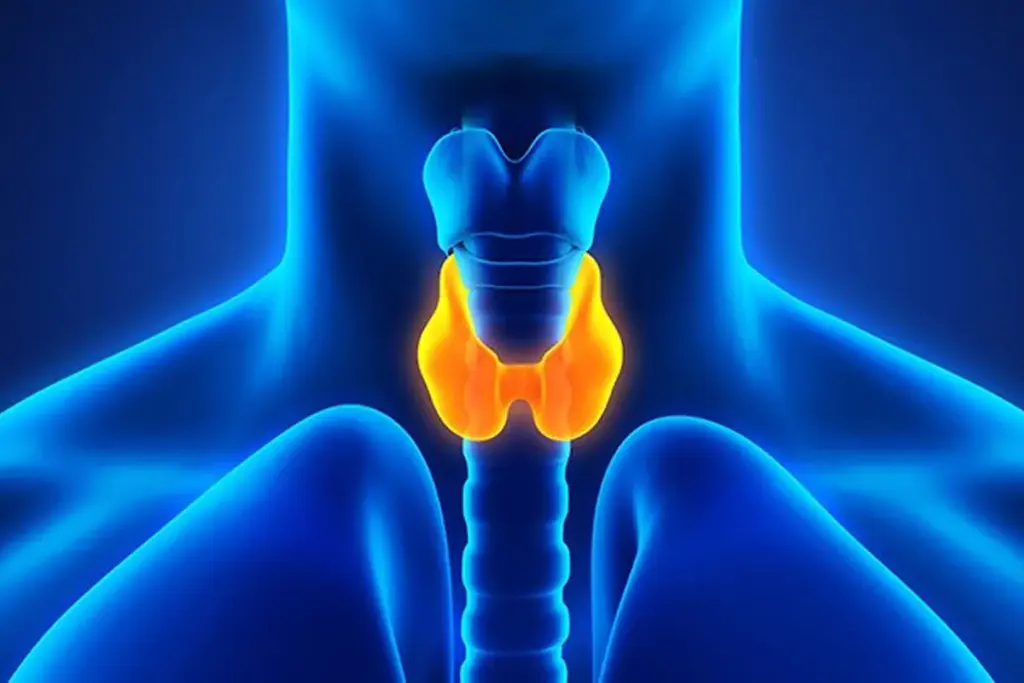
Hypothyroidism is a common endocrine disorder. It affects about 5% of the U.S. population. It happens when there’s not enough thyroid hormone, which is key for metabolism and growth.
When the thyroid gland doesn’t make enough thyroxine (T4) and triiodothyronine (T3), everything slows down. At Liv Hospital, we know how important it is to diagnose and treat hypothyroidism right.
Hypothyroidism is divided into three types: primary, secondary, and tertiary. Knowing the type is key for the right treatment. We’ll look into these types to help you understand hypothyroidism better.
Key Takeaways
- Hypothyroidism affects about 5% of the U.S. population.
- The condition happens when the thyroid gland doesn’t make enough thyroid hormones.
- There are three types of hypothyroidism: primary, secondary, and tertiary.
- Getting the right diagnosis is vital for treatment.
- Liv Hospital is dedicated to top-notch healthcare and support.
Understanding Hypothyroidism

To fully understand hypothyroidism, we need to look at its causes and symptoms. It happens when the thyroid gland can’t make enough thyroid hormones. These hormones are key for our body’s metabolism, growth, and development.
What is Thyroid Hormone Deficiency?
Thyroid hormone deficiency means the thyroid gland doesn’t make enough T3 and T4. This can cause many health problems. Thyroid hormones help control our body’s metabolism and cell growth.
The pathophysiology of hypothyroidism shows how this lack affects our body. It can come from autoimmune thyroiditis, thyroid surgery, or radiation therapy.
Common Symptoms and Effects
Hypothyroidism symptoms can develop slowly. They include:
- Fatigue and weakness
- Dry skin and hair loss
- Weight gain
- Cold intolerance
- Constipation
In severe cases, it can cause serious problems like bradycardia or respiratory failure. Knowing these symptoms and their causes is key for early treatment.
It’s also important to know the risk factors for hypothyroidism. These include a family history of thyroid disease, autoimmune disorders, and past thyroid surgery or radiation therapy.
Types of Hypothyroidism: Primary, Secondary, and Tertiary
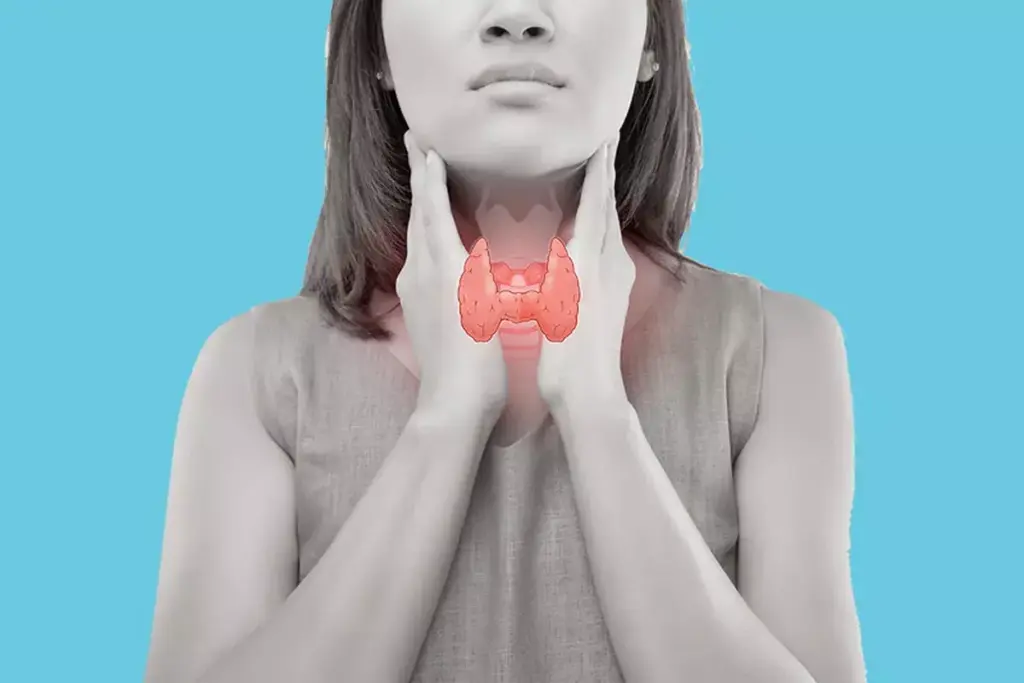
Hypothyroidism is divided into three types: primary, secondary, and tertiary. Each has its own causes and effects. Knowing these differences is key to managing and treating it well.
Primary Hypothyroidism (95% of Cases)
Primary hypothyroidism makes up about 95% of cases. It happens when the thyroid gland doesn’t work right, making too little thyroid hormone. Hashimoto’s thyroiditis, an autoimmune disease, and iodine deficiency are common causes.
Secondary Hypothyroidism (Pituitary Origin)
Secondary hypothyroidism is caused by a problem with the pituitary gland. This gland doesn’t make enough Thyroid Stimulating Hormone (TSH) to help the thyroid gland. It’s less common and often linked to tumors or other issues in the pituitary gland.
Tertiary Hypothyroidism (Hypothalamic Origin)
Tertiary hypothyroidism is the rarest type. It’s caused by problems in the hypothalamus. The hypothalamus doesn’t make enough Thyrotropin-Releasing Hormone (TRH) to help the pituitary gland. This is usually due to damage or disorders in the hypothalamus.
In summary, primary hypothyroidism is the most common, caused by thyroid gland problems. Secondary and tertiary hypothyroidism come from issues in the pituitary gland and hypothalamus, respectively. Knowing the exact type is vital for the right treatment.
Diagnostic Approaches and Laboratory Findings
Diagnosing hypothyroidism involves several steps. It requires a deep understanding of thyroid function tests. Getting the diagnosis right is key to treating the condition effectively.
TSH and Thyroid Hormone Testing
Thyroid-stimulating hormone (TSH) and thyroid hormone tests are vital. TSH shows if the thyroid is making enough hormones. It’s a key indicator of thyroid health.
TSH Testing: High TSH levels usually mean primary hypothyroidism. This is when the thyroid gland doesn’t make enough hormones. Low or normal TSH levels might point to secondary or tertiary hypothyroidism. These are problems with the pituitary gland or hypothalamus.
Differentiating Between the Three Types
It’s important to tell primary, secondary, and tertiary hypothyroidism apart. Lab tests help with this.
| Type of Hypothyroidism | TSH Level | Free T4 Level |
| Primary Hypothyroidism | Elevated | Low |
| Secondary Hypothyroidism | Low or Normal | Low |
| Tertiary Hypothyroidism | Low or Normal | Low |
In primary hypothyroidism, TSH is high, and free T4 is low. Secondary and tertiary hypothyroidism have low or normal TSH and low free T4. More tests and a doctor’s evaluation are needed to tell secondary and tertiary apart.
Healthcare providers must understand these tests to diagnose and manage hypothyroidism well. This ensures the best care for patients.
Conclusion
We’ve looked at the three types of hypothyroidism: primary, secondary, and tertiary. Knowing these differences is key to managing and treating it well. Recent studies highlight the need for accurate diagnosis and treatment plans that fit each person.
Getting the right diagnosis is vital for those with hypothyroidism. Studies show that treatments that fit each person’s needs lead to better health. This shows why doctors need to keep up with new research and guidelines.
In summary, knowing the differences in hypothyroidism helps in finding better treatments. We urge patients and doctors to read up on the latest research. This way, everyone can stay informed and work towards better health.
FAQ
What is hypothyroidism and how does it affect the body?
Hypothyroidism is when the thyroid gland doesn’t make enough thyroid hormones. These hormones are key for metabolism, growth, and development. Without enough, the body can show many symptoms in different systems.
What are the three types of hypothyroidism?
There are three types of hypothyroidism. Primary is the most common, caused by thyroid problems. Secondary is due to pituitary gland issues. Tertiary is caused by hypothalamic problems.
What is primary hypothyroidism and what are its causes?
Primary hypothyroidism is the most common type, making up about 95% of cases. It’s caused by thyroid gland issues, often from Hashimoto’s thyroiditis or iodine deficiency.
How is hypothyroidism diagnosed?
Doctors use lab tests to diagnose hypothyroidism. These include TSH and thyroid hormone tests. They help figure out the type of hypothyroidism and manage it.
What is the role of TSH in diagnosing hypothyroidism?
TSH testing is key in diagnosing hypothyroidism. High TSH levels usually mean primary hypothyroidism. Low or normal levels might point to secondary or tertiary hypothyroidism.
What is central hypothyroidism and how is it evaluated?
Central hypothyroidism affects the pituitary gland or hypothalamus. Doctors check TSH and thyroid hormone levels. They also use other tests to find the cause.
How do the different types of hypothyroidism affect treatment approaches?
Knowing the type of hypothyroidism is key for treatment. Treatment varies based on the cause. Primary hypothyroidism often gets treated with hormone replacement therapy.
What are the challenges in differentiating between primary, secondary, and tertiary hypothyroidism?
Telling the three types apart can be hard. Symptoms and lab results can be similar. Accurate diagnosis needs a detailed evaluation, including TSH and hormone tests, and other tests.
What is the pathophysiology of hypothyroidism?
Hypothyroidism’s pathophysiology involves the thyroid, pituitary, and hypothalamus. Understanding this is vital for diagnosing and managing the condition.
What is the risk of developing hypothyroidism?
Hypothyroidism risk varies. Factors like iodine deficiency, autoimmune disorders, and radiation exposure play a role. Knowing these risks helps spot at-risk individuals early for treatment.
References:
World Health Organization. Evidence-Based Medical Guidance. Retrieved fromhttps://www.who.int/news-room/fact-sheets/detail/hypothyroidism