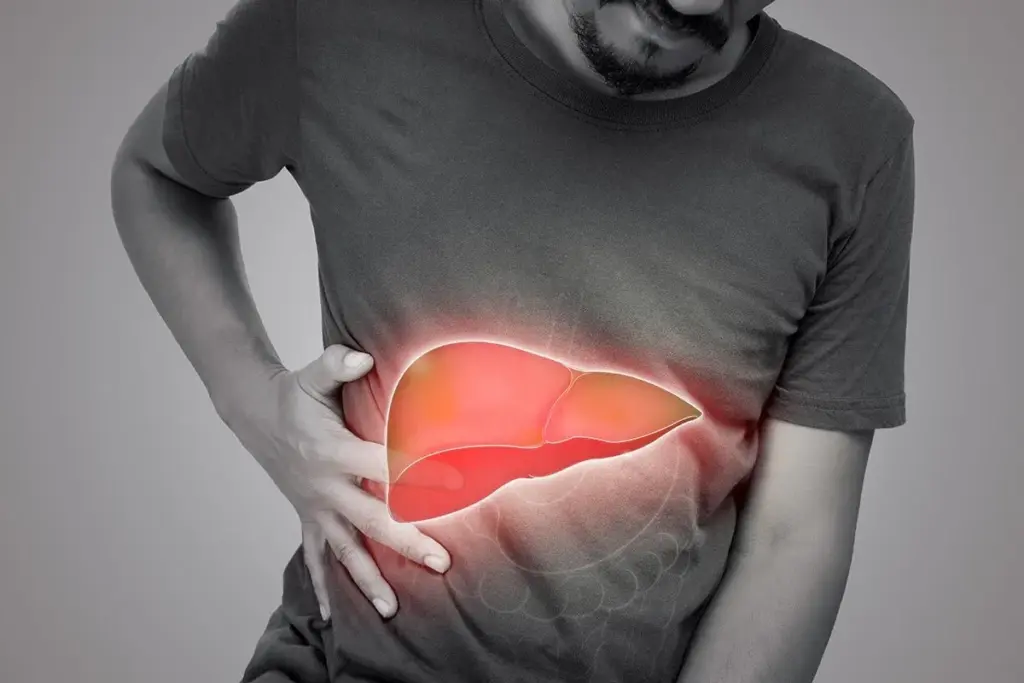
Our liver is always working hard. It filters toxins, manages digestion, and keeps us alive. But when it gets enlarged, known as hepatomegaly, it’s a sign of trouble. Liver disease is a big problem, affecting millions globally with over 100 types.
It’s important to know how liver disease progresses. From its early stages to failure, understanding this helps catch it early. We’ll look at the four main stages of liver disease and why quick medical help is vital.
Key Takeaways
- Liver disease has over 100 types, making it hard to diagnose and treat.
- Hepatomegaly is a big warning sign of liver disease.
- Knowing the stages of liver disease is key to managing it well.
- Spotting it early can greatly improve treatment results.
- Quick medical action is essential to stop the disease from getting worse.
Understanding Hepatomegaly: The Medical Term for Liver Enlargement
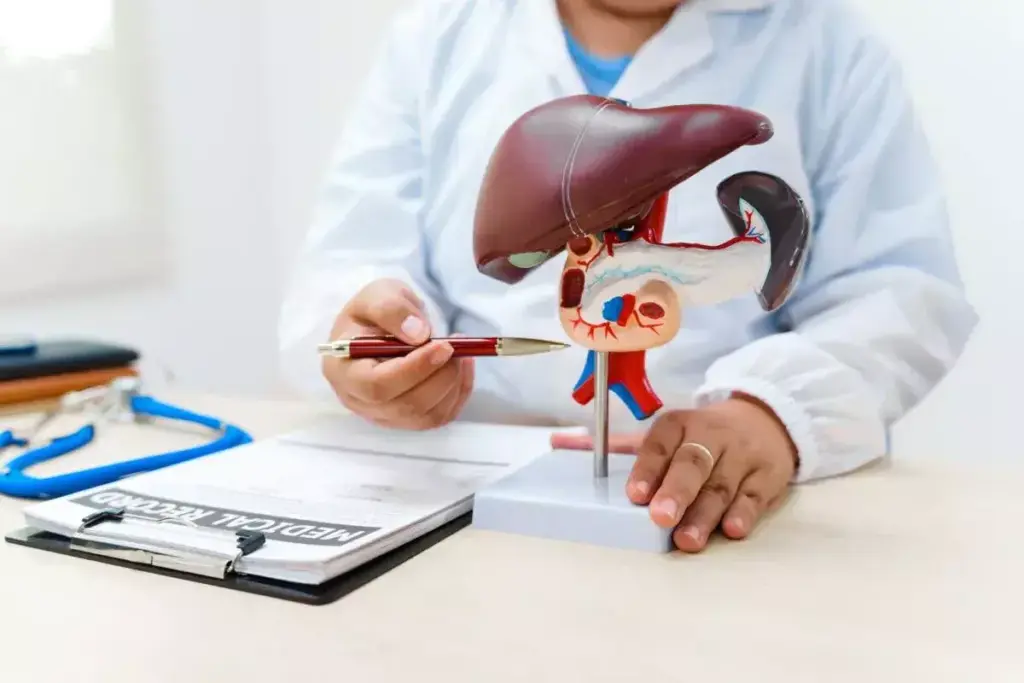
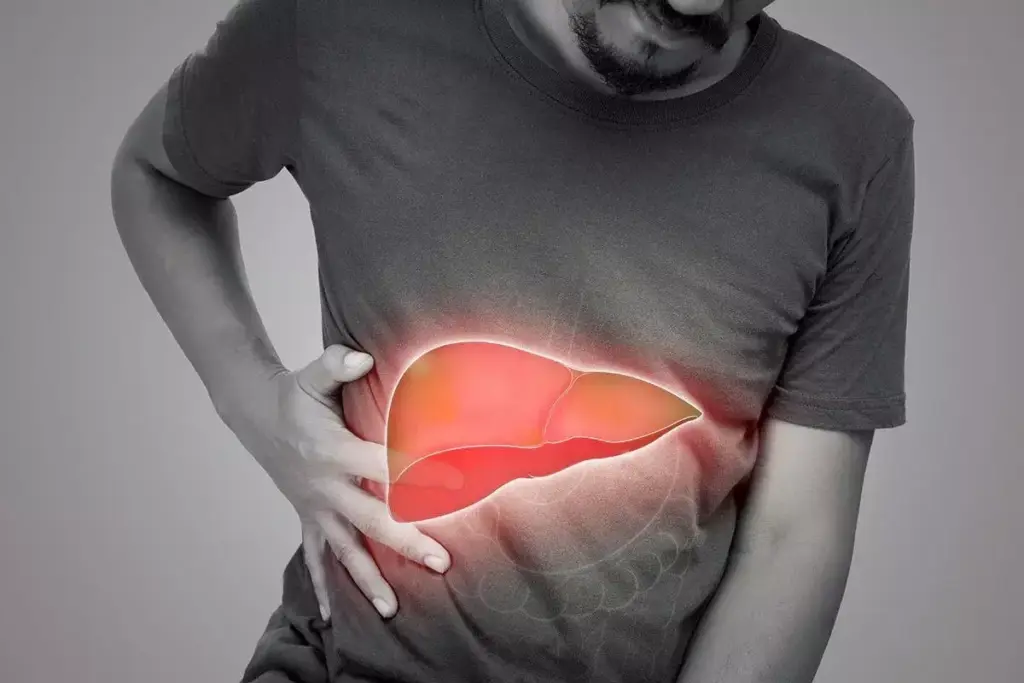
An enlarged liver, or hepatomegaly, happens when the liver gets too big. It’s usually over 15.5 cm in adults. This can be due to infections, metabolic issues, or toxins.
The Liver’s Vital Functions
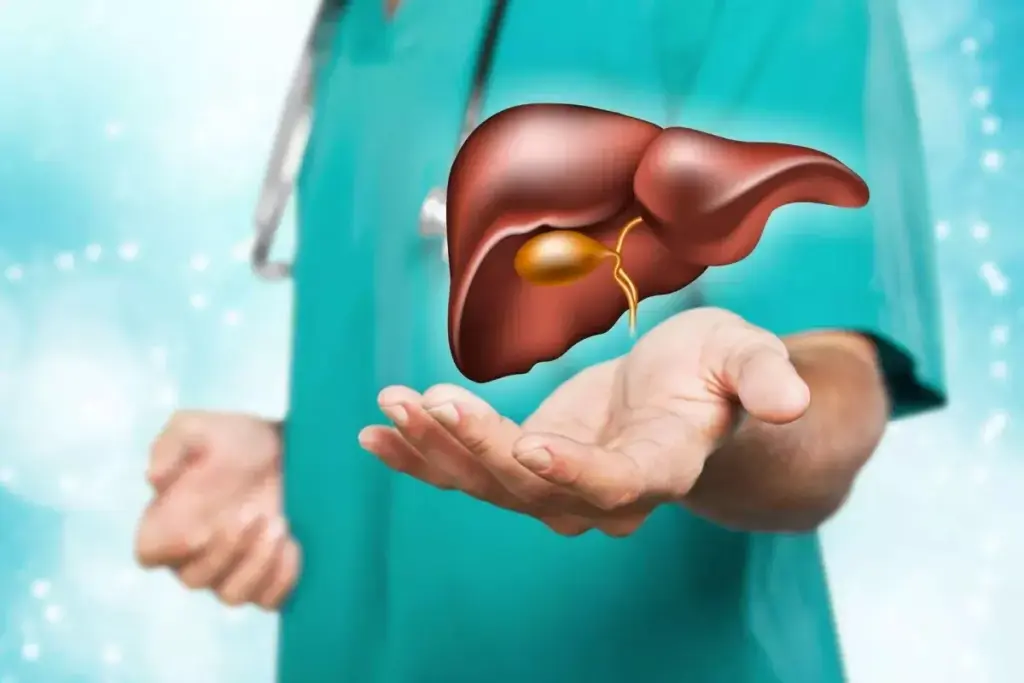
The liver is key to our health. It cleans the blood, helps with digestion, and controls hormones and cholesterol. It also stores glucose for energy.
Any problem with the liver, like getting bigger, is serious. It needs attention right away.
What Constitutes an Enlarged Liver
An enlarged liver is when it’s over 15.5 cm in adults. Doctors can find this by feeling the liver, using ultrasound or CT scans, and checking liver function tests.
Knowing about hepatomegaly helps catch it early. This is important for treatment.
Common Causes of Hepatomegaly
Hepatomomegaly can come from many things. This includes viral hepatitis, fatty liver disease, and heart failure. Drinking too much alcohol and being overweight can also cause it.
Finding out why the liver is enlarged is key. This helps doctors choose the right treatment.
Stage 1: Inflammation and Fatty Infiltration

Inflammation and fatty infiltration are the first signs of liver disease. It’s important to catch it early and act fast. The liver gets bigger and swells, often because of too much alcohol, being overweight, or viral infections. We’ll look at the first signs, tests to find out, and how to get better by changing your lifestyle.
Early Warning Signs and Symptoms
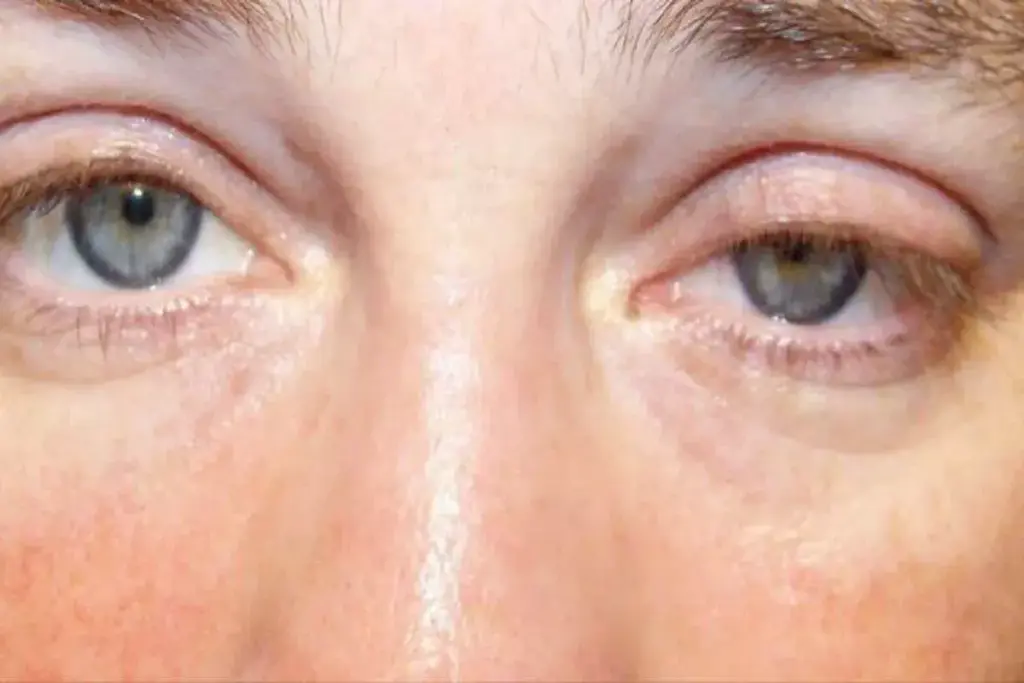
The first signs of liver disease are often small and easy to miss. You might feel tired, not want to eat, or have a little belly pain. As it gets worse, you might see your skin and eyes turn yellow, your urine get darker, and your stools get lighter.
Spotting these signs early is key to stop the damage. Keep an eye on how your body feels and see a doctor if you notice anything off.
Diagnostic Tests for Early Liver Disease
To find liver disease early, doctors use a few methods. They check your body, ask about your health, and do tests. The tests include:
- Liver function tests (LFTs) to check for damage
- Imaging tests like ultrasound or MRI to see the liver
- Liver biopsy to look at liver tissue
| Diagnostic Test | Purpose |
| Liver Function Tests (LFTs) | Check liver damage and how well it works |
| Ultrasound | Look at the liver’s structure and find problems |
| Liver Biopsy | Examine liver tissue for disease or damage |
Reversibility Through Lifestyle Changes
The good news is that early liver disease can often get better with lifestyle changes. This means:
“A healthy lifestyle is essential to manage and possibly reverse early liver disease. This includes a balanced diet, regular exercise, and staying away from harmful substances like alcohol.”
Important lifestyle changes include:
- Keeping a healthy weight to avoid fatty liver disease
- Eating a diet full of fruits, veggies, and whole grains
- Not drinking too much alcohol
- Exercising often to stay healthy
By making these changes, you can greatly improve your liver health and overall health. We stress the importance of catching liver disease early and acting quickly to manage it well.
Stage 2: Fibrosis and Progressive Scarring
Stage 2 liver disease is marked by fibrosis, where liver tissue scarring occurs. Understanding fibrosis is key as we move through liver disease stages. Fibrosis is a major step in liver decline, making it harder for the liver to heal itself.
How Inflammation Leads to Scarring
Inflammation is a main cause of fibrosis. When the liver gets inflamed, it tries to fix itself by creating scar tissue. This scar tissue builds up over time, replacing healthy liver cells and hurting liver function. Early action can help stop or slow this process.
Measuring the Progression of Fibrosis
Several tests are used to measure fibrosis:
- Liver biopsy, the top choice for checking fibrosis.
- Imaging tests like ultrasound and MRI, showing scarring levels.
- Blood tests that look at liver enzymes and markers for fibrosis.
These tests help doctors understand the disease’s stage and choose the right treatment.
Treatment Options to Slow Progression
Treatment for fibrosis aims to fix the liver disease’s cause, like viral hepatitis or alcohol use. We suggest:
- Antiviral meds for hepatitis B and C to lessen liver inflammation.
- Changing lifestyle, like quitting alcohol and losing weight, to ease liver stress.
- Medicines like corticosteroids or pentoxifylline to fight inflammation.
Starting treatment early can greatly slow fibrosis, keeping liver function better.
Stages 3 and 4: Cirrhosis and Liver Failure
Cirrhosis and liver failure are the most severe stages of liver disease. The liver’s function is greatly reduced. It’s important to know the difference between cirrhosis and liver failure, their complications, and treatment options.
Distinguishing Between Cirrhosis and Liver Failure
Cirrhosis is when scar tissue forms in the liver due to chronic disease. This scarring reduces liver function. Liver failure happens when the liver can’t do its essential jobs, often because of cirrhosis or severe damage.
Life-Threatening Complications
Cirrhosis and liver failure can cause serious problems. Cirrhosis can lead to high blood pressure in the liver, causing varices that bleed easily. Liver failure can cause brain problems, from mild confusion to coma.
Other issues include fluid buildup in the belly and a higher risk of liver cancer. Treating these problems often involves medicine, lifestyle changes, and sometimes liver transplantation.
Advanced Treatment Options and Transplantation
For severe liver disease, several treatments are available. Medicines can help manage symptoms and slow the disease. Changing your lifestyle, like avoiding alcohol and eating well, is also key.
In severe cases, liver transplant is the only option. Liver transplant is a big surgery that needs careful thought. But for many, it’s a chance for a new life. The decision to transplant involves checking the patient’s health and liver disease severity.
In summary, cirrhosis and liver failure are serious conditions needing quick and effective treatment. Knowing the differences and treatment options helps us give the best care to those with advanced liver disease.
Conclusion
We’ve looked at the four stages of liver disease, from early signs to cirrhosis and liver failure. Knowing these stages is key to managing liver disease and keeping the liver healthy.
Spotting early signs and symptoms early can help get medical help fast. This can slow or stop liver disease from getting worse. Making lifestyle changes and using advanced treatments are also important for better outcomes.
The stages of liver disease are linked, and managing it well needs a full plan. By focusing on liver health and being proactive, people can live better lives. They can also lower the risk of serious problems.
FAQ
What are the stages of liver disease?
Liver disease goes through several stages. It starts with inflammation and fatty buildup. Then, it moves to fibrosis and scarring. The final stage is cirrhosis, which can lead to liver failure.
What is hepatomegaly, and what are its common causes?
Hepatomegaly means your liver is enlarged. It can happen for many reasons. These include fatty liver disease, viral hepatitis, and drinking too much alcohol.
How is liver disease diagnosed in its early stages?
Doctors use several ways to find early liver disease. They look for signs during a physical exam. They also use imaging tests like ultrasound or CT scans. Lab tests, including liver function tests and biopsies, are also used.
Can lifestyle changes help reverse early liver disease?
Yes, making healthy choices can help. Losing weight, drinking less alcohol, and eating better can reverse early liver disease. This can also stop it from getting worse.
What is the difference between cirrhosis and liver failure?
Cirrhosis is scarring in the liver. Liver failure is when the liver stops working. Cirrhosis can turn into liver failure if not treated or managed well.
What are the life-threatening complications associated with advanced liver disease?
Advanced liver disease can cause serious problems. These include bleeding from varices, brain damage from toxins, and liver cancer.
How many stages are there in liver failure?
Liver disease has four main stages. These are inflammation and fatty buildup, fibrosis and scarring, cirrhosis, and liver failure.
What is the role of liver transplantation in treating liver disease?
Liver transplantation is an option for severe liver disease. It’s for those with cirrhosis or liver failure. It offers a chance for recovery and a better life.
How fast does liver disease progress?
How fast liver disease gets worse varies. It depends on the cause, individual factors, and treatment. Some people may get worse quickly, while others may stay stable for years.
What stage of liver disease is associated with an enlarged liver?
An enlarged liver, or hepatomegaly, often shows early liver disease. It’s usually seen in the first stage. This stage is marked by inflammation and fatty buildup.
References
National Center for Biotechnology Information. Evidence-Based Medical Guidance. Retrieved from https://www.ncbi.nlm.nih.gov/books/NBK554597/[3