
It’s important to know the differences in incomplete spinal cord injuries for patients, families, and caregivers. At Liv Hospital, we focus on each patient, using the latest treatments to help them recover.
An incomplete spinal cord injury happens when the spinal cord is damaged but not cut all the way through. This means different levels of disability. The symptoms and chance of getting better depend on the injury’s type and how bad it is.
We will look at the various types of these injuries, their symptoms, and how well someone can recover. This will help international patients find the best medical care.
Key Takeaways
- Knowing the type of incomplete spinal cord injury is key to finding the right treatment.
- Symptoms can vary a lot among the different types of injuries.
- How well someone can recover depends on the injury’s severity and type.
- Putting the patient first can really help with recovery.
- New treatments offer hope for those with incomplete spinal cord injuries.
What Is an Incomplete Spinal Cord Injury?

An incomplete spinal cord injury happens when part of the spinal cord is damaged. This damage affects how the spinal cord works. It leads to different levels of feeling and movement problems, based on the damage’s size and where it is.
Definition and Pathophysiology
Incomplete spinal cord injuries mean some parts of the spinal cord are not damaged. The pathophysiology is complex. It includes the initial injury and secondary damage from inflammation, swelling, and lack of blood flow. Knowing these details helps doctors find better treatments.
The injury’s impact can vary a lot. Some people might only have a little weakness. Others could face more serious disabilities.
Prevalence and Rising Statistics
The number of people with incomplete spinal cord injuries is growing. This is because of better emergency care and rehab services. Recent numbers show more people are living with these injuries, showing the need for better care and support.
Thanks to new medical tech and rehab methods, more people are living well after such injuries. This shows the need for more research and new treatments to help those with incomplete SCIs.
Complete vs. Incomplete SCI Differences
Spinal cord injuries are divided into complete and incomplete types. Complete spinal cord injuries mean no feeling or movement below the injury. Incomplete injuries have some function left.
Knowing the difference is key for figuring out what to expect and how to treat someone. Incomplete SCIs have a more varied outlook, as recovery can vary a lot from person to person.
The ASIA Impairment Scale: Classifying Spinal Cord Injuries
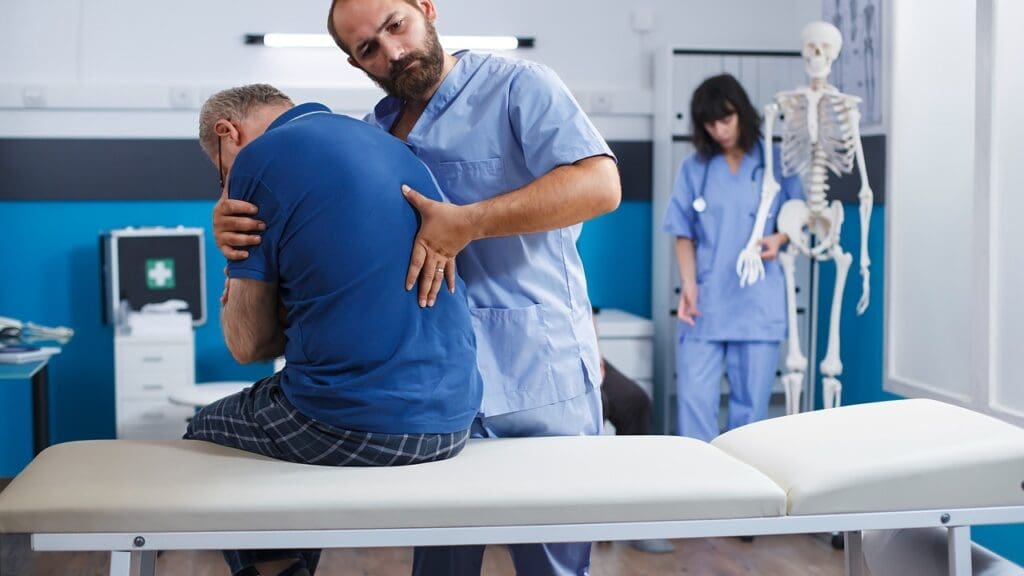
Knowing how severe a spinal cord injury is is key for treatment and recovery. The ASIA Impairment Scale helps with this. It’s a system used to measure the severity of spinal cord injuries. It helps doctors and researchers talk clearly about the injury’s level and severity.
Complete SCI Characteristics
A Class A SCI means no feeling or movement in the sacral segments S4-S5. This shows a very severe injury. It affects the patient’s ability to move and feel things.
Incomplete SCI Classifications
Classes B, C, and D show incomplete spinal cord injuries. These injuries have some feeling or movement below the injury level. – Class B means some feeling is left below the injury. – Class C shows some movement, but muscles are very weak. – Class D means muscles have some strength, showing a better chance of recovery than Class C.
Assessment Methods and Significance
The ASIA Impairment Scale uses a detailed neurological exam. It checks feeling and movement in key areas. This scale is important because it helps:
- Understand how well a person might recover
- Plan the best treatment and rehab
- Help doctors talk clearly about the injury
- Inform patients and their families about the injury’s extent
| ASIA Class | Sensory Function | Motor Function |
|---|---|---|
| A | No sensory function in S4-S5 | No motor function in S4-S5 |
| B | Sensory function preserved | No motor function |
| C | Sensory function preserved | Motor function |
| D | Sensory function preserved | Motor function ≥ 3/5 in at least half of key muscles |
Using the ASIA Impairment Scale correctly is vital. It helps tailor rehab plans and sets realistic recovery hopes for patients.
Central Cord Syndrome: Most Common Type of Incomplete Spinal Cord Injury
Central Cord Syndrome is the most common incomplete spinal cord injury. It often happens from falls or car accidents. This injury damages the spinal cord in a specific way, causing certain symptoms and limitations.
Mechanism of Injury and Affected Pathways
Central Cord Syndrome usually comes from a hyperextension injury. This injury compresses the spinal cord between the ligamentum flavum and the vertebral bodies. This compression affects the central part of the spinal cord, impacting the corticospinal tracts and posterior columns.
The corticospinal tracts, which control movement, are mainly affected. This leads to greater weakness in the upper limbs compared to the lower limbs. This is a key symptom of Central Cord Syndrome.
Distinctive Symptoms and Functional Limitations
The symptoms of Central Cord Syndrome can vary. Common symptoms include:
- Weakness or paralysis in the arms, with relative sparing of the legs
- Loss of sensation, mainly in the hands and fingers
- Bladder dysfunction, including urinary retention or incontinence
- Variable degrees of bowel dysfunction
These symptoms make daily activities hard, like dressing and feeding. Rehabilitation is key to helping patients regain independence.
Treatment Approaches and Recovery Potentials
Treatment for Central Cord Syndrome is a team effort. It includes acute medical care, surgery when needed, and rehabilitation. The goal is to stabilize the spine, manage complications, and improve function.
Rehabilitation is customized for each patient. It may include physical, occupational, and speech therapy. Recovery varies, with some patients seeing big improvements and others facing lasting challenges.
We understand that each patient’s experience with Central Cord Syndrome is unique. Our treatment plans are tailored to meet each person’s specific needs and goals. By combining advanced medical care with thorough rehabilitation, we aim to enhance outcomes and improve life quality for those with this condition.
Anterior Cord Syndrome: Understanding the Impact
Anterior cord syndrome affects the front part of the spinal cord. It’s a type of incomplete spinal cord injury. This injury happens when the front part of the spinal cord is damaged.
Causes and Spinal Structures Affected
Anterior cord syndrome usually results from accidents or falls. These injuries can harm the front spinal cord. This damage affects the parts of the spinal cord that control movement and feeling.
The anterior spinal artery supplies the front spinal cord. Damage to this artery can lead to spinal cord damage due to lack of blood flow.
Motor and Sensory Manifestations
The symptoms of anterior cord syndrome depend on the injury’s severity. Common symptoms include:
- Loss of motor function below the injury level
- Loss of pain and temperature sensation below the injury level
- Preservation of proprioception (position sense) and vibration sense
People with anterior cord syndrome may find it hard to do daily tasks. They may need help with many activities.
Medical Interventions and Rehabilitation Strategies
Medical care for anterior cord syndrome aims to stabilize the spine and manage pain. Rehabilitation is key to helping patients regain function and improve their life quality.
| Rehabilitation Strategy | Description | Benefits |
|---|---|---|
| Physical Therapy | Targeted exercises to improve strength and mobility | Enhanced motor function, increased independence |
| Occupational Therapy | Training in daily living activities | Improved ability to perform daily tasks |
| Pain Management | Medications and alternative therapies for pain relief | Reduced pain, improved quality of life |
Rehabilitation is a long-term effort. It needs a team of physical therapists, occupational therapists, and healthcare providers. The goal is to help patients use their abilities to the fullest and live independently.
Brown-Séquard Syndrome: The Hemisection Injury
To understand Brown-Séquard syndrome, we need to know about hemisection injuries and their effects on the spinal cord. This condition, caused by a hemisection injury, brings unique challenges in diagnosis and treatment.
Injury Mechanism and Pathophysiology
Brown-Séquard syndrome happens when one half of the spinal cord is damaged. This damage can come from various injuries, like accidents. The damage affects specific tracts in the spinal cord, leading to neurological problems.
The injury usually comes from a traumatic event. This event causes a hemisection of the spinal cord. As a result, the affected tracts in the spinal cord are damaged, leading to neurological deficits.
Asymmetrical Symptom Presentation
The symptoms of Brown-Séquard syndrome show up differently on each side of the injury. On the side of the injury, patients lose motor function and sense of body position. On the other side, they lose feeling of pain and temperature.
Key symptoms include:
- Ipsilateral loss of motor function below the level of the lesion
- Ipsilateral loss of proprioception and vibration sense
- Contralateral loss of pain and temperature sensation
Treatment Options and Recovery Outlook
Treatment for Brown-Séquard syndrome aims to manage symptoms and improve function. It may include medical treatments, rehabilitation, and assistive devices. Recent studies, like the one in The Journal of Neuroscience, show that new rehabilitation technologies are helping patients recover.
Recovery depends on the injury’s severity and how well the treatment works. Some patients see big improvements, while others face lasting challenges. The extent of the injury and the quality of the rehabilitation program play big roles in recovery.
Key treatment approaches include:
- Rehabilitation therapy to improve motor function and compensate for sensory losses
- Medical management of symptoms such as pain and spasticity
- Use of assistive devices to enhance mobility and independence
Cauda Equina Syndrome: A Critical Incomplete SCI
Understanding cauda equina syndrome is key for quick medical help. It’s a serious condition where nerves in the spinal canal get compressed. This leads to severe symptoms. It’s a medical emergency that needs fast treatment to avoid lasting damage.
Urgent Nature and Causes
Cauda equina syndrome often comes from a herniated disk, tumor, or other blockage in the lower spine. It’s urgent because not treating it can cause permanent nerve harm. Prompt surgery is often needed to ease the nerve pressure and prevent long-term damage.
The reasons for cauda equina syndrome vary. But they usually involve something that presses on the nerves in the lower spine. These can include:
- Herniated disks
- Spinal tumors
- Spinal infections
- Spinal stenosis
Recognizing Warning Signs and Symptoms
Spotting the signs of cauda equina syndrome is vital for quick medical care. Common symptoms are:
| Symptom | Description |
|---|---|
| Severe Lower Back Pain | Pain in the lower back that can spread to the legs |
| Numbness or Tingling | Sensory issues in the legs or groin area |
| Bladder or Bowel Dysfunction | Hard time controlling bladder or bowel |
| Muscle Weakness | Leg weakness or paralysis |
As a medical expert said, “Early diagnosis and treatment of cauda equina syndrome are key to avoiding long-term nerve damage”
“The key to managing cauda equina syndrome lies in prompt recognition and surgical intervention to decompress the affected nerves.”
Surgical Intervention and Post-operative Recovery
Surgery is often the main treatment for cauda equina syndrome. It aims to take pressure off the nerves. The surgery’s goal is to free the nerves and restore function. After surgery, careful monitoring and rehab help regain strength and mobility.
After surgery, care includes physical therapy, pain management, and check-ups. Following post-operative instructions is key for the best recovery. A detailed rehab program is vital for patients to regain their abilities and improve their life quality.
Incomplete Paraplegia: Partial Lower Limb Paralysis
Incomplete paraplegia is a spinal cord injury that affects the lower limbs. The damage can vary, leading to different symptoms and limitations. This condition happens when the spinal cord is partially damaged.
Definition and Clinical Presentation
Incomplete paraplegia means some motor and sensory functions are lost in the lower limbs. The symptoms can change based on the injury’s level and severity. People might feel muscle weakness, numbness, or paralysis in their legs, and also have bladder and bowel issues.
The injury level, like T12 or L1, affects how much a person can move. For example, injuries at T12 can cause more problems than those at L1.
T12 and L1 Incomplete Paraplegia Examples
T12 incomplete paraplegia happens at the twelfth thoracic vertebra. People with this injury may have weak or paralyzed lower limbs, making it hard to walk or stand. In contrast, L1 injuries might cause less severe problems.
For instance, someone with T12 incomplete paraplegia might struggle with bladder and bowel control, along with lower limb paralysis. But, someone with L1 might have some motor function left in their legs, even if it’s weak.
Functional Capabilities and Adaptive Strategies
Many people with incomplete paraplegia can adapt and live fulfilling lives with the right help. Their abilities can vary based on their injury’s level and severity.
Adaptive strategies are key to helping these individuals regain independence. They might use wheelchairs, walkers, or orthotics, and get physical therapy to improve strength and mobility. They also learn new ways to do daily tasks like bathing and dressing.
Rehabilitation programs tailored to their needs can greatly improve their lives. By focusing on adaptive strategies and using technology and support, people with incomplete paraplegia can become more independent and fully participate in their communities.
Advanced Treatments for Incomplete Spinal Cord Injury Recovery
New medical technologies are changing how we treat incomplete spinal cord injuries. Research is finding new ways to help people with these injuries. This is leading to better outcomes and a better life for them.
Emerging Therapeutic Approaches
New treatments are showing great promise for incomplete spinal cord injuries. These include:
- Stem Cell Therapy: Scientists are looking into stem cells to fix damaged spinal cord tissue.
- Exoskeleton Technology: Exoskeletons help people with incomplete SCI move and get stronger.
- Electrical Stimulation: Techniques like TES and EES help muscles work better and improve movement.
A top researcher, says,
“New technologies and treatments are giving new hope to those with incomplete spinal cord injuries.”
Rehabilitation Technologies and Assistive Devices
Rehabilitation tools and devices are key for those with incomplete SCI. Some examples are:
| Technology/Device | Description | Benefits |
|---|---|---|
| Robotics-assisted therapy | Robotic devices help with physical therapy exercises | Boosts motor function and precision |
| Virtual reality (VR) therapy | VR creates interactive therapy sessions | Increases engagement and improves thinking |
| Functional electrical stimulation (FES) | Electrical stimulation helps muscles work better | Increases muscle strength and mobility |
Neuroplasticity and Recovery
The brain’s ability to change, called neuroplasticity, is key in recovery. It helps people regain lost functions and improve their life.
As we learn more about neuroplasticity, we’ll see even better treatments. By using new therapies and tools, we can help people with incomplete SCI recover fully. This will greatly improve their well-being.
Life as an SCI Survivor: Quality of Life Considerations
Living with an incomplete spinal cord injury is tough. It takes resilience, adaptability, and a strong support system. We need to grasp the challenges SCI survivors face and how to help them live better.
Physical and Emotional Challenges
SCI survivors deal with physical issues like limited mobility and chronic pain. These problems can make them feel anxious, depressed, and isolated. It’s key for them to get care that meets their physical and emotional needs.
The emotional journey of an SCI survivor is unique. It depends on the injury’s severity, the level of impairment, and secondary health issues. Support from loved ones and mental health experts is essential for coping.
Adaptive Strategies and Support Systems
Adaptive strategies are vital for SCI survivors. They help improve their quality of life. These strategies include:
- Using assistive devices and technologies to boost mobility and independence
- Attending physical therapy and rehabilitation programs suited to their needs
- Practicing stress management, like meditation or yoga, to handle emotional challenges
- Joining support groups to connect with others facing similar issues
Long-term Outcomes and Ongoing Functional Changes
The long-term outcomes for SCI survivors vary. They depend on the injury’s severity, the success of rehabilitation, and overall health. SCI survivors must adapt to ongoing changes in their function.
Regular check-ups with healthcare providers are vital. They help monitor and tackle new issues. Staying updated on SCI care advancements can also help improve their quality of life.
Understanding the challenges and opportunities of living with an incomplete spinal cord injury helps us support SCI survivors. This support is key to their recovery and better quality of life.
Conclusion: Navigating the Journey After an Incomplete Spinal Cord Injury
Understanding an incomplete spinal cord injury is key to moving forward. Knowing the type and how severe it is helps find the right treatment. This also affects how much recovery is possible.
We’ve looked at different kinds of incomplete spinal cord injuries. These include central cord syndrome and Brown-Séquard syndrome. Each has its own symptoms and recovery chances. This shows why care needs to be tailored to each person.
Recovery from an incomplete SCI comes with many challenges. These include physical, emotional, and social hurdles. A caring and supportive approach can greatly improve long-term outcomes and quality of life.
Knowing the difference between incomplete and complete spinal cord injuries is important. It helps us see the complexity of recovery and the need for personalized treatment plans. Our aim is to offer top-notch healthcare and support. We want to help those with incomplete spinal cord injuries reach their best recovery and rehabilitation.
What is an incomplete spinal cord injury?
An incomplete spinal cord injury happens when the spinal cord is only partially damaged. This leads to some loss of feeling and movement. But, unlike a complete injury, it doesn’t mean you can’t move at all.
How are incomplete spinal cord injuries classified?
Doctors use the ASIA Impairment Scale to classify these injuries. It shows how much feeling and movement is left. The scale goes from Class A (complete SCI) to Classes B-D (incomplete SCI).
What is central cord syndrome?
Central cord syndrome is a common incomplete injury. It makes the arms weaker than the legs. It usually happens from a neck injury.
What are the symptoms of anterior cord syndrome?
Anterior cord syndrome causes loss of movement and some feeling below the injury. But, you might keep some feeling, like knowing where your body is.
What is Brown-Séquard syndrome?
Brown-Séquard syndrome is caused by damage to one side of the spinal cord. It leads to uneven symptoms, like weakness on one side and no feeling on the other.
What is cauda equina syndrome?
Cauda equina syndrome is a serious condition. It happens when nerves in the lower back get squished. This causes a lot of pain, numbness, and weakness in the legs, plus problems with the bowels and bladder. Surgery is often needed right away.
What is incomplete paraplegia?
Incomplete paraplegia is when the legs are only partially paralyzed. The amount of weakness depends on the injury’s level and severity.
What are the treatment options for incomplete spinal cord injuries?
Treatments include new therapies, tech for rehab, and devices to help. The goal is to help you get better, move more, and live better.
How does neuroplasticity contribute to recovery from incomplete spinal cord injuries?
Neuroplasticity is key to getting better from these injuries. It lets the brain and spinal cord change and adapt. This helps people regain function and improve their life through practice and rehab.
What are the long-term outcomes for SCI survivors?
Outcomes vary based on the injury’s severity and level, and how well rehab and support work. Many SCI survivors lead happy, independent lives, adapting well to their condition.
What is the difference between complete and incomplete spinal cord injuries?
Complete injuries mean you can’t move at all below the injury. Incomplete injuries mean you can move some, but not as much as you should.
Reference:
- https://www.ncbi.nlm.nih.gov/books/NBK560721