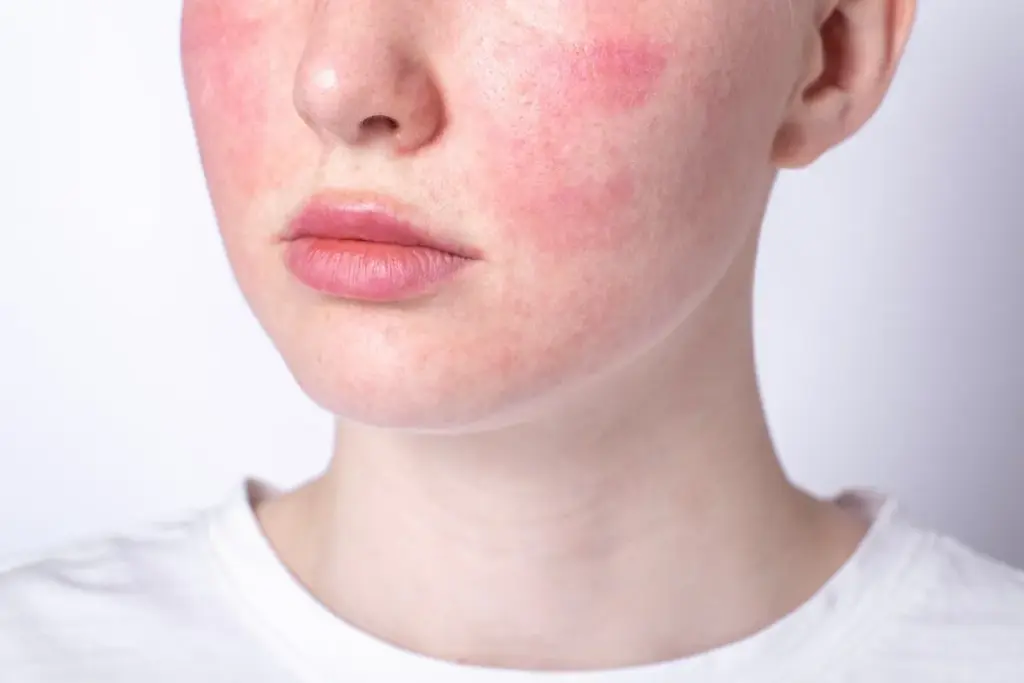
Managing a chronic condition like rosacea is more than just treating symptoms. It needs professional help and caring support. Millions of people deal with facial redness and swelling that lowers their confidence every day.
This inflammation usually shows up on the cheeks or nose. It can come and go, triggered by things like the sun or stress. Knowing the description of rosacea is key to finding lasting relief.
There are four main rosacea types, and a one-size-fits-all approach doesn’t work. A treatment for one type might make another worse. At Liv Hospital, our experts give detailed checks to make sure you get the care you need.
Understanding these patterns helps us make a plan that fits your life. We use proven methods to reduce flare-ups. We encourage you to learn about these categories to find a way to healthy, glowing skin.
Key Takeaways
- This chronic inflammatory condition affects millions of people globally.
- Four distinct variants exist, each requiring a unique treatment plan.
- Environmental triggers like sun exposure often cause symptoms to flare up.
- Accurate diagnosis is vital because some treatments can worsen certain forms.
- Specialist doctors provide personalized, evidence-based care for skin health.
- Effective management strategies can significantly improve your quality of life.
Understanding the Different Rosacea Types
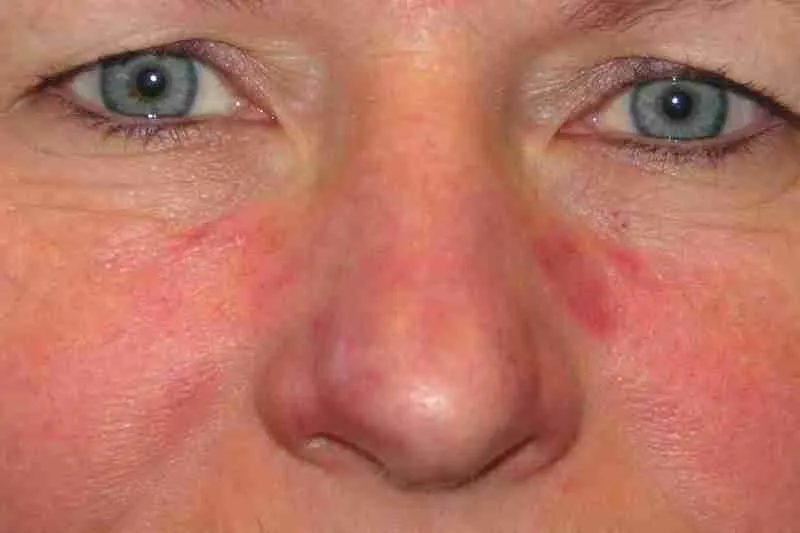
Rosacea is a complex condition with different forms. At Liv Hospital, our dermatology specialists offer detailed evaluations and treatments. They help patients find their rosacea subtype and create effective plans to improve their skin and life quality.
Rosacea isn’t the same for everyone. It comes in four main subtypes, each with its own symptoms. Knowing these differences is essential for proper care and treatment.
The four main types of rosacea include erythematotelangiectatic rosacea, papulopustular rosacea, phymatous rosacea, and ocular rosacea. Each subtype has unique characteristics that need a personalized treatment plan.
To understand the differences between these subtypes, let’s look at their characteristics in the table below:
| Rosacea Subtype | Primary Characteristics | Common Symptoms |
| Erythematotelangiectatic Rosacea (ETR) | Flushing, redness, visible blood vessels | Frequent flushing, persistent redness |
| Papulopustular Rosacea | Acne-like symptoms, redness, pus-filled bumps | Acne-like breakouts, redness |
| Phymatous Rosacea | Thickening skin, irregular surface, enlargement of facial features | Thickened skin, enlarged nose (rhinophyma) |
| Ocular Rosacea | Eye symptoms, dryness, irritation | Dry eyes, irritation, redness around the eyes |
By knowing each rosacea subtype’s characteristics, we can create targeted treatments. At Liv Hospital, we focus on personalized care. Our goal is to manage symptoms and improve skin health and quality of life.
The Four Rosacea Types: Detailed Breakdown
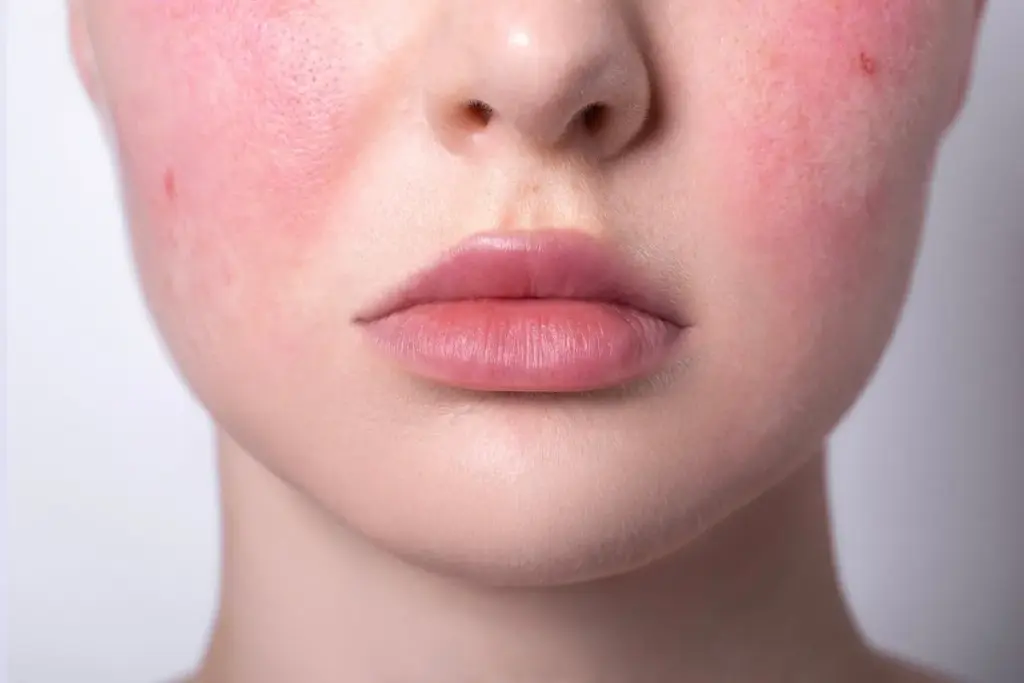
Rosacea is a complex skin condition with four main types. Each type needs a specific treatment. Knowing your type is key because treatments for one type can harm another. So, getting the right diagnosis is very important.
Type 1 Rosacea: Erythematotelangiectatic Rosacea (ETR)
Type 1 rosacea, also known as ETR, shows as persistent facial redness and visible blood vessels. Symptoms include flushing, redness, and visible blood vessels on the face. To treat ETR, laser therapy and topical medications are often used. They help reduce redness and blood vessel appearance.
Type 2 Rosacea: Papulopustular Rosacea
Type 2 rosacea, or papulopustular rosacea, causes redness and acne-like bumps. This type is linked to acne rosacea types. It needs a treatment that tackles both the acne and rosacea.
Topical and oral antibiotics are recommended for managing symptoms of papulopustular rosacea.
Type 3 Rosacea: Phymatous Rosacea
Type 3 rosacea, or phymatous rosacea, causes thickened skin, often on the nose, known as rhinophyma. Treatment options include surgical procedures and laser therapy to reshape the nose and reduce thickened skin appearance.
Type 4 Rosacea: Ocular Rosacea
Type 4 rosacea, or ocular rosacea, affects the eyes, causing redness, dryness, and irritation. Symptoms can be managed with eye care and hygiene practices. Sometimes, oral antibiotics are prescribed to treat the condition.
Here is a summary of the four rosacea types and their characteristics:
| Rosacea Type | Symptoms | Treatment Options |
| Type 1: Erythematotelangiectatic Rosacea (ETR) | Persistent facial redness, visible blood vessels | Laser therapy, topical medications |
| Type 2: Papulopustular Rosacea | Redness, acne-like bumps | Topical and oral antibiotics |
| Type 3: Phymatous Rosacea | Thickened skin, often on the nose | Surgical procedures, laser therapy |
| Type 4: Ocular Rosacea | Eye redness, dryness, irritation | Eye care and hygiene, oral antibiotics |
Conclusion
Knowing the different kinds of rosacea is key to managing it well. At Liv Hospital, our dermatologists give detailed checks to find out what kind of rosacea you have.
By knowing the 4 types of rosacea, you can work with your dermatologist to make a treatment plan just for you. This personalized approach helps improve your skin and overall health.
Rosacea is a long-term condition, but it can be managed with the right treatment. Our specialists use proven treatments to help you manage your rosacea.
With the right diagnosis and care, you can greatly improve your life. We guide you through the different types of rosacea and help you find ways to manage them.
FAQ
What are the characteristics of Type 1 Rosacea (Erythematotelangiectatic Rosacea)?
Type 1 Rosacea, or ETR, is primarily defined by
persistent facial redness (flushing) and visible blood vessels, often called
spider veins. The skin in the center of the face may feel swollen, stinging, or
rough and scaly. Patients with this type typically have very sensitive skin
that reacts quickly to triggers like temperature changes or spicy foods.
How does Type 2 Rosacea (Papulopustular Rosacea) differ from acne?
Type 2 Rosacea is characterized by “whitehead”
pus-filled blemishes and red, swollen bumps. While it looks similar to acne, it
does not typically feature blackheads and is often accompanied by the
persistent facial redness seen in Type 1. This type is most common in
middle-aged women and is caused by inflammation rather than bacterial infection
of the pores.
What defines Type 3 Rosacea (Phymatous Rosacea)?
Type 3 Rosacea is a rarer form where the skin begins to
thicken and develop a bumpy, irregular texture. This most commonly affects the
nose, a condition known as rhinophyma, making it appear bulbous or enlarged. It
is more frequently observed in men and usually develops after years of
untreated inflammation from other rosacea types.
What are the symptoms of Type 4 Rosacea (Ocular Rosacea)?
Type 4 Rosacea specifically affects the eyes and
eyelids. Symptoms include a “gritty” sensation as if sand is in the
eye, along with burning, stinging, and extreme dryness. The eyes may appear
bloodshot or watery, and the eyelids often become red and swollen
(blepharitis). If left untreated, it can lead to blurred vision or corneal
damage.
Can a person have more than one type of rosacea at the same time?
Yes, it is common for the different types of rosacea to
overlap. A patient might experience the redness and visible blood vessels of
Type 1 alongside the bumps and pimples of Type 2. Because rosacea is a
progressive condition, one type can sometimes lead to another if the underlying
inflammation is not managed through medical treatment and trigger avoidance
References
InformedHealth.org. Osteoarthritis: Overview. Retrieved from https://www.ncbi.nlm.nih.gov/books/NBK279476/



 Departments
 Related Videos
 Our Doctors
 News
News