
Diabetic ketoacidosis (DKA) is a serious condition. It’s marked by high blood sugar, acidosis, and ketones in the blood. It’s vital to manage DKA carefully to avoid dangerous side effects.
The right pace of blood sugar drop is key. Experts say it should go down by 100 mg/dL each hour. This keeps blood sugar above 200 mg/dL for the first 4-5 hours. Liv Hospital follows the latest research and care plans to help patients.
To manage DKA well, start a steady insulin drip at 0.1 units per kilogram per hour. If there’s severe high potassium or acid, a 10-unit insulin boost might be needed.
Key Takeaways
- Optimal glucose decline rate is 100 mg/dL per hour.
- Blood glucose should not fall below 200 mg/dL in the first 4-5 hours.
- Fixed-rate intravenous insulin is started at 0.1 units/kg/hour.
- A 10-unit bolus may be necessary for severe hyperkalemia or acidosis.
- Careful management of glucose levels is critical to prevent complications.
Understanding Hyperglycemia and Ketoacidosis: The Pathophysiology of DKA

DKA is marked by high blood sugar and ketoacidosis. These issues stem from a complex mix of insulin and counterregulatory hormones. Knowing how these conditions start is key to treating DKA well.
How Insulin Deficiency or Resistance Leads to Hyperglycemia and Ketoacidosis
Diabetes often means not enough insulin or not using it well. Without enough insulin, glucose can’t get into cells. So, the body starts breaking down fat, making ketones.
Ketone production is a big part of ketoacidosis. Too many ketones in the blood make it too acidic. This can be very dangerous if not treated quickly.
— Clinical Guidelines for DKA Management
Counterregulatory hormones like glucagon, cortisol, and adrenaline are important in DKA. They fight insulin, raising blood sugar and making more ketones.
| Hormone | Effect on Glucose | Effect on Ketone Production |
| Glucagon | Increases glucose release from stored energy sources | Promotes ketone production |
| Cortisol | Raises blood glucose levels | Enhances lipolysis, leading to increased ketone production |
| Adrenaline | Stimulates glycogen breakdown, increasing glucose availability | Contributes to increased ketone production |
It’s vital to grasp how insulin, counterregulatory hormones, and high blood sugar and ketoacidosis work together. This knowledge is key to managing DKA effectively.
5 Essential Guidelines for Target Glucose Reduction in DKA
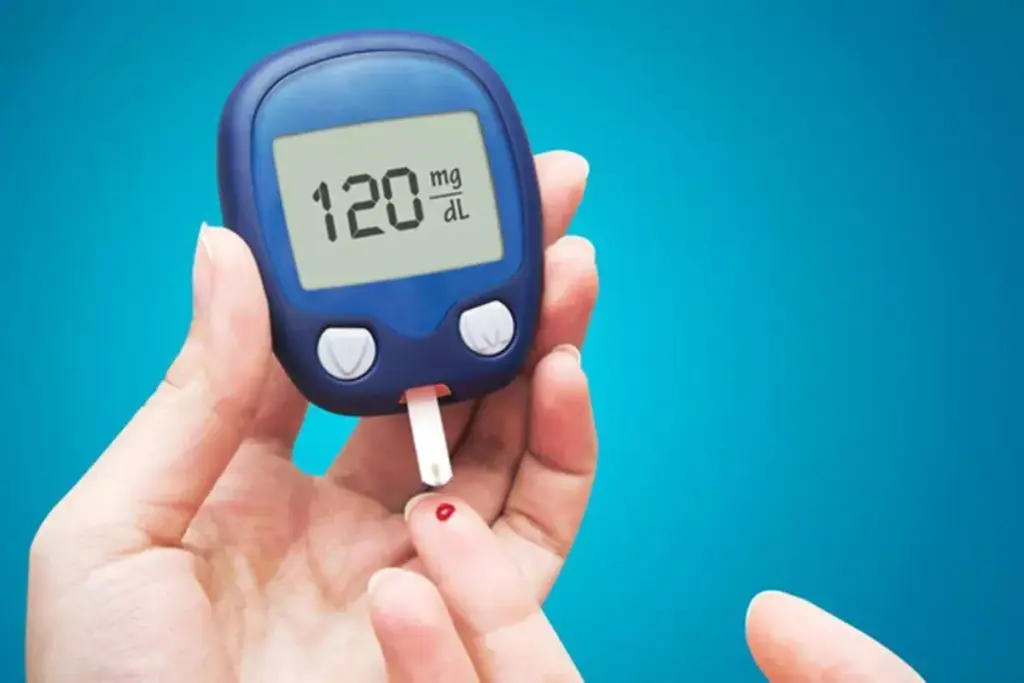
Managing Diabetic Ketoacidosis (DKA) starts with careful glucose reduction. It’s important to balance lowering glucose levels with avoiding complications.
Guideline 1: Maintain Optimal Glucose Decline Rate at 100 mg/dL Per Hour
It’s key to control glucose decline in DKA. A rate of 100 mg/dL per hour is advised to prevent cerebral edema and other issues.
Benefits of Optimal Glucose Decline Rate:
- Reduces the risk of cerebral edema
- Minimizes the risk of hypoglycemia
- Enhances patient safety during treatment
Guideline 2: Keep Blood Glucose Above 200 mg/dL During Initial 4-5 Hours
In the early DKA treatment, blood glucose should stay above 200 mg/dL. This helps avoid hypoglycemia and keeps glucose stable.
Guideline 3: Implement Fixed-Rate Intravenous Insulin Infusion
Using a fixed-rate intravenous insulin infusion is key in DKA management. It allows for precise insulin delivery, helping to control glucose levels.
Key considerations for insulin infusion:
- Initial infusion rate should be based on patient’s weight
- Regular monitoring of glucose and ketone levels
- Adjustments as necessary to maintain optimal glucose decline
Guideline 4: Monitor Anion Gap Range for DKA and Ketone Body Clearance
Checking the anion gap is vital in DKA treatment. It shows how well ketone bodies are being cleared and guides treatment adjustments.
It’s important to regularly check the anion gap, glucose, and ketones. Treatment should be adjusted based on these to manage DKA well.
| Parameter | Target Range | Action |
| Glucose Decline Rate | 100 mg/dL/hour | Adjust insulin infusion rate |
| Blood Glucose | Above 200 mg/dL (initial 4-5 hours) | Monitor closely, adjust glucose infusion |
| Anion Gap | Normal range (3-12 mEq/L) | Continue treatment until normalized |
Conclusion
Diabetic ketoacidosis (DKA) is a serious problem for people with diabetes. It needs quick and effective treatment to avoid severe health issues. Understanding how DKA works and following key guidelines can greatly help patients.
Managing DKA means controlling blood sugar levels carefully. It’s important to keep blood sugar levels within a safe range at first. Using a fixed-rate insulin drip is also key.
Keeping an eye on the anion gap and how fast ketones clear is also important. These steps help doctors manage DKA safely and effectively. This leads to better care for patients and lowers the risk of serious complications.
Effective DKA management is vital in diabetes care. Its importance cannot be overstated. It’s a critical part of keeping patients safe and healthy.
FAQ
What is the difference between Diabetic Ketoacidosis and Hyperosmolar Hyperglycemic State?
Diabetic ketoacidosis involves high blood sugar with ketone buildup and acidosis, while hyperosmolar hyperglycemic state has extremely high glucose with severe dehydration but little or no ketones.
How does insulin deficiency or resistance lead to hyperglycemia and ketoacidosis?
Insulin deficiency or resistance prevents cells from using glucose for energy, causing high blood sugar and breakdown of fats that produce ketones leading to diabetic ketoacidosis.
What is the recommended rate of glucose decline during DKA treatment?
During treatment of diabetic ketoacidosis, blood glucose should typically decrease at a controlled rate of about 50–75 mg/dL per hour.
Why is it important to keep blood glucose above 200 mg/dL in the first 4–5 hours of DKA treatment?
Maintaining glucose above about 200 mg/dL early in treatment helps prevent rapid osmotic shifts and complications such as Cerebral Edema.
What is the anion gap range for DKA, and why is it essential to monitor it?
The anion gap in diabetic ketoacidosis is usually elevated (often above 12 mEq/L) and monitoring it helps assess the severity of acidosis and response to treatment.
How does fixed-rate intravenous insulin infusion help in DKA management?
Fixed-rate IV insulin infusion steadily lowers blood glucose and stops ketone production, helping correct acidosis safely during diabetic ketoacidosis treatment.
References
National Center for Biotechnology Information. Evidence-Based Medical Insight. Retrieved from https://pmc.ncbi.nlm.nih.gov/articles/PMC8465972/



 Departments
 Related Videos
 Our Doctors
 News
News