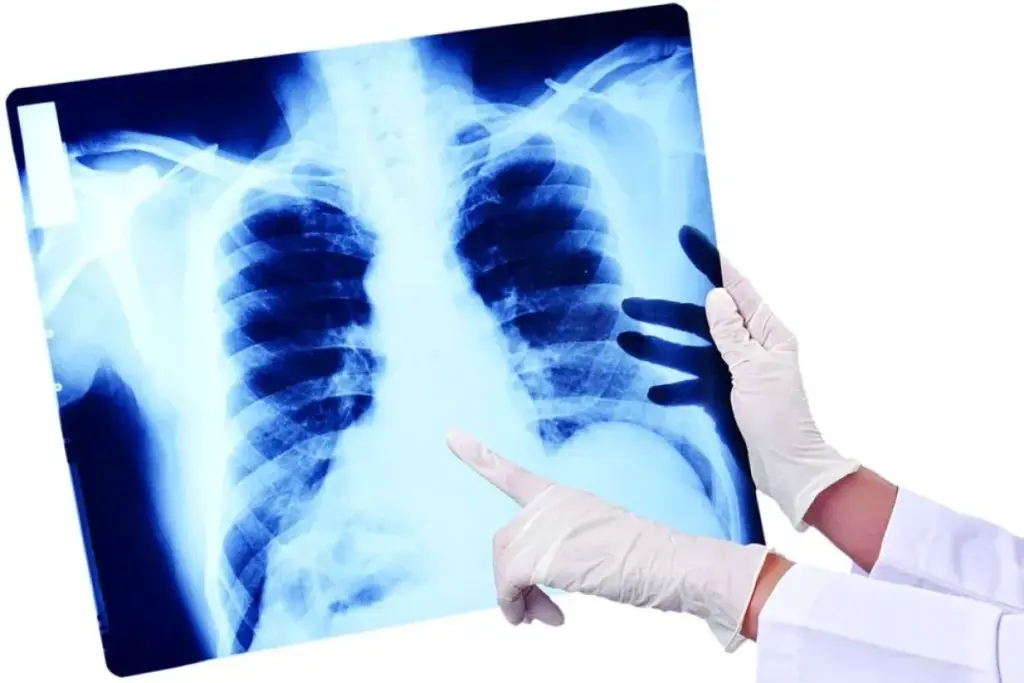
Bacterial pneumonia is a big health problem worldwide. It affects people who are most vulnerable and causes a lot of sickness and death. In the United States, it leads to about 1.4 million visits to the emergency room every year. This acute infection affecting the alveoli is very dangerous, with risks like sepsis and acute respiratory distress syndrome. Knowing about the complications, signs, and effective treatment options is key to helping patients get better.
We will look at the main complications of bacterial pneumonia. We will also talk about the important signs and symptoms. Plus, we will cover the treatment and prevention strategies available. Our goal is to raise awareness and help manage this condition better.
Key Takeaways
- Understanding the complications of bacterial pneumonia is key to managing it well.
- Bacterial pneumonia can lead to serious health risks, like sepsis and respiratory distress.
- It’s important to recognize the signs and symptoms early for timely medical help.
- There are effective treatments, including antibiotics and supportive care.
- Prevention strategies can help lower the risk of getting bacterial pneumonia.
Understanding Bacterial Pneumonia Pathophysiology

Bacterial pneumonia is a complex disease. It happens when a pathogen and the host’s immune system interact. Streptococcus pneumoniae and Haemophilus influenzae are the main culprits, causing severe lung infections.
Common Bacterial Pathogens and Infection Mechanisms
Bacterial pneumonia often starts in the upper respiratory tract. Streptococcus pneumoniae is the top cause, found in many cases around the world. It spreads through droplets and causes inflammation and infection in the lungs.
The bacteria stick to and invade lung tissue, starting an inflammatory response. This leads to symptoms like cough, fever, and trouble breathing. For more info, check out studies on reputable medical databases.
| Pathogen | Common Symptoms | Complications |
| Streptococcus pneumoniae | Cough, fever, rust-colored sputum | Pleural effusion, sepsis |
| Haemophilus influenzae | Cough, fever, difficulty breathing | Respiratory failure, bacteremia |
Risk Factors for Developing Complications
Some people are more likely to face complications from bacterial pneumonia. This includes older adults, young children, and those with health issues like heart disease or diabetes. Smoking also increases the risk, as it harms the lungs and weakens the immune system.
Recognizing Early Warning Signs
Spotting symptoms early is key to treating bacterial pneumonia effectively. Look out for a persistent cough, fever, chills, and trouble breathing. Rust-colored sputum is a sign of a severe infection.
Knowing how bacterial pneumonia works helps us manage and treat it better. This includes understanding the common pathogens and risk factors for complications.
5 Key Complications of Bacterial Pneumonia Treatment
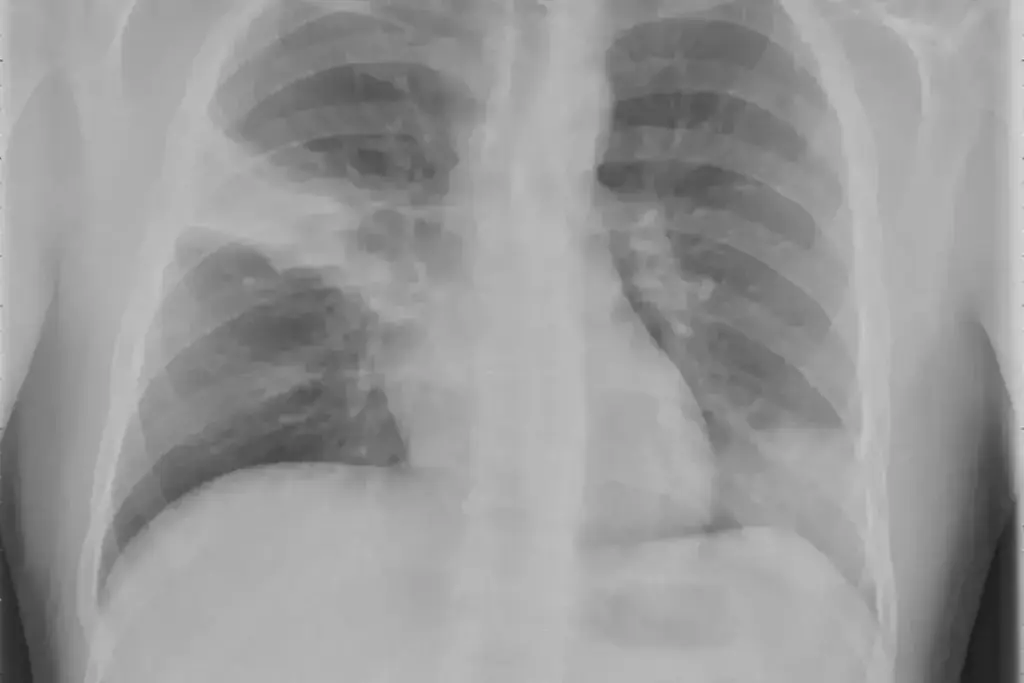
Bacterial pneumonia can cause serious complications that need quick and effective treatment. We will look at the 5 main complications of bacterial pneumonia treatment. These include their symptoms, how to diagnose them, and treatment options.
Pleural Effusion and Empyema
Pleural effusion is when fluid builds up in the pleural space. If this fluid gets infected, it can turn into empyema. We use chest X-rays and CT scans to diagnose these conditions.
To treat pleural effusion and empyema, we may drain the fluid through thoracentesis. We also use antibiotics to fight the infection. In some cases, surgery might be needed.
Respiratory Failure
Respiratory failure is a serious complication of bacterial pneumonia. It requires mechanical ventilation and supportive care. We watch patients’ oxygen levels and breathing rate to spot those at risk.
For respiratory failure, we use oxygen therapy and mechanical ventilation. We also manage any underlying conditions that might be causing it.
Sepsis and Bacteremia
Sepsis and bacteremia are serious complications of bacterial pneumonia. They need quick recognition and treatment. We use blood cultures and lab tests to diagnose them.
To treat sepsis and bacteremia, we give antibiotics and fluids. We also provide supportive care to manage organ dysfunction.
Lung Abscess Formation
Lung abscess formation is a complication of bacterial pneumonia. It’s when a cavity filled with pus forms in the lung. We use chest X-rays and CT scans to diagnose lung abscesses.
To treat lung abscesses, we use antibiotics and drain the abscess. This can be done through a needle or surgery.
Other Possible Complications
Other complications of bacterial pneumonia include heart problems and neurological issues. These can include arrhythmias, heart failure, meningitis, and encephalitis. We manage these by providing supportive care and treating the infection.
| Complication | Clinical Presentation | Treatment Options |
| Pleural Effusion and Empyema | Fluid accumulation in pleural space, infection | Thoracentesis, antibiotic therapy, surgical intervention |
| Respiratory Failure | Hypoxemia, hypercapnia, respiratory distress | Oxygen therapy, mechanical ventilation, supportive care |
| Sepsis and Bacteremia | Fever, chills, organ dysfunction | Antibiotic therapy, fluid resuscitation, supportive care |
| Lung Abscess Formation | Cavity filled with pus, fever, cough | Antibiotic therapy, drainage of abscess |
Conclusion: Prevention Strategies and Long-term Outlook
Preventing bacterial pneumonia is key. Vaccines against pneumococcal and influenza infections are vital. They help stop bacterial bronchopneumonia.
Changing your lifestyle can also help. Quitting smoking and staying healthy lowers pneumonia risk. Catching pneumonia early and treating it quickly is also important.
Prompt medical care is critical for diagnosing and treating pneumonia. Knowing about pneumonia bacteriana helps doctors give better care.
Using prevention and early treatment can improve patient outcomes. We need ongoing research and awareness to fight this health issue.
FAQ
What are the common manifestations of bacterial pneumonia?
Symptoms of bacterial pneumonia include cough, fever, and chills. It also causes difficulty breathing. In severe cases, it can lead to respiratory failure and sepsis.
What is the pathophysiology of bacterial pneumonia?
Bacterial pneumonia happens when bacteria infect the lungs. This infection causes inflammation. It can be caused by different bacteria, like Streptococcus pneumoniae and Haemophilus influenzae.
What are the risk factors for developing complications from bacterial pneumonia?
Some people are at higher risk for complications. This includes older adults, young children, and those with health issues. These issues include chronic lung disease or weakened immune systems.
What is the significance of rust-colored sputum in pneumonia?
Rust-colored sputum is a sign of pneumococcal pneumonia. It shows the presence of Streptococcus pneumoniae. This color comes from the bacteria causing inflammation and bleeding in the lungs.
How is bacterial pneumonia diagnosed?
Doctors use a few methods to diagnose. They look at the patient, do a chest X-ray, and run lab tests. These include blood cultures and sputum analysis.
What are the possible complications of pneumonia?
Complications can include pleural effusion and empyema. They can also cause respiratory failure, sepsis, and lung abscesses. It’s important to treat pneumonia quickly to avoid these issues.
How can bacterial pneumonia be prevented?
To prevent it, get vaccinated against pneumococcal disease. Also, practice good hygiene and avoid smoking. Stay away from pollutants.
What is the long-term outlook for patients with bacterial pneumonia?
With the right treatment, many recover fully. But, some may face long-term effects. These can include reduced lung function or being more prone to infections.
References
https://my.clevelandclinic.org/health/diseases/4471-pneumonia