

Many people live with a hidden condition that could harm their vision without warning. At Liv Hospital, we know that catching it early and focusing on the patient can save your sight. This is the difference between keeping your vision and losing it forever.
Narrow angle glaucoma is a serious issue. It happens when fluid builds up because the drainage angle gets blocked. This can damage the optic nerve. Knowing the symptoms is key to getting medical help fast.
Find out the important symptoms that need quick action. Also, learn why regular eye checks are key to keeping your eyes healthy.
Key Takeaways
- Understanding narrow angle glaucoma is key to saving your vision.
- Early detection can stop permanent vision loss.
- Regular eye exams are important for eye health.
- Symptoms include intense eye pain and blurred vision.
- Quick medical help is needed if you’re experiencing symptoms.
What Are Narrow Angles in the Eyes?
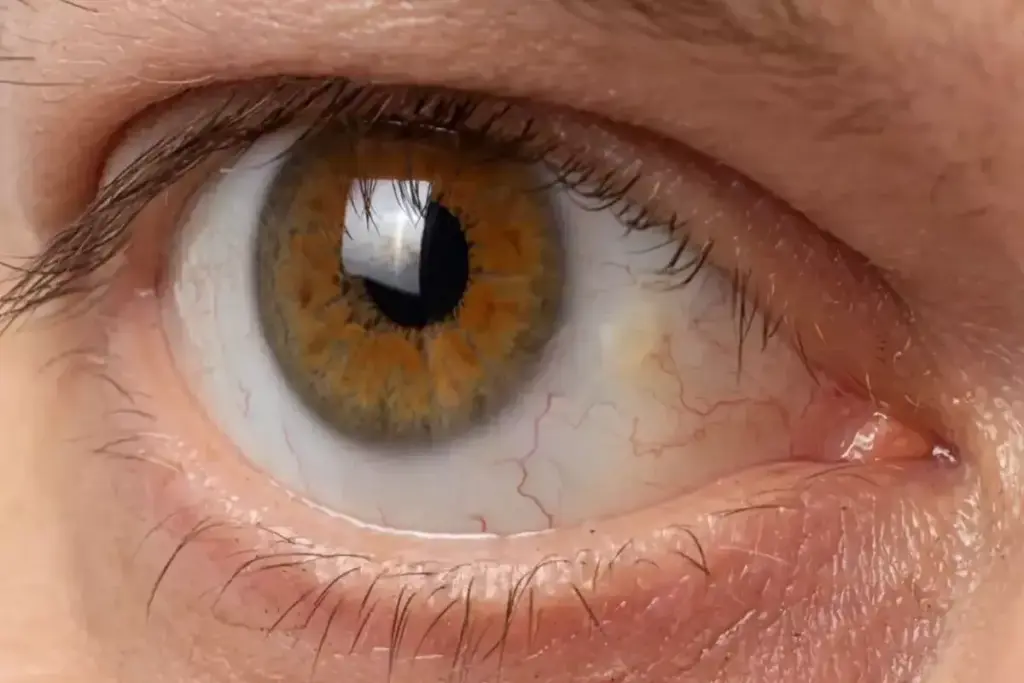
Narrow angle glaucoma happens when the drainage angle in the eye gets blocked. This blockage can cause a sudden rise in eye pressure. It can lead to severe pain, vision loss, and other serious issues.
The Anatomy of Narrow Angle Eyes
The drainage system in the eye is between the iris and the cornea. This area is called the anterior chamber angle. In narrow angle eyes, this space is too small and can easily get blocked.
The blockage happens when the iris folds up and blocks the drainage channels. This stops fluid from leaving the eye. As a result, the eye pressure goes up quickly.
Prevalence and Global Impact
Narrow angle glaucoma affects millions globally. The numbers vary a lot depending on the population. About 17.14 million people over 40 have it, mostly in Asia.
The risk of getting narrow angle glaucoma differs by ethnicity. For example, 3.8 percent of white Americans have it. But in Asia, nearly 9 out of 10 glaucoma cases are narrow angle.
| Population | Prevalence of Narrow Angle Glaucoma |
| White people in the United States | 3.8% |
| Asian populations | 90% of glaucoma cases |
| Global population over 40 | 17.14 million |
Knowing who is at higher risk helps in early prevention. By spotting the signs of narrow angle glaucoma early, people can get help before it’s too late.
5 Key Narrow Angles in Eyes Symptoms
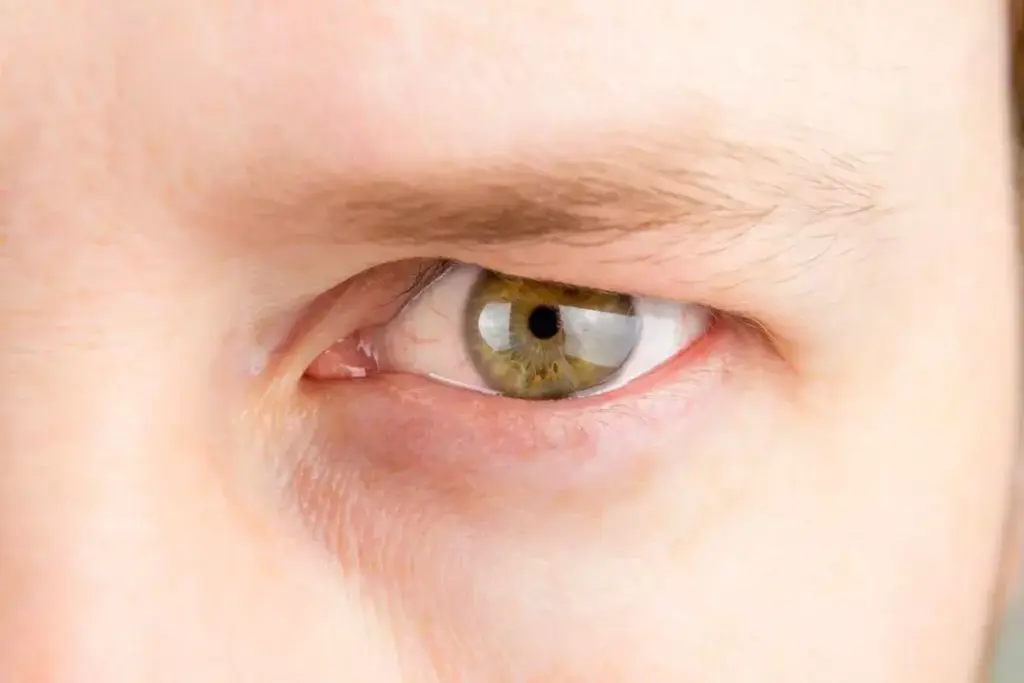
Knowing the symptoms of narrow angles in the eyes is key to avoiding serious problems. These symptoms can cause a lot of discomfort. It’s important to catch them early to get the right treatment.
Intense Eye Pain
Intense eye pain is a main symptom of narrow angles. This pain can come on suddenly and be very strong. It’s usually because the pressure inside the eye goes up, making it very uncomfortable.
Headaches in Dark or Low-Light Conditions
Headaches in dark or low-light conditions are another sign. These headaches happen when the eye has trouble adjusting to light changes. This can cause a lot of strain and discomfort.
Blurred Vision and Halos Around Lights
Blurred vision and seeing halos around lights are serious symptoms. These happen when the eye’s lens can’t focus light well because of high pressure.
Red and Bloodshot Eyes
Eyes that look red and bloodshot can be a sign of narrow angles. This redness usually comes from inflammation and high pressure inside the eye.
| Symptom | Description |
| Intense Eye Pain | Sudden and severe pain due to increased intraocular pressure |
| Headaches in Dark Conditions | Headaches caused by the eye’s struggle to adjust to lighting changes |
| Blurred Vision and Halos | Visual disturbances due to ineffective light focusing |
| Red and Bloodshot Eyes | Visible redness due to inflammation and increased pressure |
Knowing these symptoms can help people get medical help fast. This can stop serious problems and keep their vision safe.
Risk Factors and High-Risk Groups
The risk of narrow angle glaucoma comes from many factors. Knowing these helps find who’s most at risk.
Age and Gender Considerations
Narrow angle glaucoma often hits people over 40. Age is a big risk factor because the eye’s lens grows, narrowing the angle. Women are more at risk than men, with a 4 to 1 ratio. This is because women’s eyes are smaller and have other differences.
Ethnic Background and Geographic Distribution
East Asians and Inuits face a higher risk due to their eye shape. Geographic distribution also matters, with some Asian groups more likely to get it. Knowing this helps target prevention.
Anatomical Predispositions
Farsighted people are at higher risk because their eyes are shorter. A shallow chamber and thicker lens also raise the risk.
Knowing who’s at risk helps catch narrow angle glaucoma early. Regular eye checks are key for those at risk.
Conclusion
It’s important to know the signs of narrow angles in the eyes to keep them healthy. Signs like intense eye pain, headaches, and blurred vision are warning signs. They mean you might have narrow angle glaucoma.
Seeing a doctor early can save your vision. Knowing who’s at risk, like older people or certain ethnic groups, helps too. This way, you can take steps to protect your eyes.
Looking after your eyes means regular check-ups and a healthy lifestyle. By doing this, you can lower the chance of losing your sight. In short, being aware and getting help quickly is key to keeping your eyes healthy.
FAQ
What are narrow angles in the eyes?
Narrow angles occur when the space between the iris and cornea is too small, which can block fluid drainage and raise eye pressure.
What are the symptoms of narrow angles in the eyes?
Symptoms may include blurred vision, eye pain, headaches, halos around lights, nausea, or sudden vision changes, especially during an acute attack.
Who is at risk for narrow angle glaucoma?
Older adults, people with farsightedness, certain ethnicities, and those with a family history of glaucoma are at higher risk.
Can narrow angle glaucoma be treated?
Yes, treatment options include medications, laser peripheral iridotomy, or surgery to lower eye pressure and prevent vision loss.
How can I reduce my risk of developing narrow angle glaucoma?
Regular eye exams, early detection, and prompt treatment of narrow angles can help reduce the risk of glaucoma.
What is the difference between open-angle and narrow-angle glaucoma?
Open-angle glaucoma develops gradually with a wide drainage angle, while narrow-angle glaucoma occurs suddenly due to blocked fluid flow in a narrow angle.
Are arrow angles in eyes and narrow angles in eyes the same condition?
Yes, “arrow angles” is another term sometimes used to describe narrow angles in the eye.
Can narrow angles in eyes be a sign of an underlying condition?
They are usually an anatomical feature but may indicate a higher risk for primary angle closure glaucoma and require monitoring.
References
National Center for Biotechnology Information. Evidence-Based Medical Insight. Retrieved from https://pmc.ncbi.nlm.nih.gov/articles/PMC8465972/



 Departments
 Related Videos
 Our Doctors
 News
News