
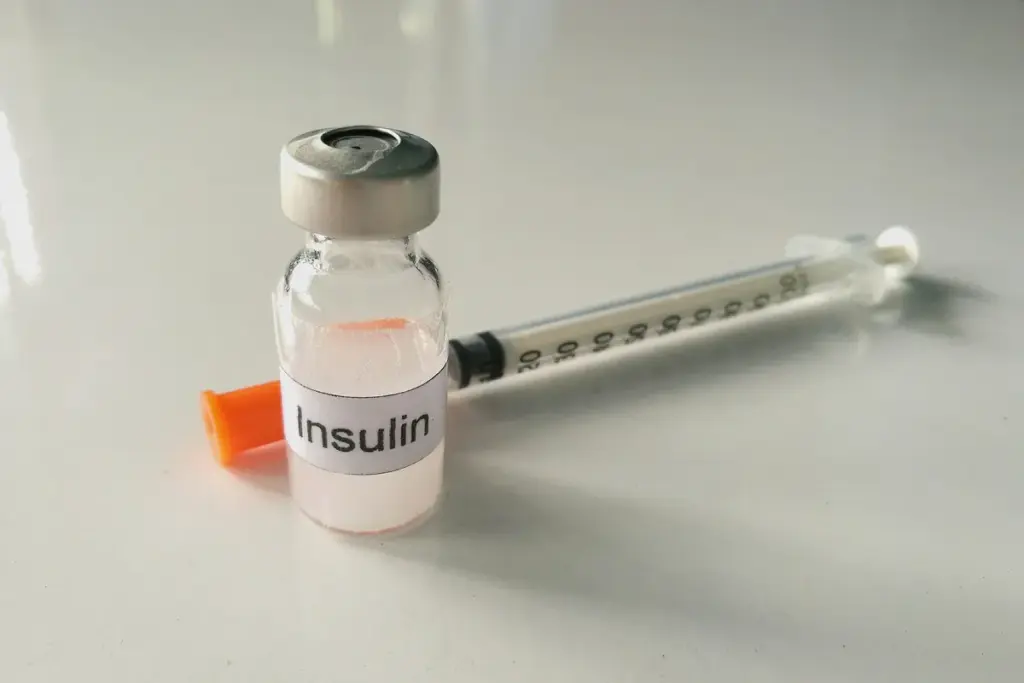
Managing diabetes well means knowing about the different insulin types. This includes short-acting insulins, which are key for controlling blood sugar after meals.
Short-acting insulin starts working fast, within 30 to 60 minutes. It lasts 3 to 8 hours, making it vital for diabetes care.
Some common short-acting insulin types are insulin lispro (Humalog), insulin aspart (NovoLog), and insulin glulisine (Apidra). Knowing about these can help people work better with their doctors to improve their treatment.
Key Takeaways
- Short-acting insulin is key for managing blood sugar after meals.
- It starts working fast, within 30 to 60 minutes, and lasts 3 to 8 hours.
- Examples include insulin lispro (Humalog), insulin aspart (NovoLog), and insulin glulisine (Apidra).
- Understanding these types can help individuals with diabetes optimize their treatment.
- Working closely with healthcare providers is essential for effective diabetes management.
What Is Short Acting Insulin
[Add image here]
Understanding short-acting insulin is key to managing diabetes well. It quickly responds to meal-related glucose spikes.
Short-acting insulin is taken 30 minutes to 1 hour before meals. It prevents blood glucose levels from getting too high. It’s called “mealtime insulin” because it helps control blood glucose after eating.
Medical Expert. Nathan, a diabetes expert, says short-acting insulin is vital. It offers flexibility and control over blood glucose after meals. It mimics the natural insulin response of the body to meals, keeping blood glucose in target range.
Short-acting insulin is often used with intermediate-acting or long-acting insulins. This combo helps control blood glucose all day. It helps people with diabetes manage their condition better, lowering risks of complications.
By understanding short-acting insulin and how to use it, people with diabetes can manage their condition better. This improves their quality of life.
5 Short Acting Insulin Types
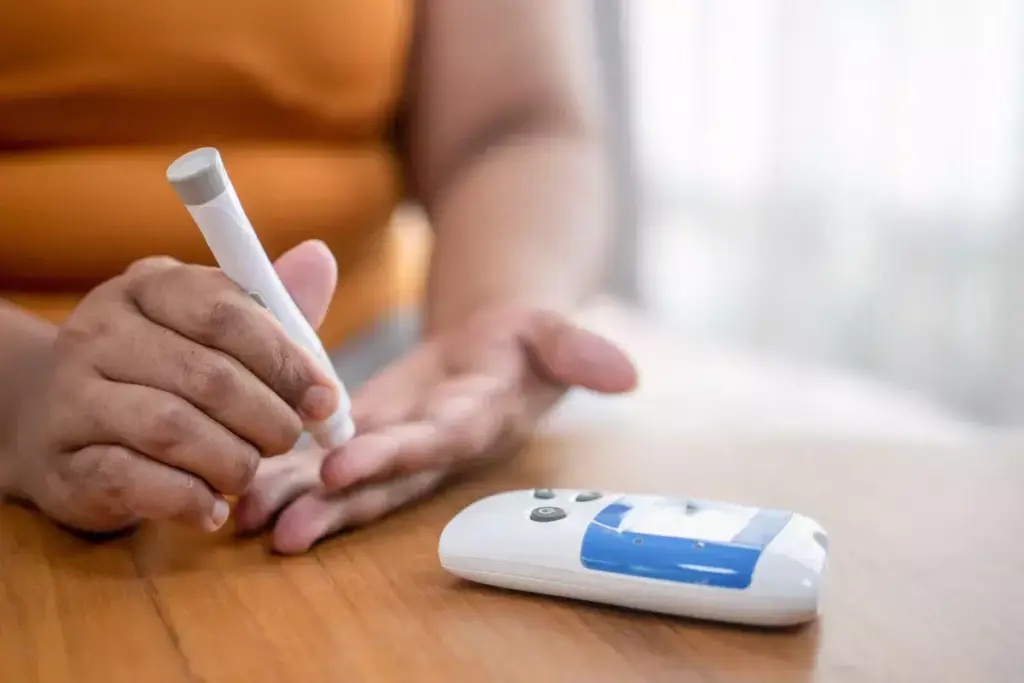
There are many short-acting insulin options available. Each has its own special features. These insulins help control blood sugar levels, mainly during meals. Knowing the differences can help people with diabetes make better choices for their care.
1. Insulin Lispro (Humalog)
Insulin Lispro, also known as Humalog, is a fast-acting insulin. It starts working in 15 minutes, peaks in about 1 hour, and lasts 2 to 4 hours. Its quick start makes it perfect for meals.
2. Insulin Aspart (NovoLog)
Insulin Aspart, or NovoLog, is another fast-acting insulin. It starts in 15-20 minutes, peaks in 1-3 hours, and lasts 3-5 hours. Its fast action helps control blood sugar after meals.
3. Insulin Glulisine (Apidra)
Insulin Glulisine, or Apidra, is a short-acting insulin. It starts in 15 minutes, peaks in 1 hour, and lasts 2-4 hours. This insulin is flexible, used before or after meals.
4. Regular Insulin (Humulin R)
Regular Insulin, or Humulin R, starts in 30 minutes. It peaks in 2 to 3 hours and lasts 3 to 6 hours. It’s slower than analogs but works well for mealtime spikes.
To understand the differences, here’s a comparison table:
| Insulin Type | Onset Time | Peak Time | Duration of Action |
| Insulin Lispro (Humalog) | 15 minutes | 1 hour | 2-4 hours |
| Insulin Aspart (NovoLog) | 15-20 minutes | 1-3 hours | 3-5 hours |
| Insulin Glulisine (Apidra) | 15 minutes | 1 hour | 2-4 hours |
| Regular Insulin (Humulin R) | 30 minutes | 2-3 hours | 3-6 hours |
Each short-acting insulin has its own profile. This allows for personalized diabetes management plans. By understanding these differences, people can better manage their blood sugar and improve their life quality.
How to Use Short Acting Insulin Effectively
Short-acting insulin is key for managing diabetes. It helps keep blood sugar levels in check. To use it well, knowing when and how to take it is important.
Proper Timing and Administration
Take short-acting insulin 15 to 30 minutes before a meal. This helps control blood sugar spikes after eating. The exact timing might change based on the insulin and your health, so always follow your doctor’s advice.
Also, change where you inject insulin to avoid lipodystrophy. Common spots include the abdomen, thighs, and buttocks.
Understanding Insulin Dosing
Getting the right dose of short-acting insulin is vital. A 10ml vial has 1000 units, with 100 units per milliliter. Your dose depends on your diet, activity, and blood sugar levels.
Here’s a table to help with dosing:
| Vial Size (ml) | Total Units | Units per ml |
| 3 | 300 | 100 |
| 5 | 500 | 100 |
| 10 | 1000 | 100 |
Combining with Other Insulin Types
Short-acting insulin is often paired with intermediate-acting or long-acting insulins. This combo helps control blood sugar all day. It makes managing diabetes easier and more effective.
For instance, you might take short-acting insulin before meals and intermediate-acting at night. The goal is to find the right mix with your doctor’s help.
Conclusion
It’s important to know about the different types of short-acting insulin for managing diabetes. The five types – Insulin Lispro (Humalog), Insulin Aspart (NovoLog), Insulin Glulisine (Apidra), and Regular Insulin (Humulin R) – help people control their blood sugar.
Knowing if regular insulin is long or short acting is key. Regular Insulin is short-acting, which is important for many diabetes plans. Knowing the names and uses of short-acting insulins helps people make better care choices.
Using short-acting insulin correctly can improve blood sugar control. This reduces the risk of diabetes problems. Short-acting insulin is a big part of a complete treatment plan, helping keep people healthy and well.
FAQ
What are short-acting insulins?
Short-acting insulins are types of insulin that start working within 30 minutes and peak in 2–3 hours, helping control blood sugar after meals.
What are the names of short-acting insulin types?
Common short-acting insulins include Regular Insulin, Humulin R, Novolin R, and other standard rapid-acting formulations.
Is Regular Insulin short-acting?
Yes, Regular Insulin is a short-acting insulin used to manage post-meal blood sugar spikes.
How many units are in a 10 ml vial of insulin?
A standard 10 ml vial contains 1000 units of insulin if it is labeled U-100, which is the most common concentration.
How do I combine short-acting insulin with other insulin types?
Short-acting insulin can be mixed with intermediate-acting insulin in the same syringe, but never mix with long-acting insulin, and follow your healthcare provider’s instructions.
What is the proper timing for administering short-acting insulin?
Short-acting insulin is usually injected 30 minutes before meals to effectively manage post-meal blood sugar spikes.
Are there any differences between the various short-acting insulin types?
Differences include onset time, peak time, and duration of action, but all are designed to manage blood sugar rises after eating.
References
National Center for Biotechnology Information. Evidence-Based Medical Insight. Retrieved from https://pmc.ncbi.nlm.nih.gov/articles/PMC8465972/