

Bacterial bowel infections are a big worry worldwide. They cause symptoms like diarrhea, fever, and stomach pain. Studies show that bacterial infections cause about 32.3% of acute diarrhea cases. Common culprits include Salmonella and Campylobacter.
It’s important to know what causes and shows these infections. At Liv Hospital, we use international medical standards and focus on the patient. We aim to treat and prevent gastrointestinal bacterial infections well, making sure you get better fast.
Key Takeaways
- Understanding bacterial bowel infections is key to managing them well.
- Bacterial infections are a big cause of acute diarrhea.
- Salmonella and Campylobacter are often found in these infections.
- Spotting symptoms early helps get medical help quickly.
- Putting the patient first is vital for good treatment.
Understanding Bacterial Bowel Infection

It’s important to know the causes and symptoms of bacterial bowel infections. These infections happen when bad bacteria get into the gut. They can cause different symptoms, from mild to severe.
Common Bacterial Pathogens
Many bacteria can cause bowel infections. Salmonella, enterotoxigenic E. coli (ETEC), and Campylobacter jejuni are common culprits. They can make you feel really sick, with symptoms like diarrhea, stomach pain, and fever.
Studies show these bacteria are big troublemakers worldwide. They’re often the main reasons for bacterial bowel infections.
Transmission and Risk Factors
Bacterial bowel infections spread through contaminated food and water, poor hygiene, and touching others. You might start feeling sick 1 to 3 days after getting infected. People with weak immune systems are more likely to get very sick.
For more on bacterial bowel infections, check out Medical organization’s page on C. difficile. It’s full of useful info on preventing and managing these infections.
Knowing how infections spread and who’s at risk helps prevent them. Keeping clean and handling food safely can lower your chances of getting sick.
5 Key Symptoms of Bacterial Bowel Infection
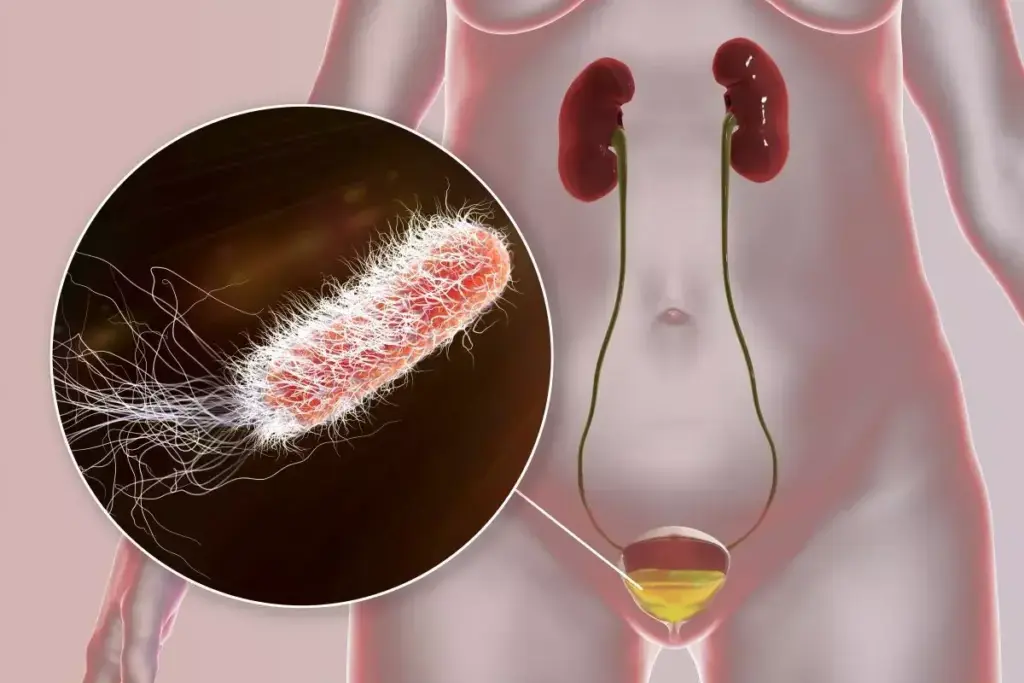
Knowing the symptoms of bacterial bowel infection is key to getting the right medical help. Infections like bacterial enteritis can cause many symptoms that affect the digestive system.
1. Diarrhea with Blood or Mucus
Diarrhea is a major symptom of bacterial bowel infection. It can also have blood or mucus. This happens because the infection inflames the stomach and intestines.
2. Fever and General Malaise
Fever is a common sign, showing the body is fighting the infection. Feeling unwell, or general malaise, often goes with fever. It shows how the infection affects the whole body.
3. Abdominal Pain and Cramping
Abdominal pain and cramping are signs of the infection’s impact. They come from the inflammation and irritation of the digestive tract. How severe it is depends on the infection and the organism causing it.
4. Nausea and Loss of Appetite
Nausea and less appetite are also symptoms. They can make dehydration and nutrient deficiencies worse if not managed well.
The symptoms of bacterial bowel infections can differ based on the cause. But they usually include a mix of the symptoms mentioned. Spotting these symptoms early is key for effective treatment and relief.
| Symptom | Description | Impact |
| Diarrhea with Blood or Mucus | Inflammation causing bloody or mucoid stools | Dehydration, discomfort |
| Fever and General Malaise | Body’s response to infection, feeling unwell | Weakness, loss of energy |
| Abdominal Pain and Cramping | Inflammation and irritation of the digestive tract | Pain, discomfort |
| Nausea and Loss of Appetite | Nausea leading to reduced appetite | Nutritional deficiencies, dehydration |
Treatment and Relief for Bacterial Bowel Infections
Dealing with bacterial bowel infections requires a mix of medical care and home remedies. Understanding the treatment options is key to managing symptoms and avoiding dehydration. For more information, visit here.
Medical Treatments and When to Seek Help
Doctors often use antibiotics to treat bacterial bowel infections. For example, Clostridioides difficile (C. diff) infections need special antibiotics. If symptoms don’t get better or get worse, it’s time to see a doctor.
Here are signs you should get medical help:
- Diarrhea that lasts more than a few days
- Bloody stools or a lot of stomach pain
- Fever over 101.5°F (38.6°C)
- Signs of dehydration, like too much thirst, dark urine, or feeling dizzy
| Symptom | Action |
| Mild Diarrhea | Stay hydrated, watch your symptoms |
| Severe Diarrhea or Bloody Stools | Get medical help right away |
| Fever above 101.5°F (38.6°C) | Talk to a doctor |
Home Care and Hydration Strategies
Home care is also important for managing bacterial bowel infections. It’s vital to stay hydrated because diarrhea and vomiting can cause a lot of fluid loss.
Here are some tips for staying hydrated:
- Drink lots of water, clear broths, or sports drinks
- Avoid caffeinated or carbonated drinks that can upset your stomach
- Try oral rehydration solutions (ORS) from pharmacies
Combining medical treatments with home care can help manage symptoms of bacterial bowel infections. This approach can also lower the chance of serious problems.
Conclusion
It’s important to know the signs of bacterial bowel infections to manage them well. We talked about symptoms like diarrhea with blood or mucus, fever, and stomach pain. These are common signs of gi bacterial infection symptoms and gastrointestinal bacteria.
Diarrhea caused by bacteria can be very uncomfortable. Knowing the causes and symptoms helps people get medical help quickly. This can prevent serious problems.
Preventing bacterial infections is key. Good hygiene and careful use of antibiotics help a lot. These steps can keep you healthy and reduce diarrhea caused by bacteria.
Understanding and recognizing bacterial bowel infection signs is a big step. With medical help, home care, and staying hydrated, you can beat these infections. This way, you can get back to feeling well.
FAQ
What is a bacterial bowel infection?
A bacterial bowel infection is when bacteria like Salmonella, ETEC, and Campylobacter infect the intestines. It’s also known as bacterial gastroenteritis or enteritis.
What are the common symptoms of bacterial bowel infection?
Symptoms include diarrhea, sometimes with blood or mucus, fever, and abdominal pain. You might also feel nauseous and lose your appetite.
How is bacterial bowel infection transmitted?
It spreads through contaminated food and water, poor hygiene, and direct contact with others.
Can bacterial bowel infection cause severe complications?
Yes, it can lead to dehydration, electrolyte imbalance, and even life-threatening conditions if not treated.
How is bacterial bowel infection treated?
Treatment involves antibiotics and home care like staying hydrated and resting.
What are some home care strategies for managing bacterial bowel infection?
Drink plenty of fluids, rest, and avoid foods that upset your stomach.
When should I seek medical help for bacterial bowel infection?
Seek medical help for severe symptoms like bloody diarrhea, high fever, or dehydration. Also, if your symptoms get worse or last too long.
How can I prevent bacterial bowel infection?
Prevent it by washing your hands often, avoiding contaminated food and water, and getting vaccinated against certain bacteria.
Can bacterial bowel infection be contagious?
Yes, it can spread through contact, contaminated food and water, or poor hygiene.
What is the role of antibiotics in treating bacterial bowel infection?
Antibiotics may be used for some bacterial infections. But, a doctor should guide their use to avoid antibiotic resistance.