
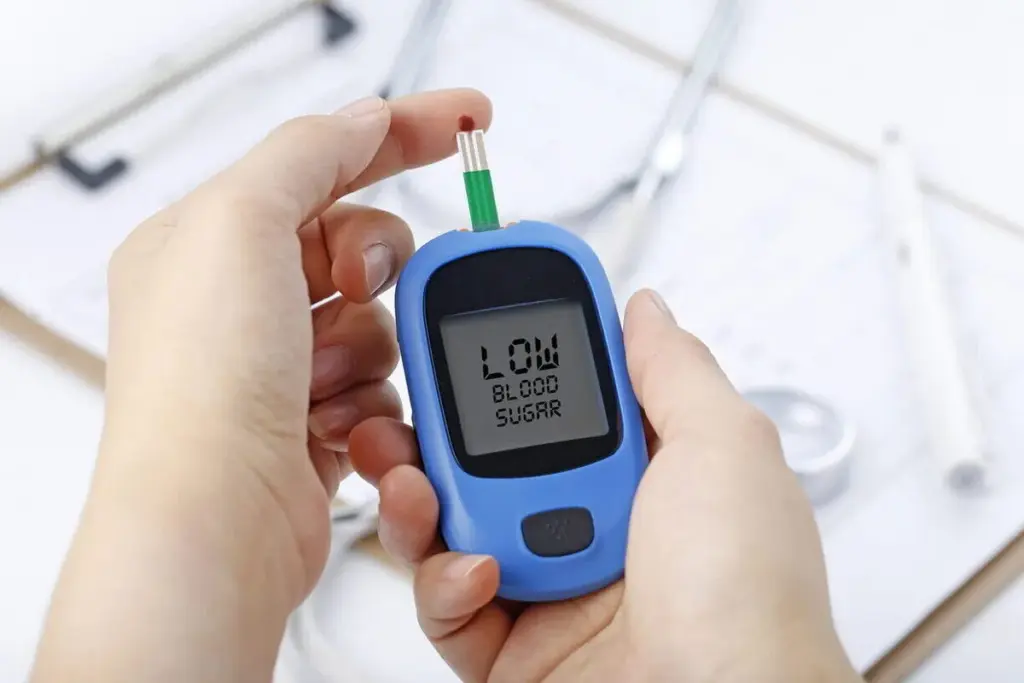
Type B insulin resistance syndrome is a rare autoimmune disorder. It causes the body to make abnormal antibodies. These antibodies block insulin receptors, stopping glucose from getting into cells. This leads to hypoglycemia and other serious health problems if not treated.
Almost 1 in 3 American adults have prediabetes due to insulin resistance. Yet, most don’t even know it. It’s important to understand the signs of Type B insulin resistance for early diagnosis and treatment.
Liv Hospital focuses on patient care. They make sure people with critical signs get the right diagnosis and treatment.
Key Takeaways
- Understanding Type B insulin resistance syndrome is key for early diagnosis.
- This rare autoimmune disorder can cause severe health issues if untreated.
- Knowing the signs is essential for quick and accurate diagnosis.
- Liv Hospital offers patient-centered care and advanced treatment options.
- Type B insulin resistance is different from common type 2 diabetes.
What Makes Type B Insulin Resistance Different from Common Diabetes
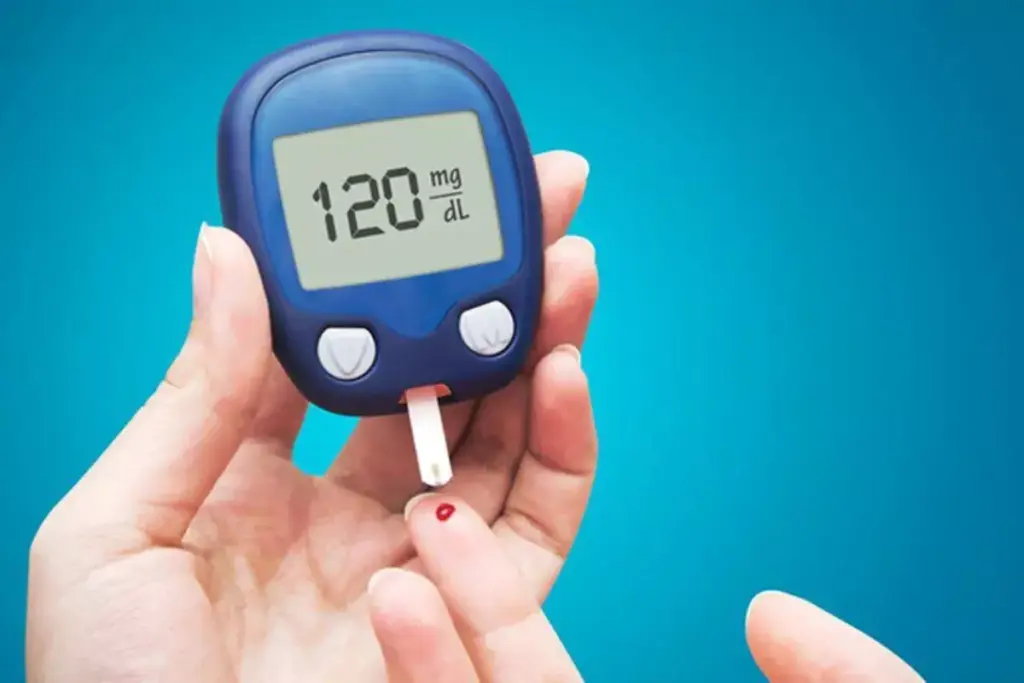
Type B insulin resistance is different because it’s caused by an autoimmune attack. This attack makes the body’s insulin receptors not work right. So, glucose can’t get into cells, causing very high blood sugar levels.
This condition is unlike Type 2 diabetes, where cells don’t respond well to insulin. Think of it like a lock and key problem. In Type 2, the lock is just rusty, but in Type B, the lock is changed, so the key can’t fit.
The body’s immune system attacks its own cells in Type B insulin resistance. This leads to problems like progressive weight loss and distinctive skin darkening patterns called acanthosis nigricans.
Knowing the difference between Type B insulin resistance and common diabetes is key. Type 2 diabetes might need lifestyle changes and meds to help insulin work better. But Type B might need stronger treatments, like immunosuppressants, to fight the autoimmune attack.
Understanding Type B insulin resistance helps doctors give better care. It shows that treating diabetes can’t be the same for everyone. More research is needed to find the best ways to help people with Type B insulin resistance.
Five Critical Warning Signs of Type B Insulin Resistance
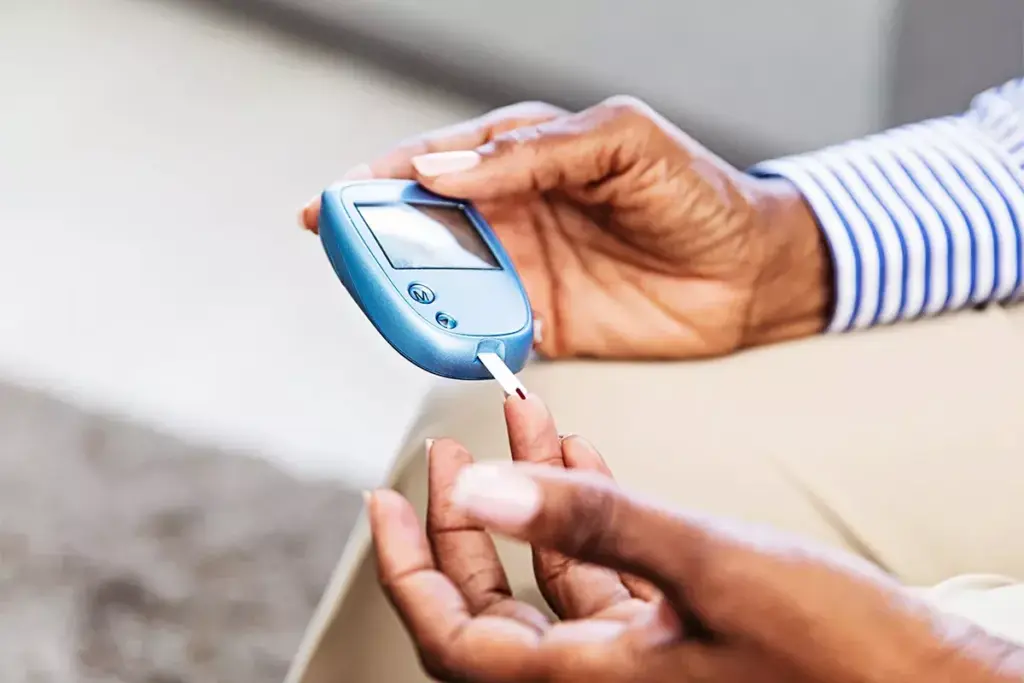
It’s important to know the five warning signs of Type B insulin resistance. This condition is rare but serious. It can cause severe high blood sugar and other problems if not treated quickly.
The signs of Type B insulin resistance are clear. They include very high blood sugar, needing a lot of insulin, losing weight even when hungry, dark skin patches, and low blood sugar episodes.
1. Extreme Hyperglycemia Requiring Exceptionally High Insulin Doses
One key sign is very high blood sugar. This often means needing a lot of insulin to control it. The body’s cells don’t take in glucose well because of insulin resistance.
High insulin doses are needed to fight this resistance. But, even these high doses might not work well. People with this condition need close monitoring and insulin dose adjustments.
2. Progressive Weight Loss with Maintained or Increased Appetite
People with Type B insulin resistance might lose weight even when eating enough. This is because their cells can’t use glucose well. It’s like their cells are starving.
This symptom is worrying. It can lead to malnutrition and make managing blood sugar harder.
3. Acanthosis Nigricans: Distinctive Skin Darkening Patterns
Acanthosis nigricans is a skin condition with dark patches. It often shows up in folds and creases. It’s linked to insulin resistance, including Type B.
Seeing acanthosis nigricans can mean there’s insulin resistance. It’s a sign to look into further and get a diagnosis.
4. Paradoxical Episodes of Insulin Resistance Low Blood Sugar
People with Type B insulin resistance can have low blood sugar. This happens even when they’re taking insulin. These low blood sugar episodes can be hard to predict.
| Warning Sign | Description | Clinical Implication |
| Extreme Hyperglycemia | High blood sugar levels requiring high insulin doses | Difficulty managing blood sugar |
| Progressive Weight Loss | Weight loss despite increased appetite | Risk of malnutrition |
| Acanthosis Nigricans | Dark skin patches in folds and creases | Indicator of insulin resistance |
| Paradoxical Low Blood Sugar | Episodes of hypoglycemia despite insulin resistance | Unpredictable blood sugar fluctuations |
Knowing these warning signs is key to managing Type B insulin resistance. Spotting them early and getting the right treatment can greatly improve health outcomes.
Demographics and Risk Factors for Type B Insulin Resistance Syndrome
It’s important to know who is at risk for Type B insulin resistance syndrome. This condition is linked to severe insulin resistance and autoimmune diseases. It has specific patterns in different groups of people.
Mostly, Type B insulin resistance syndrome hits middle-aged African American women. They are not only more likely to get it but also face more serious health issues. This is because they often have autoimmune diseases like systemic lupus erythematosus.
Key Demographics and Risk Factors:
- Age and Ethnicity: Middle-aged African American women are at a higher risk.
- Autoimmune Diseases: Having conditions like systemic lupus erythematosus raises the risk.
- Obesity and Physical Inactivity: Too much belly fat and not moving enough lead to insulin resistance.
- Family History: A family history of Type 2 diabetes is a big risk factor.
- Other Health Conditions: High blood pressure, high triglycerides, low HDL cholesterol, and polycystic ovary syndrome (PCOS) also increase the risk.
The mix of these risk factors and demographics shows how complex Type B insulin resistance syndrome is. For example, having lupus and blood sugar issues can make the condition worse. So, it’s key to keep blood sugar levels in check for those affected.
Knowing these risk factors and demographics helps doctors give better care. They understand that diabetes can be an autoimmune disease in some cases, like Type B insulin resistance syndrome. This lets them take a more complete approach to treating patients.
In summary, Type B insulin resistance syndrome is a complex condition. It’s shaped by various demographic and risk factors. Spotting and managing these early on can greatly help patients.
Conclusion
It’s important to know the signs of Type B insulin resistance early. Keeping blood sugar levels healthy is key to living long and avoiding chronic diseases. This is a big health concern.
Spotting warning signs like high blood sugar and acanthosis nigricans is the first step. Taking action, like exercising regularly and eating well, can prevent insulin resistance. This helps avoid sugar-related autoimmune issues.
Your health journey is a journey of change. By choosing healthy habits and getting medical help when needed, you can achieve wellness. You can take charge of your sugar health.
FAQ
What is Type B insulin resistance syndrome?
Type B insulin resistance syndrome is a rare autoimmune disorder where antibodies block or interfere with insulin receptors, causing severe insulin resistance.
How does Type B insulin resistance differ from common type 2 diabetes?
Unlike Type 2 diabetes, Type B insulin resistance is autoimmune, extremely severe, and often associated with other autoimmune disorders rather than lifestyle factors.
What are the key characteristics of Type B insulin resistance?
Key features include extreme insulin resistance, high blood sugar despite high insulin doses, weight loss, and sometimes episodes of low blood sugar.
Who is at risk for developing Type B insulin resistance syndrome?
It mostly affects adults, particularly women, and those with autoimmune conditions like lupus or scleroderma.
Can Type B insulin resistance be managed or treated?
Treatment includes immunosuppressive therapies, high-dose insulin if needed, and management of blood sugar fluctuations.
What is the relationship between insulin resistance and low blood sugar?
In Type B insulin resistance, antibodies can unpredictably block or mimic insulin, causing both high and low blood sugar episodes.
Is Type B insulin resistance related to other autoimmune diseases like lupus?
Yes, it is often associated with autoimmune diseases such as Systemic Lupus Erythematosus or scleroderma.
How can I identify the signs of Type B insulin resistance?
Signs include severe insulin resistance, high blood sugar despite insulin therapy, unexplained weight loss, and occasional hypoglycemia.
References
National Center for Biotechnology Information. Evidence-Based Medical Insight. Retrieved from https://pmc.ncbi.nlm.nih.gov/articles/PMC8465972/