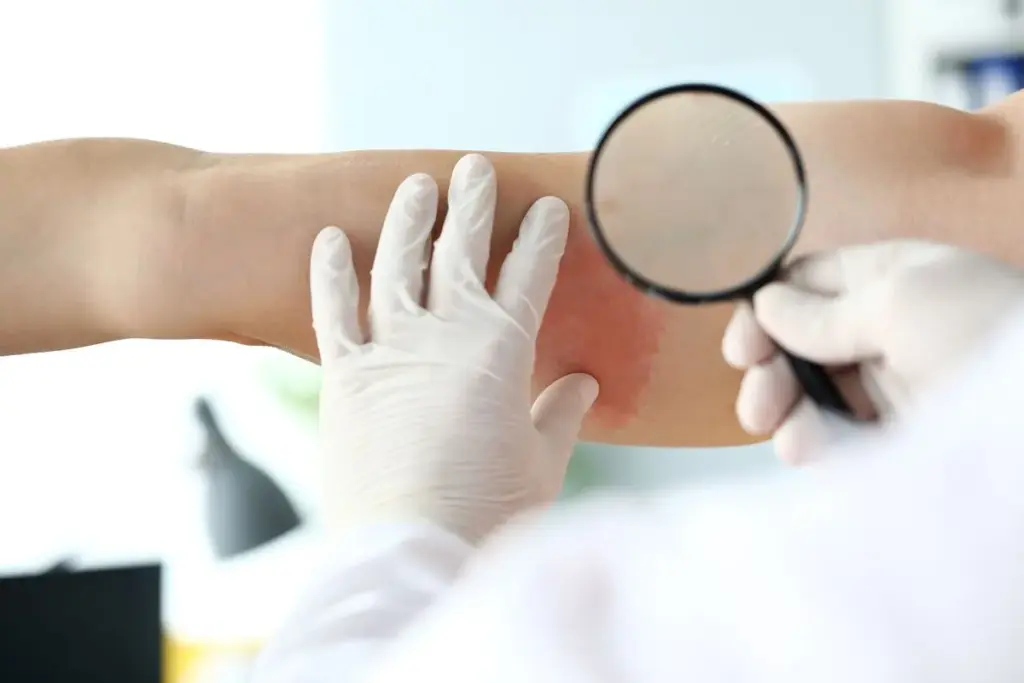
Shingles, also known as herpes zoster, affects nearly one million Americans each year. It happens when the varicella-zoster virus, which causes chickenpox, comes back to life. Knowing how shingles progresses is key to managing symptoms and getting the right medical help.
The condition goes through clear stages over weeks. At Liv Hospital, we focus on patient care with the latest medical standards. Our team aims to help you understand and handle your condition well. For more on managing shingles pain, check out Medical News Today.
Key Takeaways
- Shingles usually lasts between 3 and 5 weeks.
- The condition goes through clear stages, starting with tingling.
- Symptoms like pain and blisters can show up for up to 10 days.
- Crusting and scabbing can last up to 5 weeks.
- Knowing the stages helps manage symptoms better.
What Is Shingles and How Does It Develop
Shingles, also known as herpes zoster, is a viral infection. It happens when the varicella-zoster virus, which causes chickenpox, wakes up again in the body. This wake-up call leads to a painful rash, usually on one side of the body. Knowing how shingles develops is key to managing its symptoms and avoiding complications.
The Varicella-Zoster Virus Connection
The varicella-zoster virus is central to shingles. After you get over chickenpox, the virus stays hidden in your nerve cells. Years later, it can wake up, traveling down the nerves to cause shingles. This usually happens when your immune system is weak, you’re stressed, or have certain health issues.
The prodromal stage is when you first feel tingling, burning, and itching. It lasts about 1 to 5 days before the rash shows up. This stage is a big warning sign that the virus is coming back.
Why Shingles Affects One Side of the Body
Shingles usually hits one side of the body because the varicella-zoster virus wakes up in a specific nerve root. Each nerve root covers a certain area of skin. The rash from shingles follows this area, making it appear on one side of the body.
Risk Factors and Triggers
Several things can up your risk of shingles. Being older, having a weak immune system, and certain health issues are big risk factors. Older people are more at risk because their immune system gets weaker with age. People with HIV/AIDS or going through chemotherapy are also at higher risk.
- Age over 50
- Weakened immune system
- Certain medical conditions like cancer or autoimmune diseases
- Stress
Knowing these risk factors and triggers helps you take steps to prevent shingles. It also means getting medical help if you start showing symptoms.
The 5 Stages of Shingles Rash: Day-by-Day Progression
Knowing how shingles progresses is key to managing its symptoms well. Shingles happens when the varicella-zoster virus reactivates. It goes through different stages. We’ll look at each stage to help you understand what to expect and how to handle it.
Stage 1: Prodromal Phase (Days 1-5)
The first stage of shingles is the prodromal phase. It starts with tingling, burning, or numbness in one area of the body. You might also feel fever, headache, and fatigue. The pain can be mild or severe and might itch or feel uncomfortable.
Stage 2: Eruptive/Blistering Phase (Days 5-10)
Next, shingles moves to the eruptive or blistering phase. Red patches turn into fluid-filled blisters 5 to 10 days after the first symptoms. These blisters can hurt and itch. It’s important not to scratch them to avoid infection. Keeping the area clean and dry helps manage symptoms, as medical resources suggest.
- The blisters usually stay on one side of the body.
- The rash might make you more sensitive to touch.
- Avoid scratching to prevent bacterial infection.
Stage 3: Crusting Phase (Days 7-21)
In the crusting phase, the blisters start to crust over and eventually fall off. This is the start of healing. This phase can last from days 7 to 21 after the rash starts. Keep the area clean and avoid picking at the crusts to help it heal properly.
“The crusting phase is a critical part of the healing process, as it protects the skin from infection and allows new skin to form.”
– Medical Expert
By knowing these stages, you can better manage your symptoms and get medical help when needed. Shingles rash progression is complex, but being informed can greatly help your recovery.
Complete Healing Timeline and Recovery Process
Understanding the healing timeline from shingles is key. The recovery has several stages, each with its own challenges.
The healing phase lasts from 2 to 6 weeks after the rash starts. During this time, the skin starts to look normal again. The healing stage is gradual, and patience is essential.
Stage 4: Healing Phase (Weeks 2-6)
In the healing phase, the rash changes a lot. The blisters crust over, and the skin starts to repair. It’s important to keep the area clean and dry to avoid infection. As one expert notes,
“Proper wound care is vital during the healing phase to prevent complications and promote recovery.”
As the skin heals, itching and discomfort are common. Applying gentle, fragrance-free moisturizers can help soothe the skin. It’s also important to avoid scratching to prevent further irritation and infection.
Stage 5: Postherpetic Neuralgia (Months to Years)
For some, the pain from shingles lasts long after the rash heals, known as postherpetic neuralgia (PHN). PHN is a tough complication that can last months or years. Understanding the risks and management options for PHN is vital for effective long-term care.
Managing PHN requires a mix of treatments, lifestyle changes, and alternative therapies. It’s important to work closely with healthcare providers to create a personalized treatment plan. As we emphasize the importance of complete care,
“A proactive approach to managing PHN can significantly improve quality of life.”
By understanding the healing timeline and recovery process, people can better handle shingles and PHN. This knowledge helps patients take an active role in their recovery, seeking medical help when needed.
Conclusion: Supporting Your Recovery Journey
Knowing how long shingles lasts and its stages is key for those dealing with it. Recognizing these stages helps people recover better.
The fifth stage, postherpetic neuralgia, hits 10 to 18 percent of patients, mostly over 50. It causes long-lasting nerve pain. Knowing the signs of healing and what to expect can help manage symptoms.
Getting medical help quickly is vital if symptoms don’t get better or get worse. This ensures the right care and support during recovery. Being aware of the shingles recovery stages is essential for a smooth recovery.
FAQ
What are the stages of shingles rash?
The stages of shingles rash are: prodromal phase, eruptive/blistering phase, crusting phase, healing phase, and postherpetic neuralgia.
How long does it take for shingles to heal?
Shingles healing takes several weeks. The rash crusts over and falls off in 2-6 weeks. But, some people face long-lasting pain, called postherpetic neuralgia, for months or years.
What is the most painful stage of shingles?
The eruptive/blistering phase is the most painful. This is when the rash and blisters form.
Why does shingles affect one side of the body?
Shingles affects one side because the virus reactivates in specific nerve tissue. This causes the rash to appear on that side.
What are the risk factors and triggers for shingles?
Risk factors include a weakened immune system, stress, and certain medical conditions. Knowing these can help prevent or manage shingles.
How can I manage my shingles symptoms?
To manage symptoms, seek medical help early. Use antiviral meds and practice good wound care. This helps heal and reduces complications.
What is postherpetic neuralgia, and how is it treated?
Postherpetic neuralgia is long-lasting pain after shingles. It’s treated with pain meds, nerve blocks, and other methods to manage pain.
Can shingles be treated, and what are the treatment options?
Yes, shingles can be treated. Options include antiviral meds, pain meds, and other interventions to manage symptoms and aid healing.
References
National Center for Biotechnology Information. Evidence-Based Medical Guidance. Retrieved from https://www.ncbi.nlm.nih.gov/books/NBK441824/**[8