It’s important for healthcare workers and patients to know about contagious illnesses. From 1996 to 2023, there were 3013 global outbreak events. This shows how big a challenge infectious diseases are worldwide.
We will look at over 50 infectious conditions. These range from common colds to rare and serious diseases. This guide will give you a detailed look at different infections, how they spread, and their impact globally.
Key Takeaways
- Understanding the global impact of infectious diseases is key for healthcare and patients.
- Over 50 infectious conditions will be explored in this guide.
- The guide covers many infections, from common colds to rare diseases.
- Knowing how infections spread is important to fight these health threats.
- Between 1996 and 2023, there were 3013 global outbreak events.
Understanding Infectious Diseases and Their Global Impact

It’s key to know about infectious diseases to make good health plans. These diseases come from harmful germs like bacteria, viruses, fungi, and parasites. They can spread from person to person or through bugs like mosquitoes and ticks. This affects everyone, no matter their age or background.
Definition and Classification of Contagious Illnesses
We sort infectious diseases into four groups: bacterial, viral, fungal, and parasitic. Bacterial infections are from bacteria, like tuberculosis and pneumonia. Viral infections come from viruses, such as the flu and HIV. Fungal infections are from fungi, like candidiasis. And parasitic infections are from parasites, like malaria.
Knowing how to classify these diseases helps doctors find the right treatments. For example, antibiotics fight bacterial infections, while antiviral meds are for viruses. This knowledge helps doctors target their treatments better.
Global Outbreak Statistics (1996-2023)
Looking at global outbreak data gives us clues on how often and how big these diseases are. There have been many big outbreaks in recent years.
| Disease | Number of Outbreaks | Average Cases per Outbreak |
| Influenza | 25 | 1,500 |
| Dengue Fever | 30 | 2,000 |
| COVID-19 | 5 | 1,000,000 |
The table shows the number of outbreaks and average cases for some diseases from 1996 to 2023. COVID-19 has had a big impact, with lots of cases. Knowing these numbers helps us plan for health issues better.
By studying global outbreak data and knowing how to classify diseases, we can get ready for health threats. This helps us make better plans to prevent and treat diseases. It also helps reduce the big problem of infectious diseases worldwide.
Comprehensive Infectious Diseases List by Pathogen Type

We sort infectious diseases into types based on their cause. This helps us understand their effect on health worldwide. It’s key for making better prevention and treatment plans.
Bacterial Infections
Bacterial infections come from different bacteria. Some are highly contagious and life-threatening. Here are a few examples:
- Tuberculosis (TB)
- Pneumonia
- Urinary Tract Infections (UTIs)
- Strep Throat
The World Health Organization (WHO) says TB is among the top 10 causes of death globally. This shows we need to keep working on research and public health efforts.
Viral Infections
Viral infections are caused by viruses that need to be inside host cells to grow. Some well-known ones are:
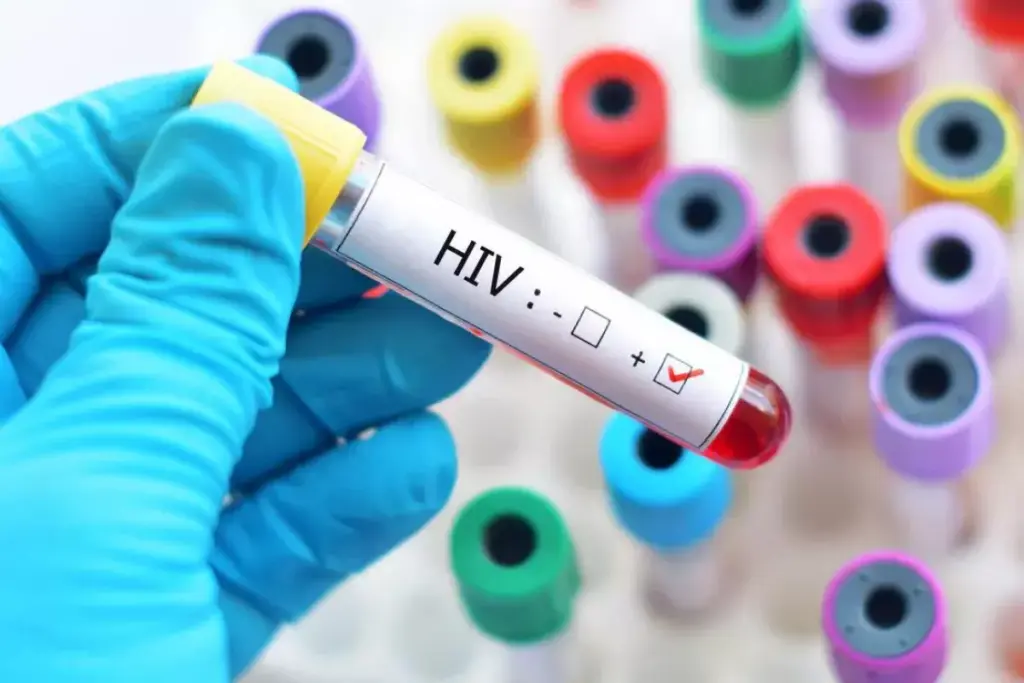
- Human Immunodeficiency Virus (HIV)
- Influenza
- Hepatitis
- COVID-19
World Health Organization
Fungal Infections
Fungal infections are not as contagious as bacterial or viral ones but can be serious, mainly for those with weak immune systems. Here are a few examples:
- Candidiasis
- Aspergillosis
- Histoplasmosis
Fungal infections are a big challenge in healthcare, mostly for those with immune issues.
Parasitic Infections
Parasitic infections come from parasites, which can be protozoan or helminthic. Some examples are:
- Malaria
- Toxoplasmosis
- Hookworm infections
| Pathogen Type | Disease Examples | Transmission Method |
| Bacterial | TB, Pneumonia | Airborne, Close Contact |
| Viral | HIV, Influenza | Bodily Fluids, Airborne |
| Fungal | Candidiasis, Aspergillosis | Inhalation, Contaminated Surfaces |
| Parasitic | Malaria, Toxoplasmosis | Vector-borne, Contaminated Food/Water |
Knowing the different types of infectious diseases and how they spread is key for good public health plans.
Transmission Methods of Infectious Diseases List
It’s important to know how infectious diseases spread. This knowledge helps us prevent outbreaks. There are many ways diseases can be transmitted.
Respiratory Transmission (Airborne and Droplet)
Respiratory transmission happens when pathogens spread through the air. This can be through airborne or droplet transmission. Airborne transmission involves tiny particles that stay in the air for a long time. Droplet transmission involves larger particles, like those expelled when we cough or sneeze.
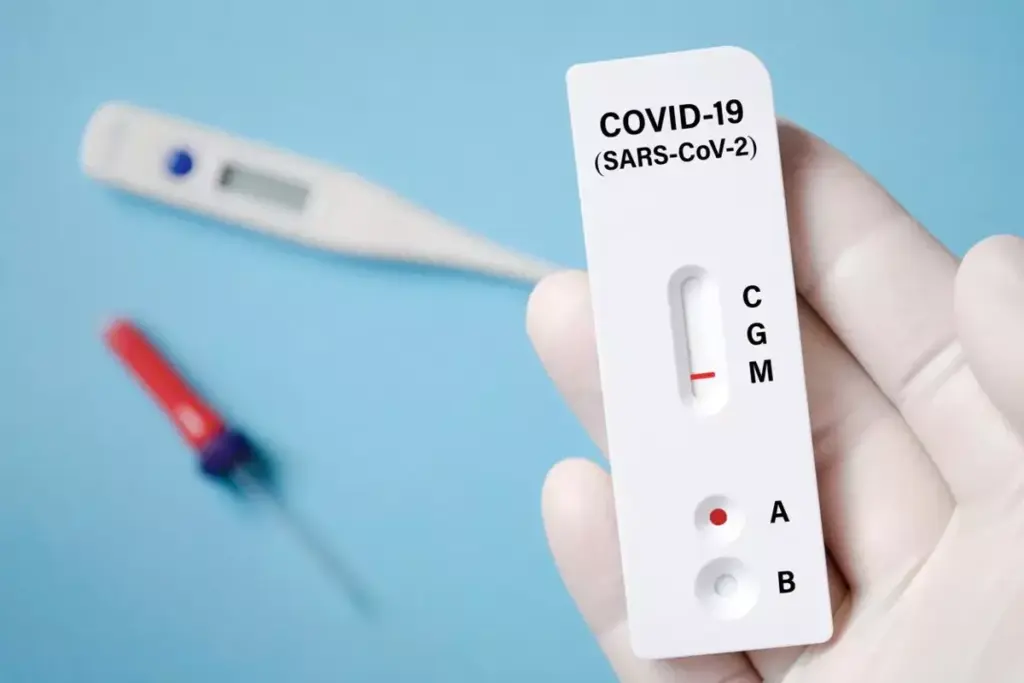
Diseases like influenza, tuberculosis, and COVID-19 spread through the air. The COVID-19 pandemic has shown us how critical it is to understand this.
Vector-Borne Transmission (Mosquitoes and Ticks)
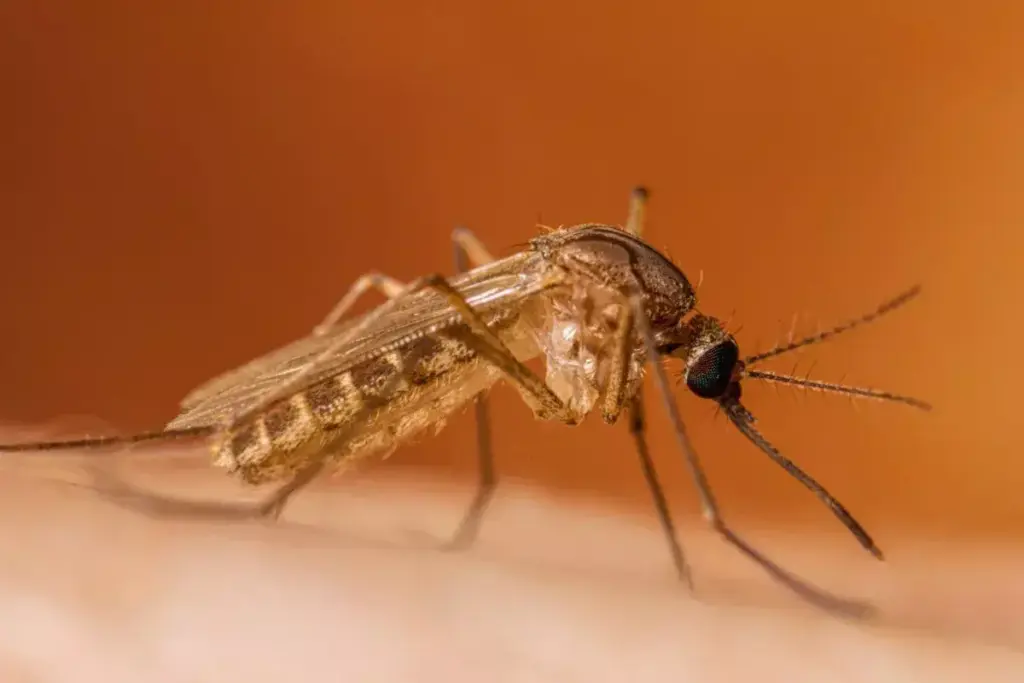
Vector-borne transmission happens when pathogens are spread by vectors like mosquitoes and ticks. These vectors carry diseases such as malaria, dengue fever, and Lyme disease. It’s important to know how vectors spread diseases to prevent them.
For example, getting rid of standing water around homes can help fight mosquito-borne diseases.
Foodborne and Waterborne Transmission
Foodborne and waterborne transmission happen when we eat or drink contaminated food or water. Diseases like salmonella, E. coli, and cholera spread this way. It’s key to handle food safely and treat water properly to prevent these infections.
As the SA Health department says, “safe food handling practices can significantly reduce the risk of foodborne illness.”
Direct Contact and Bodily Fluid Transmission
Direct contact transmission happens when we touch an infected person. Bodily fluid transmission involves touching infected bodily fluids. Diseases like HIV, hepatitis B, and herpes simplex spread through these ways.
Practicing good hygiene and using protective gear can help stop these diseases from spreading.
Knowing how diseases spread helps us create better prevention plans. This knowledge is vital for keeping everyone healthy and preventing outbreaks.
Conclusion: Emerging Threats and Prevention Strategies
Understanding infectious diseases is key in today’s world. We must keep up with new threats and use good prevention methods. The recent outbreaks of H5N1 bird flu and mpox show we need to be careful and act fast.
The Centers for Disease Control and Prevention (CDC) has a detailed list of communicable diseases. This list helps us know about different infectious diseases. Knowing about these diseases helps us see why prevention is so important.
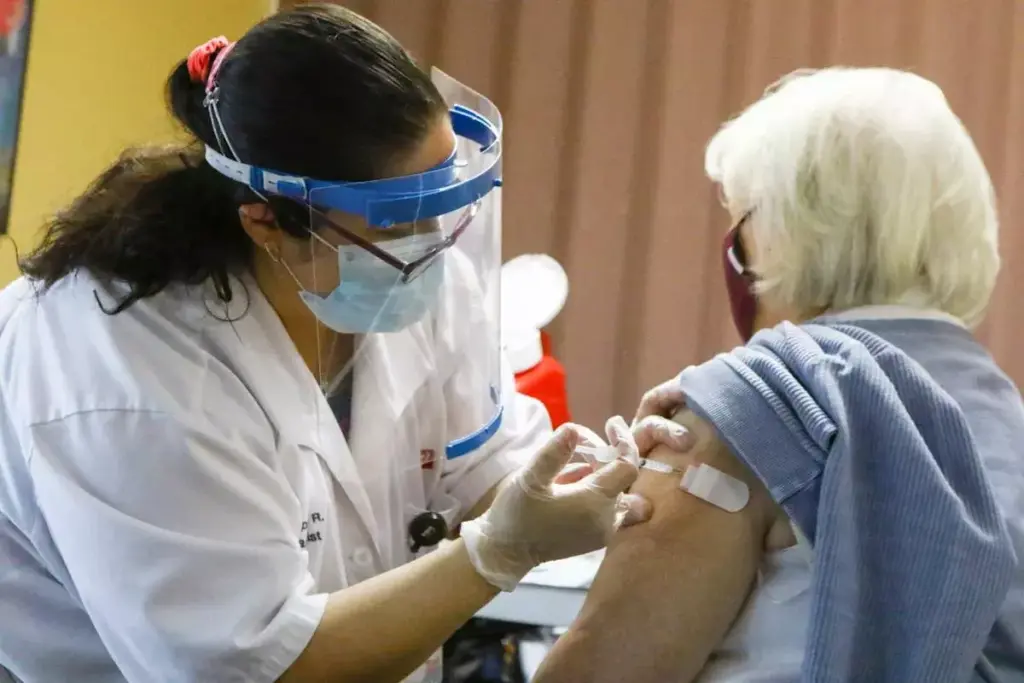
Prevention is critical, including vaccines, good hygiene, and controlling vectors. We need to watch for new threats and update our prevention plans. This way, we can stay ahead of infectious diseases.
By working together and staying informed, we can lower the number of infectious diseases. This makes our world a safer and healthier place for everyone.
FAQ
What are infectious diseases?
Infectious diseases are caused by pathogens like bacteria, viruses, fungi, and parasites. They invade our bodies and can affect global health. We’ll look at different types and their effects.
How are infectious diseases transmitted?
Diseases spread in many ways. This includes breathing in germs, being bitten by insects, and touching contaminated food or water. Knowing how they spread helps us prevent them.
What are some examples of bacterial infections?
Bacterial infections include tuberculosis, pneumonia, and urinary tract infections. These are key examples in our list of infectious diseases.
What are the most common viral infections?
Common viral infections are influenza, HIV, and viral hepatitis. We cover these in our list, discussing their impact and characteristics.
How can I prevent the spread of infectious diseases?
To prevent diseases, wash your hands often, get vaccinated, and avoid sick people. Also, protect yourself from insects that carry diseases.
What are some emerging threats in the realm of infectious diseases?
New diseases like COVID-19 and growing resistance to antibiotics are threats. It’s vital to stay informed and take action to fight these dangers.
Where can I find a complete list of infectious diseases?
Our article lists all infectious diseases by type. This includes bacterial, viral, fungal, and parasitic infections.
What is the global impact of infectious diseases?
Infectious diseases cause millions of deaths and illnesses worldwide. We share data on global outbreaks from 1996 to 2023, focusing on common diseases.
How are fungal infections transmitted?
Fungal infections spread through spores in the air, touching contaminated surfaces, or through broken skin. Examples include ringworm and candidiasis.
What are some examples of parasitic infections?
Parasitic infections include malaria, toxoplasmosis, and giardiasis. These are important in our list, and we discuss their effects and global presence.
Can infectious diseases be treated?
Yes, many diseases can be treated with medicines like antibiotics or antivirals. But, treatment success depends on the disease and the pathogen.
References
National Center for Biotechnology Information. Evidence-Based Medical Insight. Retrieved from https://pubmed.ncbi.nlm.nih.gov/40375732/