Missing front teeth can really affect your smile and how you feel about yourself. But, there are now good ways to fix this. A 6 tooth bridge for front teeth is a reliable way to replace missing teeth. It makes your smile look natural again and lets you eat and talk with ease. Complete guide to the procedure and considerations for getting a 6 tooth bridge for aesthetic and functional restoration.
At Liv Hospital, we aim to give you a smile that’s both beautiful and functional. A 6-unit bridge, or canine-to-canine bridge, can replace up to six teeth. It’s held in place by teeth next to it or dental implants.
Key Takeaways
- A 6 tooth bridge is a dental restoration option for replacing multiple missing front teeth.
- This procedure restores both the aesthetic appearance and functional ability of your smile.
- Liv Hospital offers international standards of dental care and patient-centered support.
- The 6-unit bridge is anchored to adjacent natural teeth or dental implants.
- This solution can significantly boost your confidence in your smile and overall quality of life.
What Is a 6 Tooth Bridge and How Does It Work

The 6 tooth bridge is a complex dental solution for those with big gaps in their front teeth. It’s great for fixing smiles when many front teeth are gone.
Definition and Purpose of Front Teeth Bridges
A front teeth bridge, like a 6 tooth bridge, fills gaps in the front of the mouth. Its main goal is to make your smile look natural again and help you chew better.
Anatomy of a Canine-to-Canine Bridge
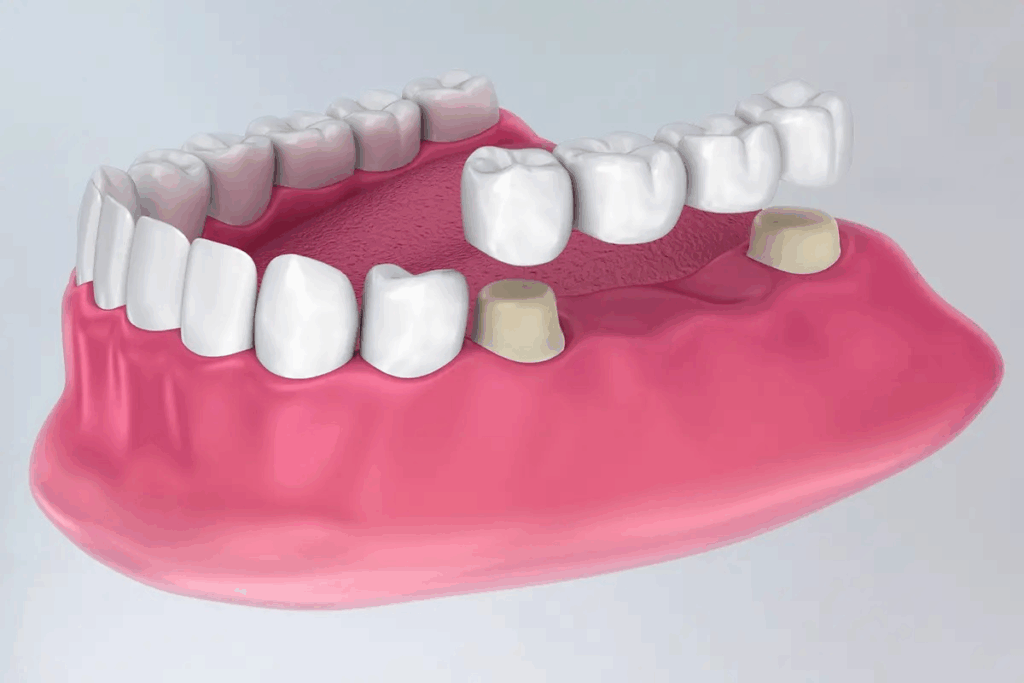
A canine-to-canine bridge is a special 6 tooth bridge. It goes from one canine tooth to the other, covering the front teeth area. It has many fake teeth held up by two or more real teeth or implants.
How Dental Bridges Are Anchored
Dental bridges attach to the teeth next to the missing ones or implants. The teeth are shaped to fit crowns that hold up the bridge.
Component | Description | Benefit |
Abutment Teeth/Crowns | Teeth prepared to support the bridge | Provides stable support for the bridge |
Pontics | False teeth replacing missing teeth | Restores aesthetic appearance |
Bridge Framework | Structure connecting abutments and pontics | Ensures durability and stability |
When a 6 Tooth Bridge Is Recommended for Front Teeth
[Add image here]
A 6 tooth bridge is often suggested when many front teeth are lost. It offers a strong and attractive fix. Losing front teeth can be upsetting, affecting looks and how well you eat and feel about yourself.
Common Scenarios Requiring Multiple Front Teeth Replacement
There are many times when a 6 tooth bridge is the best choice. These include:
- Trauma or injury causing the loss of many front teeth
- Advanced gum disease leading to the loss of several teeth in a row
- Birth defects where many teeth are missing or not formed right
- Dental decay or other issues that harm many front teeth
In these cases, a 6-unit bridge can make your front teeth look and work like new. It can also make your smile better and improve your life.
Advantages of Choosing a 6-Unit Bridge
Choosing a 6 tooth bridge has many benefits. A big plus is getting a smile that looks natural, which can really boost your self-confidence. Also, a 6-unit bridge:
- Offers a strong and lasting fix for missing teeth
- Helps keep the face’s shape by stopping the collapse of tissues around it
- Improves chewing, letting you eat a wider variety of foods
- Can be made to match the color and feel of your other teeth
Ideal Candidates for Front Teeth Bridges
Not everyone is right for a 6 tooth bridge. Ideal candidates are those who:
- Have good oral health, with no big gum disease or tooth decay
- Have enough bone to hold the bridge
- Are serious about keeping their mouth clean
- Have realistic hopes for the results of the procedure
We help our patients decide if a 6 tooth bridge is right for them. We make sure they get the best care and results.
Types of 6 Tooth Bridges Available
There are several types of 6 tooth bridges for replacing front teeth. Each has its own benefits. The right choice depends on your oral health, the state of your teeth, and what you prefer.
Traditional Fixed Bridges
Traditional fixed bridges are a popular choice for missing front teeth. They are attached to the teeth next to the gap. They are stable and look natural. But, they do require changing the teeth next to the gap.
Implant-Supported Bridges
Implant-supported bridges use dental implants as anchors. They’re great for those with many missing teeth. They keep the teeth next to the gap healthy and are very stable. Though they cost more and take longer, they last a long time.
Maryland (Resin-Bonded) Bridges
Maryland bridges are a less invasive option. They’re attached to the back of teeth using a metal or porcelain framework. They’re good for those who don’t want to change their teeth much. But, they’re not as strong and need good oral hygiene.
Cantilever Bridges
Cantilever bridges are used when there are teeth on only one side of the gap. They’re anchored to one side. They’re not as common but used when other options fail. Their success depends on the teeth they’re attached to and your overall oral health.
Knowing about the different 6 tooth bridges helps you make a better choice. Talking to a dentist can help find the best option for you.
Materials Used for 6 Tooth Bridge Construction
Choosing the right material for a 6 tooth bridge is key. It must balance looks and function. The material affects the bridge’s strength, appearance, and success.
Porcelain and Ceramic Options
Porcelain and ceramic are top picks for dental bridges. They look natural and can match the color of your teeth. These materials make bridges that look almost like real teeth.
Advantages of Porcelain and Ceramic:
- Highly aesthetic and can be color-matched
- Biocompatible and gentle on surrounding tissues
- Can be used for both anterior and posterior bridges
Zirconium Bridges
Zirconium is a strong, durable material for dental bridges. It’s perfect for longer bridges because of its strength.
Benefits of Zirconium:
- High strength and durability
- Can be used for longer-span bridges
- Aesthetic options available
Porcelain-Fused-to-Metal Bridges
Porcelain-fused-to-metal (PFM) bridges mix metal strength with porcelain’s beauty. They’re flexible and work well for many dental needs.
Key Features of PFM Bridges:
- Strong metal substructure
- Aesthetic porcelain layer
- Versatile and widely applicable
Choosing the Right Material for Your Needs
Choosing a material for a 6 tooth bridge depends on several things. These include your looks preferences, where the bridge will go, and your budget. Your dentist can guide you to the best material for you.
Considerations for Material Selection:
- Aesthetic requirements
- Durability and strength needs
- Budget considerations
The Consultation and Planning Process
A successful 6 unit bridge front teeth procedure starts with a detailed consultation and planning. We work closely with you to understand your needs and preferences. This ensures the final result meets your expectations.
Initial Dental Examination
The process begins with a thorough dental examination. We check the health of your gums, teeth, and overall mouth to find the best treatment. This may include X-rays and other tests to get detailed information about your teeth.
Discussing Your Aesthetic Goals
It’s important to understand your aesthetic goals for the 6 unit bridge. We listen to your preferences and concerns to create a smile you’ll love. This helps us tailor the treatment to your needs.
Digital Smile Design and Treatment Planning
We use advanced digital smile design technology for a precise plan. This involves making a digital model of your smile. It lets us see the final result and make adjustments before starting.
Questions to Ask Your Dentist
It’s important to ask questions during your consultation. This ensures you understand your treatment. Some key questions include:
- What are the risks and benefits of a 6 unit bridge?
- How long will the procedure take, and how long will I need to recover?
- What are the costs, and what financing options are available?
- Can I see before-and-after photos of previous patients?
By the end of the consultation and planning, you’ll know what to expect. This teamwork ensures we’re both on the same page for the best smile outcome.
Preparing for Your 6 Tooth Bridge Procedure
Before getting a 6 tooth bridge, you need to prepare. This step is key for a successful dental bridge. It includes many assessments and treatments.
Pre-Procedure Dental Work
Getting your mouth ready for the bridge is important. This might include:
- Deep cleaning to remove plaque and tartar
- Fillings or root canals for decay or infection
- Extractions if teeth are too damaged
These steps make sure your mouth is healthy for the bridge.
What to Expect During Abutment Preparation
Abutment preparation is a big part of the bridge process. It shapes the teeth next to the gap to hold the bridge. This needs to be done carefully for a good fit and comfort.
Abutment preparation includes:
- Local anesthesia for comfort
- Shaping the teeth for the bridge
- Impressions for the bridge
The Temporary Bridge Phase
After preparing the teeth, a temporary bridge is put in. It protects your gums and looks like your natural teeth. It stays in until the permanent bridge is ready.
Timeline for the Complete Process
The time it takes for a 6 tooth bridge varies. But here’s a general idea:
Procedure Step | Typical Timeline |
Initial Consultation | 1 visit |
Abutment Preparation and Temporary Bridge | 1-2 visits |
Bridge Fabrication | 2-4 weeks |
Permanent Bridge Placement | 1 visit |
Knowing the timeline and what to expect can make things easier. It helps you feel more prepared for the bridge process.
The Bridge Fabrication and Placement Process
Making a 6 tooth bridge is a detailed process. It needs precision and care. It goes from taking dental impressions to cementing the bridge in place.
Taking Dental Impressions
The first step is taking dental impressions. We use top-notch materials to get your teeth and gums right. These impressions guide us in making your custom bridge.
Getting the impressions right is key for a good fit and comfort. Our team makes sure to capture every detail. This includes the shape of your teeth and the space between them.
Customizing Your Bridge’s Appearance
With your impressions in hand, we start making your bridge look right. Our techs work with you to match the color, shape, and size of your teeth. We use advanced tech and quality materials for a natural look and function.
We also think about what you like, to make sure you’re happy with your smile.
Laboratory Fabrication Timeline
Your bridge is made in a dental lab. Our skilled team uses your impressions to create a bridge just for you. It takes a few weeks, and you might get a temporary bridge to keep things looking good.
We make sure the lab does a great job. They use materials that last and look good too.
Fitting and Final Cementation
When your bridge is ready, we fit it. We check how it looks and feels, making any needed changes. This ensures it’s comfortable and natural.
Once it fits perfectly, we cement it in place. We use special cement that keeps it secure for a long time. This way, your bridge stays in place for years.
Recovery and Adjustment Period After Getting a 6 Tooth Bridge
After getting a 6 tooth bridge, the focus is on recovery and adjustment. This is a key time for the best results. It’s both exciting and challenging as you get used to your new smile.
What to Expect in the First Few Days
In the first days, you might feel some discomfort, sensitivity, or mild pain. This is normal as your mouth heals. Eating soft foods helps avoid gum and bridge irritation.
You might notice changes in how you speak and chew. Your mouth is adjusting to the new dental work. This is a temporary change.
Managing Discomfort and Sensitivity
To handle discomfort or sensitivity, use over-the-counter pain relievers as directed. Avoid very hot or cold foods and drinks until your mouth adjusts.
“The key to a successful recovery is patience and proper care. Your new 6 tooth bridge is an investment in your oral health and overall well-being.”
— Medical Expert, Prosthodontist
Adapting to Your New Bridge
Getting used to your new 6 tooth bridge means adjusting to its feel and learning how to clean it. We’ll give you detailed care instructions to keep it lasting long.
Tips for Adapting | Description |
Proper Cleaning | Use a soft-bristled toothbrush and interdental brushes to clean around and under the bridge. |
Eating Habits | Avoid chewing on hard objects or sticky foods that can dislodge or damage the bridge. |
Regular Check-ups | Visit your dentist regularly for check-ups to ensure the bridge remains in good condition. |
When to Contact Your Dentist
If you have persistent pain, significant sensitivity, or notice any issues with your 6 tooth bridge, contact your dentist right away. We’re here to support you during your recovery and adjustment.
By following these guidelines and staying in touch with your dental team, you can have a smooth recovery after getting a 6 tooth bridge.
Long-Term Care for Your 6 Tooth Bridge
To keep your 6 tooth bridge in top shape, follow a strict care routine. This not only keeps your bridge looking good but also makes it last longer and work better.
Daily Cleaning Techniques and Tools
Cleaning your 6 tooth bridge every day is key. Use a soft-bristled toothbrush and fluoride toothpaste to gently clean around and under it. Also, using an antibacterial mouthwash daily can help fight plaque and gum disease.
- Use a soft-bristled toothbrush to avoid damaging the bridge or surrounding gums.
- Clean under the bridge using specialized tools like interdental brushes or a water flosser.
- Antibacterial mouthwash can help in reducing plaque and gingivitis.
Foods to Avoid with Front Teeth Bridges
Some foods can harm your 6 tooth bridge. Staying away from these foods can help keep your bridge safe and in good shape.
- Hard foods like nuts, ice, or hard candy that can chip or crack the bridge.
- Sticky foods like caramel or chewing gum that can dislodge the bridge.
- Foods that stain, such as coffee, tea, or red wine, which can affect the appearance of your bridge.
Regular Dental Check-ups
Going to the dentist regularly is important for your 6 tooth bridge. These visits let your dentist check on the bridge and make any needed changes.
At these check-ups, your dentist will:
- Inspect the bridge for any signs of wear or damage.
- Clean the bridge professionally to remove any plaque or tartar.
- Check the health of the surrounding gums and teeth.
Signs of Problems to Watch For
Knowing the signs of problems can help you catch issues early. If you see any of these signs, call your dentist:
- Discomfort or pain around the bridge.
- Looseness of the bridge.
- Changes in the fit or appearance of the bridge.
By following these tips and keeping in touch with your dentist, you can enjoy a healthy, functional, and beautiful 6 tooth bridge for many years.
Cost Considerations and Insurance for a 6 Unit Bridge Front Teeth
Knowing the cost of dental care is key to good oral health. A 6 unit bridge for front teeth has many cost factors.
Average Price Range in the United States
The price of a 6 unit bridge varies in the U.S. It depends on where you are, the dentist’s skill, and the materials. On average, it costs between $3,000 to $6,000 for a quality bridge.
Factors That Affect the Cost
Several things can change the price of a 6 unit bridge. These include:
- The type of material used (porcelain, ceramic, zirconium, or porcelain-fused-to-metal)
- The complexity of the procedure
- The dentist’s or prosthodontist’s level of expertise
- Geographic location
- Additional procedures required (e.g., bone grafting, extractions)
Insurance Coverage Options
Dental insurance can help with the cost of a 6 unit bridge. Many plans cover part of the cost. But, how much varies a lot. It’s important to check with your insurance to see what’s covered.
Financing Alternatives and Payment Plans
For many, the cost of a 6 unit bridge is too high. But, there are financing options and payment plans to help. Many dental offices offer these or work with financing companies for flexible plans.
By understanding the costs and looking into insurance and financing, patients can make smart choices. This way, they can get the smile they want with a 6 unit bridge front teeth.
Conclusion
A 6 tooth bridge can change your life if you have many missing front teeth. We’ve looked at the different kinds and materials, how it’s done, and how to keep it up.
This dental fix is strong and makes your smile look natural. With the right care, it can last a long time. It brings back your smile and confidence.
Knowing what to expect helps you choose the best dental care. It’s smart to talk to a skilled dentist. They can tell if a 6 tooth bridge is right for you.
With a 6 tooth bridge, you get a smile that looks real and your mouth works better. We aim to give top-notch healthcare. We support patients from all over the world.
FAQ
What is a 6 tooth bridge and how does it work?
A 6 tooth bridge is a dental fix for missing front teeth. It’s held in place by nearby teeth or implants. This makes your smile look and feel better.
When is a 6 tooth bridge recommended for front teeth?
A 6 tooth bridge is good when many front teeth are lost. This could be from injury, tooth decay, or gum disease. It’s perfect for those wanting to improve their smile and confidence.
What are the different types of 6 tooth bridges available?
There are many 6 tooth bridges, like fixed bridges and implant-supported ones. There are also Maryland bridges and cantilever bridges. Each has its own benefits.
What materials are used for 6 tooth bridge construction?
Materials for 6 tooth bridges include porcelain and ceramic. Zirconium and porcelain-fused-to-metal are also used. The choice depends on what you need, your budget, and how you want it to look.
How do I care for my 6 tooth bridge?
To care for your bridge, clean it daily and avoid hard foods. Also, go to your dentist regularly. Watch for any signs of trouble, like pain or sensitivity.
How much does a 6 unit bridge front teeth cost?
The cost of a 6 unit bridge varies. It depends on materials, insurance, and payment plans. In the U.S., prices differ. It’s best to talk to your dentist for a specific quote.
Will my insurance cover the cost of a 6 tooth bridge?
Insurance for a 6 tooth bridge varies. Check with your provider to see what’s covered and what you’ll pay out of pocket.
How long does the 6 tooth bridge procedure take?
The 6 tooth bridge process has several steps. This includes a consultation, preparation, and placement. The time needed varies based on your case and the procedure’s complexity.
What can I expect during the recovery and adjustment period?
After getting your bridge, you might feel some discomfort or sensitivity. Your dentist will help you manage these feelings and get used to your new bridge.
Can I get a 6 tooth bridge if I have gum disease?
Gum disease might affect your eligibility for a 6 tooth bridge. Your dentist will check your oral health to see if you’re a good candidate.
References
National Health Service (NHS). Six-Tooth Bridge: Restoring Anterior Dental Aesthetics and Function. Retrieved from https://www.nhs.uk/conditions/dental-treatment/dental-bridges/