
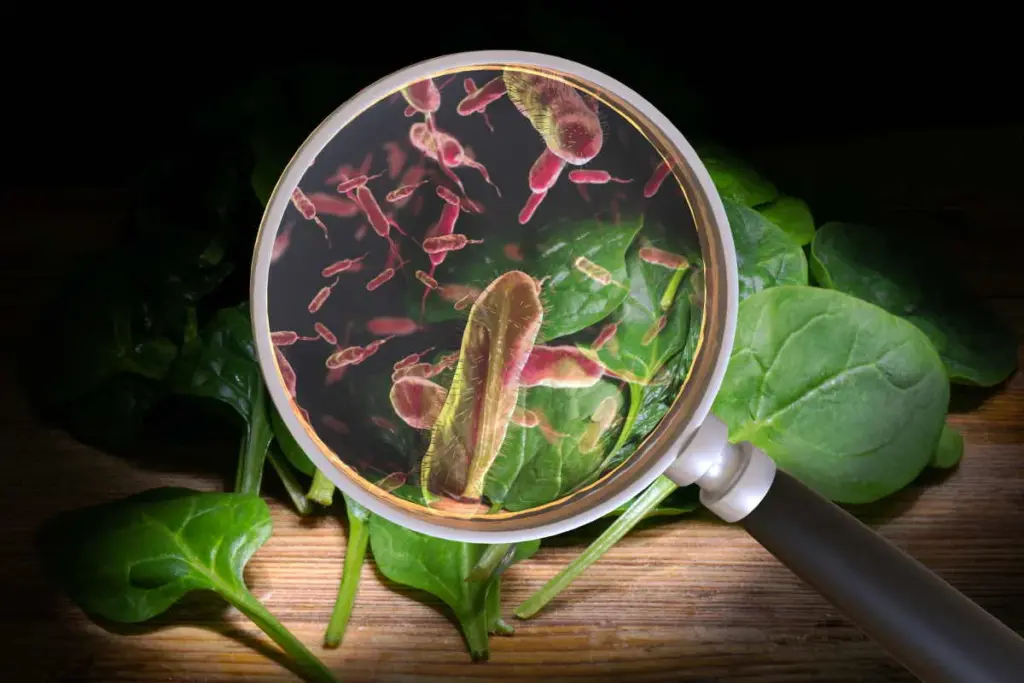
Foodborne illnesses are a big problem worldwide, affecting millions each year. Knowing what causes food poisoning is key to keeping you and your family safe. Listeria, Salmonella, and Escherichia coli are top culprits.
The World Health Organization says over 600 million get sick from food each year. This leads to about 420,000 deaths. To stay safe, knowing about common foodborne pathogens is vital. Liv Hospital offers top-notch medical advice on food safety and prevention.
Key Takeaways
- Foodborne illnesses are a significant global health concern.
- Listeria, Salmonella, and Escherichia coli are among the most common causes of food poisoning.
- Understanding food safety is key to preventing serious illness.
- Liv Hospital offers expert guidance on food safety and treatment.
- Awareness of common foodborne pathogens is key to protecting your family.
Understanding Bacteria in Food: A Growing Health Concern
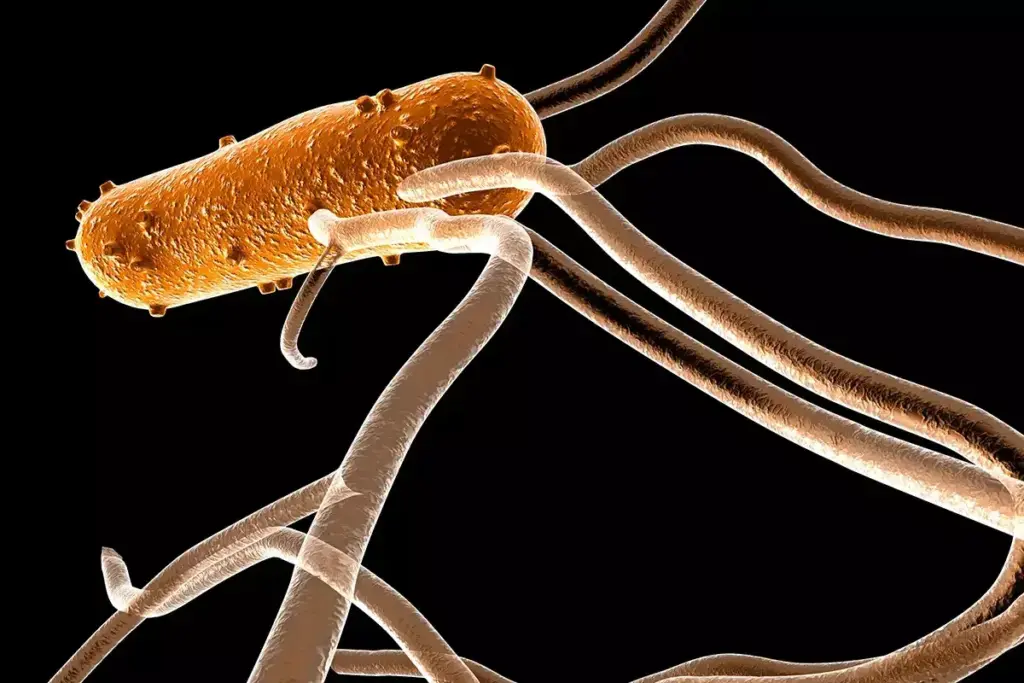
Foodborne bacterial infections are a big problem worldwide, affecting millions each year. These infections not only harm public health but also have big economic costs. We must understand this issue to tackle it well.
Global Statistics on Foodborne Illnesses
The World Health Organization says over 600 million cases of foodborne illnesses happen every year. About 420,000 people die from these illnesses. Bacteria cause most of these, leading to symptoms like nausea, vomiting, and diarrhea.
Recent Trends in Bacterial Contamination
Recently, more cases of certain pathogens have been seen. This has led to more food recalls and safety alerts. It shows we face a big challenge in keeping food safe in our complex global supply chain.
Key factors contributing to the rise in bacterial contamination include:
- Increased global trade and travel, facilitating the spread of pathogens.
- Changes in food production and processing practices.
- Emergence of antibiotic-resistant bacteria.
Knowing these trends is key to fighting foodborne illnesses. By staying updated and using strong food safety measures, we can lower illness rates. This helps protect public health.
7 Most Common Bacteria Causing Food Poisoning
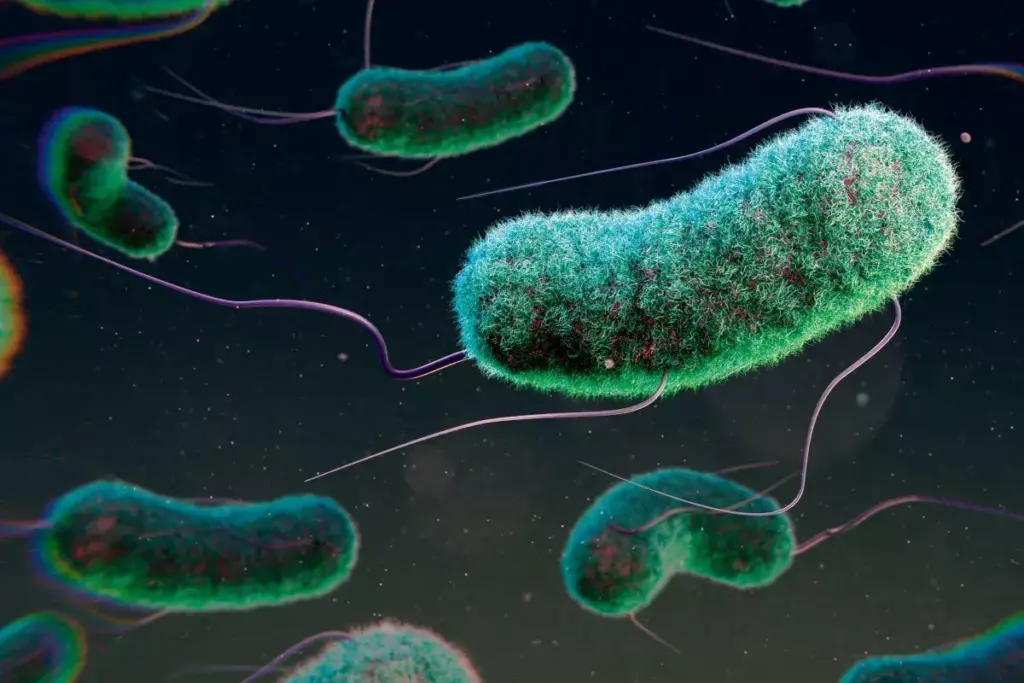
We look at the top bacteria causing food poisoning. These pathogens lead to many foodborne illnesses. Listeria, Salmonella, and Escherichia coli are the most common, with recalls up 41% in 2024.
Listeria Monocytogenes
Listeria monocytogenes causes listeriosis, a serious infection. It affects pregnant women, newborns, and those with weak immune systems. It’s found in soil, water, and contaminated foods, like soft cheeses and hot dogs.
Symptoms include fever, headache, and nausea. The FDA says Listeria infections often need hospital care. This shows the need for safe food handling.
Salmonella Species
Salmonella is a top food poisoning cause in developed countries. It infects poultry, eggs, dairy, and fresh produce. Symptoms are diarrhea, fever, and vomiting.
To avoid Salmonella, cook food safely. The CDC says Salmonella causes hundreds of thousands of cases in the U.S. each year.
Escherichia coli (E. coli)
Escherichia coli, or E. coli, causes severe food poisoning. Some strains, like E. coli O157:H7, can be deadly. It’s found in ground beef, unpasteurized juice, and raw veggies.
Symptoms include severe stomach cramps and bloody diarrhea. To prevent E. coli, handle food safely and avoid unpasteurized products.
Campylobacter
Campylobacter is a major food poisoning cause, mainly in poultry. Symptoms are bloody diarrhea, fever, and stomach cramps.
Campylobacter comes from undercooked poultry or contaminated water. Cooking poultry well and avoiding kitchen contamination helps prevent it.
Understanding these bacteria and their sources is key to preventing foodborne illnesses. By knowing how to handle food safely, we can reduce the risk of getting sick.
- Listeria monocytogenes: Found in soil, water, and contaminated food products.
- Salmonella Species: Commonly contaminates poultry, eggs, dairy products, and fresh produce.
- Escherichia coli (E. coli): Associated with contaminated ground beef, unpasteurized juice, and raw vegetables.
- Campylobacter: Primarily contaminates poultry products.
Essential Food Safety Practices to Prevent Bacterial Contamination
Preventing food poisoning is a big job. It needs good hand hygiene, clean food areas, and safe cooking. We also need to keep food cold and watch for recalls to avoid foodborne illnesses.
Keeping food safe means following good hygiene and cooking rules. Cook food to the right temperature and store it right to stop bacteria. Knowing about foodborne viruses and bacteria is key.
Food makers have a big role in keeping food safe. They must follow strict rules to prevent food poisoning. By knowing the bacteria that cause food poisoning, we can lower its risk. This helps keep food safe for everyone.
FAQ
What are the most common bacteria that cause food poisoning?
Listeria monocytogenes, Salmonella species, Escherichia coli, and Campylobacter are the top culprits. They are behind most foodborne illnesses worldwide.
How can I prevent food poisoning from bacteria like Salmonella and E. coli?
To avoid Salmonella and E. coli poisoning, follow key food safety steps. Wash your hands well, keep food at the right temperature, and cook it to the correct internal temperature.
What are the symptoms of food poisoning caused by bacteria?
Symptoms of bacterial food poisoning vary. Common signs include diarrhea, stomach cramps, fever, and vomiting. In severe cases, it can be life-threatening.
How can I identify if a food product is contaminated with bacteria like Listeria?
Check for recalls on the manufacturer’s or government websites. Look for visible spoilage signs. But, many contaminations aren’t visible, so safe handling is key.
What role do food manufacturers play in ensuring food safety?
Food manufacturers are vital in keeping food safe. They follow strict sanitation, test for bacteria, and recall products when needed.
Can foodborne bacterial infections be treated?
Yes, bacterial food infections can be treated. Treatment varies by infection type and severity. It may include antibiotics, fluids, and rest. In serious cases, hospital care is needed.
How can I stay informed about food recalls and food safety alerts?
To stay updated, register for recall alerts on government sites. Follow food safety on social media. Also, check food manufacturer websites for recall info.
References
World Health Organization. Evidence-Based Medical Guidance. Retrieved from
https://www.who.int/activities/estimating-the-burden-of-foodborne-diseases[2



 Departments
 Related Videos
 Our Doctors
 News
News