
Are you feeling unsettling symptoms like chest pain and sharp stomach pain? At Liv Hospitals, we get how worried and unsure you must feel. We’re here to help you figure out what might be causing it and guide you through it.
Chest pain and sharp stomach pain can come from many things. This includes digestive issues, heart problems, and muscle or bone issues. Prompt evaluation is key to find out what’s really going on. We’ll look at the 7 main reasons for these symptoms, so you can understand what might be causing your pain.
Key Takeaways
- Chest pain and sharp stomach pain can stem from various causes.
- Digestive disorders are a common cause of these symptoms.
- Cardiac issues can also contribute to chest and stomach pain.
- Musculoskeletal problems are another possible cause.
- Understanding the underlying cause is vital for effective treatment.
Understanding the Symptoms of Discomfort in Chest and Abdomen
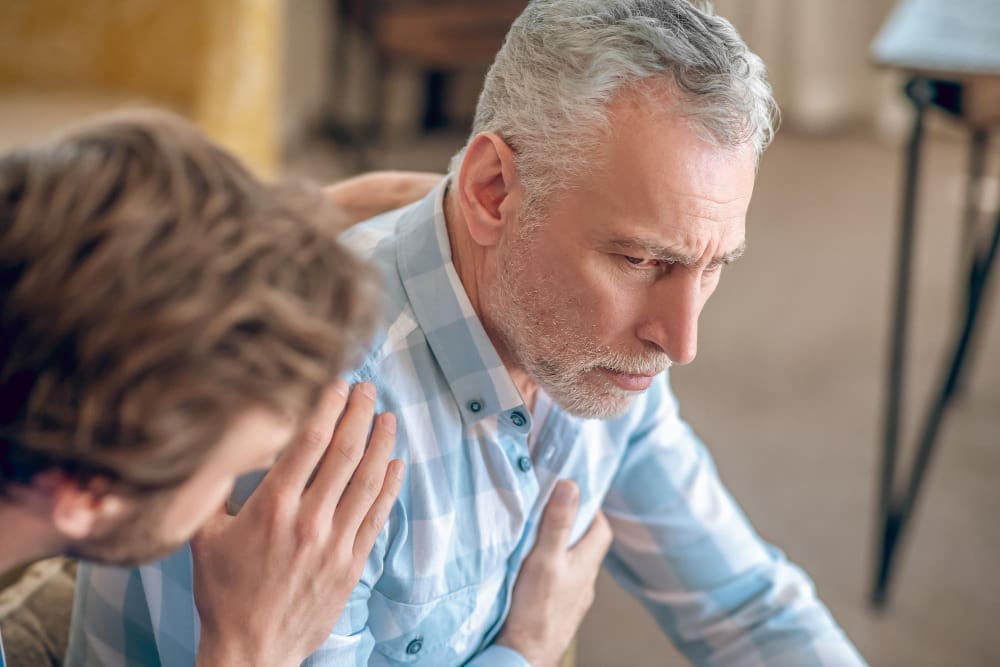
It’s important to know the symptoms of chest and abdomen discomfort. This knowledge helps in getting the right treatment. When you feel pain in these areas, it’s key to notice the different types of pain and other symptoms.
How to Recognize Different Types of Pain
Chest and abdominal pain can feel very different. It might be sharp, dull, crampy, or feel like pressure. Knowing the type of pain is important. Sharp pain often means a sudden problem, while dull pain might be a long-term issue.
Some common pain types include:
- Sharp pain: Often linked to sudden problems like gallstones or a punctured ulcer.
- Dull, aching pain: This could be from inflammation or infection, like gastritis.
- Crampy pain: Might be from conditions like irritable bowel syndrome (IBS).
Common Accompanying Symptoms
Other symptoms can also give clues about what’s wrong. These might include:
- Nausea and vomiting
- Bloating and gas
- Difficulty swallowing
- Changes in bowel movements
- Fever
Spotting these symptoms helps doctors figure out what’s wrong. They can then decide on the right tests.
Understanding your pain and symptoms helps you talk better with doctors. This leads to more accurate diagnoses and better treatment plans.
The Connection Between Digestive System and Chest Discomfort

Chest pain is often linked to heart issues, but it can also stem from digestive problems. The link between the digestive system and chest pain is complex. It involves nerve pathways and shared body structures.
How Digestive Issues Can Mimic Cardiac Symptoms
Digestive issues can sometimes cause chest pain, making diagnosis tricky. Problems like GERD, gastritis, and esophageal spasms can mimic heart attack symptoms. For example, GERD can cause a burning chest feeling and a sour taste in the mouth.
The brain can confuse pain signals from the chest and stomach. This is because the nerves for these areas are connected. This confusion can make it hard to figure out the real cause of pain.
The Shared Nerve Pathways of Chest and Abdominal Pain
The nerves for the chest and stomach are linked. This can cause referred pain. Referred pain is when pain is felt in a different area than where it started. For instance, stomach pain can feel like it’s in the chest, and vice versa.
| Condition | Symptoms | Possible Causes |
|---|---|---|
| GERD | Burning chest pain, sour taste | Stomach acid reflux into esophagus |
| Gastritis | Upper abdominal pain, nausea | Inflammation of stomach lining |
| Esophageal Spasms | Chest pain, difficulty swallowing | Abnormal muscle contractions |
It’s key to understand these connections for accurate diagnosis and treatment. By knowing the digestive causes of chest pain, doctors can provide better care.
Chest Pain and Sharp Pain in Stomach: 7 Common Causes
When you feel chest pain and sharp stomach pain together, finding the cause is key. We’ll look at the 7 main reasons for these symptoms. This will help you understand why you might be feeling uncomfortable.
Overview of the Most Frequent Causes
There are many health issues that can cause chest pain and sharp stomach pain. Some common ones include:
- Digestive Disorders: Issues like GERD, gastritis, and esophageal spasms can hurt both your chest and stomach.
- Gallbladder Disease: Problems like gallstones and biliary colic can cause sharp stomach pain that spreads to the chest.
- Anxiety and Stress: Stress and anxiety can make you feel physical pain in your chest and stomach.
- Esophageal Issues: Problems with the esophagus can lead to chest pain and discomfort.
- Gastritis and Peptic Ulcers: Inflammation of the stomach lining and ulcers can cause sharp pains.
- Gas and Functional Dyspepsia: Trapped gas and functional dyspepsia can cause discomfort in the chest and stomach.
- Cardiac-Related Issues: Though rare, heart problems can also cause chest pain that may be accompanied by stomach discomfort.
When to Consider These Causes Based on Symptom Patterns
Knowing how your symptoms come and go can help figure out the cause. For example, pain after eating might point to digestive issues like GERD or gastritis. Pain that gets worse with stress could be linked to anxiety.
Watch for symptoms like nausea, vomiting, or trouble swallowing. These can give hints about what’s going on. Always see a healthcare professional for a proper check-up and diagnosis.
Gastroesophageal Reflux Disease (GERD)
Gastroesophageal Reflux Disease, or GERD, is a common condition. It happens when stomach contents flow back into the esophagus. This can cause pain that moves from the stomach to the chest.
This backflow happens when the lower esophageal sphincter (LES) weakens. It lets stomach acid flow back into the esophagus.
Mechanisms Behind GERD-Related Pain
The pain from GERD comes from stomach acid irritating the esophagus. This irritation can cause inflammation and discomfort. It often feels like a burning sensation or heartburn.
In some cases, this discomfort can spread to the chest. This makes it a big concern for those who experience it.
We will look at how to tell GERD pain from other chest and stomach pains. Knowing the signs of GERD is key for the right diagnosis and treatment.
Distinguishing GERD Symptoms from Other Conditions
To spot GERD symptoms, look at the pattern and nature of the discomfort. Common signs include heartburn, food coming back up, and trouble swallowing. But, these can be mistaken for other issues, like heart problems or stomach inflammation.
To tell GERD apart from other conditions, think about when and why symptoms happen. Symptoms that get worse after eating or when lying down are often GERD. Also, if you have food coming back up and no symptoms in other areas, it might be GERD.
For more tips on managing symptoms and improving digestion, check out resources on nighttime habits that support better digestion and sleep.
Gastritis and Peptic Ulcers
It’s important to understand gastritis and peptic ulcers to find out why you might feel sharp pains in your chest and stomach. These issues affect the digestive system and can really change how you feel every day.
Inflammation of the Stomach Lining
Gastritis is when the stomach lining gets inflamed. This can happen due to infection, irritation, or autoimmune disorders. Symptoms include stomach pain, nausea, and vomiting. Sometimes, it can also cause sharp pains in the chest and stomach.
Common causes of gastritis include:
- Infection with Helicobacter pylori bacteria
- Long-term use of nonsteroidal anti-inflammatory drugs (NSAIDs)
- Excessive alcohol consumption
- Stress
How Ulcers Develop and Cause Sharp Pains in Chest and Stomach
Peptic ulcers are sores on the stomach or small intestine lining. They happen when the stomach or intestine’s protective layer gets damaged. This lets stomach acid create ulcers. These ulcers can cause sharp pains, often after eating or at night.
Peptic ulcers often start with:
- Helicobacter pylori infection
- Long-term NSAID use
- Excessive acid production
| Condition | Primary Symptoms | Common Causes |
|---|---|---|
| Gastritis | Abdominal pain, nausea, vomiting | H. pylori infection, NSAID use, alcohol |
| Peptic Ulcers | Sharp pains in chest and stomach, bloating | H. pylori infection, NSAID use, stress |
A gastroenterology expert says, “Treating gastritis and peptic ulcers needs a full plan. This includes medicine, lifestyle changes, and sometimes more tests to check for other issues.”
“Early diagnosis and treatment of gastritis and peptic ulcers can significantly improve patient outcomes and reduce the risk of complications.”
Gallbladder Disease and Biliary Colic
It’s important to know about gallbladder disease to treat it well. The gallbladder helps with digestion by storing bile from the liver. Problems like gallstones can cause a lot of pain.
Gallstones and Their Impact on Digestive Comfort
Gallstones are hard deposits in the gallbladder. They can be tiny or as big as a golf ball. If they block the ducts, they cause biliary colic, a painful condition.
Gallstones can lead to symptoms like:
- Severe pain in the upper right abdomen
- Pain that radiates to the back or right shoulder
- Nausea and vomiting
- Abdominal tenderness
Why Gallbladder Issues Cause Chest and Lower Abdominal Pain
Gallbladder problems can also cause pain in the chest and lower back. This is because the nerves of the gallbladder connect with other body parts. When the gallbladder is inflamed or blocked, it can send pain signals to these areas.
Biliary colic is a common symptom of gallbladder disease. It happens when a gallstone blocks the cystic duct, making the gallbladder contract. This can cause sharp, severe pain in the upper abdomen and chest.
In summary, gallbladder disease and biliary colic are related and can cause a lot of pain. Knowing the causes and symptoms is key to diagnosing and treating them effectively.
Esophageal Spasms and Related Disorders
It’s important to understand esophageal spasms and related disorders to find the cause of chest and stomach pain. Esophageal spasms are abnormal contractions of the esophagus. They can cause severe chest pain, often making people think they have heart problems.
These spasms can happen for many reasons, including esophageal motility disorders. These disorders affect the muscles or nerves that control the esophagus’s movement. Symptoms can be scary, leading people to worry about their heart health.
Types of Esophageal Motility Disorders
Esophageal motility disorders are conditions that affect how the esophagus moves food into the stomach. The main types are:
- Achlasia: A rare condition where the esophagus fails to properly move food into the stomach due to abnormal muscle contractions.
- Diffuse Esophageal Spasm: Characterized by simultaneous, uncoordinated contractions of the esophagus.
- Nutracker Esophagus: Involves powerful, peristaltic contractions that can cause chest pain.
Distinguishing Esophageal Pain from Cardiac Pain
It can be hard to tell if someone has esophageal spasms or cardiac pain because the symptoms are similar. Cardiac pain is usually linked to heart problems like angina or a heart attack. But, esophageal pain can be just as bad and often happens when eating or lying down.
| Characteristics | Esophageal Pain | Cardiac Pain |
|---|---|---|
| Triggers | Eating, lying down | Physical exertion, stress |
| Relief | Antacids, avoiding triggers | Nitroglycerin, rest |
| Associated Symptoms | Dysphagia, regurgitation | Shortness of breath, sweating |
To accurately diagnose, a thorough evaluation is needed. This includes tests like endoscopy, manometry, and sometimes, cardiac evaluations to rule out heart conditions.
Gas and Functional Dyspepsia
It’s important to know about gas and functional dyspepsia to handle chest and stomach tightness. These issues are common but can really affect how we feel. We’ll look into how trapped gas causes pain and what functional dyspepsia is.
How Trapped Gas Causes Tightness in Chest and Stomach
Trapped gas can make us feel bloated and in pain. This happens when gas gets stuck in our digestive system. It puts pressure on our stomach and nearby areas.
Swallowing air, eating hard-to-digest foods, and having digestive issues can cause trapped gas. To manage it, we can change our diet and avoid gas-inducing foods.
Functional Dyspepsia: When Tests Show No Clear Cause
Functional dyspepsia is when we have stomach pain without a clear reason. Tests can’t find anything wrong, but it can really disrupt our lives.
We don’t fully understand what causes functional dyspepsia. It might be related to how our gut moves, being sensitive to food, and stress. Treatment includes changing our diet, managing stress, and sometimes taking medicine.
Here’s a comparison of symptoms between gas and functional dyspepsia:
| Symptoms | Gas | Functional Dyspepsia |
|---|---|---|
| Bloating | Common | Sometimes |
| Sharp Pains | Frequent | Common |
| Discomfort | Common | Frequent |
Dealing with gas and functional dyspepsia needs a full plan. This includes understanding symptoms, making lifestyle changes, and sometimes getting medical help. By tackling these issues, we can feel better and live better lives.
Anxiety and Stress-Related Chest and Stomach Pain
Stress and anxiety are not just mental health issues. They can also cause physical symptoms like chest and stomach pain. The body reacts to stress and anxiety in many ways, sometimes making it seem like serious health problems.
The Physical Manifestations of Anxiety
Anxiety triggers physical symptoms because of the body’s “fight or flight” response. Stress hormones like adrenaline and cortisol are released. These hormones get our body ready to face or run from danger, causing a fast heart rate, quick breathing, and muscle tension.
This tension can cause chest pain or discomfort. It might feel sharp or like the chest is tight. Anxiety can also upset the stomach, causing nausea, pain, or changes in bowel movements. These symptoms can be so real that people often worry they have a heart problem or another serious illness.
Techniques to Manage Chest and Stomach Pressure from Stress
To handle stress-related chest and stomach pain, we need to tackle both the symptoms and the anxiety or stress itself. Here are some ways to help:
- Deep Breathing Exercises: Taking slow, deep breaths can calm the body’s stress response. It helps reduce symptoms like a fast heartbeat and muscle tension.
- Mindfulness and Meditation: Mindfulness or meditation can lower stress levels and improve how we handle anxiety.
- Physical Activity: Regular exercise releases endorphins, which are natural mood boosters. It can help reduce anxiety.
- Relaxation Techniques: Methods like progressive muscle relaxation or visualization can help relax muscles and promote calmness.
By using these techniques every day, we can manage anxiety and stress better. This reduces chest and stomach pain.
When Stomach, Back and Chest Pain Occur Together for Days
Stomach, back, and chest pain lasting for days is a complex symptom. It can be very distressing and confusing. We know how hard it is to deal with such pain.
These symptoms together might point to several health issues, some serious. It’s important to look at all possible causes to find the right treatment.
Potential Serious Conditions to Consider
Several serious conditions could be causing stomach, back, and chest pain together. These include:
- Cardiac Issues: Myocardial infarction or unstable angina can cause chest pain. This pain might spread to the back or stomach.
- Gastrointestinal Problems: Pancreatitis, gallbladder disease, or severe GERD can cause stomach pain. This pain can spread to the back and chest.
- Aortic Dissection: A tear in the aorta can cause severe pain in the chest and back.
- Pulmonary Embolism: A blockage in a pulmonary artery can cause chest pain. This pain might also spread to the back.
| Condition | Common Symptoms | Potential Complications |
|---|---|---|
| Myocardial Infarction | Chest pain, shortness of breath, nausea | Heart failure, arrhythmias |
| Pancreatitis | Severe abdominal pain, nausea, vomiting | Organ failure, infection |
| Aortic Dissection | Severe chest and back pain, difficulty breathing | Aortic rupture, organ failure |
Warning Signs That Require Immediate Medical Attention
Certain symptoms need immediate medical help. If you have any of these, go to the emergency room right away:
- Severe Pain: Sudden, severe, or getting worse pain in the chest, back, or stomach.
- Difficulty Breathing: Shortness of breath or feeling like you can’t breathe.
- Nausea and Vomiting: Persistent nausea or vomiting, with or without blood.
- Fever: High fever, with or without abdominal pain.
Knowing the possible causes and warning signs is key for quick medical help. If you have ongoing stomach, back, and chest pain, see a doctor. They can do a full check-up and start the right treatment.
Diagnostic Approaches and Treatment Options
Dealing with chest and stomach pain starts with finding the cause. Doctors use tests to figure out what’s wrong. Then, they choose the best treatment for you.
Medical Tests Your Doctor May Order
Doctors might run several tests to find the cause of your pain. These include:
- Endoscopy: To look at your upper digestive system for problems like gastritis or ulcers.
- Imaging tests: Like X-rays, CT scans, or MRI scans to see your chest and stomach organs.
- Electrocardiogram (ECG): To check your heart and see if it’s causing your chest pain.
- Blood tests: To find signs of infection, inflammation, or other issues that might be causing your pain.
Medication Approaches for Different Causes
The treatment for chest and stomach pain varies based on the cause. Doctors might give you:
- Antacids or acid reducers for GERD or gastritis symptoms.
- Antibiotics if a bacterial infection is the cause.
- Pain relievers to help with pain, but with caution to avoid making some conditions worse.
- Anti-anxiety medications if stress or anxiety is part of your symptoms.
Lifestyle Modifications to Reduce Symptoms
Changing your lifestyle can also help with chest and stomach pain. We suggest:
- Dietary changes: Stay away from foods that trigger your symptoms, eat smaller meals, and eat a balanced diet.
- Stress management: Try meditation, yoga, or deep breathing exercises to help with stress.
- Regular exercise: It’s good for your health and can help reduce stress.
- Avoiding smoking and limiting alcohol: These can irritate your digestive system.
By using these diagnostic methods and treatments, we can manage and lessen chest and stomach pain.
Conclusion: Managing and Preventing Abdominal Pain and Chest Pain Together
It’s important to know why chest and stomach pain happen. We’ve looked at things like GERD, gastritis, and anxiety. These can cause these symptoms.
To handle pain in the belly and chest, we need a big-picture health plan. Eating right, managing stress, and avoiding triggers are key. This helps keep symptoms down.
If you have both belly and chest pain, see a doctor right away. They can check for serious problems. With their help, we can make a plan to feel better.
Preventing and managing pain takes a few steps. Changing our lifestyle and, if needed, taking medicine helps. Being proactive about our health can make a big difference in how we feel.
What are the common causes of chest pain and sharp pain in the stomach?
We found 7 main causes. These include digestive problems like GERD, gastritis, and esophageal spasms. Also, gallbladder disease, gas, and issues with digestion. Anxiety and stress can also cause these pains.
How can I differentiate between various types of chest and abdominal pain?
Look at the pain’s location, how bad it is, and how long it lasts. Also, notice any other symptoms you have. This can help figure out what kind of pain you’re feeling.
Can digestive issues mimic cardiac symptoms?
Yes, they can. Digestive problems can sometimes feel like heart issues. This is because they share nerve pathways. This can make pain in the chest and stomach feel like it’s coming from the heart.
What is Gastroesophageal Reflux Disease (GERD) and how does it cause pain?
GERD happens when stomach acid goes back up into the esophagus. This can cause pain that feels like it’s coming from the stomach but radiates to the chest. It’s important to know the signs of GERD to tell it apart from other problems.
How do gastritis and peptic ulcers cause sharp pains in the chest and stomach?
Gastritis is when the stomach lining gets inflamed. Peptic ulcers are sores on the stomach lining. Both can cause sharp pains because of the irritation and inflammation they cause.
Can gallbladder disease cause chest and lower abdominal pain?
Yes, it can. Gallstones can make digestion uncomfortable and cause pain in the chest and lower abdomen. Issues with the gallbladder can lead to biliary colic, a severe pain that can spread to the chest.
What are esophageal spasms and related motility disorders?
Esophageal spasms are when the muscles in the esophagus contract abnormally. This can cause chest pain. Motility disorders can also make swallowing hard and cause discomfort in the chest.
How can anxiety and stress cause chest and stomach pain?
Anxiety and stress can make you feel physical pain, like in the chest and stomach. This is because of the body’s ‘fight or flight’ response. Relaxation techniques can help manage stress and ease these symptoms.
What should I do if I experience stomach, back, and chest pain together for days?
If you have pain in your stomach, back, and chest for days, you should see a doctor. It could mean there’s a serious problem that needs attention.
What diagnostic approaches and treatment options are available for chest and stomach pain?
Doctors might use tests like endoscopy, imaging studies, and heart checks to find the cause. Treatment depends on what’s causing the pain. It could be medicine, changes in lifestyle, or ways to manage stress.
How can I manage and prevent abdominal pain and chest pain together?
To manage and prevent these pains, understand what’s causing them. Make lifestyle changes and deal with stress and anxiety. This can help a lot.
Why does my chest and stomach hurt after eating?
Pain after eating can be due to digestive problems like GERD, gastritis, or gallbladder disease. Knowing which foods trigger it and managing your eating habits can help.
Can tightness in the chest and stomach be related to gas?
Yes, trapped gas can cause discomfort and tightness. Changing your diet and avoiding foods that cause gas can help reduce these symptoms.
References
Complete Care. Freestanding Emergency Room Services. https://www.visitcompletecare.com/emergency-room-services/
Memphis Vein Center. Chest Pain Plus Nausea: What Does it Mean? https://www.memphisvein.com/blog/chest-pain-plus-nausea-what-does-it-mean
Gleneagles. Can Gastric and Digestive Problems Cause Chest Pain? https://www.gleneagles.com.sg/health-plus/article/gastric-cause-chest-pain