People with HIV/AIDS often see changes in their skin early on. Skin lesions and sores are common and can really affect their life. At Liv Hospital, we focus on spotting and treating these skin issues to help our patients fully.
Conditions like seborrheic dermatitis, herpes simplex, and Kaposi sarcoma are common in those with HIV/AIDS. Knowing about these dermatological manifestations is key for catching them early and treating them right. For more info on HIV/AIDS skin issues, check out WebMD’s slideshow on HIV/AIDS skin.
Key Takeaways
- Early detection of HIV/AIDS skin lesions is key for good management.
- Dermatological signs can really hurt a patient’s quality of life.
- Common skin issues linked to HIV/AIDS include seborrheic dermatitis and Kaposi sarcoma.
- It’s important to understand these conditions for full care.
- Liv Hospital offers patient-focused care for those with HIV/AIDS.
Understanding HIV/AIDS Skin Manifestations
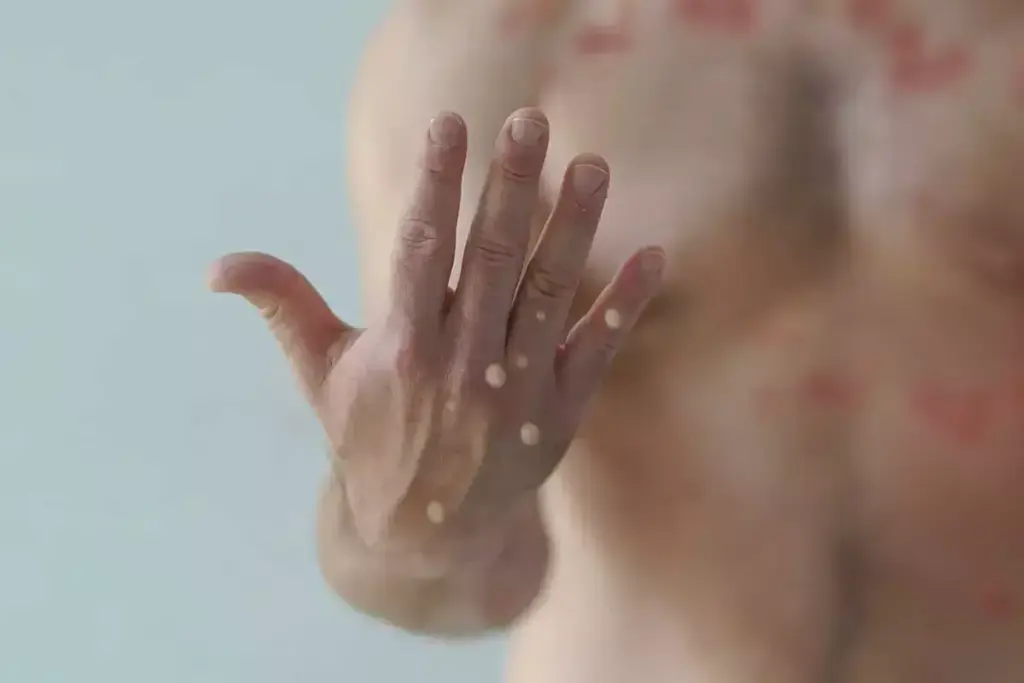
HIV attacks the body’s immune system, causing skin problems. The skin is our biggest organ and protects us. But, with HIV/AIDS, this protection weakens, making us more prone to skin issues.
How HIV Affects the Skin
HIV changes the skin in many ways. It directly harms skin cells, causing seborrheic dermatitis and prurigo. It also makes us more likely to get skin infections. And, HIV meds can cause skin side effects.
HIV/AIDS skin problems range from mild to severe. Knowing about these issues helps in treating them effectively.
Importance of Early Identification
Finding HIV skin problems early is key. It helps stop these issues from getting worse. It also makes life better for those with HIV/AIDS by easing pain and preventing more problems.
Healthcare providers need to know the signs of HIV skin diseases. A correct diagnosis leads to the right treatment, helping patients get better.
| Skin Condition | Description | Importance of Early Identification |
| Seborrheic Dermatitis | A common inflammatory skin condition causing scaly patches. | Early treatment can reduce symptoms and prevent flare-ups. |
| Kaposi’s Sarcoma | A type of cancer that forms in the lining of blood and lymph vessels. | Early detection is critical for effective management and improving survival rates. |
| Prurigo Nodularis | A condition characterized by intensely itchy nodules. | Timely intervention can alleviate symptoms and improve quality of life. |
Understanding HIV/AIDS skin issues and the need for early detection helps us care for those affected better.
Common Inflammatory and Infectious Skin Conditions
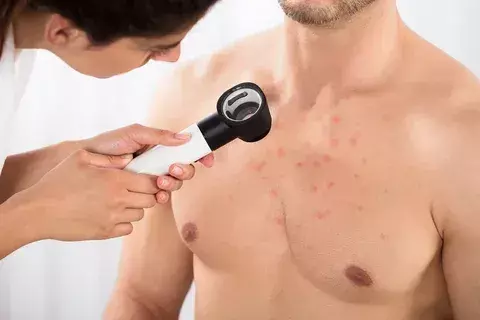
HIV/AIDS can cause many skin problems. It’s important to know about these issues. People with HIV/AIDS are more likely to get skin problems that can really hurt their life quality.
Seborrheic Dermatitis
Seborrheic dermatitis is a common skin issue. It shows up as a red, itchy rash. It often happens on the scalp but can also be on oily parts of the body like the face.
Symptoms: You might see redness, itching, flaky skin, and swelling.
Causes: It’s not fully known why it happens. But stress, genetics, and an immune reaction to a skin yeast are thought to play a part.
Oral Candidiasis (Thrush)
Oral candidiasis, or thrush, is a fungal infection. It shows up as white patches on the mouth and throat.
Symptoms: You might see white patches on the tongue, cheeks, and throat. There might also be redness and trouble swallowing.
Treatment: To treat thrush, doctors use antifungal meds. This can be creams or pills, depending on how bad it is.
Herpes Simplex Infections
Herpes simplex virus (HSV) infections cause oral and genital herpes. In people with HIV/AIDS, these infections can be worse and last longer.
Symptoms: You might get painful blisters or ulcers on your lips, mouth, or genitals.
Treatment: Doctors use antiviral meds to help manage symptoms. This can make outbreaks less frequent.
| Condition | Symptoms | Causes/Treatment |
| Seborrheic Dermatitis | Redness, itching, flaky skin | Caused by stress, genetics, and yeast; treated with antifungals and steroids |
| Oral Candidiasis (Thrush) | White patches, redness, difficulty swallowing | Caused by Candida fungus; treated with antifungal medications |
| Herpes Simplex Infections | Painful blisters or ulcers | Caused by HSV; treated with antiviral medications |
It’s key to know about these skin issues to help HIV/AIDS patients. Spotting and treating these problems early can really help improve their life quality.
Recognizing Serious Sores from HIV, AIDS and Related Conditions
People with HIV/AIDS face a higher risk of serious skin problems. These issues can really affect their life quality. We’ll look at key skin conditions linked to HIV/AIDS, like Kaposi sarcoma, shingles, molluscum contagiosum, and prurigo nodularis.
Kaposi Sarcoma
Kaposi sarcoma is a cancer that grows in blood and lymph vessel linings. It shows up as skin lesions that can be purple, red, or brown. These can pop up anywhere on the body and might swell.
In those with HIV/AIDS, Kaposi sarcoma is more aggressive. It can affect not just the skin but also internal organs.
Key Features: Lesions on the skin, possible internal organ involvement.
Shingles (Herpes Zoster)
Shingles is caused by the varicella-zoster virus, the same one that causes chickenpox. It shows up as a painful rash, usually on one side of the body. People with HIV/AIDS are more likely to get shingles because their immune systems are weaker.
Molluscum Contagiosum
Molluscum contagiosum is a viral infection that causes small, pearly, or flesh-colored bumps on the skin. It’s very contagious and can spread through touching an infected person. In people with HIV/AIDS, it can spread more and be harder to treat.
Key Features: Small, pearly bumps on the skin, very contagious.
Prurigo Nodularis
Prurigo nodularis is a skin condition that causes itchy nodules. It’s more common in people with HIV/AIDS and can really affect their life. The exact cause is unknown, but it’s thought to be linked to the immune system’s response.
Key Features: Itchy nodules, big impact on life quality.
| Condition | Key Features | Impact on HIV/AIDS Patients |
| Kaposi Sarcoma | Lesions on skin, possible internal organ involvement | More aggressive, internal organ involvement |
| Shingles (Herpes Zoster) | Painful rash, typically on one side of the body | Higher risk due to compromised immune system |
| Molluscum Contagiosum | Small, pearly bumps, highly contagious | More widespread, difficult to treat |
| Prurigo Nodularis | Intensely itchy nodules | Significant impact on quality of life |
Conclusion: When to Seek Medical Attention
It’s important to know about the skin signs of HIV/AIDS early. We’ve talked about common skin problems and serious sores that could mean the disease is getting worse.
If you get skin lesions or sores and don’t know why, see a doctor who knows about HIV or skin issues. A dermatologist can check you and might take a skin sample to find out if it’s related to HIV-related skin issues, like hiv lumps or aids lesions.
Some HIV drugs can cause skin problems. Skin infections in people with HIV might not heal as fast or need more treatment. Serious problems, like brain infections or severe eye infections, can happen if the immune system is very weak. If you have severe symptoms, get medical help right away to avoid worse problems and improve your health with hiv skin disease.
FAQ:
What are the common skin manifestations of HIV/AIDS?
People with HIV/AIDS often face skin issues like seborrheic dermatitis and oral candidiasis. They may also get herpes simplex infections, Kaposi sarcoma, and shingles. Molluscum contagiosum and prurigo nodularis are other conditions they might deal with. Early treatment can make a big difference in how they feel.
How does HIV infection affect the skin?
HIV weakens the immune system, making the skin more prone to problems. This can cause a range of skin issues, from mild to severe. Quick treatment is key to avoiding serious issues.
What is the significance of early identification of HIV/AIDS-related skin lesions?
Spotting skin lesions early is vital for managing HIV/AIDS. It helps start treatment quickly and prevents worse problems. This improves life quality for those with HIV/AIDS.
What are the symptoms of seborrheic dermatitis in HIV/AIDS patients?
Seborrheic dermatitis causes a red, itchy rash on the scalp, face, or torso in HIV/AIDS patients. It’s tough to manage but treatable. This helps improve their life quality.
How is oral candidiasis (thrush) treated in HIV/AIDS patients?
Oral candidiasis, or thrush, is treated with antifungal meds. If someone with HIV/AIDS gets thrush, they should see a doctor fast. This ensures they get the right treatment and avoid complications.
What is Kaposi sarcoma, and how is it related to HIV/AIDS?
Kaposi sarcoma is a cancer that can hit HIV/AIDS patients, showing up as skin or organ lesions. It’s tough to handle but treatable. This helps patients feel better and live better lives.
When should I seek medical attention for HIV/AIDS-related skin lesions?
If you have HIV/AIDS and notice any unusual skin symptoms, see a doctor right away. This includes rashes, lesions, or sores. Quick action can greatly improve your health and prevent problems.
Can HIV/AIDS-related skin conditions be prevented?
Some skin issues linked to HIV/AIDS are hard to prevent. But, keeping your immune system strong with meds and good skin care can help. Also, treating skin problems early can stop them from getting worse and make life better.
Are there any specific skin care recommendations for individuals with HIV/AIDS?
Yes, people with HIV/AIDS should take care of their skin. Keep it clean and moisturized, avoid harsh soaps, and protect it from the sun. These steps can help prevent some skin problems and keep the skin healthy.
References:
National Center for Biotechnology Information. Evidence-Based Medical Insight. Retrieved from https://pubmed.ncbi.nlm.nih.gov/26966279/