

Respiratory viruses are a big worry for public health. They cause many illnesses that hit the respiratory system, like the nose, throat, and lungs. The latest numbers show a big jump in hospital visits because of these viruses. Influenza A was the top cause during the 2024-2025 season.
We’ll look at the seven most common respiratory viruses in adults. We’ll cover their types, symptoms, and how to prevent them. Knowing about these viruses is key to keeping you healthy and avoiding serious problems.
Key Takeaways
- Respiratory viruses cause a range of illnesses affecting the respiratory system.
- Influenza A was the most prevalent respiratory virus during the 2024-2025 season.
- Understanding the types, symptoms, and prevention strategies of common respiratory viruses is critical for public health.
- Liv Hospital offers top-notch medical care and focuses on the patient for those with respiratory viruses.
- Prevention strategies can greatly lower the risk of serious problems from respiratory viruses.
Understanding Respiratory Viruses in Adults
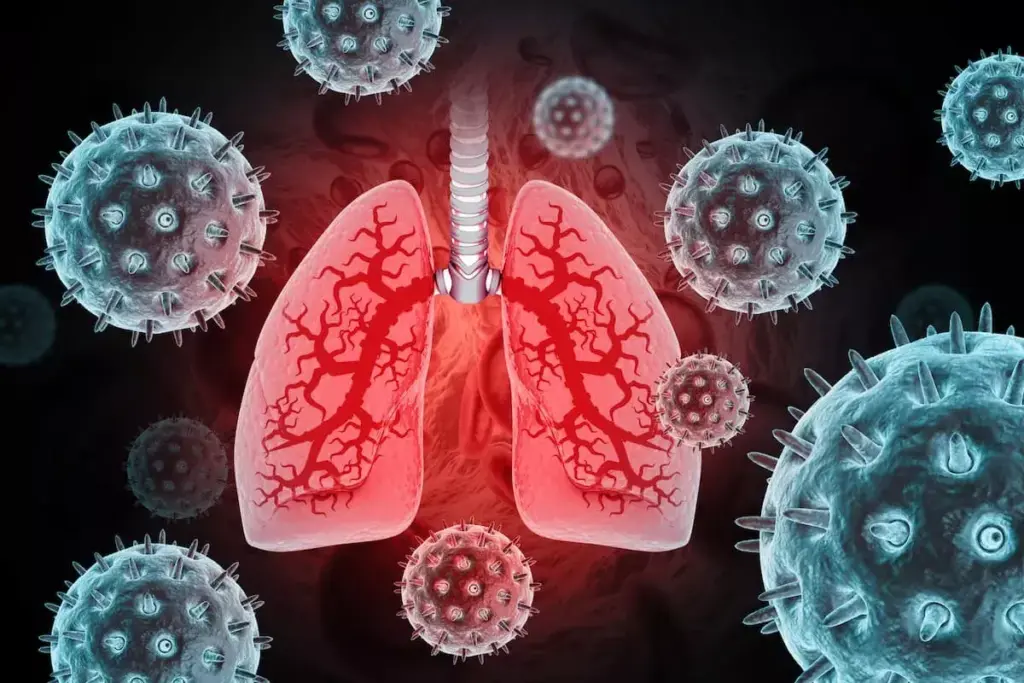
It’s important for adults to know about respiratory viruses to prevent and manage illnesses. These viruses affect the respiratory system, causing symptoms from mild to severe.
What Are Respiratory Viruses?
Respiratory viruses target the respiratory system, causing various illnesses. Examples include influenza, enterovirus, RSV, and adenovirus. They spread through respiratory droplets and can cause diseases from mild colds to severe pneumonia.
These viruses can be serious, leading to complications in older adults or those with health issues. Knowing about these viruses helps in managing and preventing respiratory diseases.
How Respiratory Viruses Spread
Respiratory viruses mainly spread through respiratory droplets from coughing, sneezing, or talking. These droplets can be inhaled by others. Touching contaminated surfaces and then touching one’s face also spreads the virus.
To show how different viruses spread, consider this table:
| Virus | Primary Mode of Transmission | Common Symptoms |
| Influenza | Respiratory Droplets | Fever, Cough, Body Aches |
| RSV | Respiratory Droplets, Contact with Contaminated Surfaces | Runny Nose, Coughing, Sneezing |
| Adenovirus | Respiratory Droplets, Fecal-Oral Route | Sore Throat, Common Cold, Gastroenteritis |
Preventive steps like good hygiene, vaccination, and avoiding sick people can lower transmission risk.
By understanding how viruses spread and taking preventive steps, adults can lower their risk of getting and spreading these viruses.
7 Common Respiratory Viruses in Adults: Symptoms and Prevention
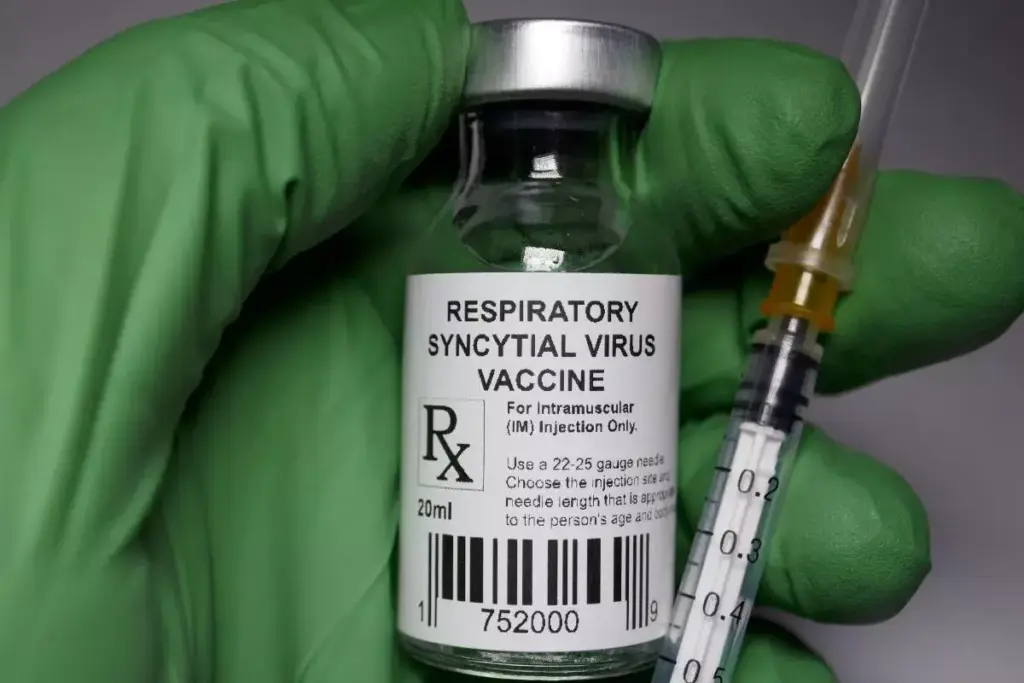
It’s important to know about the 7 common respiratory viruses that affect adults. These viruses can cause everything from mild colds to serious pneumonia. We’ll look at the symptoms and how to prevent these viruses, helping you stay healthy.
Influenza A and B
Influenza, or the flu, is caused by viruses A and B. Symptoms include fever, cough, sore throat, and body aches. Annual vaccination is key to fighting the flu.
- Get vaccinated every year to protect against common strains.
- Wash your hands often to stay clean.
- Stay away from people who are sick.
COVID-19 (Coronavirus)
COVID-19, caused by SARS-CoV-2, is a big health issue worldwide. Symptoms can range from mild to severe pneumonia. Prevention strategies include getting vaccinated, wearing masks, and keeping a safe distance from others.
- Keep up with COVID-19 vaccinations.
- Wear masks in crowded places or when you’re sick.
- Keep a safe distance to lower the risk of getting sick.
Respiratory Syncytial Virus (RSV)
RSV affects people of all ages, causing mild to severe infections. Symptoms include runny nose, coughing, and sneezing. While supportive care is the main treatment, preventing it focuses on good hygiene.
- Wash your hands often, after touching someone who’s sick.
- Don’t share utensils or personal items.
- Clean and disinfect surfaces often.
Adenovirus
Adenoviruses cause many illnesses, like respiratory infections, stomach problems, and eye infections. Symptoms depend on the adenovirus type. Prevention is about washing your hands a lot and avoiding close contact with sick people.
Knowing about these viruses and how to prevent them helps us protect ourselves and others. Stay informed, keep clean, and get vaccinated to lower the risk of getting sick.
Conclusion: Protecting Yourself from Respiratory Viruses
Respiratory viruses are a big problem for public health. They cause millions of illnesses and thousands of hospitalizations and deaths in the U.S. each year. It’s important to understand respiratory virus infections and take steps to prevent them.
To keep yourself safe, make sure to get all the recommended vaccines. Also, practice good hygiene like washing your hands often and cleaning surfaces that many people touch. If you’re sick with a respiratory illness, stay home and avoid being around others.
The Centers for Disease Control and Prevention (CDC) offers tips on preventing respiratory diseases. By following their advice and working for cleaner air, you can lower your chance of getting respiratory virus infections.
By staying informed and taking action, we can protect ourselves and our families from respiratory diseases. Let’s all do our part to stop the spread of respiratory viruses and make our community healthier.
FAQ
What is a respiratory virus?
A respiratory virus affects the respiratory system. It can cause symptoms from mild to severe. Examples include influenza, COVID-19, and RSV.
How do respiratory viruses spread?
Respiratory viruses spread through respiratory droplets. These droplets are released when an infected person talks, coughs, or sneezes. They can also spread by touching surfaces contaminated with the virus and then touching one’s face.
What are the most common respiratory viruses in adults?
The most common respiratory viruses in adults include influenza A and B, COVID-19, RSV, adenovirus, and others. These viruses can cause a range of symptoms and can be severe in certain individuals.
What are the symptoms of respiratory viruses?
Symptoms of respiratory viruses can include cough, sore throat, runny or stuffy nose, fever, and body aches. Some viruses, such as COVID-19, can also cause more severe symptoms like shortness of breath.
How can I prevent respiratory viruses?
To prevent respiratory viruses, get vaccinated against flu and COVID-19. Practice good hygiene like washing your hands frequently. Wear masks in crowded areas and avoid close contact with people who are sick.
What is the treatment for respiratory viruses?
Treatment for respiratory viruses typically involves relieving symptoms. This can be done with over-the-counter medications, staying hydrated, and getting plenty of rest. Antiviral medications may be prescribed for certain viruses like influenza.
Are respiratory viruses contagious?
Yes, respiratory viruses are contagious. They can be spread from person to person through respiratory droplets and contact with contaminated surfaces.
Can I get infected with multiple respiratory viruses at the same time?
Yes, it is possible to be co-infected with multiple respiratory viruses. This can make diagnosis and treatment more challenging.
How can I protect myself and my loved ones from respiratory viruses?
To protect yourself and your loved ones, stay informed about the latest respiratory virus activity. Get vaccinated, practice good hygiene, and take steps to avoid close contact with people who are sick.
References:
Centers for Disease Control and Prevention. Evidence-Based Medical Insight. Retrieved from https://www.cdc.gov/respiratory-viruses/about/index.html