
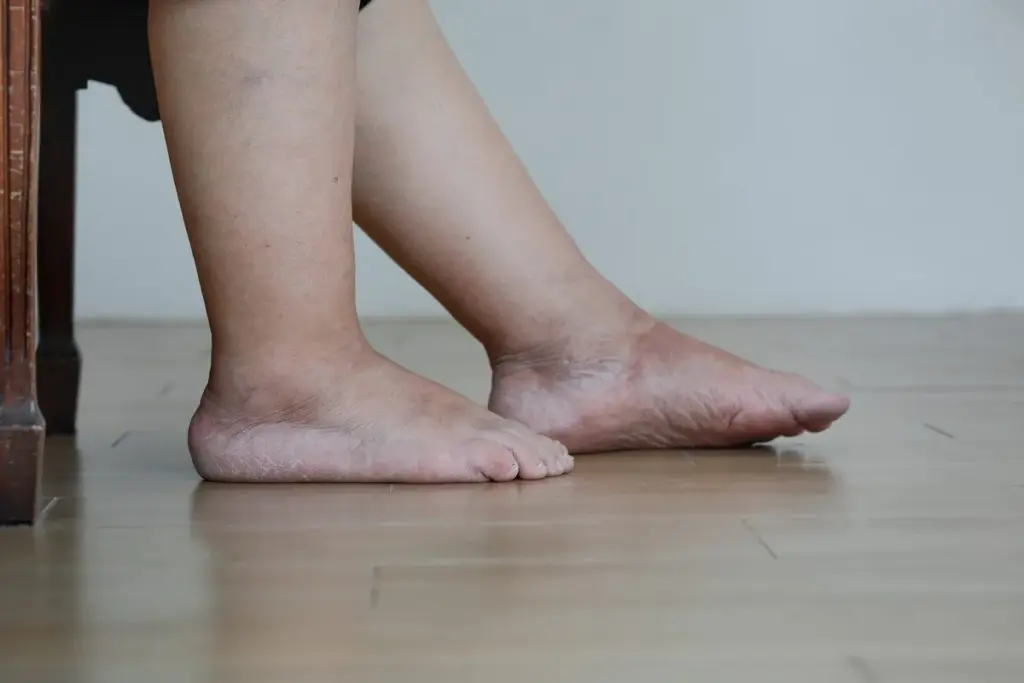
Are your toes tingling or numb? This might be more than simple discomfort—it could be an early warning sign of nerve damage caused by high blood sugar levels.
Diabetic neuropathy is a type of nerve damage that can occur when blood sugar levels are not well-managed. We will explore how this condition affects the feet and discuss the importance of recognizing its signs to prevent serious complications.
Understanding the key signs of nerve damage in the feet empowers individuals to take proactive steps to manage their condition and prevent long-term damage. At Liv Hospital, our expert multidisciplinary team is committed to providing comprehensive care for international patients.
Key Takeaways
- High blood sugar levels can cause nerve damage, leading to numbness and tingling in the feet.
- Diabetic neuropathy is a serious complication that requires prompt medical attention.
- Recognizing the early signs of nerve damage can help prevent long-term damage.
- Liv Hospital’s expert team provides comprehensive care for international patients.
- Proactive management of blood sugar levels is key to preventing nerve damage.
Understanding Diabetic Neuropathy and Foot Complications

It’s important to know how diabetes affects nerves. Diabetic neuropathy is a complication that damages nerves. This can cause numbness, tingling, and pain, mainly in the feet.
What Causes Nerve Damage in Diabetes
Nerve damage in diabetes, or diabetic neuropathy, happens when blood sugar levels are too high for too long. High blood sugar harms nerves, making them unable to work right. This can lead to numbness, tingling, and pain in the feet and legs. Keeping blood sugar levels in check is vital to prevent or slow nerve damage.
The first sign of diabetic neuropathy is often numbness or tingling in the toes. This is because high blood sugar levels hit these nerves first. As the condition gets worse, these feelings get stronger and spread to other parts of the feet and legs.
Statistics: How Common Is Diabetic Foot Neuropathy
Diabetic neuropathy is a big problem for people with diabetes. About 50% of people with diabetes will get some form of neuropathy. The risk goes up with how long you have diabetes and how well you manage your blood sugar.
| Diabetes Duration | Prevalence of Diabetic Neuropathy |
| Less than 5 years | 20% |
| 5-10 years | 40% |
| More than 10 years | 60% |
Knowing these numbers shows why managing diabetes well is so important. By keeping blood sugar levels in check and living a healthy lifestyle, people with diabetes can lower their risk of getting neuropathy.
7 Early Stage Diabetes Feet Warning Signs You Shouldn’t Ignore

Early stage diabetes often shows up through specific foot-related signs. It’s important to catch these early to manage diabetes better. Early detection can really help in dealing with diabetes and its complications.
1. Numbness and Tingling in the Toes
Numbness and tingling in the toes are early signs of diabetic neuropathy. This happens when high blood sugar damages nerves, causing numbness or tingling. If you keep feeling numb or tingling, see a doctor right away.
2. Big Toe Numbness on One Side
Numbness on one side of the big toe might mean nerve damage from diabetes. This symptom might seem like just one thing, but it could be part of a bigger problem. Talking to your doctor about these feelings can help catch the issue early.
3. Tingling Sensations That Worsen at Night
Tingling that gets worse at night is common in early diabetic neuropathy. This can mess up your sleep and affect your health. Noticing this can help you get the medical help you need.
4. Burning Sensations in Your Feet
Burning in your feet is another sign of diabetic neuropathy. This can feel like a constant burning or like pins and needles. It’s important to deal with these feelings to avoid more nerve damage.
Looking at the rest of the warning signs, knowing them can lead to quicker diagnosis and treatment. Other signs include losing feeling to temperature changes and not being able to feel pain. This can cause unnoticed injuries and infections.
By knowing and spotting these early signs, people can take steps to manage their diabetes. This can help prevent serious problems.
Conclusion
Recognizing early signs of diabetes feet, like numbness and tingling, is key to avoiding serious problems. It’s vital to manage blood sugar and take care of your feet to prevent diabetic neuropathy. Women, and those at risk of diabetes, should watch for signs like numbness in their feet.
Knowing the causes and symptoms of diabetic neuropathy helps people manage their condition better. This can greatly improve their life quality. It’s important to stay alert to any unusual sensations in your feet.
Effective diabetes management needs a full approach, including regular doctor visits and a healthy lifestyle. We aim to provide top-notch healthcare and support for patients from around the world.
FAQ
What Are the Early Signs of Diabetes Feet?
Early signs include dry or cracked skin, tingling, numbness, swelling, or slow-healing cuts.
You may also notice color changes, temperature differences, or unusual foot pain.
How Does High Blood Sugar Damage Nerves?
Persistently high glucose damages small blood vessels that supply oxygen and nutrients to nerves.
Over time, this leads to nerve fiber injury and impaired sensation.
What Is Diabetic Neuropathy?
Diabetic neuropathy is nerve damage caused by long-term elevated blood sugar levels.
It commonly affects the feet, causing pain, tingling, burning, or loss of feeling.
How Common Is Diabetic Foot Neuropathy?
Diabetic neuropathy is a frequent complication, especially in people with long-standing diabetes.
A significant percentage of adults with diabetes develop some degree of nerve damage over time.
Can Managing Blood Sugar Levels Prevent Diabetic Neuropathy?
Yes, maintaining target blood glucose levels helps protect nerves from damage.
Early and consistent control significantly lowers the risk and slows progression.
What Should I Do If I Experience Numbness or Tingling in My Toes?
Report symptoms to your healthcare provider for proper evaluation and testing.
Begin daily foot inspections and improve blood sugar management immediately.
How Can I Maintain Good Foot Health With Diabetes?
Inspect your feet daily, moisturize dry skin, and wear properly fitted supportive shoes.
Schedule regular foot exams and maintain good blood sugar control to prevent complications.
References
Patients with peripheral neuropathy often present with varying degrees of numbness, tingling, aching, burning sensation, weakness of limbs, https://www.ncbi.nlm.nih.gov/books/NBK442009/