
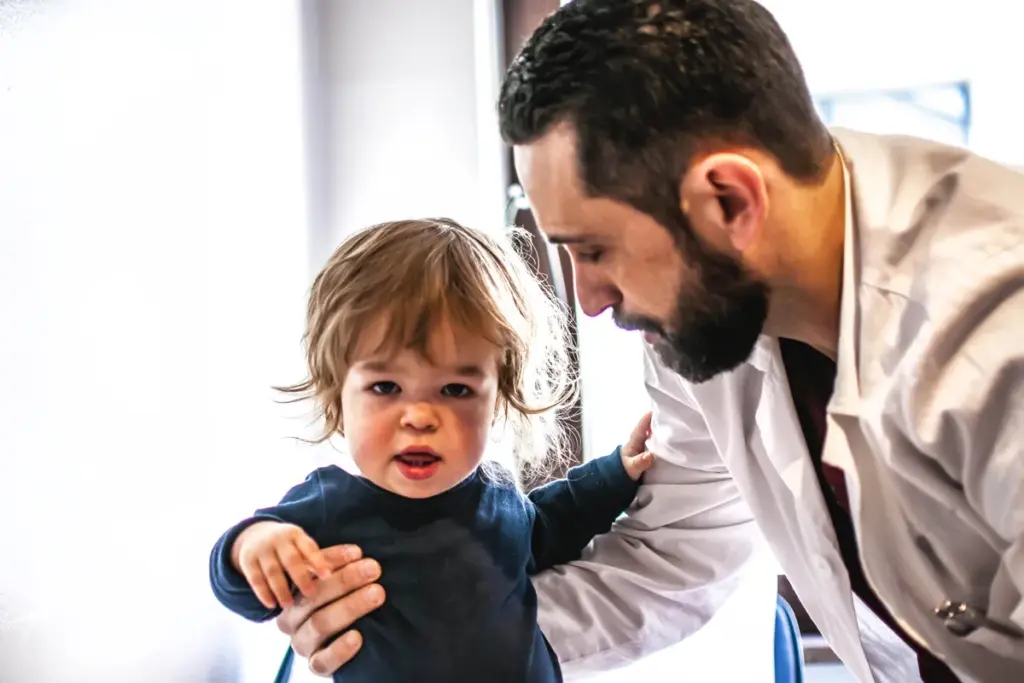
Achondroplasia is the most common short-limbed dwarfism. It affects about 1 in 15,000 to 40,000 newborns globally. This genetic disorder happens because of mutations in the FGFR3 gene. It stops cartilage from turning into bone during growth.
This condition leads to severe, uneven short stature. It makes up over 90% of cases of short stature. Knowing about its genetic causes, physical signs, and health issues is key for good care.
Key Takeaways
- Achondroplasia is the most common genetic cause of short-limbed dwarfism.
- It affects approximately 1 in 15,000 to 40,000 newborns worldwide.
- The condition is caused by mutations in the FGFR3 gene.
- Achondroplasia represents more than 90% of cases of disproportionate short stature.
- Understanding its genetic origins is essential for good patient care.
Understanding Achondroplasia Dwarfism: Definition and Genetic Causes

Achondroplasia is a genetic disorder that affects bone growth. It leads to short stature and specific physical features. To understand achondroplasia, we need to look at its genetic causes and how it affects cartilage and bone development.
Fact 1: Achondroplasia Is the Most Common Skeletal Dysplasia Worldwide
Achondroplasia is the most common short-limbed dwarfism worldwide. It happens in about 1 in 20,000 to 1 in 30,000 births. This condition comes from a mutation in the fibroblast growth factor receptor 3 (FGFR3) gene.
Prevalence of Achondroplasia:
- Occurs in 1 in 20,000 to 1 in 30,000 births
- Most common form of short-limbed dwarfism
- Affects individuals worldwide, across different ethnicities
Fact 2: FGFR3 Gene Mutations Cause the Condition
The genetic basis of achondroplasia is mutations in the FGFR3 gene. This gene encodes a protein key to bone growth and development. The mutation causes the FGFR3 protein to overactivate, disrupting bone growth.
A medical genetics study
Fact 3: The Disorder Impairs Cartilage-to-Bone Conversion
Achondroplasia hinders the process of endochondral ossification. This is where cartilage turns into bone. The mutation in the FGFR3 gene affects bone development, leading to achondroplasia’s characteristic features.
| Biological Process | Effect of Achondroplasia |
| Endochondral Ossification | Impaired cartilage-to-bone conversion |
| Bone Growth | Disrupted linear bone growth |
| FGFR3 Gene Function | Overactivation due to mutation |
In conclusion, achondroplasia’s genetic causes and effects on cartilage and bone development are complex. It involves a mutation in the FGFR3 gene that disrupts bone growth processes.
Physical Characteristics and Symptoms of Achondroplasia
Achondroplasia shows through various physical symptoms that need careful management. People with this condition have unique physical traits.
Disproportionate Short Stature Defines the Condition
Disproportionate short stature is a key feature of achondroplasia. Limbs are much shorter than usual, while the torso is normal size. This gives a clear, recognizable look.
Studies show that those with achondroplasia usually grow to about 4 feet tall. Males reach 122 cm, and females 124 cm. The long bones are affected, causing rhizomelic shortening in arms and legs.
Distinctive Head and Facial Features Are Characteristic
Those with achondroplasia often have macrocephaly, or a larger head. They also have frontal bossing, a noticeable forehead. Midface hypoplasia can cause a flat nasal bridge and a sticking-out jaw.
Unique Hand and Limb Abnormalities Appear
Achondroplasia also shows in hand and limb issues. These include brachydactyly (short fingers) and a trident hand configuration. The hand looks short and has a unique shape. Genu varum (bowed legs) is common and might need orthopedic help.
| Physical Characteristic | Description |
| Disproportionate Short Stature | Limbs are significantly shorter than average |
| Macrocephaly | Enlarged head size |
| Brachydactyly | Short fingers |
| Genu Varum | Bowed legs |
Knowing these physical traits and symptoms is vital for the right care and support for those with achondroplasia.
Skeletal Complications and Inheritance Patterns
It’s key to know about achondroplasia’s skeletal issues and how it’s passed down. Achondroplasia is inherited in an autosomal dominant pattern. This means just one copy of the mutated gene causes the condition.
Most cases come from spontaneous mutations. But, the chance of these mutations goes up with older dads. This shows how complex achondroplasia’s genetics are. It also shows why genetic counseling is so important.
Serious Spinal Complications Can Develop
Achondroplasia can lead to serious spinal problems. These include spinal stenosis, kyphosis, and lordosis. These issues can cause neurological problems if not treated right.
“Managing spinal issues in achondroplasia needs a team effort,” say doctors. This team includes orthopedic and neurological experts.
In rare cases, achondroplasia can cause homozygous dwarfism. This happens when someone gets two mutated genes, one from each parent. Knowing about these risks is vital for families with achondroplasia.
The condition’s effects on bones highlight the need for regular doctor visits. A proactive approach to managing complications is also key.
Conclusion
Achondroplasia is a common skeletal disorder that affects many people around the world. It’s important to know about its causes, symptoms, and how it’s passed down in families. This knowledge helps in providing the right care and support.
Understanding achondroplasia’s unique features, like short stature and special hand and limb issues, helps those affected. The genetic link to the FGFR3 gene shows why genetic counseling and family support are key.
In wrapping up our look at achondroplasia, it’s clear we need a deep understanding of it. This understanding helps create a supportive space. By embracing achondroplasia’s complexities and raising awareness, we aim for a more inclusive and empowering life for those with this condition.
FAQ
What is achondroplasia?
Achondroplasia is the most common form of disproportionate dwarfism, caused by abnormal bone growth affecting the limbs.
What causes achondroplasia?
It is caused by a genetic mutation in the FGFR3 gene, which affects cartilage formation and bone growth.
What are the physical characteristics of achondroplasia?
Characteristics include short stature, shortened arms and legs, a large head with a prominent forehead, and a flattened bridge of the nose.
Is achondroplasia inherited?
Yes, it can be inherited in an autosomal dominant pattern, though many cases result from spontaneous mutations.
What are the possible complications of achondroplasia?
Complications can include spinal stenosis, sleep apnea, obesity, ear infections, and joint problems.
How is achondroplasia diagnosed?
Diagnosis is based on physical examination, family history, imaging studies, and genetic testing to confirm FGFR3 mutations.
What is the prevalence of achondroplasia?
Achondroplasia affects about 1 in 25,000 to 30,000 births worldwide.
Can achondroplasia be treated?
There is no cure, but treatments like growth hormone therapy, surgery, and supportive care can improve mobility and health outcomes.
References
National Center for Biotechnology Information. Evidence-Based Medical Insight. Retrieved from https://pmc.ncbi.nlm.nih.gov/articles/PMC8465972/