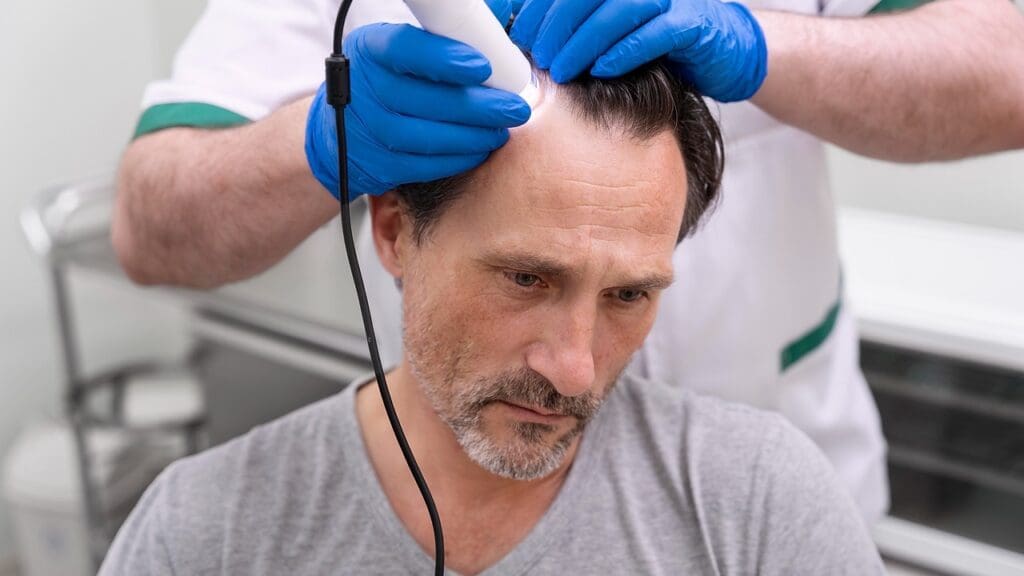
Having brain surgery can be scary, and worries about head shaving and hair care after are common.
At Liv Hospital, we promise to give you top-notch care and support every step of the way.
Many patients ask about head shaving practices for brain surgery. Today, usually only a small scalp area is shaved, not the whole head. This depends on the surgery’s location and type.
Make sure to talk to your surgeon about what procedures and tests you’ll face. This way, you’ll know what to expect.
Key Takeaways
- Only a small area of the scalp is typically shaved for brain surgery.
- Ask your surgeon about the specific procedures and tests you’ll undergo.
- Liv Hospital provides patient-centered care and support throughout your journey.
- Post-surgery hair care is an essential aspect of the recovery process.
- Our team is dedicated to providing world-class care and support.
The Evolution of Head Shaving Practices in Neurosurgery
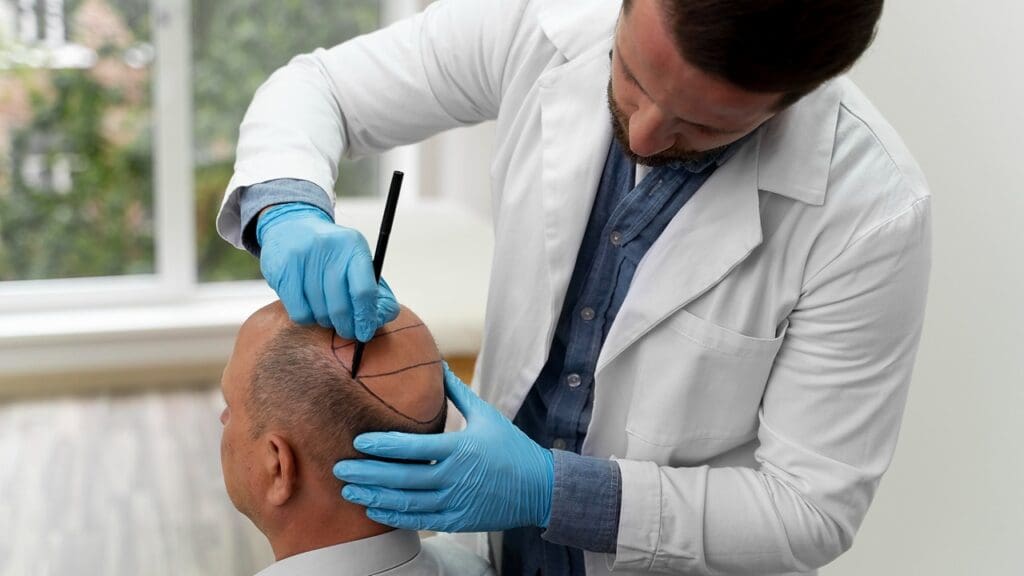
Head shaving in neurosurgery has changed a lot. Now, we focus on making surgery less invasive and more comfortable for patients. We’ve moved away from old, more invasive methods to new ones that care for both the surgery and the patient.
Historical Approaches to Scalp Preparation
Long ago, shaving the whole head was common in neurosurgery. It was thought to lower the chance of infections at the surgery site.
Traditional Full-Head Shaving Methods
Old methods involved shaving the whole scalp to make the surgery area clean. But, this made patients more anxious and uncomfortable.
Transition to Evidence-Based Practices
New studies showed that shaving the whole head isn’t always needed to stop infections. So, we started using methods that only shave hair around the surgery area.
Modern Minimalist Approaches
Today, neurosurgery uses less invasive scalp preparation. We focus on shaving just the area needed for surgery, not the whole head.
Benefits of Targeted Shaving
Targeted shaving makes patients less anxious and uncomfortable. Research shows it doesn’t raise the risk of infections at the surgery site.
Patient Psychological Impact
Shaving less hair helps reduce the emotional stress on patients. It shows we care about making patients the center of our focus in neurosurgery.
Do They Shave Your Head for Brain Surgery? The Current Approach
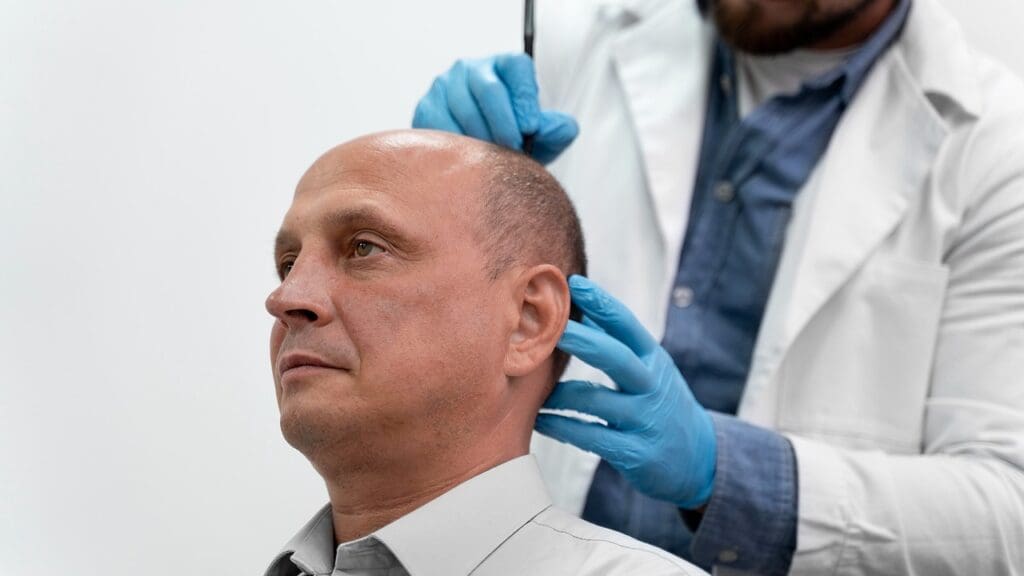
Today, not all brain surgeries require shaving your whole head. Usually, only a small part of your scalp is shaved. This depends on where and what kind of surgery you need.
Partial Shaving vs. Complete Head Shaving
Whether you’ll have partial or complete shaving depends on your surgery and the surgeon’s choice. Partial shaving is more common. It means shaving just the area where the surgery will happen.
Surgery-Specific Shaving Requirements
Each neurosurgery has its own shaving needs. For example, some surgeries only need a small scalp section shaved.
Surgeon Preferences and Hospital Protocols
What the surgeon likes and hospital rules also matter. Some surgeons choose less shaving to make patients more comfortable and help them recover faster.
Factors That Determine Shaving Extent
Several things decide how much shaving you’ll need for brain surgery. Knowing these can help you get ready for what’s coming.
Location and Size of Surgical Site
The spot and size of your surgery are key. If it’s in an easy-to-reach area, you might not need much shaving.
Type of Neurosurgical Procedure
The kind of surgery you’re having also matters. For instance, a craniotomy might need a different shaving method than other surgeries.
| Surgical Procedure | Typical Shaving Requirement |
|---|---|
| Craniotomy | Partial shaving around the surgical site |
| Endoscopic Surgery | Minimal shaving, often just a small area |
| Complex Brain Surgery | May require more extensive shaving depending on the complexity |
The Science Behind Surgical Shaving: Infection Prevention
Infection prevention is key in neurosurgery, with surgical shaving playing a big role. We look into the science of surgical shaving. This includes the risks of infection and how new methods lower these risks. We also consider how these methods affect patient comfort and mental health.
Understanding Infection Risks in Neurosurgery
Neurosurgery comes with risks of infection, which can be very serious for patients. Infection prevention strategies are vital to reduce these risks.
Bacterial Colonization of Hair
Hair can harbor bacteria, which might cause infections after surgery. Bacterial colonization of hair is a big worry in neurosurgery.
Surgical Site Infection Statistics
SSIs are a major problem in neurosurgery. Knowing these statistics helps us see why infection prevention is so important.
Research on Minimal Hair Removal Techniques
Recent studies focus on removing less hair to lower infection risks while keeping patients comfortable. Minimal hair removal techniques are gaining popularity.
Studies on Infection Rates with Limited Shaving
Research shows that limited shaving doesn’t raise the risk of SSIs. It can even lower the risk by reducing skin irritation.
Modern Sterilization Techniques
New sterilization techniques have cut down infection risks in neurosurgery. Modern methods ensure the surgical area is well-sterilized, lowering SSI risks.
By grasping the science of surgical shaving and using modern infection prevention methods, we can lower risks in neurosurgery. Our medical team takes all precautions to keep patients safe. This includes wearing theatre gowns, hats, and masks to prevent infections.
Preparing for Surgery: What to Expect with Head Shaving
Getting ready for brain surgery can be nerve-wracking. Knowing about head shaving can ease some of that worry. We’ll walk you through what happens during consultations, paperwork, and the actual shave.
Pre-Surgical Consultation and Planning
Before surgery, we’ll talk everything over with you. Talking about hair removal with your surgeon is key. It helps you understand how much shaving you’ll need.
Discussing Hair Removal with Your Surgeon
Your surgeon will explain why and how they’ll shave your head. This is your chance to ask any questions you have.
Documentation and Consent Process
Your nurse will ask you a series of questions to make sure you’re ready. This includes talking about the consent form, which covers head shaving. “It’s a process that ensures we’re all on the same page,” says one of our surgical nurses.
The Shaving Process and Patient Experience
The shave happens right before surgery in the operating room. Knowing when and how it’s done can make you feel more ready.
Timing of Hair Removal
Hair removal happens right before surgery to lower infection risk. Our team works carefully to keep you comfortable.
Methods Used for Surgical Shaving
After surgery, keep your scalp and the surgical area safe. Use soft hats or scarves to avoid irritation and infection. We’re here to help you through recovery.
“The key to a successful surgical outcome is preparation. We’re here to support you every step of the way.”
Immediate Post-Surgery Scalp Care and Protection
Scalp care is key after brain surgery. It helps avoid complications and aids in a smooth recovery. Proper care is essential during this time.
Caring for the Surgical Site
Keeping the surgical site clean is vital to prevent infection. Gently clean the area with mild soap and water, as your doctor advises. It’s important to follow these guidelines to avoid irritating the sensitive area.
Wound Cleaning Guidelines
- Gently wash the area with mild soap and lukewarm water.
- Pat dry with a clean towel; avoid rubbing the surgical site.
- Follow your healthcare provider’s instructions for dressing changes.
Signs of Infection to Monitor
Watch for signs of infection like redness, swelling, or unusual discharge. If you see these symptoms, call your doctor right away.
Protective Headwear Options After Brain Surgery
Protective headwear shields the scalp from irritation and infection. Soft hats and scarves are recommended because they are gentle on the surgical site.
Recommended Soft Hats and Scarves
- Choose soft, breathable materials like cotton.
- Opt for loose-fitting hats to avoid pressure on the surgical site.
- Consider scarves as an alternative to hats for added comfort.
Sun Protection for Healing Scalp
It’s important to protect the scalp from the sun during healing. Use hats or scarves with a UPF rating to block harmful UV rays. Also, apply a broad-spectrum sunscreen with at least SPF 30 for extra protection.
By following these guidelines and using protective headwear, patients can significantly reduce the risk of complications and promote a healthy recovery.
Hair Regrowth After Brain Surgery: Timeline and Expectations
After brain surgery, patients often wonder when their hair will grow back. Hair regrowth is a key part of recovery. Knowing when it will happen helps manage expectations.
Typical Hair Regrowth Patterns
Hair regrowth after brain surgery usually follows a pattern. But, the rate can differ from person to person. At first, the scalp may be sensitive, and hair follicles may be dormant due to surgery stress.
Week-by-Week Regrowth Timeline
The regrowth process has several stages:
- 0-4 weeks: The scalp is sensitive, and there’s usually no visible hair growth.
- 4-8 weeks: Fine hair may start to appear around the surgical site.
- 8-12 weeks: Hair growth becomes more noticeable, though it may be thinner or softer than before.
- 3-6 months: Hair growth accelerates, and the hair may start to return to its pre-surgery texture.
Changes in Hair Texture and Appearance
Some patients may notice changes in their hair after brain surgery. This can include:
- Hair growing back thinner or softer
- Changes in hair color
- Scar tissue affecting hair growth around the surgical site
Factors Affecting Hair Regrowth
Several factors can influence hair regrowth after brain surgery. These include the patient’s overall health, age, and any additional treatments they may undergo.
Age and Health Considerations
Older patients or those with certain health conditions may experience slower hair regrowth. Keeping good overall health through a balanced diet and proper care can support the regrowth process.
Impact of Radiation and Other Treatments
Patients who undergo radiation therapy or other treatments as part of their brain surgery recovery may experience different hair regrowth patterns. Radiation, in particular, can significantly impact hair follicles, potentially leading to slower or thinner regrowth.
| Factor | Impact on Hair Regrowth |
|---|---|
| Age | Older patients may experience slower regrowth |
| Radiation Therapy | Can lead to slower or thinner regrowth |
| Overall Health | Good health supports faster regrowth |
Understanding these factors and maintaining a positive outlook can help patients navigate the hair regrowth process after brain surgery. We encourage patients to discuss their specific situation with their healthcare provider to get personalized advice on what to expect during their recovery.
Managing Craniotomy Scars and Hair Growth Challenges
It’s important to manage scars after a craniotomy for patients’ recovery. Scars from brain surgery can look different and affect hair growth. Knowing how scars form and impact hair is key for good care after surgery.
Understanding Scar Formation After Brain Surgery
Scar formation after a craniotomy is a natural healing process. The body goes through inflammation, proliferation, and remodeling phases. These phases lead to scar tissue formation.
Types of Craniotomy Scars
Craniotomy scars can vary in appearance and healing process. There are:
- Hypertrophic scars, which are raised and can be red or inflamed
- Atrophic scars, which are depressed or sunken
- Keloid scars, which are overgrown and can extend beyond the original incision site
Hair Growth Around Scar Tissue
Hair growth around scars can be affected. In some cases, hair may not grow back in the scar. In others, it may grow back normally or even thicker.
Techniques to Minimize Scarring
To minimize scarring, proper wound care and treatments are needed. Gentle care of the surgical site is important in the early stages.
Medical Treatments for Scar Reduction
Several medical treatments can reduce scar appearance. These include:
- Topical silicone gel or sheeting to flatten and soften scars
- Laser therapy to reduce redness and improve texture
- Steroid injections to reduce inflammation and size of raised scars
When to Consider Scar Revision
In some cases, scar revision surgery may be needed. This is usually considered after the scar has fully matured. This is often several months to a year after the surgery.
Always follow your healthcare provider’s advice on managing scars and hair growth. They may recommend certain medications to prevent complications and ensure a smooth recovery.
Hairstyle Solutions and Adaptations After Brain Surgery
Patients who have had brain surgery often find it hard to style their hair during recovery. They might need to choose hairstyles that are both comfortable and simple to care for.
Short-Term Hairstyle Options During Recovery
In the early stages of recovery, patients often go for simple hairstyles. These styles should not bother the scalp or slow down healing. Low-maintenance cuts are great because they don’t need much styling and are less likely to cause discomfort.
Low-Maintenance Cuts for Healing Phase
Short hair or pixie cuts are good choices because they’re easy to handle. They also help keep the scalp cool and well-ventilated. Our team, including occupational therapists, can help pick the best hairstyle for this time.
Temporary Coverage Solutions
Hats, scarves, or wigs can be good for covering the scalp. They offer comfort and help hide shaved or partially shaved spots.
Long-Term Strategies for Concealing Scars
As recovery goes on, patients might look for ways to hide scars or hair loss. Strategic haircuts can be very helpful in this area.
Strategic Haircuts for Scar Concealment
Working with a skilled hairstylist who knows how to hide scars is key. Cuts like layering or asymmetry can effectively cover scars, making patients feel more confident.
Working with Hair Stylists Who Understand Medical Needs
Finding hair stylists who know how to work with brain surgery patients is important. For example, a patient on Uchealth’s patient stories found a stylist who helped them find a flattering style after surgery.
| Hairstyle Option | Benefits | Best For |
|---|---|---|
| Low-Maintenance Cuts | Easy to manage, reduces discomfort | Initial recovery phase |
| Temporary Coverage Solutions | Conceals scalp, provides comfort | Short-term recovery |
| Strategic Haircuts | Conceals scars, boosts confidence | Long-term recovery |
Conclusion: Embracing Recovery and Hair Care After Brain Surgery
Recovering from brain surgery is a big journey. It’s not just about healing from the surgery. It’s also about getting used to changes in how you look and taking care of your hair. At Liv Hospital, we’re here to help you every step of the way. We offer care that meets your medical and personal needs.
During your recovery, you’ll have regular tests to check how your brain is healing. Our team will see you often, right after surgery and later on. We know how important your hair is during this time. We’ll help you with scalp care and protection.
We aim to give you the best care at every stage of your treatment and recovery. By supporting you with brain surgery care, we help you take charge of your healing. We focus on your hair care and overall health to make your recovery as easy and stress-free as possible.
Do they shave your head for brain surgery?
Shaving the head for brain surgery depends on the surgery type and the team’s choice. Today, only the needed area is shaved, thanks to modern methods.
What to wear on my head after brain surgery?
Wear protective headwear after surgery to help heal. Choose soft caps, hats, or headbands that are gentle and don’t press too hard on the surgery site.
How will my hair look after brain surgery?
Hair growth after surgery is normal, but health and nutrition play a big role. You might notice changes in hair texture or look, but these are usually short-term.
What kind of haircut should I get after brain surgery?
Go for short, easy hairstyles after surgery to avoid scalp irritation. As you heal, you can explore longer-term styles to hide scars, with the help of a sensitive stylist.
Will I have a scar after a craniotomy, and how will it affect my hair growth?
Craniotomy scars can affect hair growth. Knowing about scars and using treatments can help manage the scar and support hair growth.
How do I care for my scalp after brain surgery?
Proper scalp care is key for healing and avoiding problems. Clean the wound gently, watch for infection signs, and wear protective headwear as advised by your team.
Can I style my hair to conceal the scar after brain surgery?
Yes, you can style your hair to hide scars. A stylist who knows your needs can help find a style that helps with recovery and scar hiding.
What is the typical timeline for hair regrowth after brain surgery?
Hair regrowth after surgery varies, but usually starts a few months after. Health, nutrition, and surgery extent can affect growth rate and thickness.
How can I minimize scarring after a craniotomy?
To reduce scarring, understand scar formation and use treatments or scar revision. Proper wound care and following up with your team are also key.
References
- UCHealth (Hair-Sparing Surgical Approach) : https://www.uchealth.com/en/media-room/patient-stories/hair-sparing-surgical-approach-helps-brain-tumor-patient-achieve-a-sense-of-normalcy
- Cancer Research UK (What Happens Before Brain Tumour Surgery) : https://www.cancerresearchuk.org/about-cancer/brain-tumours/treatment/surgery/what-happens-before
- PubMed/NCBI : https://pubmed.ncbi.nlm.nih.gov/8748797
- Mount Sinai (Brain Surgery) : https://www.mountsinai.org/health-library/surgery/brain-surgery
- PubMed/NCBI : https://pubmed.ncbi.nlm.nih.gov/21721875



 Departments
 Related Videos
 Our Doctors
 News
News