
Thyrotoxicosis with diffuse goiter is a big problem worldwide. It’s mainly caused by Graves’ disease. This disease is behind 60 to 80 percent of all cases of hyperthyroidism.
About 1 in 200 people have this condition. It’s a big health issue. Hyperthyroidism from Graves’ disease means too much thyroid hormone. This includes triiodothyronine (T3) and thyroxine (T4).
It’s important to know about thyrotoxicosis. Knowing about it helps patients and doctors avoid big problems. These problems include heart disease and a life-threatening condition called thyroid storm.
Key Takeaways
- Thyrotoxicosis with diffuse goiter is a significant endocrine disorder worldwide.
- Graves’ disease is the primary cause of hyperthyroidism, responsible for 60 to 80 percent of cases.
- The condition affects approximately 1 in 200 people globally.
- Excessive thyroid hormone activity is a hallmark of thyrotoxicosis.
- Prompt recognition and management can prevent serious health complications.
What Is Thyrotoxicosis With Diffuse Goiter?
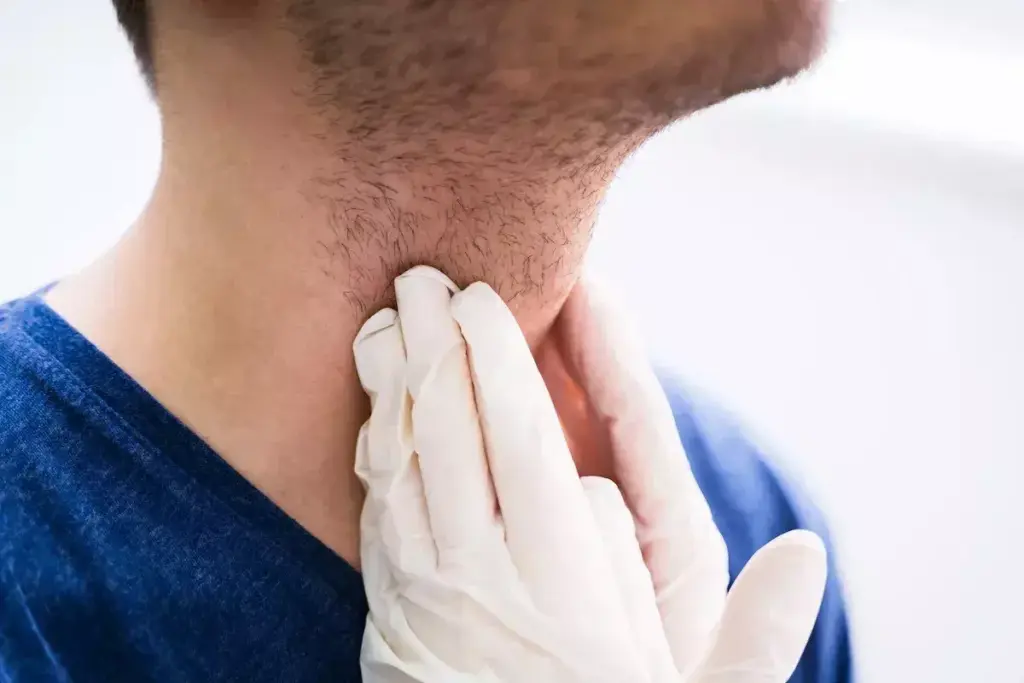
Thyrotoxicosis with diffuse goiter is a complex thyroid disorder. It’s closely linked to Graves’ disease. We will look into its definition, its connection to Graves’ disease, and the autoimmune aspects that define it.
Definition and Relationship to Graves’ Disease
Thyrotoxicosis with diffuse goiter is often the same as Graves’ disease. It’s an autoimmune disorder that causes hyperthyroidism. The condition is marked by thyroid-stimulating immunoglobulins that activate the TSH receptor.
This activation leads to too much thyroid hormone production. It causes the thyroid gland to grow, resulting in a diffuse goiter.
The Autoimmune Nature of the Condition
The autoimmune nature of Graves’ disease is key to understanding thyrotoxicosis with diffuse goiter. Autoantibodies act like TSH, making the thyroid gland produce too much thyroid hormone. This autoimmune response sets Graves’ disease apart from other hyperthyroidism causes.
It makes Graves’ disease a unique condition that needs specific treatments.
Epidemiology: Who Gets This Condition?
<Dec-4646-7_image_3>
Thyrotoxicosis with diffuse goiter affects many people worldwide. It’s often linked to Graves’ disease. This condition impacts global health significantly.
Global Prevalence and Incidence Rates
Hyperthyroidism, closely related to thyrotoxicosis with diffuse goiter, affects 0.2% to 1.2% of the global population. This shows a wide range in how common it is in different groups. Graves’ disease, a main cause, has varying rates in different areas.
Gender and Age Distribution
Women are more likely to get thyrotoxicosis with diffuse goiter than men. The ratio is about 7:1 to 10:1 female to male. It can happen at any age but usually starts between 20 and 50 years. Knowing who is most at risk helps in planning better healthcare.
- Higher prevalence among women
- Typical onset between 20 and 50 years of age
- Variability in global prevalence and incidence rates
Pathophysiology and Clinical Presentation
In thyrotoxicosis with diffuse goiter, the thyroid gland makes too much thyroid hormone. This happens because of TSH receptor antibodies. These antibodies are a sign of Graves’ disease, a condition linked to this issue.
How TSH Receptor Antibodies Cause Disease
TSH receptor antibodies act like TSH, telling thyroid cells to make more thyroid hormone. This leads to too much hormone in the body. It’s a key sign of Graves’ disease, the main cause of this problem.
Common Symptoms and Physical Findings
People with this condition often lose weight and feel hot all the time. They might also have a fast heart rate, tremors, and feel anxious. A doctor might find a big thyroid gland and a fast heart rate during an exam.
Diagnosis and Management Approaches
Diagnosing thyrotoxicosis with diffuse goiter is complex. It involves clinical signs and diagnostic tests. Getting the diagnosis right is key to managing the condition effectively.
Laboratory Tests and Imaging Studies
Several tests and studies are used to diagnose thyrotoxicosis with diffuse goiter. Thyroid function tests (TFTs) are essential. They check thyroid-stimulating hormone (TSH), free thyroxine (FT4), and free triiodothyronine (FT3) levels.
TSH levels are usually low, while FT4 and FT3 are high. Tests for TSH receptor antibodies are also important. They help identify Graves’ disease, a common cause of this condition.
Radioactive iodine uptake (RAIU) studies are used to pinpoint the cause of thyrotoxicosis. Graves’ disease shows a diffuse, high uptake on these studies.
| Test | Typical Findings in Thyrotoxicosis with Diffuse Goiter |
| TSH | Suppressed |
| FT4, FT3 | Elevated |
| TSH Receptor Antibodies | Often Positive |
| RAIU | Diffuse, Elevated Uptake |
Treatment Options and Considerations
Treatment for thyrotoxicosis with diffuse goiter, often due to Graves’ disease, includes several options. Antithyroid medications, radioactive iodine ablation, and thyroidectomy are used. The choice depends on the disease’s severity, patient preferences, and any contraindications.
Antithyroid medications are often the first choice. They aim to lower thyroid hormone production. Radioactive iodine ablation is a definitive treatment, destroying thyroid tissue to stop hyperthyroidism. Thyroidectomy is considered for large goiters or when other treatments fail.
Each treatment has its own considerations. Side effects and the need for lifelong thyroid hormone replacement therapy are important. This is true after radioactive iodine or surgery.
Conclusion
Thyrotoxicosis with diffuse goiter, often linked to Graves’ disease, is a serious endocrine issue. It needs quick diagnosis and treatment to avoid serious problems. We’ve looked into the key facts about this condition, including its definition, how common it is, its causes, and how it shows up in patients.
This condition is caused by the body’s immune system attacking the thyroid gland. This leads to too much thyroid hormone being made. Symptoms can range from mild to severe and really affect a person’s life quality.
Getting the right diagnosis and treatment for thyrotoxicosis with diffuse goiter is key to avoiding long-term issues like toxic goiter. It’s vital to know about this condition to give the best care to those affected. By spotting the signs and symptoms early, doctors can start treatment quickly. This helps improve how well patients do.
FAQ
What is thyrotoxicosis with diffuse goiter?
Thyrotoxicosis with diffuse goiter is also known as Graves’ disease. It’s an autoimmune condition. It makes the thyroid gland produce too much thyroid hormone, causing hyperthyroidism.
What is the relationship between Graves’ disease and thyrotoxicosis with diffuse goiter?
Graves’ disease is the main cause of thyrotoxicosis with diffuse goiter. These terms are often used the same way.
How common is thyrotoxicosis with diffuse goiter?
This condition is a big endocrine disorder. It affects many people worldwide. Women are more likely to get it.
What are the symptoms of thyrotoxicosis with diffuse goiter?
Symptoms include losing weight, feeling hot all the time, and having a fast heart rate. The thyroid gland also gets bigger.
How is thyrotoxicosis with diffuse goiter diagnosed?
Doctors use lab tests and imaging studies to diagnose it. Tests like thyroid function tests and scans are used.
What are the treatment options for thyrotoxicosis with diffuse goiter?
Treatment options include medicines, radioactive iodine, and surgery. The best treatment depends on the patient.
What is the role of TSH receptor antibodies in thyrotoxicosis with diffuse goiter?
TSH receptor antibodies make the thyroid gland make too much hormone. This leads to hyperthyroidism.
Can thyrotoxicosis with diffuse goiter be cured?
There’s no cure, but early treatment can control it. This helps manage symptoms.
How does thyrotoxicosis with diffuse goiter affect global health?
It’s a big public health issue. It affects millions worldwide. Awareness and understanding are key to good care.
What is the female-to-male ratio for thyrotoxicosis with diffuse goiter?
Women are more likely to get it. The female-to-male ratio is about 5-10:1.
What is the typical age of onset for thyrotoxicosis with diffuse goiter?
It can happen at any age. But it usually affects people between 20 and 50.
REFERENCES:
National Center for Biotechnology Information. Evidence-Based Medical Guidance. Retrieved from https://www.ncbi.nlm.nih.gov/pmc/articles/PMC5027993/