
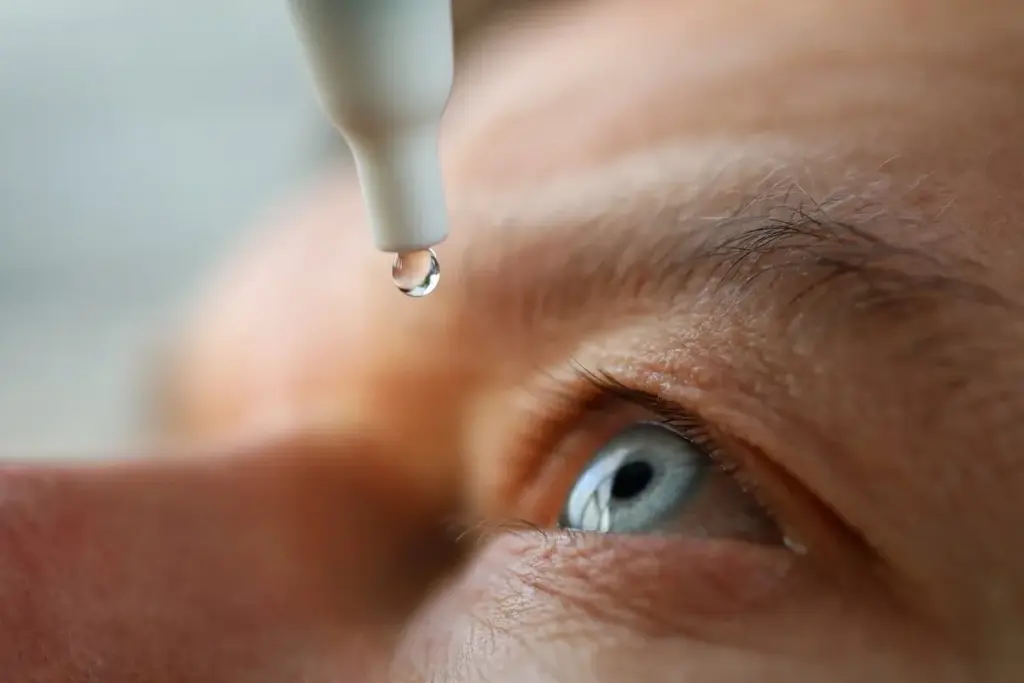
Glaucoma medications are key in eye care today. They help manage high eye pressure. If not treated, glaucoma can cause permanent vision loss.
These meds can lower eye pressure well. But, they can also cause side effects like redness and irritation. Knowing about these side effects is important for keeping your eyes healthy and your life quality good.
We will look at the different types of glaucoma meds. We’ll see how they might affect you. This will help you make better choices for your care.
Key Takeaways
- Glaucoma medications are a common treatment approach for managing elevated intraocular pressure.
- Various classes of medications are available, each with different side effects.
- Understanding the possible complications of these treatments is key to keeping your eyes healthy.
- Many patients face side effects like redness and irritation.
- Making informed choices is essential for managing glaucoma effectively.
Understanding Antiglaucoma Drugs and Why Side Effects Occur
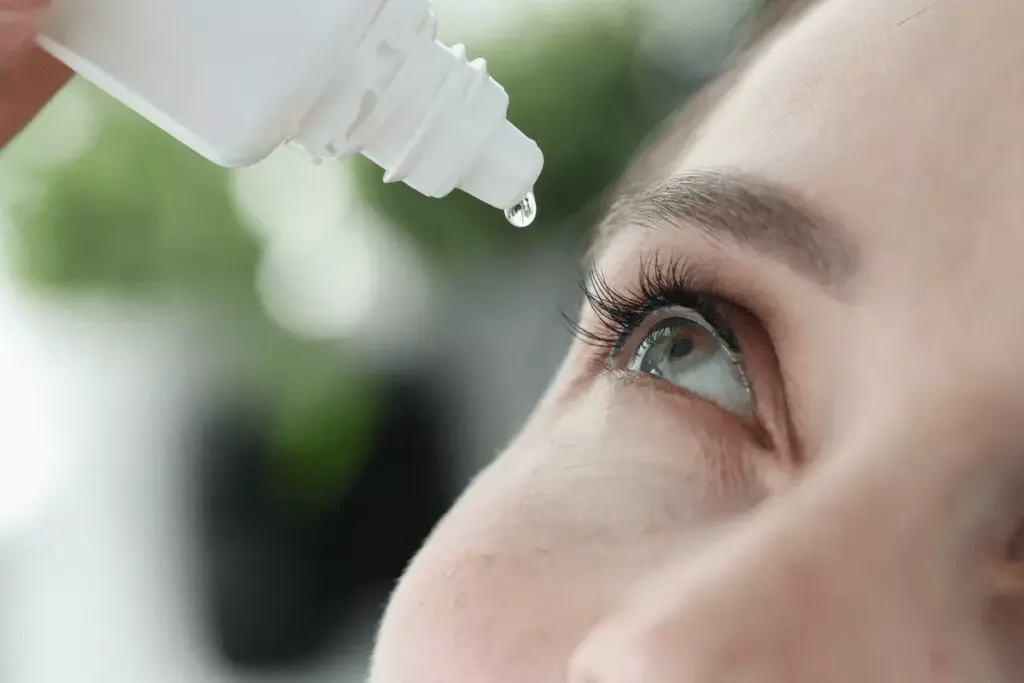
To manage glaucoma well, knowing about antiglaucoma drugs and their side effects is key. These drugs help control glaucoma by lowering eye pressure. They do this by either making less fluid in the eye or helping it drain better.
There are many types of antiglaucoma drugs. Each works in a different way. Prostaglandin analogs, like latanoprost, help fluid drain better. But, they can change eye color and make eyelashes grow longer.
Beta blockers make less fluid in the eye. They’re good but can affect heart rate and blood pressure. Alpha agonists also make less fluid and help it drain. But, they can cause dry mouth and eye irritation.
Carbonic anhydrase inhibitors make less fluid in the eye. They can be applied to the eye or taken by mouth. Side effects range from eye irritation to kidney stones. Rho kinase inhibitors help fluid drain better and are used in certain cases.
It’s important to know about these drugs and their side effects to manage glaucoma well. Understanding how each drug works and what side effects it might have helps patients make better choices. This way, they can reduce the risk of bad effects.
- Prostaglandin analogs: Increase outflow, possible side effects include iris pigmentation changes and eyelash growth.
- Beta blockers: Reduce aqueous humor production, possible systemic side effects.
- Alpha agonists: Decrease production and increase outflow, can cause local side effects.
- Carbonic anhydrase inhibitors: Reduce production, can have local and systemic side effects.
- Rho kinase inhibitors: Increase outflow, used in specific cases.
Also, remember that latanoprost is not a beta blocker. It’s a prostaglandin analog. Knowing this helps understand how it works and its possible side effects.
Common Glaucoma Eye Drops Side Effects You Should Recognize
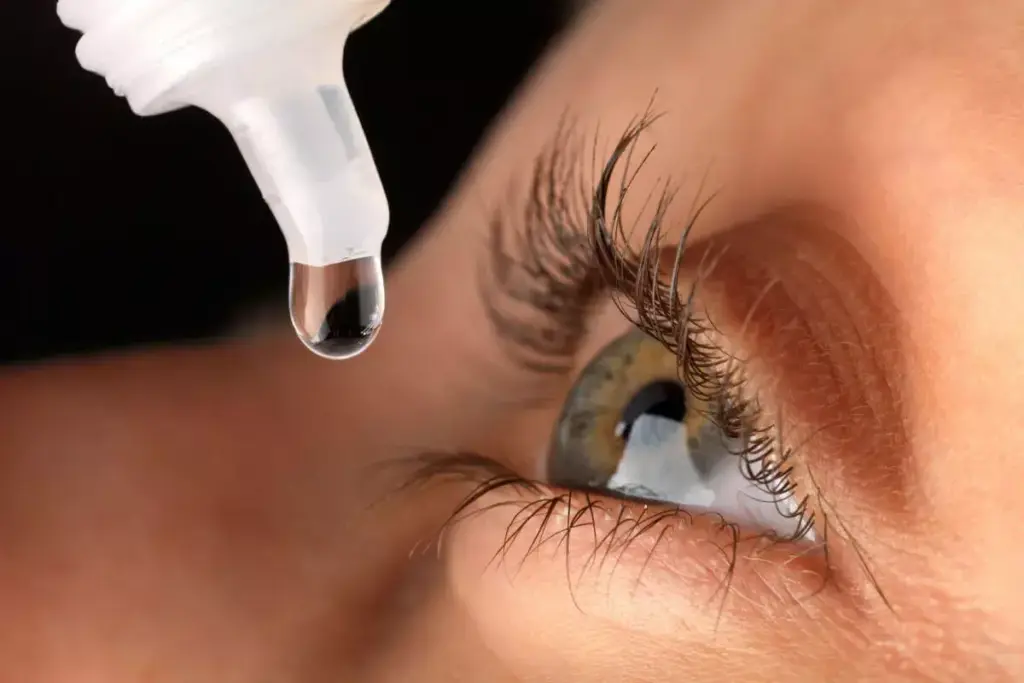
It’s important to know the side effects of glaucoma eye drops to manage your condition well. These drops are a common first treatment for many. They are mostly safe but can cause some side effects. We’ll look at these effects and how to handle them.
Permanent Iris Pigmentation and Eye Color Changes
Some glaucoma medications, like latanoprost, can change the iris color. This can make the iris darker, more noticeable in lighter eye colors. This change is usually not harmful but can be a concern for some.
Eyelash Changes and Eyelid Skin Darkening
These medications can also affect eyelashes and eyelid skin. You might see longer, thicker, or darker eyelashes. Some might notice darker eyelid skin. These changes often go away when you stop using the medication. Knowing about these changes helps manage your expectations.
- Increased eyelash growth
- Thickening of eyelashes
- Darkening of eyelid skin
Eye Redness, Burning, and Conjunctival Irritation
Eye redness, burning, and irritation are common side effects. These symptoms can be uncomfortable and might make it hard to stick to treatment. Using drops without preservatives or adjusting how you use them can help.
Cardiovascular Effects: Blood Pressure and Heart Rate Changes
Some glaucoma medications, like beta-blockers, can affect blood pressure and heart rate. People with heart problems need to be watched closely. Talk to your doctor about any heart concerns to ensure safe treatment.
Knowing about these side effects helps you manage your glaucoma treatment better. Always talk to your doctor if you notice anything unusual.
Conclusion: Managing Side Effects and Choosing the Right Treatment
Antiglaucoma drugs are very good at lowering eye pressure. But, they can cause side effects that affect your eyes and body. It’s important for patients to know about these side effects to make good choices about their treatment.
If you’re having side effects from glaucoma eye drops, your eye doctor might suggest a different medication. This could be another type of glaucoma drop or a different treatment. We help patients find the best treatment for them, considering what might not work well.
Knowing about the side effects of antiglaucoma drugs and talking to your doctor can help manage glaucoma. We aim to give our patients the best care and support. This ensures they get the best treatment results.
FAQ
References
https://pmc.ncbi.nlm.nih.gov/articles/PMC8814563/
What are the common side effects of glaucoma eye drops?
Common side effects include eye redness, irritation, burning, stinging, blurred vision, and dryness.
Can glaucoma eye drops cause permanent changes in eye color?
Yes, prostaglandin analogs like latanoprost can darken the iris or change eyelash color over time.
Are there any systemic side effects associated with glaucoma medications?
Yes, some medications can cause fatigue, low or high blood pressure, slow heart rate, or dizziness, depending on the drug type.
How can I manage the side effects of glaucoma eye drops?
Side effects can be minimized by using the drops as prescribed, applying punctal occlusion (pressing the tear duct), or discussing alternatives with your doctor.
Can I stop using glaucoma eye drops if I experience side effects?
No, stopping drops without medical advice can worsen glaucoma. Talk to your doctor about adjusting medication or switching to another option.
Are there any alternative treatments for glaucoma besides eye drops?
Yes, options include oral medications, laser therapy, and surgical procedures to reduce eye pressure.
Can latanoprost cause high blood pressure?
High blood pressure is not a common side effect of latanoprost; it primarily affects the eyes, not systemic blood pressure.
Is brimonidine associated with hair loss?
Hair loss is not a known common side effect of brimonidine; it mainly causes eye irritation, redness, or dry mouth.
Are there any contraindications for using glaucoma medications?
Yes, contraindications depend on the medication type. For example, beta-blocker eye drops may be unsafe in asthma or certain heart conditions, and some drugs are not suitable for pregnant or breastfeeding women.