

Glucose reading charts are key in diagnosing diabetes today. They help doctors spot type 2 diabetes and prediabetes early. This prevents serious health issues later on.
The American Diabetes Association (ADA) sets the rules for diabetes diagnosis. These rules are based on glucose levels. Knowing these rules helps doctors make the right decisions and act fast.
At Liv Hospital, we use the latest research and care for our patients. We focus on each patient’s needs to give them the best care possible.
Key Takeaways
- The American Diabetes Association provides guidelines for diagnosing diabetes based on glucose levels.
- Understanding glucose reading chart criteria is key for early detection and management of type 2 diabetes.
- Liv Hospital follows a patient-centered approach in diagnosing and treating diabetes.
- Timely interventions can prevent serious complications associated with diabetes.
- Accurate diagnosis relies on specific glucose reading criteria.
Understanding Diabetes Diagnostic Standards

To diagnose type 2 diabetes, doctors use set standards. The American Diabetes Association (ADA) and other groups set these standards. They help make sure people get the right treatment.
The ADA says certain tests are key for diagnosing diabetes. These include fasting blood glucose tests and the A1C test. The fasting blood glucose test checks blood sugar after not eating for a while. The A1C test shows blood sugar levels over two to three months.
It’s important for doctors and patients to know these standards. Doctors use them to find people with type 2 diabetes and plan their treatment. Understanding these tests and how to read them is part of the process.
For example, a fasting blood glucose level of 126 mg/dL or higher means you have diabetes, the ADA says. An A1C test result of 6.5% or higher also means you have diabetes. These numbers help doctors tell who has diabetes and who doesn’t.
Explaining these standards helps us understand how type 2 diabetes is diagnosed.
7 Glucose Reading Chart Criteria Used by Healthcare Professionals
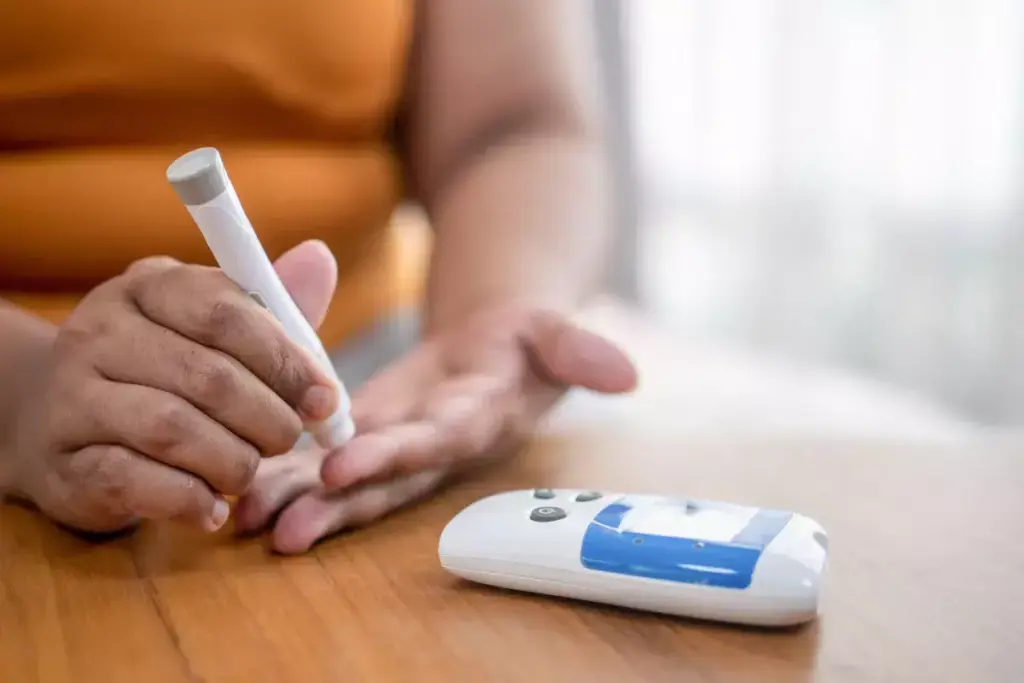
Healthcare experts use specific glucose reading charts to spot type 2 diabetes. These charts come from trusted medical groups and are backed by lots of research. Knowing these charts is key for doctors and people who want to understand their health.
1. Fasting Blood Glucose of 126 mg/dL or Higher
A fasting blood glucose level of 126 mg/dL or more shows type 2 diabetes. This test is done after not eating for at least 8 hours. It checks how well the body controls blood sugar without food.
2. Prediabetic Fasting Glucose Range of 100-125 mg/dL
Glucose levels between 100-125 mg/dL mean you might have prediabetes. This is when blood sugar is higher than normal but not high enough to be diabetes. We see this as a sign to do more tests and take steps to prevent diabetes.
3. Random Plasma Glucose of 200 mg/dL or Greater
A random plasma glucose of 200 mg/dL or more, with symptoms like more thirst and urination, means you have type 2 diabetes. This test is helpful when you can’t get a fasting sample.
4. A1C Test Results of 6.5% or Higher
The A1C test shows your blood sugar levels over 2-3 months. An A1C of 6.5% or more means you have type 2 diabetes. We use this test to check how well you control your blood sugar over time.
The table below shows the criteria for diagnosing type 2 diabetes:
| Criterion | Value | Diagnosis |
| Fasting Blood Glucose | 126 mg/dL or higher | Type 2 Diabetes |
| Fasting Blood Glucose | 100-125 mg/dL | Prediabetes |
| Random Plasma Glucose | 200 mg/dL or greater | Type 2 Diabetes |
| A1C Test | 6.5% or higher | Type 2 Diabetes |
These criteria are key for diagnosing and managing type 2 diabetes. By using these charts, doctors can give accurate diagnoses and create good treatment plans.
Why Early Detection Through Glucose Monitoring Matters
Finding diabetes early through glucose monitoring can greatly help patients. It’s key to understand glucose levels to manage diabetes well. This way, people can take steps to keep their health in check.
The Role of Glycemic Burden in Long-Term Health Outcomes
Glycemic burden is the long-term effect of high blood sugar on the body. Chronic hyperglycemia can cause serious problems like heart disease, kidney damage, and nerve damage. By monitoring glucose, we can understand the glycemic burden and lessen its harm.
Studies show that keeping blood sugar in a target range can lower the risk of diabetes complications. We stress the need for regular glucose monitoring to reach this goal.
Intervention Strategies During the Prediabetic Window
The prediabetic window, with a fasting glucose of 100-125 mg/dL, is a key time for action. Here, people can make lifestyle changes to stop type 2 diabetes from happening. Lifestyle modifications like eating right, exercising more, and managing weight can work well.
Some important steps include:
- Eating a balanced diet low in sugar and saturated fats
- Doing regular physical activity, like walking or aerobic exercises
- Keeping a healthy weight to fight insulin resistance
- Checking glucose levels often to see how well these steps are working
Acting early in the prediabetic window can greatly lower the risk of getting type 2 diabetes. We urge those with prediabetes to team up with their healthcare providers to create a personalized plan.
Conclusion
Knowing the 7 glucose reading chart criteria for Type 2 diabetes diagnosis is key. It helps in accurate diagnosis and effective management. We’ve covered the main criteria used by doctors, like fasting blood glucose levels and A1C test results.
Using these criteria in clinical practice helps find and treat diabetes early. This leads to better patient outcomes. Healthcare providers can create specific treatment plans by understanding these criteria and glucose ranges.
Early detection through glucose monitoring is critical in preventing diabetes complications. We stress the need to follow established criteria for diagnosing Type 2 diabetes. This ensures timely and proper care for those affected.
FAQ
What are the diagnostic criteria for Type 2 diabetes established by the American Diabetes Association (ADA)?
The ADA defines Type 2 diabetes by fasting glucose ≥126 mg/dL, A1C ≥6.5%, or a 2-hour glucose ≥200 mg/dL during an OGTT.
A random plasma glucose ≥200 mg/dL with symptoms of hyperglycemia also meets the diagnostic criteria.
What is the significance of glucose reading charts in diagnosing Type 2 diabetes?
Glucose reading charts help track blood sugar trends and identify abnormal levels over time.
They provide a visual reference for clinicians to confirm diabetes or prediabetes and guide treatment.
What is the fasting blood glucose threshold for diagnosing Type 2 diabetes?
A fasting blood glucose level of 126 mg/dL or higher on two separate occasions indicates Type 2 diabetes.
Levels between 100–125 mg/dL are considered prediabetic.
What is the prediabetic fasting glucose range?
Prediabetic fasting glucose is defined as 100–125 mg/dL.
This range signals impaired fasting glucose and an increased risk of progressing to Type 2 diabetes.
How does the A1C test diagnose Type 2 diabetes?
The A1C test measures average blood sugar over 2–3 months, with ≥6.5% indicating diabetes.
Values between 5.7%–6.4% indicate prediabetes and higher future risk.
What is the role of glycemic burden in long-term health outcomes?
Glycemic burden refers to prolonged exposure to high blood sugar levels over time.
Higher glycemic burden increases the risk of complications like cardiovascular disease, kidney disease, and neuropathy.
Why is early detection through glucose monitoring important?
Early detection allows timely lifestyle or medical interventions to prevent or delay complications.
It helps maintain healthy blood sugar levels and improves long-term metabolic outcomes.
What are the benefits of understanding glucose reading chart criteria for Type 2 diabetes diagnosis?
Understanding the criteria helps individuals and healthcare providers identify abnormal glucose patterns early.
It supports informed decisions about treatment, diet, exercise, and monitoring to prevent complications.
References
National Center for Biotechnology Information. Evidence-Based Medical Insight. Retrieved from https://pmc.ncbi.nlm.nih.gov/articles/PMC8465972/