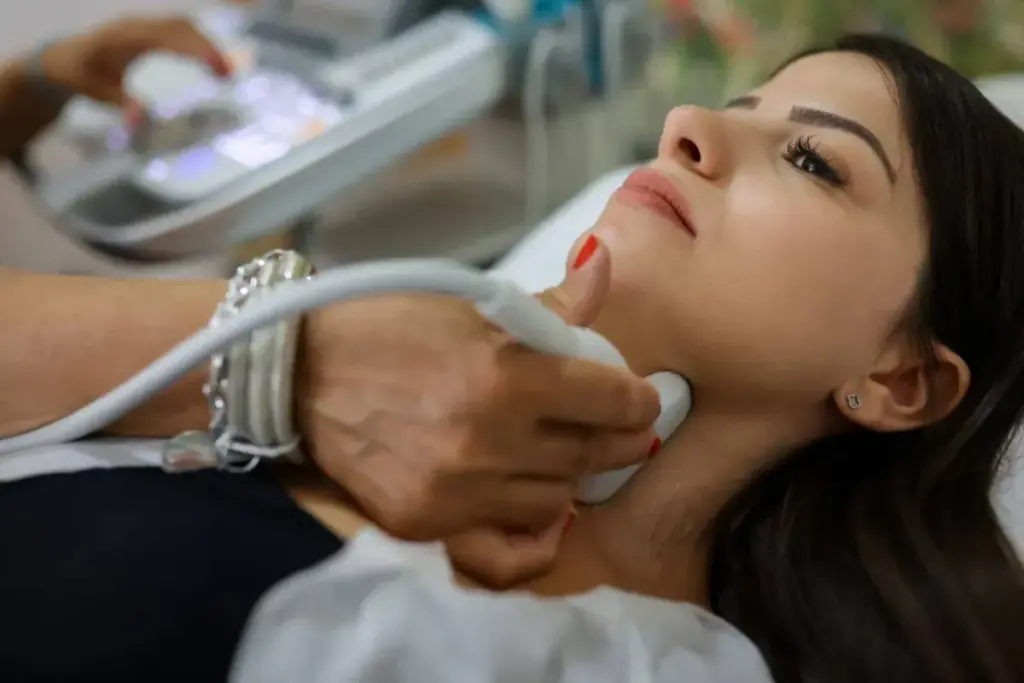
Your skin, hair, and nails might be showing signs about your thyroid health. If your thyroid doesn’t make enough hormone, you might notice changes. These changes can affect your skin, hair, and nails.
Low thyroid hormone can make your skin dry and coarse. It can also make your nails brittle. You might also lose hair from your scalp, eyebrows, and other places. Many people with this issue find it upsetting and it can lower their quality of life.
For more on thyroid problems, check out Medical News Today.
Key Takeaways
- Dry, coarse skin is a common symptom of hypothyroidism.
- Hair loss can occur from the scalp, eyebrows, and other body parts.
- Brittle nails are a sign of reduced thyroid hormone.
- Thyroid hormone therapy can help alleviate these symptoms.
- Thyroid health is closely linked to overall well-being.
How Hypothyroidism Affects Your Body
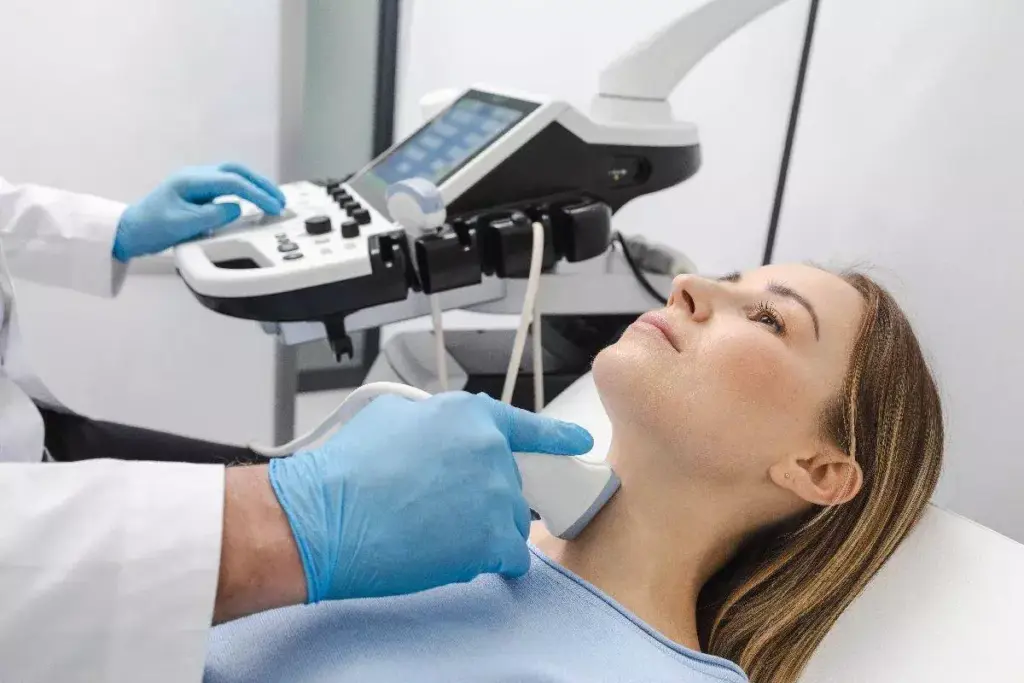
Thyroid hormones are key for our metabolism and energy. When they’re low, it shows in how we look and feel. We’ll see how hypothyroidism changes our skin, hair, and nails.
The Role of Thyroid Hormones in Skin Regeneration
Thyroid hormones help our skin cells grow and stay healthy. Low thyroid hormone slows down this process. This can make our skin dry, pale, and cause other skin problems.
Our skin is huge and tied to our thyroid health. Low thyroid hormone means our skin can’t heal fast. This leads to dryness and irritation.
Metabolic Changes and Their Impact on Appearance
Hypothyroidism changes how our body works, affecting how we look. Slower metabolism means we might gain weight. This can make skin problems worse. It also makes hair and nails brittle and easy to break.
These changes can also make us sweat less, leading to dry skin. Plus, hormonal imbalances can cause puffiness and change our face’s look.
Primary Hypothyroidism Skin Symptoms
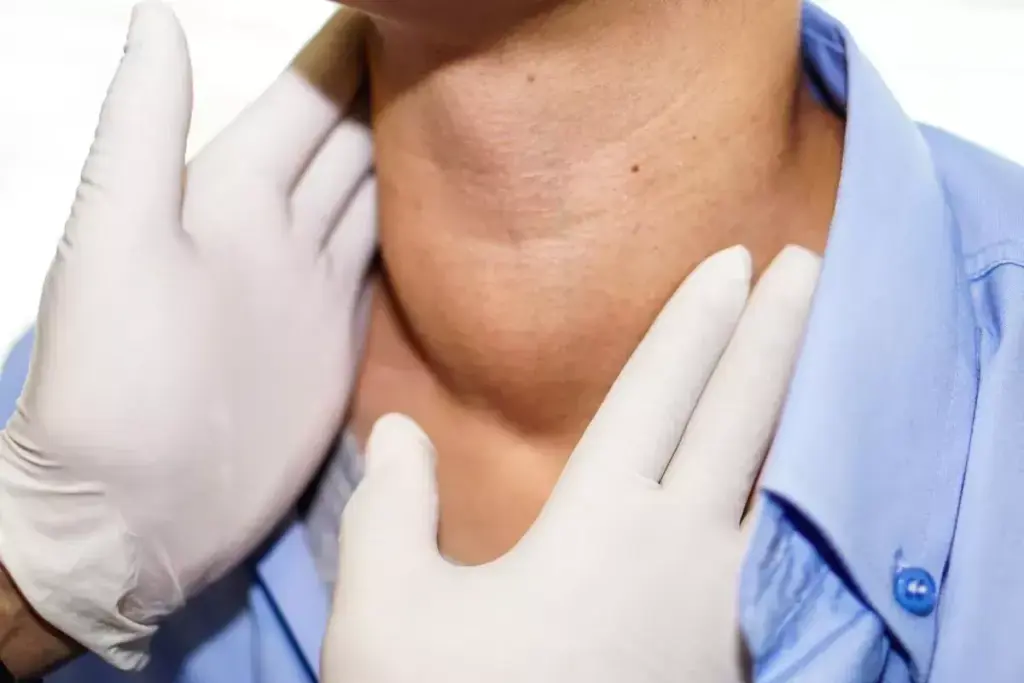
Hypothyroidism can show up in many ways on the skin, affecting how people feel about themselves. These signs are not just about looks; they can point to a lack of thyroid hormones. We’ll look at the main skin symptoms of hypothyroidism, what they look like, and how common they are.
Dry Skin and Xerosis Cutis
Dry skin, or xerosis cutis, is a common sign of hypothyroidism. When the thyroid doesn’t make enough hormones, the skin doesn’t get enough oil. This makes the skin dry, rough, and scaly. As Medical Expert, an endocrinologist, notes, “Dry skin is often one of the first signs of hypothyroidism, and it can significantly affect a patient’s comfort and self-esteem.”
The dryness is often worse on the elbows and knees. In bad cases, the skin can crack and get infected. It’s key to treat dry skin as part of treating hypothyroidism.
Pale and Cool Skin Appearance
People with hypothyroidism often have pale and cool skin. This is because their body doesn’t make enough heat. They might feel cold even when it’s warm outside.
“The skin can take on a pale, almost translucent appearance, which can be quite striking in some cases,” says Medical Expert, a dermatologist specializing in thyroid-related skin conditions.
Yellowish Skin Tone and Carotenemia
Some people with hypothyroidism might have yellowish skin, known as carotenemia. This happens because their body can’t turn carotene into vitamin A. This is not usually harmful but shows there’s a thyroid problem.
Carotenemia shows up more on the palms and soles. It’s important to tell it apart from jaundice, which is linked to liver problems. A doctor needs to check to see why the skin is yellow.
Hair and Nail Changes in Thyroid Disease
Thyroid hormone imbalance can cause noticeable changes in hair and nail texture and growth. Hypothyroidism, in particular, affects the integumentary system. This leads to various changes in hair and nail health.
Hair Loss and Altered Texture
Hypothyroidism can cause significant hair changes, including hair loss (alopecia) and texture changes. About 42% of hypothyroidism patients experience diffuse hair loss. The hair often becomes coarse, dry, and brittle due to the reduced metabolic rate and decreased hair growth cycle.
Nail Abnormalities
Nail changes are common in hypothyroidism. Nails may become brittle, thickened, and slow-growing. These changes are due to the metabolic slowdown caused by thyroid hormone deficiency.
Understanding these changes is key for diagnosing and managing hypothyroidism. Healthcare providers should be aware of these symptoms to provide complete care.
Conclusion: When to Seek Treatment for Hypothyroidism Skin Changes
Knowing when to get help for hypothyroidism skin issues is key. We’ve talked about symptoms like dry skin, hair loss, and nail problems. If you’re seeing these signs, it’s time to see a doctor.
Getting treatment early can stop serious problems and help your skin and hair. Your doctor will suggest the best treatment, like hormone therapy. This can help fix your skin and other thyroid symptoms.
Getting treatment for hypothyroidism skin issues can really improve your life. If you’re dealing with bad skin symptoms, don’t wait. There are treatments out there that can help. Getting help early can make a big difference in managing hypothyroidism.
FAQ
What are the common skin symptoms of hypothyroidism?
Hypothyroidism can make your skin dry and pale. It might also turn yellowish. This happens because your body doesn’t make enough thyroid hormones. These hormones are key for skin health and growth.
How does hypothyroidism affect hair and nails?
Hypothyroidism can lead to hair loss and changes in hair texture. It also causes brittle nails and slow growth. The imbalance in thyroid hormones affects hair and nail health.
Can hypothyroidism cause itchy skin or eczema?
Yes, it can. Hypothyroidism often causes itchy skin, often on the neck. The dryness and irritation can make your skin uncomfortable.
Are brittle nails a symptom of thyroid disease?
Yes, brittle nails are a sign of thyroid disease, including hypothyroidism. The hormonal imbalance affects nail health, causing brittleness and other issues.
How does hyperthyroidism differ from hypothyroidism in terms of skin symptoms?
Hyperthyroidism leads to warm, moist skin, unlike hypothyroidism’s dry skin. This is because hyperthyroidism means your body makes too many thyroid hormones, changing your skin.
Can thyroid problems cause skin discoloration on the neck?
Yes, thyroid issues can change your skin’s color or tone, including on the neck. This can happen due to carotenemia, a condition from too much carotene, making your skin yellowish.
What should I do if I’m experiencing skin, hair, or nail changes due to hypothyroidism?
If you notice changes, see a healthcare provider. They can diagnose and treat hypothyroidism. Early treatment can help manage symptoms and improve your life.
Can hypothyroidism cause coarse hair or hair loss?
Yes, it can. Hypothyroidism can make your hair coarse and lead to hair loss. The hormonal imbalance affects hair growth and health.
Are there any treatments available for hypothyroidism skin symptoms?
Yes, there are treatments. Managing hypothyroidism with medication and lifestyle changes can help. This improves your skin, hair, and nail health, and overall well-being.
How can I manage dry skin caused by hypothyroidism?
Use moisturizers and avoid harsh soaps to manage dry skin. Also, keep a healthy lifestyle. Proper treatment of hypothyroidism is key to reducing dry skin symptoms.
References
National Center for Biotechnology Information. Evidence-Based Medical Guidance. Retrieved from https://pmc.ncbi.nlm.nih.gov/articles/PMC11674394/