
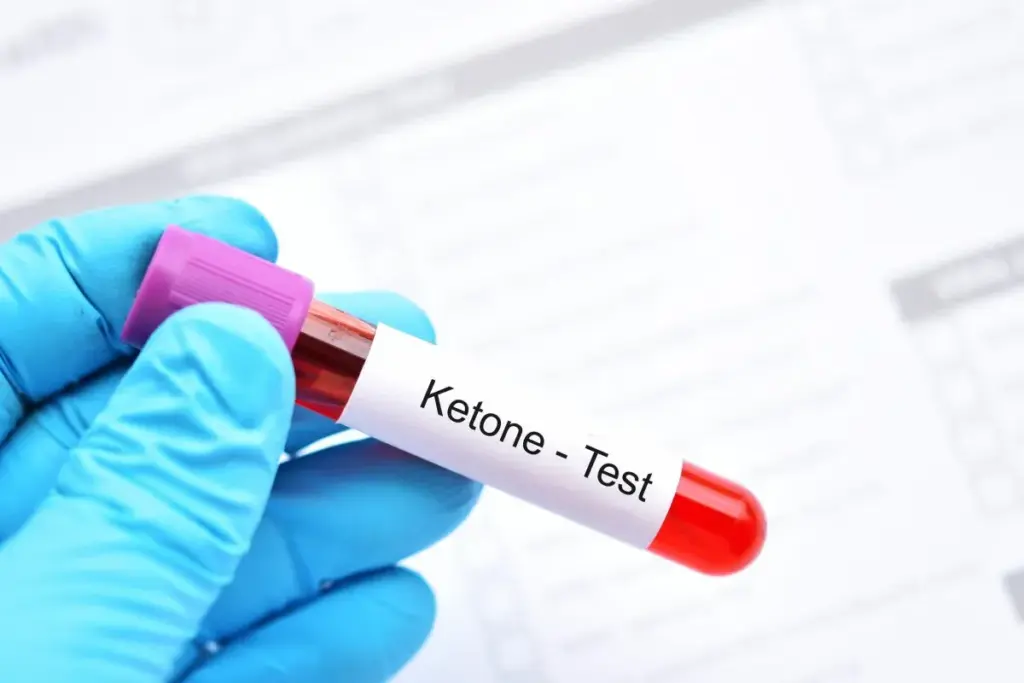
Diabetic ketoacidosis (DKA) is a serious condition that can be life-threatening. It mainly affects people with type 1 diabetes but can also happen in those with type 2. It’s marked by high blood sugar, metabolic acidosis, and ketones in the blood. Quick treatment is key to avoid serious problems.
Knowing how DKA works is vital for catching it early and treating it right. It happens when there’s not enough insulin, causing the liver to make ketones. This makes the blood too acidic. We’ll look into the main parts of DKA, like how severe it is and why acting fast is so important.
Key Takeaways
- DKA is a serious complication of diabetes that requires immediate medical attention.
- The condition is characterized by hyperglycemia, metabolic acidosis, and ketonemia.
- Understanding DKA’s pathophysiology is essential for effective management.
- Prompt treatment can significantly improve outcomes for patients with DKA.
- DKA can occur in both type 1 and type 2 diabetes patients.
Understanding the Pathophysiology of DKA

DKA starts with a big insulin deficiency. This lack of insulin causes many metabolic problems. It’s key to understanding DKA because it starts a chain of events that lead to its main symptoms.
Aspect 1: Insulin Deficiency and Cellular Energy Crisis
In DKA, the body can’t use glucose because of insulin deficiency. This leads to a crisis where cells don’t get the energy they need. Without insulin, glucose can’t get into cells, causing blood sugar levels to rise.
The body then starts breaking down fat for energy, making ketone bodies. This is made worse by hormones like glucagon, cortisol, and adrenaline. These hormones make the body produce more glucose, adding to the high blood sugar.
Aspect 2: Ketone Body Production and Metabolic Consequences
The production of ketone bodies is a key part of DKA. When the body breaks down fat, it makes acetone, acetoacetate, and beta-hydroxybutyrate. These ketone bodies build up in the blood, causing metabolic acidosis.
Metabolic acidosis from ketone bodies can lead to serious problems. It can cause imbalances in electrolytes, dehydration, and even life-threatening issues if not treated quickly. Knowing how ketone bodies are made in DKA is vital for finding good treatments.
Metabolic Acidosis and Diabetic Ketoacidosis: Clinical Presentation and Severity
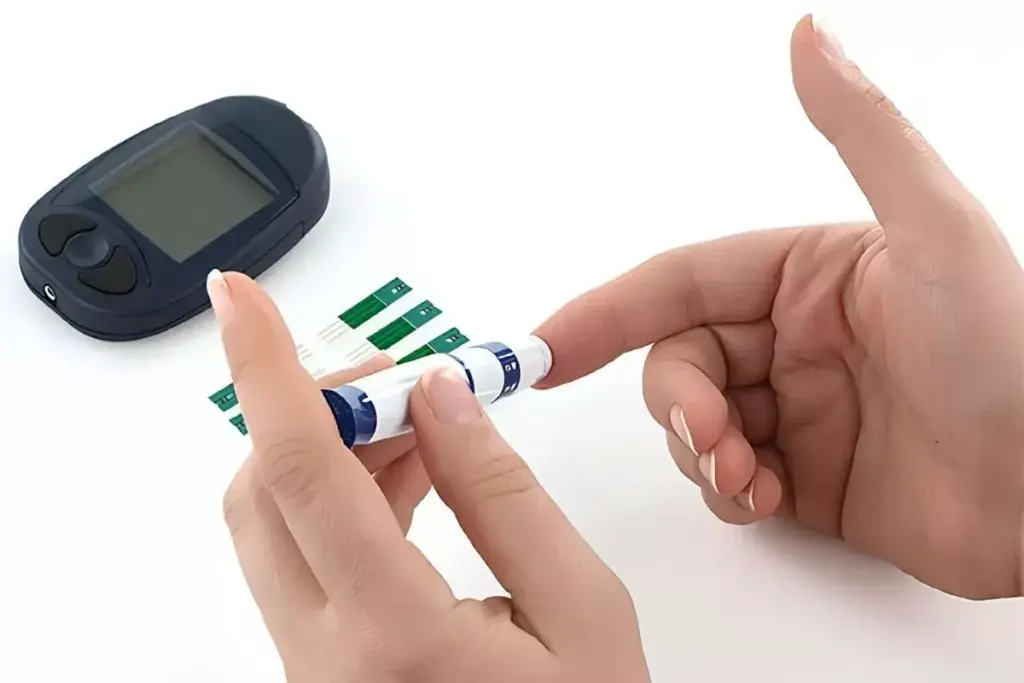
DKA shows signs of metabolic acidosis, high blood sugar, and ketones. It needs quick action. Doctors must spot these signs to help patients.
Recognizing Clinical Manifestations and Warning Signs
DKA symptoms include frequent urination, thirst, weight loss, and tiredness. Spotting these signs early is key for quick treatment. Patients might also have nausea, vomiting, and stomach pain, which can confuse doctors.
As DKA gets worse, acid levels drop, causing deep breathing. The severity of symptoms shows how bad the acidosis and sugar levels are.
DKA Severity Classification and Diagnostic Criteria
DKA is divided into mild, moderate, and severe based on acid levels. Doctors use blood sugar, pH, and bicarbonate levels to diagnose. Knowing these details is vital for correct diagnosis and treatment.
| Severity | Arterial pH | Serum Bicarbonate (mEq/L) |
| Mild | 7.25-7.30 | 15-18 |
| Moderate | 7.00-7.24 | 10-14 |
| Severe | <7.00 | <10 |
Electrolyte Disturbances and Volume Depletion
DKA often causes imbalances in potassium and sodium. Managing potassium levels is tricky because the body lacks it, even if blood levels seem normal.
Expert in Endocrinology
DKA also leads to dehydration, which needs fast fluid replacement. The goal is to fix blood volume, improve kidney function, and balance electrolytes.
Understanding DKA’s signs, severity, and treatment helps doctors manage it better. This improves patient care and outcomes.
Ketoacidosis Management: Treatment Strategies and Protocols
Managing DKA well means knowing how to treat it. This includes giving fluids and insulin. The main goals are to fix fluid levels, lower blood sugar and ketones, and balance electrolytes.
Initial Stabilization and Insulin Therapy
The first step is to give fluids to fix low blood volume. Aggressive fluid replacement is key to avoid more problems. We start with 0.9% saline and adjust based on how the patient is doing.
Insulin is key to lower blood sugar and ketones. We start with a bolus dose and then a continuous intravenous insulin infusion. This lets us control insulin well and adjust quickly.
Electrolyte Correction and Complication Prevention
Fixing electrolytes, like potassium, is vital to avoid low potassium. We watch potassium levels and adjust as needed. Potassium replacement starts when levels are below 5.2 mEq/L and the patient can pee well.
Here’s a table showing common electrolyte problems in DKA and how to fix them:
| Electrolyte | Disturbance | Management Strategy |
| Potassium | Hypokalemia | Potassium replacement |
| Sodium | Hypernatremia or Hyponatremia | Careful fluid management |
| Phosphate | Hypophosphatemia | Phosphate replacement (if severe) |
It’s important to prevent serious problems like brain swelling, heart rhythm issues, and low blood sugar. We do this by closely watching the patient and adjusting treatment as needed. A multidisciplinary approach is key for the best care.
Conclusion
Understanding diabetic ketoacidosis (DKA) is key to good care and management. We’ve covered DKA’s basics, like how it works, its signs, and how serious it can be. Quick action and right treatment are vital to avoid worse problems and help patients get better.
Managing DKA well means first making sure the patient is stable, then using insulin and fixing electrolyte levels. It’s also important to keep an eye on ka ph and ka blood gas levels. This helps us see how bad the acidosis is and make the right treatment choices. Knowing how DKA works helps us give better care and support to those affected.
It’s important for healthcare workers and patients to keep learning about DKA. This knowledge helps us improve care and support for those with DKA. By focusing on top-notch care and support, we can make DKA less severe and help patients do better.
FAQ
What is diabetic ketoacidosis (DKA) and how does it occur?
DKA is a life-threatening complication of diabetes caused by insulin deficiency, leading to hyperglycemia, ketosis, and metabolic acidosis.
What are the warning signs and symptoms of DKA?
Symptoms include polyuria, polydipsia, nausea, vomiting, abdominal pain, fruity breath, dehydration, and Kussmaul respirations.
How is the severity of DKA classified?
Severity is classified as mild, moderate, or severe based on pH, bicarbonate levels, mental status, and serum ketones.
What are the key aspects of DKA management?
Management focuses on fluid replacement, insulin therapy, electrolyte correction, and monitoring for complications.
Why is understanding the pathophysiology of DKA important?
Understanding pathophysiology guides effective treatment, prevents complications, and helps interpret lab abnormalities.
What role do electrolytes play in DKA management?
Electrolytes, especially potassium, are monitored and corrected to prevent cardiac arrhythmias and neuromuscular complications.
How is DKA treated, and what are the treatment protocols?
Treatment includes intravenous fluids, insulin therapy, electrolyte replacement, and monitoring of glucose, ketones, and acid-base status.
What is the importance of prompt treatment in DKA?
Prompt treatment prevents severe dehydration, electrolyte imbalance, cerebral edema, and life-threatening complications.
How does insulin deficiency contribute to DKA?
Insulin deficiency leads to uncontrolled glucose production, lipolysis, and ketone accumulation, causing hyperglycemia and acidosis.
What are the potentially complications of DKA?
Complications include cerebral edema, hypokalemia, cardiac arrhythmias, acute kidney injury, and death if untreated.
References
This study was designed to examine the efficacy and risk of bicarbonate administration in the emergent treatment of severe acidemia in diabetic ketoacidosis https://pmc.ncbi.nlm.nih.gov/articles/PMC3224469/



 Departments
 Related Videos
 Our Doctors
 News
News